
Reviewed · WAWEL CASTLE TOURS
Wawel Castle, Cathedral, Old Town and St. Mary’s Basilica
Wawel Hill packs Poland’s royal story into one dramatic stop: grand State Rooms, a coronation cathedral, royal tombs, and the huge Sigismund Bell. From there, this 210-minute guided walk carries you through Kraków’s Old Town to St. Mary’s Basilica and its remarkable Veit Stoss altar.
I like the skip-the-ticket-line access to one permanent Wawel exhibition, which matters when castle queues build. I also like the mix of art, politics, religion, and city life, plus the chance to see Kraków with guides such as Anna, Jadwiga, or Beata K, who have been praised for clear explanations and helpful local tips.
The main caution is pace. This is a lot of ground, and the castle portion can run long enough to shorten time in the cathedral or make the tower climb difficult. You also need to arrive early, since late arrivals cannot join once the group has entered.
Key points to know before you book
- Wawel’s State Rooms lead the tour: Expect Renaissance interiors, royal furnishings, fine paintings, porcelain, weapons, and Eastern art.
- The Sigismund Bell requires a climb: Reaching it means stairs, but you get panoramic views and a traditional good-luck ritual.
- The tour may use two guides: The Old Town section can begin after returning to the original meeting point.
- St. Mary’s Basilica provides the artistic finale: The Gothic Veit Stoss altar is the visual high point.
- A maximum of 30 people keeps the group manageable: Still, busy rooms and crowded streets can limit viewing time.
- The tour costs $87 per person: That is reasonable if you want several major sights explained in one booking, but less so if you prefer slow, independent visits.
Start at St. Mary Magdalene Square, not Wawel Hill
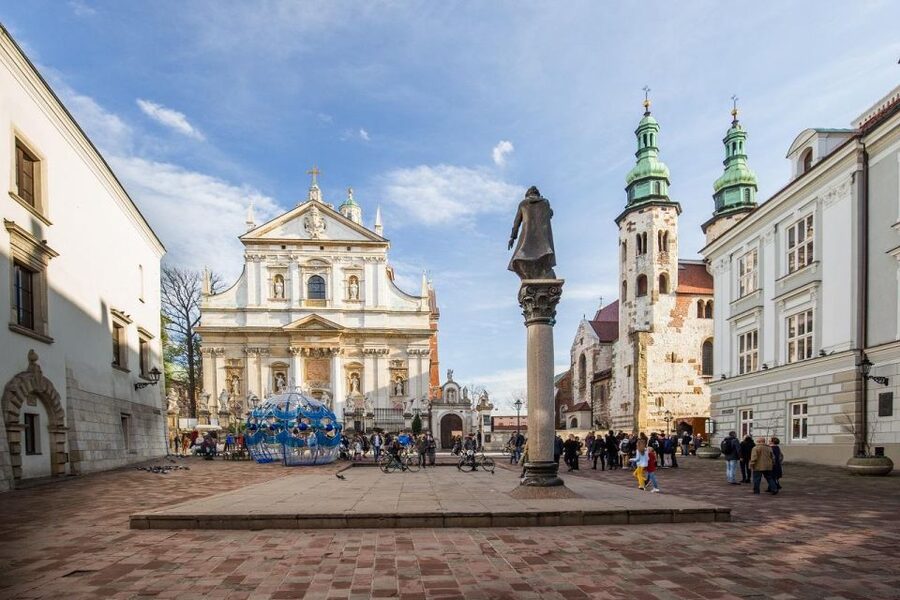
Your meeting point is the Piotr Skarga Monument on St. Mary Magdalene Square. Look for the guide holding a Wawel Castle & Cathedral Guided Tour sign. This detail is easy to miss: you do not meet on Wawel Hill.
Arrive at least 10 minutes early. Once the group has entered, late arrivals cannot join, and the tickets are non-refundable. That rule makes sense for timed museum entry, but it leaves little room for a delayed tram, a wrong turn, or a long coffee stop.
The tour is offered in English, French, German, Italian, or Polish. Choose one language when you book. The group does not switch between languages during the walk.
The experience may unfold in two sections. The first focuses on Wawel Castle and Cathedral. The second returns toward the Old Town and continues to the Main Market Square, Collegium Maius, and St. Mary’s Basilica. A guide may lead both parts, though a change is possible. On one German-language tour, Jadwiga led the Wawel visit, while Beata K guided the later Old Town walk.
That arrangement is worth knowing because there can be a short transition between sections. It is not a private car transfer or a single continuous museum visit. You are walking through the center of Kraków, with the city itself connecting the sights.
More Old Town Tours in Krakow
- Old Town Krakow & Wawel Castle Walking Tour
★ 5.0 · 1,508 reviews - Krakow: Bike Tour of Old Town, Jewish Quarter and the Ghetto
★ 4.9 · 1,155 reviews - Krakow: The Old Town Walking Tour
★ 4.8 · 794 reviews
Wawel Castle puts Polish power on display
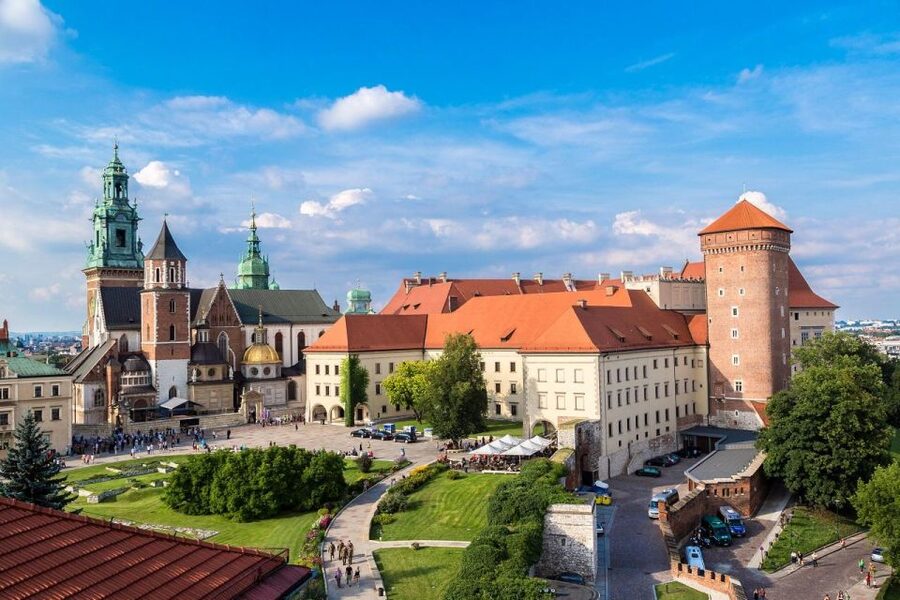
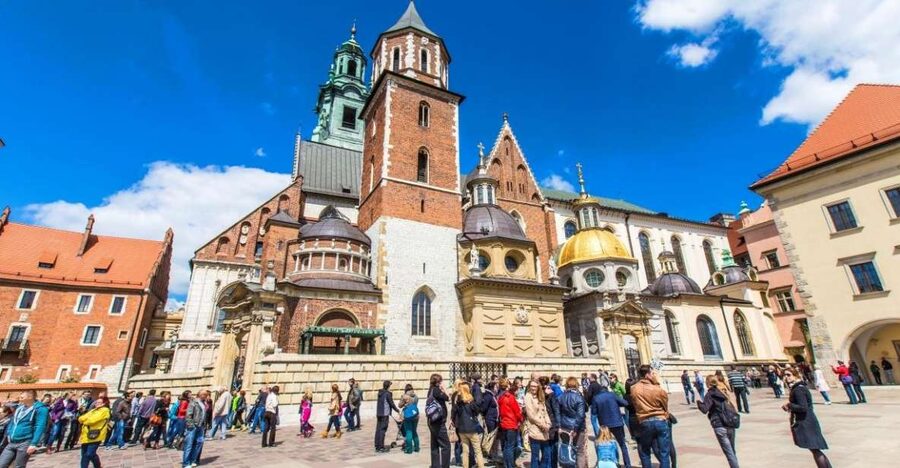
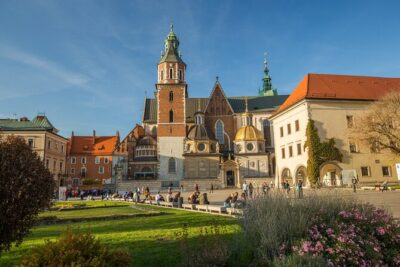
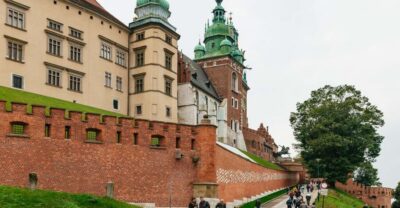
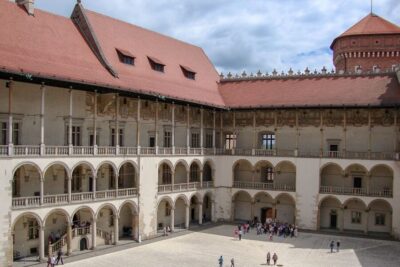
Wawel Castle is the strongest reason to take this tour. The hill has long been tied to Poland’s royal identity, and the castle rooms show how rulers used art and ceremony to project authority.
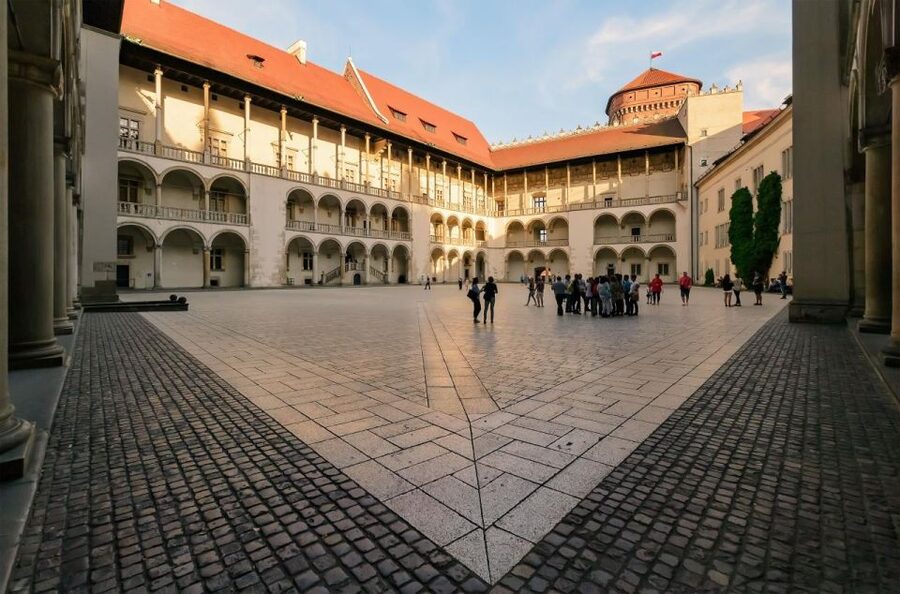
Inside the State Rooms, your guide explains the Renaissance interiors, furnishings, and decorations rather than leaving you to guess what each room was for. You will see elaborate wall hangings, Italian paintings from the Lanckoroński collection, and objects that reveal the court’s taste and international contacts.
The castle’s collection reaches well beyond royal portraits. Porcelain, weapons, and Eastern art show Poland sitting between western Europe and the Ottoman world. The collection of Ottoman tents is especially unusual, described as the largest in Europe. That makes the visit more than a parade of polished rooms. It gives you a sense of Poland’s ties to trade, diplomacy, warfare, and cultural exchange.
Fast-track access applies to one permanent Wawel exhibition, with the specific exhibition depending on availability. That is useful, but it does not mean every castle room or every possible exhibition is automatically included. If one particular gallery is your main reason for visiting, check the current arrangement before booking.
The guide-led format works well here because Wawel can feel confusing on your own. A room may look elegant, but its significance comes from knowing who used it, how royal ceremonies worked, and why certain objects ended up in the collection. Guides have been praised for spending time on fine details, though that strength can create a later time squeeze.
One German-language participant found the castle explanations so thorough that less time remained for the cathedral and tower. That is a fair trade if you care most about art and royal interiors. If touching the bell is your top priority, tell your guide early that you want enough time for the climb.
Wawel Cathedral connects ceremony and burial
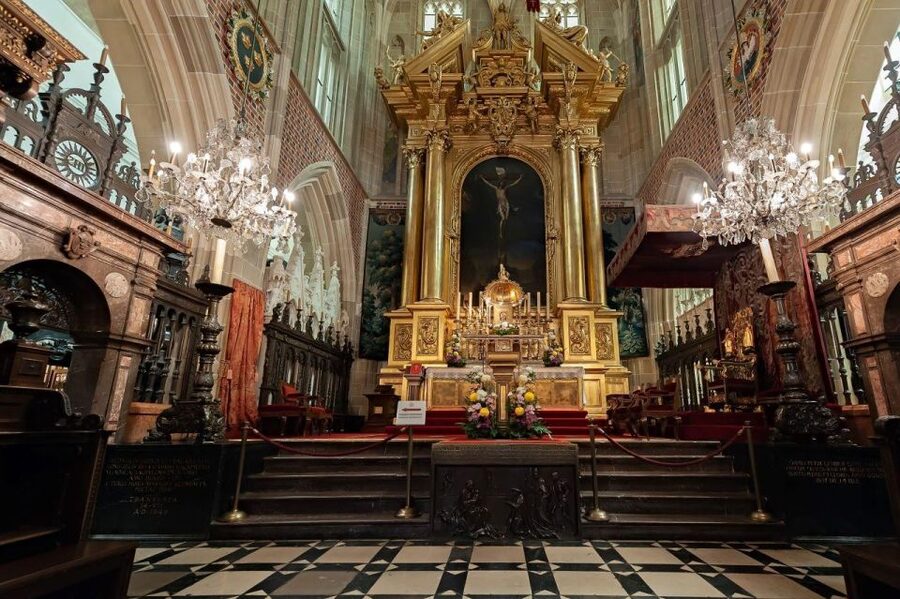
Wawel Cathedral is not simply another old church. Polish monarchs were crowned, married, and buried here, making it one of the key places for understanding the country’s political and religious story.
The interior includes ornate chapels, golden domes, and carefully worked decoration. Your guide helps sort out the layers of royal ceremony and memorial art. Without that context, the cathedral can become a quick look at altars and tombs. With it, you can read the building as a record of Polish rulers and national figures.
The route continues to the royal crypts, where Poland’s leading rulers and other notable figures are buried. This portion changes the mood. The bright ceremony of the cathedral gives way to a quieter, more solemn space tied to the people who shaped the country.
A climb to the cathedral tower offers panoramic views across Kraków and brings you to the Sigismund Bell. Touching the bell is presented as good luck, giving the visit a small personal ritual amid all the grand history.
The climb is also the part most affected by timing and physical ability. One participant reported that there was not enough time to reach the tower after the detailed castle visit. So treat the bell as a valued possibility, not an absolute guarantee of a leisurely climb. The tour is not suitable for wheelchair users, and the tower stairs add another challenge for anyone who has trouble with steep or confined routes.
If you have limited stamina, the cathedral and castle may be enough for one morning or afternoon. The full experience continues on foot afterward, so comfortable shoes are essential.
Kraków Old Town turns history into a city walk
After Wawel, the tour shifts from royal rooms to public streets. Kraków’s UNESCO-listed Old Town is where medieval planning, university life, trade, religion, and present-day city activity meet.
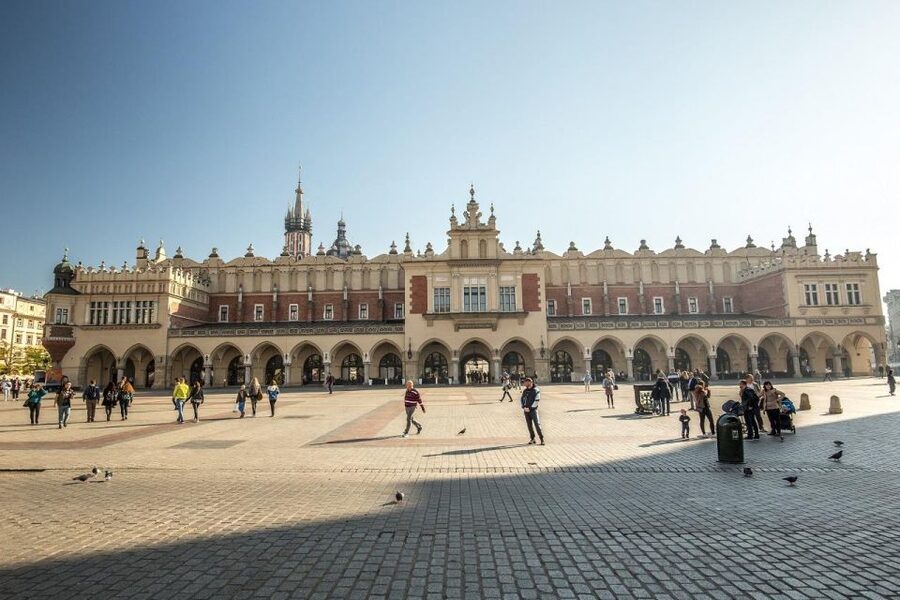
The Main Market Square is the natural center of this section. You see the Cloth Hall, which recalls the merchants and guilds that made Kraków prosperous, while the surrounding streets provide the setting for royal processions and civic life. Your guide links the buildings to the city’s golden age instead of treating the square as a collection of attractive façades.
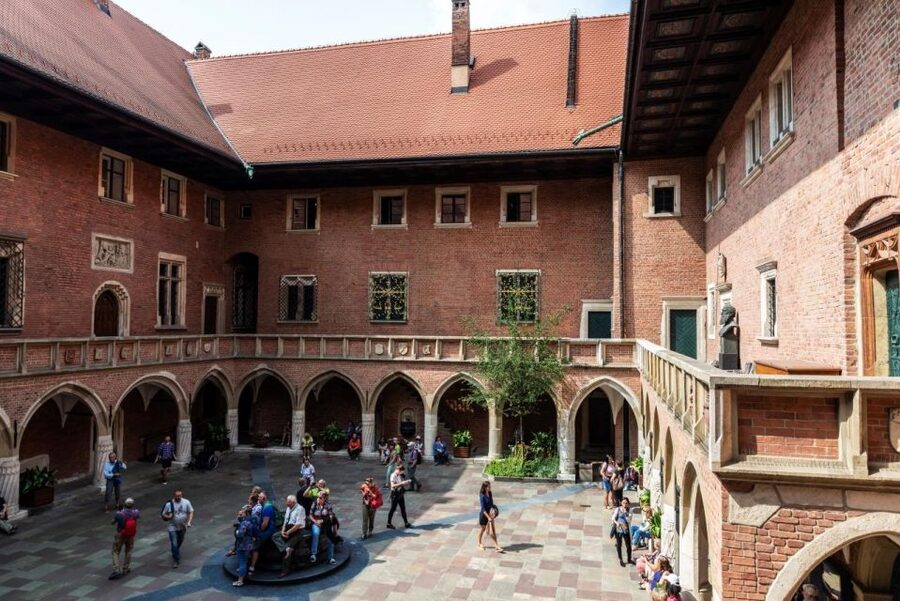
The walk also includes Collegium Maius, the oldest university building in Poland. Its connection with Nicolaus Copernicus gives the stop extra interest. You are not just looking at an old academic building. You are hearing how Kraków’s university helped shape the intellectual life of the region and how one of its most famous students became associated with a new view of the heavens.
This portion is less controlled than the castle visit. Streets and squares remain open to ordinary city life, so crowds can gather around popular sights. One participant found that people made it hard to wait for clear views at certain points. Keep your expectations realistic: the guide can explain the site, but cannot empty the square.
Another practical point is the walking distance. The route covers Wawel, the Old Town, and St. Mary’s Basilica in one session. That makes it efficient for a first visit, but it is not a gentle museum tour with long seated breaks. You will get a useful overview, not an hour at every doorway.
The quality of this section may also depend more on the individual guide. The Wawel portion has drawn especially strong praise, while one participant found the Old Town section less satisfying. Others had a memorable, highly personal walk with Beata K when their group became very small. That contrast suggests you should see the guide as a major part of the experience, not just a voice delivering facts.
More Wawel Castle visits:
- Krakow: Wawel Castle & Cathedral Guided Tour
★ 4.7 · 2,111 reviews - Krakow: Wawel Royal Hill with Optional Castle and Cathedral
★ 4.2 · 1,220 reviews - Krakow: Wawel Castle and Cathedral Guided Tour
★ 4.6 · 595 reviews - Kraków: Old Town & Wawel Castle Walking Tour in English
★ 4.8 · 532 reviews
St. Mary’s Basilica saves the best art for last
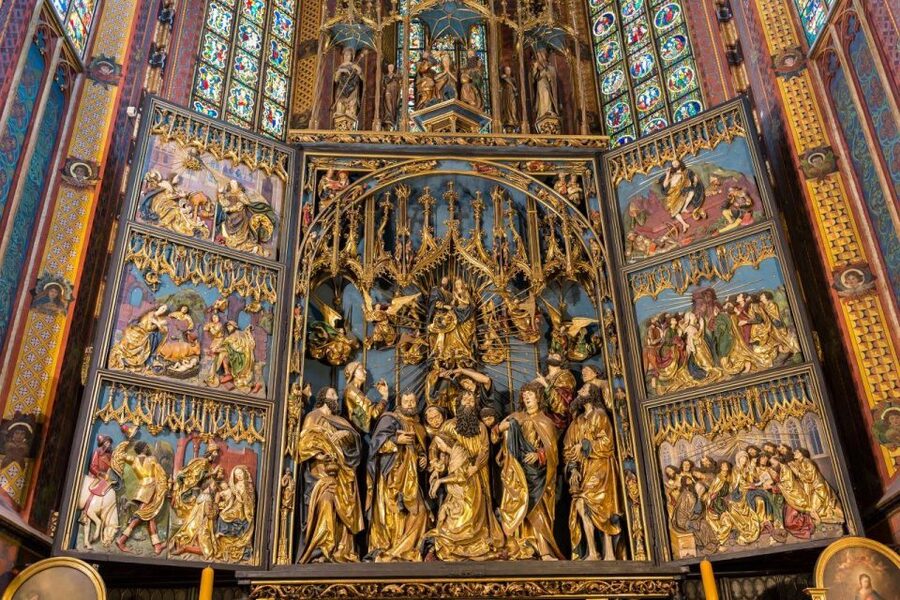
St. Mary’s Basilica gives the tour a strong finish. Its Gothic exterior and interior are important, but the star is the Veit Stoss altar, a vast medieval work filled with carved figures and narrative detail.
Your guide explains how to read the altar and points out the small elements that are easy to miss from a distance. That guidance matters because the work is not a simple decorative backdrop. It tells stories through posture, expression, clothing, and gesture, turning religious teaching into vivid visual drama.
The basilica also brings a different kind of atmosphere from Wawel. The castle speaks of court power and state ceremony. St. Mary’s connects Kraków to parish life, devotion, craft, and the city’s long artistic tradition.
Because the basilica remains an active place of worship, dress carefully. Shoulders and knees must be covered, and shorts or sleeveless tops are not allowed in places of worship and selected museums. This is one of those small details that can save you an awkward interruption at the door.
Allow yourself a moment to look beyond the altar. The church’s Gothic form, chapels, and decorative details reward a slow glance, though the tour schedule may keep the stop focused. If sacred art is your main interest, you may want to return independently later for a quieter visit.
How much value do you get for $87?
At $87 per person, this is not the cheapest way to see Kraków. You are paying for a certified local guide, entry to Wawel Cathedral, entry to St. Mary’s Basilica, and fast-track access to one permanent Wawel exhibition. You are also paying for a route that joins four major sights without requiring you to plan the order or arrange separate tickets.
The price makes the most sense if you are in Kraków for a short stay and want the essentials explained in one booking. Wawel Castle and Cathedral can be hard to place in context, and St. Mary’s altar deserves more than a passing glance. A good guide turns the walk into a connected story.
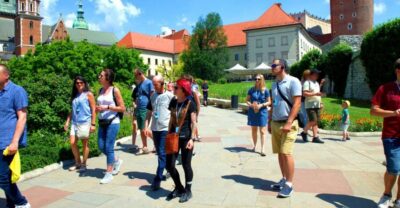
The value is weaker if you already have strong background knowledge, prefer reading labels at your own pace, or want to spend a full afternoon in a single castle exhibition. The group can include up to 30 people, which is reasonable under museum rules but not the same as a private tour. Crowds can also make it hard to pause at the most popular points.
The free cancellation policy gives you some protection if plans change, as long as you cancel at least 24 hours in advance. You can also reserve now and pay later. Those options are useful when your Kraków schedule is still taking shape, but they do not remove the need to check the meeting point and arrive early.
Who will get the most from this 210-minute walk?
I would choose this tour for a first visit to Kraków, especially if you want a broad introduction rather than a single specialist subject. It brings together royal history, sacred art, university culture, medieval commerce, and the city’s main public square.
It also suits you if you value explanation over independence. The castle’s art collections, the royal crypts, the Sigismund Bell, and the Veit Stoss altar all gain meaning when someone points out the connections.
The tour is less suited to you if you use a wheelchair, dislike extended walking, or need generous time at each stop. It may also disappoint if you expect every section to feel equally detailed. The castle guide may spend so long on the exhibition that the cathedral tower becomes rushed, while the Old Town guide may offer a different style and level of detail.
Families with older children may find the bell, crypts, weapons, and royal stories appealing, though the full length and formal church settings require patience. Anyone with a strong interest in medieval sculpture should pay special attention to St. Mary’s Basilica. Anyone focused on Polish kings and court life will likely prefer the Wawel portion.
Practical ways to make the tour better
Dress for both museums and churches. Cover your shoulders and knees, and wear shoes you can manage for several hours on foot and possible tower stairs.
Arrive at the Piotr Skarga Monument early, not at Wawel Hill. Keep your voucher available so you can confirm the exact meeting details.
If the Sigismund Bell matters to you, mention it at the start. The itinerary includes the chance to climb to the tower, but the available time can depend on how long the castle section takes and how crowded the sites are.
Bring water and plan lunch afterward. Lunch is not included, and the 210-minute schedule leaves little room for a proper meal during the tour.
If your group changes guides between Wawel and Old Town, treat that as a chance to hear two perspectives. A small second group can turn the later walk into a more personal conversation, while a larger group may require you to stay close and listen carefully in busy squares.
Should you book Wawel Castle, Cathedral, Old Town and St. Mary’s Basilica?
Book it if you want Kraków’s main historic sights tied together by a local guide, and you are comfortable with a brisk, three-and-a-half-hour walk. The strongest parts are Wawel’s State Rooms, the royal cathedral and crypts, the Sigismund Bell opportunity, and the Veit Stoss altar.
Think twice if you want a slow castle visit, guaranteed tower time, or a consistently small group. At $87, the tour earns its price through convenience, admission, and interpretation, not through leisurely pacing.
For a first-time visit, I find the combination worthwhile. You leave with a clear sense of why Wawel matters, how the Old Town grew around trade and learning, and why St. Mary’s Basilica remains central to Kraków’s identity.
FAQ
How long does the tour last?
The tour lasts 210 minutes, or three and a half hours.
Where is the meeting point?
Meet at the Piotr Skarga Monument on St. Mary Magdalene Square. The guide will hold a Wawel Castle & Cathedral Guided Tour sign. The meeting point is not on Wawel Hill.
Which languages are available?
The tour is available in English, French, German, Italian, and Polish. You select one language when booking, and each group uses a single language.
What does the tour include?
It includes a certified local guide, fast-track access to one permanent Wawel Castle exhibition, entrance to Wawel Cathedral, and an entrance ticket to St. Mary’s Basilica.
Is lunch included?
No. Lunch is not included.
Is the tour suitable for wheelchair users?
No. The experience is not suitable for wheelchair users.
What should I wear?
Wear clothing that covers your shoulders and knees. Shorts and sleeveless tops are not permitted in places of worship and selected museums.
Recently added in Krakow
- Auschwitz-Birkenau and Krakow Private Car Trip from Katowice★ 4.3 · 3 reviews
- Wawel Castle, Old Town with St. Mary’s Church Guided Tour★ 5.0 · 3 reviews
- Private tour to Zakopane and Thermal Baths from Krakow★ 5.0 · 3 reviews
- Wawel Castle, Cathedral, Rynek Underground Tour with Lunch★ 5.0 · 3 reviews
- From Krakow: Chocholow Thermal Hot Springs (hotel pick up)★ 5.0 · 3 reviews
- Legends of Cracow ROBOTIC SHOW★ 4.0 · 3 reviews
- From Krakow: Zakopane and Thermal Pools Guided Trip★ 5.0 · 3 reviews
- Guided Beer Tour in Krakow★ 4.5 · 3 reviews
Wawel Castle Tours, compared.

Wawel Royal Hill with Optional Castle and Cathedral
Read our review →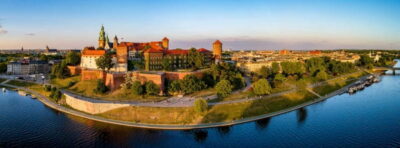
Skip-the-Line Wawel Castle Chambers Private Tour
Read our review →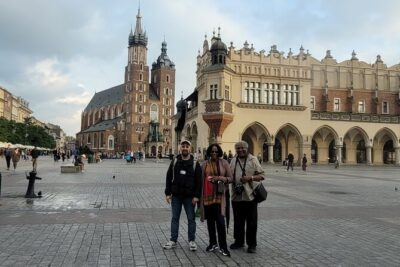
Private Krakow City Tour, Krakow Old Town and Wawel Castle Tour
Read our review →
Krakow Guided Tour to Iconic Polish Royal Residence Wawel Castle
Read our review →Where else this one turns up