
Reviewed · WROCLAW TOURS
The secrets of World War II
Gross-Rosen concentration camp is the emotional center of this day, while Osowka adds a strange, underground chapter to the story. I like that you visit three very different WWII sites in one trip, and I like the hotel pickup, which saves you from piecing together rural transport.
The main drawback is the length. Nine hours is a long day, and the experience is not a fully guided tour at every stop. At Osowka, for example, the venue guide may speak Polish while you follow an audio guide. Bring snacks, expect a serious subject, and confirm the group size because the tour information gives both nine and 15 as maximum figures.
Key points to know before booking
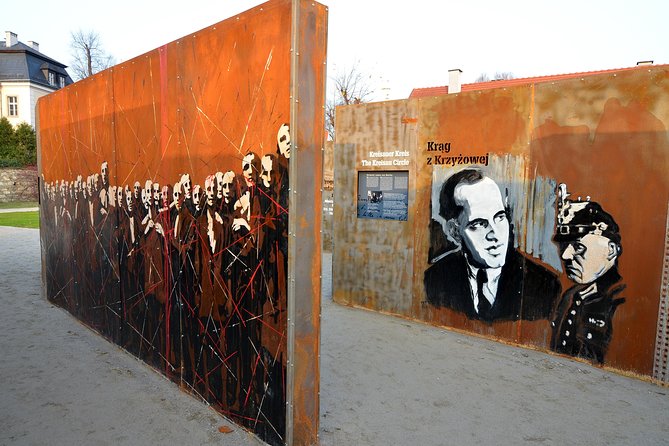
- Gross-Rosen comes first: Starting at the former concentration camp gives you time for quiet reflection before the day becomes more active.
- Osowka is the unusual stop: The underground Riese complex offers a look at Nazi construction plans that are very different from a standard museum visit.
- Ksiaz brings contrast: The castle adds architecture, forests, and grand rooms to a day otherwise focused on wartime suffering and military construction.
- Hotel pickup saves time: Transport from Wroclaw and return to your hotel are included in an air-conditioned minibus.
- The day is intimate, but check the limit: The experience is promoted as a small-group tour for up to nine people, while the additional information lists a maximum of 15.
- Lunch is not included: Carry food or use any opportunity to buy snacks during the day.
A WWII day trip beyond Wroclaw
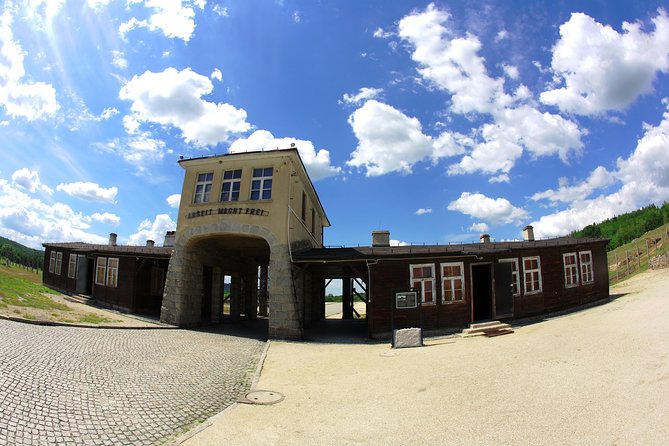
This is not a quick city excursion. The tour leaves Wroclaw at about 7:00 am and spends roughly nine hours on the road and at three sites in Lower Silesia. You move from a concentration camp to an underground wartime complex, then finish at one of Poland’s grandest castles.
That sequence matters. Gross-Rosen deals with imprisonment, forced labor, and mass death. Osowka focuses on the Nazi Riese project, a huge and still partly unexplained construction scheme. Ksiaz links the military story to a historic residence that was drawn into Nazi plans during the war.
I like the way the stops give you three angles on the same period. You are not looking at three similar museums. You are moving between a place of persecution, a military building project, and a castle altered by wartime ambition.
The tour is best for you if you want local history outside Wroclaw and prefer an organized day trip to renting a car. It also suits anyone who wants a guide or driver to handle rural roads, timing, parking, and admissions. If you already have a car and enjoy setting your own pace, the price may feel harder to justify.
A few more Wroclaw half days to consider
- Wroclaw: E-Car Tour and Audio Guide
★ 4.6 · 1,738 reviews - Wroclaw: 2-Hour Private Guided Tour by Electric Car
★ 4.8 · 805 reviews - Wrocław: Old Town and Ostrów Tumski Walking Tour in English
★ 4.8 · 311 reviews
Gross-Rosen: the day’s most important stop
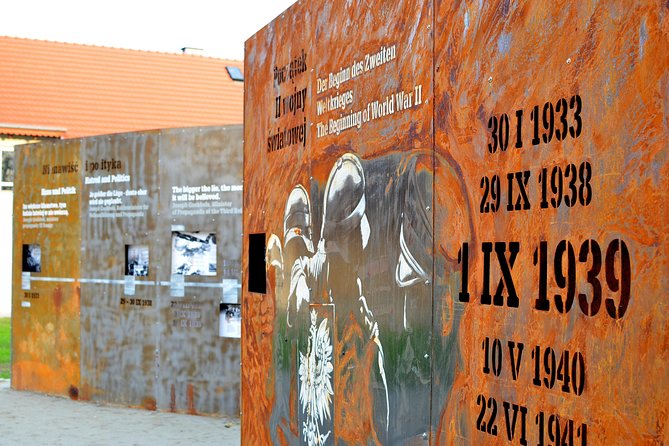
Gross-Rosen Museum in Rogoźnica was the largest Nazi German concentration camp in Lower Silesia. Conditions were especially brutal, with prisoners forced to work in quarries under the camp’s grim idea of annihilation through work.
About 40,000 prisoners died there. The victims included Poles, Jews, Russians, French, and Hungarians. That range of nationalities is a useful reminder that the camp was part of a wider system of Nazi persecution, not an isolated local event.
You have about two hours here, and that is the right amount of time for a place that demands attention. The strongest advice I can give is to resist treating this as just another sightseeing stop. Take your time, read what is available, and allow for silence. The open setting and remains of the camp can make the scale of what happened feel stark without requiring a dramatic presentation.
Starting here is one of the tour’s best choices. The group may arrive before the site becomes busy, giving you a quieter visit. That early timing can make a real difference at a memorial site. You are less likely to feel rushed or distracted, and you have time to think before moving on.
The stop is also physically and emotionally demanding. The tour asks for a moderate level of fitness, so you should be comfortable walking around a historic site for an extended period. Wear practical shoes and dress for changing weather, since the day includes both outdoor areas and underground spaces.
Ksiaz Castle and its wartime transformation
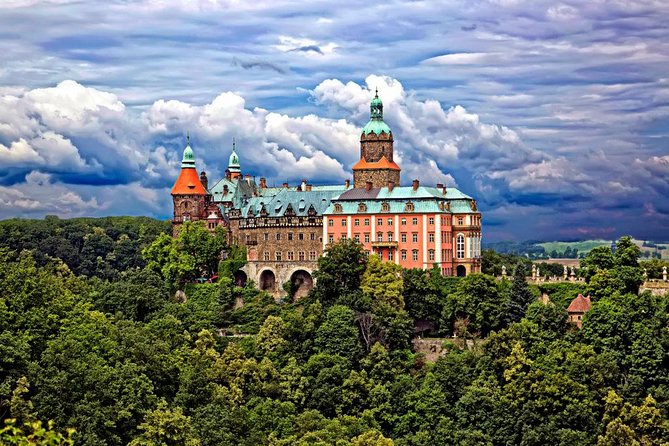
Ksiaz Castle is the third-largest castle in Poland. It sits about 395 meters above sea level beside the Pelcznica River, surrounded by woodland and built on a rocky cliff. Its setting gives you a sharp change of mood after Gross-Rosen.
You have about 90 minutes at the castle. That is enough to see the main parts included in the visit, but not enough to inspect every corner at a relaxed pace. If you love grand interiors, gardens, and castle architecture, you may wish for more time here.
Ksiaz is not included simply as a pretty stop. In 1943, the Nazi organization Tod began building one of Hitler’s main headquarters here. The castle was tied to other sites in the Riese complex, including Osowka and Wlodarz, which makes this visit important to the wider story.
That connection is what makes the castle more than a decorative finale. You can see how a prestigious historic residence became part of a wartime construction plan. The contrast between the castle’s noble appearance and its Nazi-era role gives the day a useful final layer.
The castle also offers a visual break. After the difficult material at Gross-Rosen and the enclosed tunnels at Osowka, the open grounds and grand setting can help you process the day. Still, keep your expectations clear: the castle stop is relatively short, so this is not a dedicated Ksiaz Castle tour.
Inside the Osowka underground complex
Osowka is part of Riese, a major Nazi German project carried out between 1943 and 1945. The name means Giant, and the scale of the work remains hard to grasp. The site includes underground structures linked to plans for military facilities and headquarters in Lower Silesia.
You spend about one hour here. The experience is very different from walking through a camp museum or a castle. You enter an underground setting where the unfinished passages and large spaces leave much of the project open to interpretation.
The atmosphere can feel like an adventure film, but the subject is not fiction. Prisoners were forced to carry out the work, and the complex formed part of the same network connected with Ksiaz. The mystery comes from incomplete records and the fact that the full purpose of some parts has not been settled.
A practical point matters here: the on-site guides may speak Polish, with an audio guide provided for other languages. If you expect your English-speaking tour guide to lead every minute underground, you may be disappointed. The driver or tour escort can still help connect the sites and answer questions between stops, but the venue’s own format may be partly self-guided.
Bring a layer of clothing. The tour information does not give an underground temperature, so I would not assume that the weather outside tells you what it will feel like below ground. A moderate fitness level is also sensible, since the day includes walking and an underground visit.
A different kind of day in Wroclaw:
- Wroclaw: Private Old Town Guided Walking Tour (2 hours)
★ 4.8 · 275 reviews - Old Town Wrocław Walking Tour
★ 5.0 · 249 reviews - Wroclaw: City Tour Sightseeing By Golf Cart Shared Or Privat
★ 4.8 · 189 reviews - Auschwitz-Birkenau Tour from Wrocław
★ 5.0 · 129 reviews
How the guide and transport shape the day
The package includes hotel or hostel pickup in Wroclaw, round-trip transport in an air-conditioned minibus, an English-speaking driver, a tour escort, admission tickets, and return drop-off. You do not need to arrange separate tickets or work out connections between three out-of-town sites.
That convenience is the main reason to consider the price. At $239.10 per person, this is not a cheap day trip. You are paying for a full day of transport, admissions, planning, and a small-group format, not just a ride to one museum.
The human part of the experience can also vary by guide. Jakub received especially warm praise for his care and help throughout the day. Pawel was noted for speaking fluent English and several other languages, answering questions about Polish and regional history, and offering food suggestions for Wroclaw. Tomek was also described as helpful and informative, while Eric was praised for making the day work smoothly.
Those names do not guarantee who will lead your tour, but they show what to value. A good escort can explain how the camp, tunnels, castle, and Riese project connect. A good driver also matters because the day involves a lot of travel on rural roads.
The tour information says small group, with a maximum of nine people in the main description. The additional details state a maximum of 15. That is worth confirming before you pay, especially if the small-group promise is central to your decision.
The real value of $239.10
I would judge the price against your alternatives. If you have no car, reaching Gross-Rosen, Ksiaz, and Osowka independently would require careful planning and several separate transport arrangements. You would also need to coordinate opening times, admission, and the order of the day.
The tour gives you all three admission tickets and takes you back to your accommodation. That is a strong convenience package for a remote set of places. It also lets you focus on the history instead of navigation.
If you do have a car, the calculation changes. You may be able to visit the same sites on your own and spend longer at Ksiaz or Gross-Rosen. One person specifically felt the tour offered less value because driving independently would have allowed more control. That is a fair criticism.
The tour’s value is strongest for first-time visitors to Wroclaw, people without a car, and anyone who wants a planned historical route. It is weaker for independent drivers who dislike fixed schedules or prefer long, unhurried museum visits.
Lunch is not included, and the day is long. Bring snacks or plan to buy something when an opportunity appears. This small bit of preparation will make the road time easier, especially since the itinerary gives you no dedicated lunch stop.
What the day feels like from start to finish
Your day begins early, with pickup around 7:00 am. The first priority is Gross-Rosen, which helps put the subject of the tour in clear focus from the beginning.
After the camp, the tone changes at Osowka. You move from a memorial site into an underground complex, where the questions concern wartime construction, purpose, and the connection to Nazi headquarters plans.
Ksiaz comes last. Its architecture and setting offer a visual change, while the wartime construction work ties it back to Osowka. That order gives the day a clear arc, although some people may prefer more time at the castle.
Expect a full day rather than a relaxed outing. You will spend time sitting in the minibus, walking at several sites, and dealing with serious subject matter. The reward is range: you gain a better sense of how the war affected this part of Poland beyond the center of Wroclaw.
The tour has a rating of 4.8 from 18 published ratings, with 94 percent recommending it. That is a strong result, though the small number of ratings means I would still pay close attention to the tour’s limits, especially guide format, group size, and lunch.
Who should book this experience
I would recommend it if you want:
- A single organized day covering three distant sites
- A serious introduction to Poland’s wartime experience
- Gross-Rosen as the main purpose of your outing
- The Riese underground project and its connection with Ksiaz
- Hotel pickup and return transport
- Help from an English-speaking driver or escort
- A small-group setting, subject to confirmation
I would hesitate if you want a slow visit at every stop, a fully guided presentation inside each venue, or complete control over the schedule. You should also think carefully about the emotional weight of Gross-Rosen. This is not light sightseeing, and it is best approached with respect.
Free cancellation is available if you cancel at least 24 hours before the start time. Changes or cancellations inside that window are not accepted for a refund. The experience also requires good weather, and poor weather may lead to a different date or a full refund.
Should you book The Secrets of World War II?
Book this tour if you want the most efficient way to connect Gross-Rosen, Osowka, and Ksiaz in one day from Wroclaw. The strongest reason is not the castle alone. It is the way the three sites explain different parts of Lower Silesia’s wartime story.
I would give Gross-Rosen the greatest weight in your decision. If that visit matters to you, the early arrival and two-hour time allowance make this a strong choice. Osowka adds something unusual, while Ksiaz provides an important wartime connection and a welcome change of setting.
At $239.10, the tour asks a lot, but the included transport, admissions, and planning can justify it when you do not have a car. If you are driving yourself, compare the price with the freedom of an independent visit. Either way, carry snacks, wear practical shoes, and confirm the final group size and guide arrangements before booking.
FAQ
How long does The Secrets of World War II tour last?
The tour lasts approximately nine hours.
What time does the tour start?
Pickup and departure are scheduled for 7:00 am.
Which sites does the tour visit?
The tour visits Gross-Rosen Museum in Rogoźnica, Ksiaz Castle in Walbrzych, and the Osowka underground complex.
Is hotel pickup included?
Yes. Pickup from your hotel or hostel in Wroclaw and return drop-off are included.
What is included in the price?
The price includes an air-conditioned minibus, tour escort assistance, an English-speaking driver, sightseeing, admission tickets, and hotel or hostel drop-off.
Is lunch included?
No. Lunch is not included, so you should bring snacks or buy food during the day if an opportunity is available.
Is the tour offered in English?
The experience is offered in English and includes an English-speaking driver. At Osowka, the venue guides may speak Polish, with an audio guide available to follow along.
How many people can join the tour?
The main description gives a maximum of nine people and presents it as a small-group tour. The additional information lists a maximum of 15, so confirm the final group limit when booking.
Can I cancel for a full refund?
Yes, if you cancel at least 24 hours before the local start time. Cancellations or changes made less than 24 hours before departure are not accepted for a refund.
Recently added in Wroclaw
- CITY QUEST WROCLAW: unlock the mysteries of this city!★ 5.0 · 3 reviews
- Wroclaw: Old City Walk and Cruise with Small Gondola★ 4.7 · 3 reviews
- Private Transfer from Wroclaw (WRO) Airport to Wroclaw city centre★ 5.0 · 3 reviews
- Wroclaw : Walking Custom Tour with a Local Guide★ 4.8 · 3 reviews
- Wrocław: Ostrów Tumski and Old Town Highlights Private Tour★ 5.0 · 3 reviews
- Wroclaw Jewish Quarter Private Guided Tour★ 5.0 · 3 reviews
- Electric Scooter Tour: Full Tour (Old Town + Ostrów Tumski)★ 5.0 · 3 reviews
- Segway Tour Wroclaw: Ostrów Tumski Tour – 1,5-Hours of Magic!★ 5.0 · 3 reviews
Wroclaw Tours, compared.
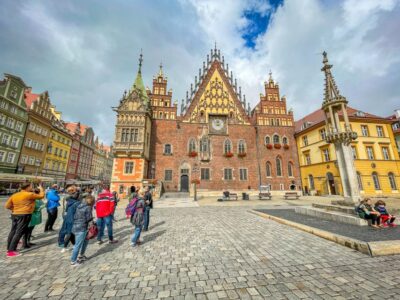
Old Town and Ostrów Tumski Walking Tour in English
Read our review →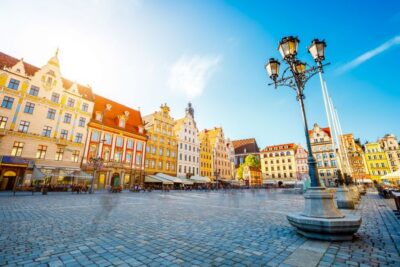
City Tour Sightseeing By Golf Cart Shared Or Privat
Read our review →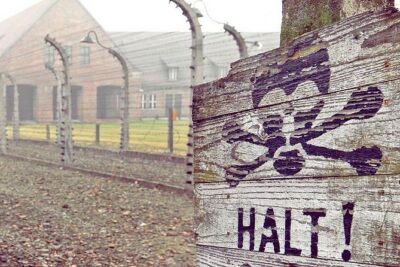

Where else this one turns up