

Reviewed · MUSEUMS
Krakow: The Ethnographic Museum ticket
Krakow’s Ethnographic Museum offers a clear look at the Polish folk culture that inspired artists around the turn of the 20th century. I like the Town Hall exhibition for its focus on Polish traditions, and I like the chance to continue at Esterka’s House, where temporary displays sit in a vaulted cellar. The price is also easy on a Krakow sightseeing budget.
The main consideration is that this is a self-guided museum visit. No guide is included, and the large collection can feel a little demanding if you prefer a short, tightly narrated tour. You will get more from it if you take your time and read the displays.
Key points at a glance

- Two museum buildings: Visit the Town Hall section and Esterka’s House, each with a different exhibition setting.
- About 80,000 objects: The collection began with Seweryn Udziela and focuses largely on the late 19th and early 20th centuries.
- A look at Polish folk culture: The displays show the art, customs, and visual traditions that attracted Krakow’s artists.
- Temporary exhibitions in a vaulted cellar: Esterka’s House adds changing displays rather than one fixed presentation.
- Flexible timing: Your ticket is valid for one to two days, with starting times checked during booking.
- Low-cost cultural stop: At about $4.81 per person, this is a modest way to add Polish culture to a Krakow visit.
Why this museum adds something different to Krakow
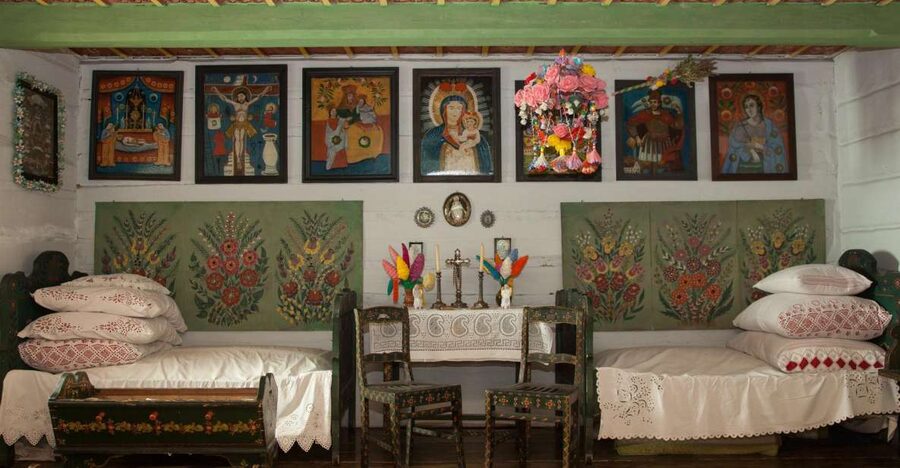
Krakow is packed with grand churches, royal rooms, and handsome old streets. The Ethnographic Museum takes you in another direction. Its subject is everyday Polish folk culture and the way artists looked to rural traditions for fresh ideas at the start of the 20th century.
That matters because folk art was not treated simply as decoration. For many Polish artists and members of the intelligentsia, it offered energy and originality at a time when city culture felt stuck. The museum helps you see why village customs, clothing, crafts, and local artistic forms caught their attention.
I find that context more useful than a display of objects without explanation. You are not just looking at old pieces. You are seeing how Polish folk culture became part of a larger artistic conversation in Krakow.
The museum was created in 1911 through the efforts of Seweryn Udziela, a teacher, amateur ethnographer, and collector. His starting collection grew into an institution with around 80,000 pieces. Most date from the end of the 19th century and the early 20th century, which gives the museum a strong focus rather than an evenly spread survey of every period.
More Museum Tours in Krakow:
- Auschwitz-Birkenau Museum and Memorial Guided Tour from Krakow
★ 4.5 · 1,510 reviews - Krakow: Rynek Underground Museum Guided Tour
★ 4.6 · 1,122 reviews - Krakow Schindler’s Factory Museum Guided Tour in English
★ 4.5 · 650 reviews
Starting with the Town Hall exhibition
The Town Hall section is the natural place to begin. Here, the main exhibition presents Polish folk culture and gives you the basic frame for understanding the rest of the museum.
Expect to move through a collection that reflects the peasant culture of the Krakow area and Poland more broadly. The information provided for this visit does not list every individual object or room, so I would not arrive expecting a fixed checklist of famous pieces. Instead, think of this as a museum of cultural patterns, local expression, and the objects that helped define folk life.
The section also connects those traditions to Krakow’s artists around the turn of the 20th century. You get a sense of why folklore appealed to them. Folk culture supplied a lively alternative to the formal habits and cultural uncertainty of the period.
That connection is one of the best reasons to visit. A purely decorative folk-art display can feel distant. Here, the subject is tied to a real artistic shift. You can consider not only what the objects look like, but also why city artists found them useful and appealing.
Give yourself enough time to look closely. The collection is large, and a quick walk through will only skim its surface. Since you have no guide included, the pace is yours, but the tradeoff is that you must create your own rhythm.
Esterka’s House and its vaulted cellar
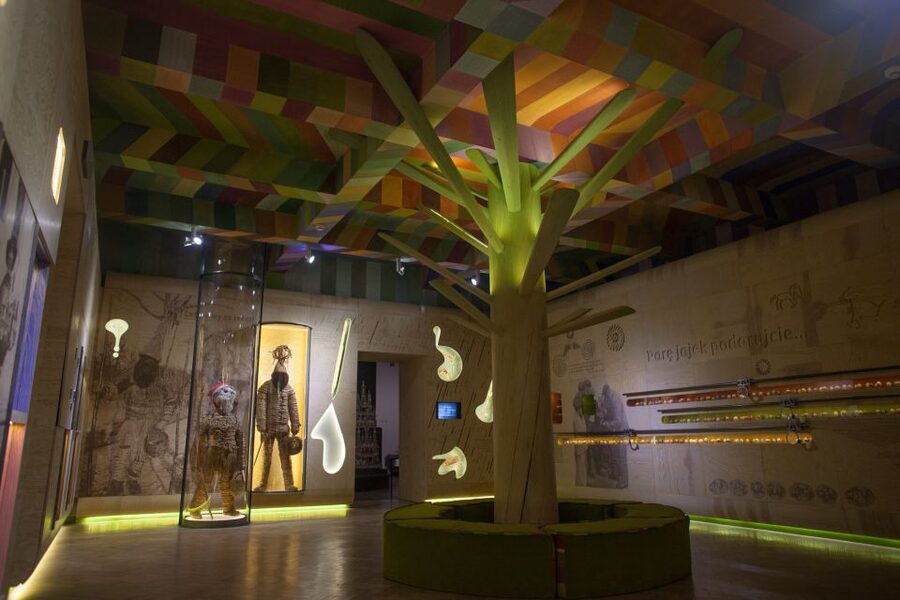
The museum’s second building is known as Esterka’s House. Its temporary exhibitions are presented in a beautifully vaulted cellar, giving this part of the visit a different mood from the Town Hall section.
A changing exhibition can be a real advantage. It means the second building is not simply a repeat of the permanent collection. Instead, it gives the museum room to explore a narrower subject or present objects in a new way.
The cellar setting also adds character. I like museums that use their architecture as part of the experience, and vaulted rooms can make a temporary display feel more distinct. At the same time, the exact subject of the exhibition will depend on what is being shown when you visit. If you want a particular theme, check the current details before booking.
Do not assume Esterka’s House is an optional extra. It is part of the museum experience described here, and it helps break up the visit. You move from a broad look at Polish folk culture to a temporary presentation in a more intimate setting.
The collection Seweryn Udziela began
The story of the museum begins with a personal collection. Seweryn Udziela was a teacher, amateur ethnographer, and collector who gathered the first pieces. His work grew into the museum established in 1911.
That origin gives the institution a human scale. You can picture the collection as something assembled through curiosity and careful interest rather than created all at once as a grand national project. Over time, it became a major store of Polish folk material.
Around 80,000 showpieces now make up the museum’s holdings. The majority come from the late 19th and early 20th centuries. This concentration is useful for you because it gives the visit a clear historical center. You are mainly looking at the period when folk culture became especially important to Polish artists and intellectuals.
The size of the collection also explains why this is not a five-minute stop. The museum may reward a slower visit, especially if you enjoy comparing objects and noticing repeated forms or local styles. If your schedule is tight, focus on the main exhibition and then see how much time you have for the temporary displays.
A few more Krakow half days to consider
- From Krakow: Auschwitz-Birkenau Guided Tour & Hotel Pickup
★ 4.5 · 33,358 reviews - From Krakow: Auschwitz-Birkenau Guided Tour & Hotel Pickup
★ 4.5 · 29,340 reviews - Krakow: Auschwitz Guided Tour with Optional Hotel Pickup
★ 4.5 · 15,280 reviews - Krakow–Zakopane: Cable Car, Chocholow Baths, Cheese & Vodka
★ 5.0 · 10,720 reviews
What the exhibits reveal about Krakow’s artists
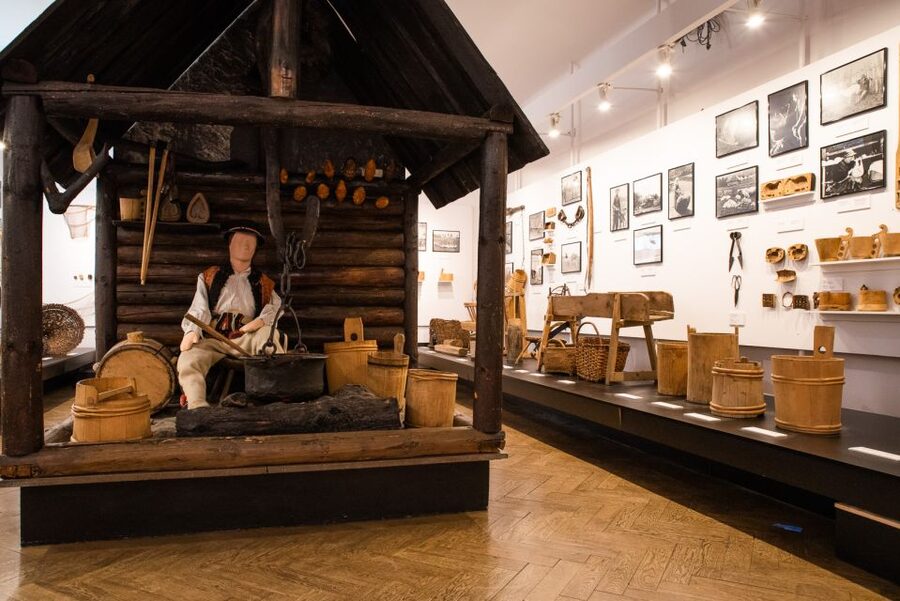
The museum’s most interesting idea is the link between folk culture and the artistic life of Krakow around 1900. The artists of that era were drawn to the directness and liveliness of folklore. They saw it as an answer to the stagnation and cultural crisis felt by parts of the Polish intelligentsia.
You do not need a specialist background to follow this theme. Look at the exhibits as evidence of an exchange between rural traditions and city art. The museum lets you consider how artists borrowed inspiration from folk forms and how those forms offered a sense of identity and renewal.
This is also where the visit becomes more than a collection of old things. It gives you a way to read Polish art and culture in a wider setting. The museum is especially useful if you have already seen Krakow’s historic center and want to understand another part of the city’s cultural story.
The collection may appeal to you if you enjoy art, social history, design, or local customs. It may be less satisfying if you only want major masterpieces with long, detailed biographies. The focus is on folk culture and its influence, not on a single famous artist.
How much time should you allow?
The ticket is valid for one to two days, with starting times dependent on availability. That flexible period is helpful if you are building a full Krakow schedule and do not want to rush through the museum at one fixed hour.
The supplied details do not give a required visit length. I would treat the ticket as permission to set your own pace rather than as a timed tour. A short visit can introduce you to the main themes, while a longer visit gives the collection room to breathe.
If you have only a little time, start with the Town Hall exhibition. It provides the broadest introduction to Polish folk culture. Then continue to Esterka’s House if the temporary display interests you and your schedule allows.
If you enjoy museums, plan for a more careful look across both buildings. The large collection and the separate exhibition spaces make this better suited to an unhurried cultural stop than to a quick photo opportunity.
Is the $4.81 ticket good value?
At about $4.81 per person, this is one of the easier cultural purchases to justify in Krakow. The price gives you entry to a museum with two sections, a collection of around 80,000 objects, and exhibitions linked to an important period in Polish art.
Value here comes from depth, not spectacle. You are paying for access to a substantial cultural collection rather than a staged attraction or a guided performance. If you enjoy learning through objects, the cost is small for the amount of material available.
The ticket is less compelling if you are looking for a guide to explain every room. Food and drinks are not included, but that is not a serious drawback for a museum ticket at this price. The bigger issue is that you must explore independently.
The one to two day validity improves the value. You can fit the museum around other plans instead of forcing it into a rushed block of time. Check the available starting times when you book, since the exact schedule is not fixed in the information provided.
Practical details before you go
Entry is included, but a guide is not. I would plan to read the exhibition information carefully and give yourself permission to skip sections that do not hold your attention. The museum’s scale means you do not need to inspect every object to have a worthwhile visit.
The meeting point can vary depending on the option booked, so check your confirmation rather than assuming a single universal entrance arrangement. The activity ends back at the meeting point.
Food and drinks are not part of the ticket. Plan your museum visit around your own meal schedule, especially if you intend to spend a longer stretch with the collection.
Flash photography is not allowed. Keep your camera or phone light off and follow the museum’s instructions. This is a small rule, but it matters in rooms filled with older objects and temporary displays.
You can cancel up to 24 hours in advance for a full refund. The reserve now and pay later option also lets you hold a place without paying immediately, which is useful when you are still arranging a Krakow itinerary.
Who will enjoy this museum most?
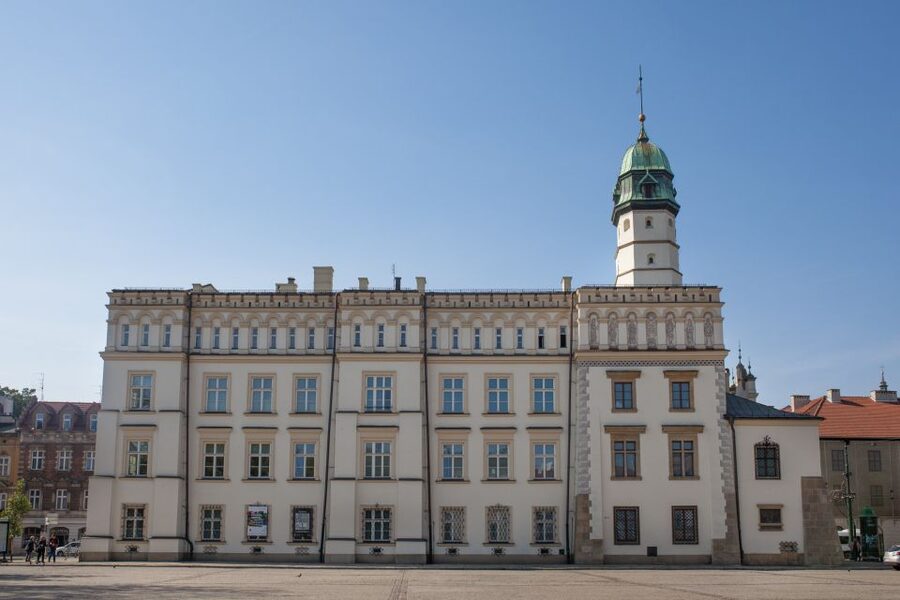
I would recommend this visit to you if you like museums that explain how ordinary culture shapes art. It is a good match for anyone interested in Polish identity, folk traditions, early 20th-century art, or the work of collectors.
Families and casual museumgoers may also find it worthwhile, but the experience will depend on how much your group enjoys looking closely and reading. There is no guide to keep everyone moving or explain the collection aloud.
Art lovers should pay special attention to the link between folk culture and Krakow’s artists. The final section of the visit may include paintings and sculptures, and the discovery of these works can broaden the experience beyond folk objects alone.
The museum may not be your best choice if you want a short, famous-sights-only itinerary. It is not presented as a dramatic attraction. Its rewards are quieter: context, comparison, and a closer look at Polish cultural life.
Should you book the Ethnographic Museum ticket?
Book it if you want a low-cost cultural stop that shows you a side of Krakow beyond royal buildings and historic streets. The Town Hall exhibition gives you a broad look at Polish folk culture, while Esterka’s House adds temporary displays in a distinctive vaulted cellar.
I especially like the combination of a large collection and flexible one to two day validity. You can make the visit quick or take more time, depending on your interests. The main caution is simple: no guide is included, so you need to explore on your own.
For about $4.81, this is a sensible choice for curious visitors who want Polish culture explained through objects, art, and local tradition. If you prefer a tightly guided experience, look elsewhere. If you like setting your own pace and finding unexpected paintings, sculptures, and folk-art details, add it to your Krakow plans.
FAQ
Where is the Ethnographic Museum located?
The experience is listed in Lesser Poland, Poland. The exact meeting point can vary depending on the option booked, so check the details for your selected option.
What does the ticket include?
The ticket includes entry to the Ethnographic Museum.
Is a guide included?
No. A guide is not included, so you explore the museum independently.
How long is the ticket valid?
The ticket is valid for one to two days. Check availability for the applicable starting times.
What can I see at the Town Hall section?
The Town Hall section features an exhibition focused on Polish folk culture.
What is shown at Esterka’s House?
Esterka’s House contains temporary displays in a beautifully vaulted cellar.
How large is the museum collection?
The museum’s current exhibitions include around 80,000 showpieces. Most date from the end of the 19th century and the early 20th century.
Is photography allowed?
Flash photography is not allowed.
Can I cancel the ticket?
Yes. You can cancel up to 24 hours in advance for a full refund. You can also reserve now and pay later.
Recently added in Krakow
- Auschwitz-Birkenau and Krakow Private Car Trip from Katowice★ 4.3 · 3 reviews
- Wawel Castle, Old Town with St. Mary’s Church Guided Tour★ 5.0 · 3 reviews
- Wawel Castle, Cathedral, Rynek Underground Tour with Lunch★ 5.0 · 3 reviews
- From Krakow: Chocholow Thermal Hot Springs (hotel pick up)★ 5.0 · 3 reviews
- Private tour to Zakopane and Thermal Baths from Krakow★ 5.0 · 3 reviews
- Legends of Cracow ROBOTIC SHOW★ 4.0 · 3 reviews
- Guided Beer Tour in Krakow★ 4.5 · 3 reviews
- From Krakow: Zakopane and Thermal Pools Guided Trip★ 5.0 · 3 reviews
Museums, compared.

Auschwitz-Birkenau Museum and Memorial Guided Tour from Krakow
Read our review →POLIN Museum of the History of Polish Jews Ticket
Read our review →


Krakow Schindler’s Factory Museum Guided Tour in English
Read our review →
Auschwitz Birkenau Museum Guided Tour with Pickup
Read our review →
Where else this one turns up