
Reviewed · JEWISH QUARTER & KAZIMIERZ TOURS
Krakow Kazimierz and Jewish Ghetto Tour with Synagogues
Krakow’s Jewish story is easiest to grasp on foot, moving from Kazimierz’s old synagogues to the former ghetto across the river. This private tour connects medieval Jewish life, wartime persecution, and the city’s present-day remembrance in one clear route. I like the strong historical structure and the chance to ask a guide questions as you go. I also like that longer options take you inside working and historic religious sites, not just past them.
The main point to watch is the Schindler section. You see Oskar Schindler’s Enamel Factory from outside, but the factory museum is not included. If you expect an indoor museum visit, you may feel let down, as one guest did. Also, synagogue access depends on opening hours, prayer times, Saturdays, and Jewish holidays.
Key points at a glance
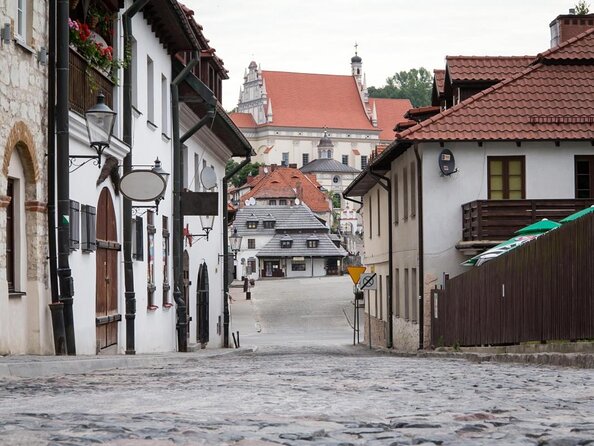
- Kazimierz to Podgórze: Follow the story from centuries of Polish and Jewish coexistence to the Nazi occupation and Krakow Ghetto.
- Artur and Renata: Guides Artur and Renata have been singled out for clear explanations, empathy, and lively storytelling.
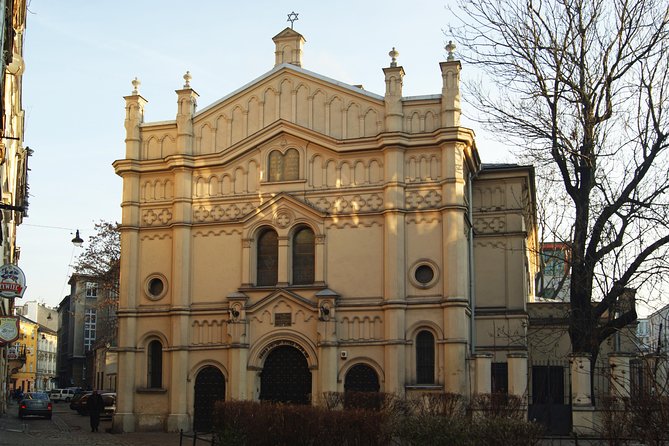
- Synagogue choices: The three-hour option includes either the Moorish-style Tempel Synagogue or the Old Synagogue museum.
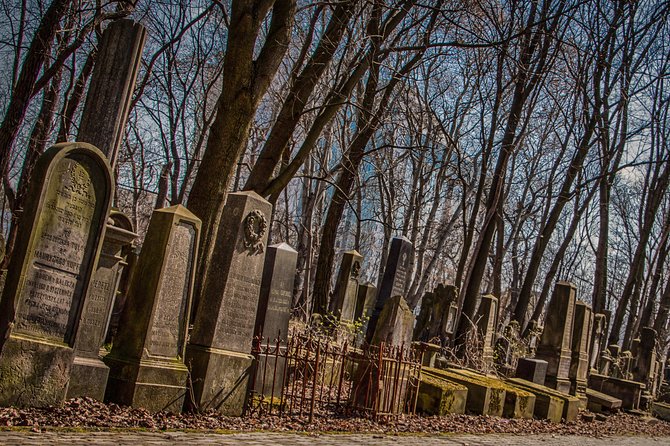
- Four-hour upgrade: Add the Remah Synagogue, a second synagogue, and the Old Jewish Cemetery, with graves linked to notable Polish Jews.
- Schindler’s story: See the former Enamel Factory and places connected with the events behind Schindler’s List, but not the museum interior.
- Private and flexible: The tour is offered in several languages, with wheelchair access and free cancellation up to 24 hours before departure.
Why this route helps you understand Krakow
Krakow’s Jewish quarter is not simply a collection of old buildings. Kazimierz was a place where Polish and Jewish communities lived alongside one another for centuries, with homes, shops, religious schools, and places of worship close together.
A guide gives those streets a human scale. Instead of seeing Szeroka Street as a photogenic row of restaurants and old façades, you learn how it functioned as part of Jewish life. The route then shows how German occupation broke that world apart, first through restrictions and forced relocation, then through deportation and murder.
I value this kind of walking tour because the geography matters. The short distance between Kazimierz and Podgórze can otherwise feel like an ordinary city crossing. Here, it becomes part of the story. You see where Jewish life had been established, then where the Nazis confined Krakow’s Jewish population in the ghetto.
The tone is serious, as it should be, but the tour also covers customs, religious practice, and daily life before the war. That balance matters. You are not shown only sites of suffering. You are introduced to a community that existed long before the Holocaust and continues to shape Krakow today.
Other Jewish Quarter and Kazimierz walks:
- Krakow: Jewish Quarter and Former Ghetto Tour
★ 4.9 · 1,441 reviews - Krakow: Bike Tour of Old Town, Jewish Quarter and the Ghetto
★ 4.9 · 1,155 reviews - Krakow: Kazimierz Jewish Quarter Walking Tour
★ 4.8 · 571 reviews
Starting at Miodowa 16 in Kazimierz
Meet your guide in front of the Kazimierz Hotel at Miodowa 16. The hotel is only a meeting point, so do not go inside looking for a tour desk.
From here, the route moves through the heart of Kazimierz. You should expect steady walking on city streets, with the full route crossing into Podgórze and covering the former ghetto area. The tour lasts two, three, or four hours, so choose the length with your attention span and walking comfort in mind.
The private format is especially useful here. The subject raises questions that a fixed group lecture may not address. With a private guide, you can ask about Jewish customs, wartime events, the film connections, or the meaning of a particular building as soon as it catches your attention.
Guides speak English, French, German, Italian, Polish, Russian, and Spanish. The tour is wheelchair accessible, though the route includes city streets and religious sites, so it is sensible to confirm any specific access needs before departure.
Szeroka Street and the old Jewish quarter
Szeroka Street is one of the most important early stops. Its old Jewish houses, restaurants, and other establishments give you a visible sense of the district’s former role.
The street is also a useful place to hear about the period before World War II. Your guide explains how Jewish and ethnic Polish cultures coexisted in Kazimierz, and how religious practice shaped daily routines. This context keeps the later wartime section from becoming a list of dates and names.
You will see the Tempel Synagogue, the Remah Synagogue, the Old Synagogue, and the Jewish Square as part of the Kazimierz walk. In the two-hour option, the synagogue visits are not included as ticketed interiors. The route still gives you the wider setting, but you should select a longer option if entering a synagogue is important to you.
The district also has a modern social life, with restaurants and businesses occupying historic streets. That can create a slightly strange contrast. You may be looking at a lively café area while hearing about a community that was nearly destroyed. A good guide helps you hold both realities together without turning the area into a theme park.
Tempel Synagogue or the Old Synagogue
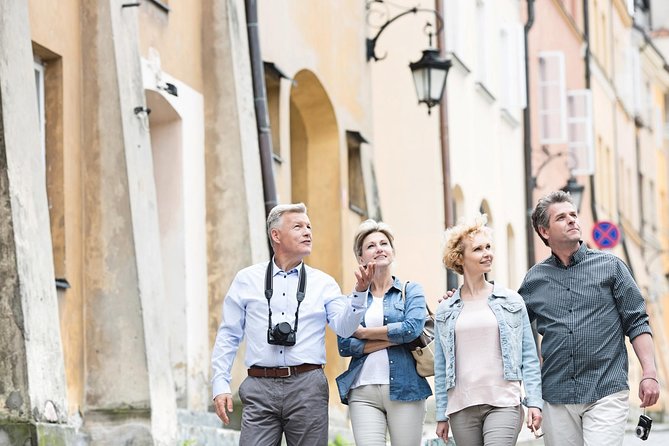
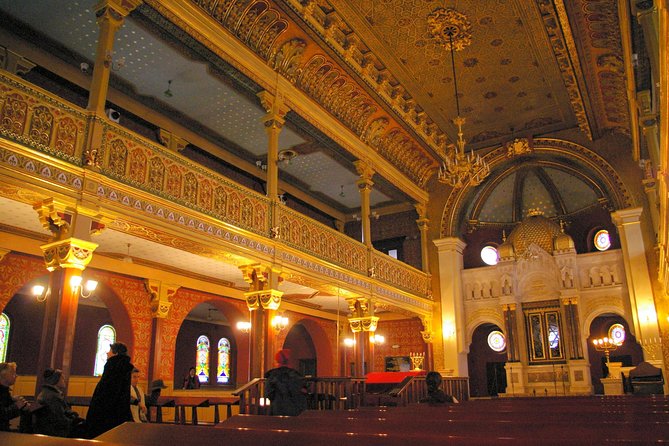
The three-hour tour adds entry to one synagogue. You visit either the Tempel Synagogue or the Old Synagogue, depending on your preference and the building’s opening hours.
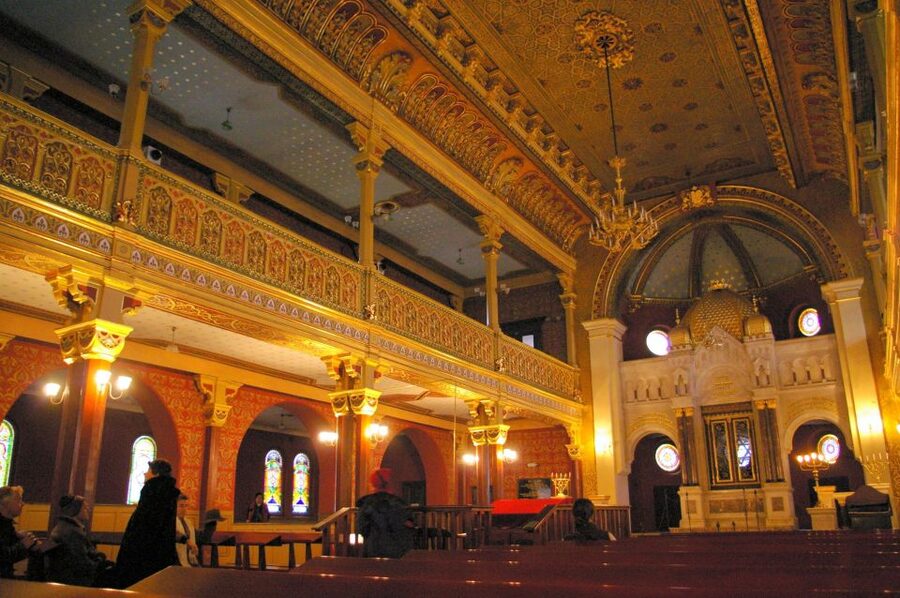
The Tempel Synagogue dates from the 19th century and is known for its Moorish-style interior. If you choose this site, the value is visual as well as historical. The interior gives you a clearer sense of the setting in which Jewish religious and community life developed in modern Krakow.
The Old Synagogue dates from the 15th century and now houses a museum devoted to Jewish culture and history in Krakow. This is the more museum-focused choice, useful if you want objects and displays alongside the guide’s explanation.
The choice is not always entirely yours. Opening schedules affect which synagogue can be visited, and Jewish heritage sites close on Saturdays, Jewish holidays, and during prayer times. The Tempel Synagogue is generally open Monday through Thursday and Sunday from 10 a.m. to 6 p.m., with shorter Friday hours. In winter, its hours are shorter again. The Old Synagogue is open Monday from 10 a.m. to 2 p.m., and Tuesday through Sunday from 10 a.m. to 5 p.m.
Check the schedule for your date rather than assuming the preferred interior will be available. If you are set on one particular building, contact the provider before booking.
A few more Krakow half days to consider
- From Krakow: Auschwitz-Birkenau Guided Tour & Hotel Pickup
★ 4.5 · 33,358 reviews - From Krakow: Auschwitz-Birkenau Guided Tour & Hotel Pickup
★ 4.5 · 29,340 reviews - Krakow: Auschwitz Guided Tour with Optional Hotel Pickup
★ 4.5 · 15,280 reviews - Krakow–Zakopane: Cable Car, Chocholow Baths, Cheese & Vodka
★ 5.0 · 10,720 reviews
Remah Synagogue and the Old Jewish Cemetery
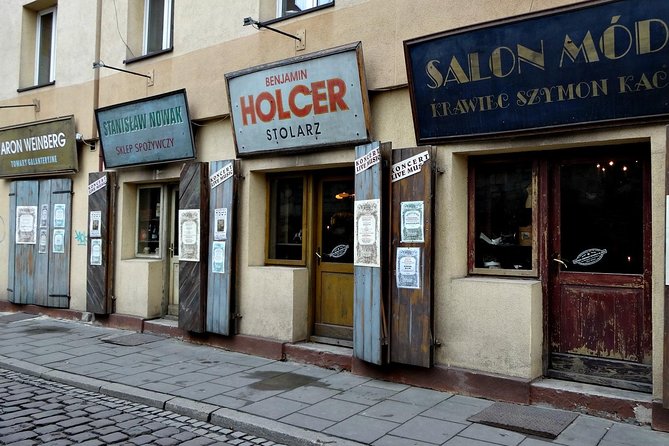
The four-hour option is the strongest choice for anyone with a serious interest in Jewish heritage. It includes the Remah Synagogue, the Old Jewish Cemetery, and either the Tempel Synagogue or Old Synagogue.
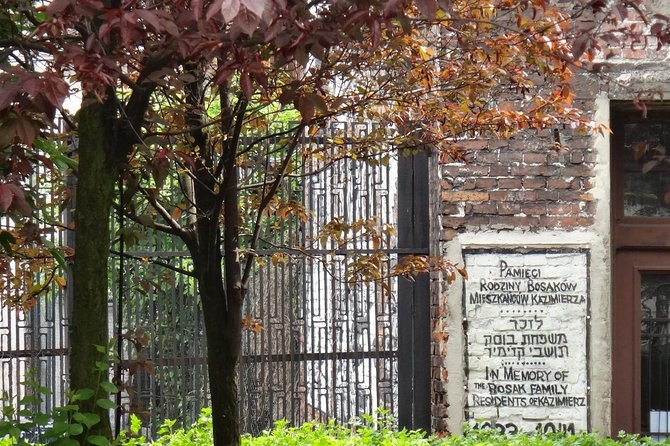
The Remah Synagogue remains an active place of worship and has an important role in preserving Polish Jewish heritage. Its courtyard walls contain inscriptions remembering local Jews who died in the Holocaust. That combination of religious use and memorial purpose gives the site a direct, present-day weight.
The Old Jewish Cemetery adds another layer. You see graves connected with notable Polish Jews, including Rabbi Moses Isserles, Avraham Yehoshua Heschel, and Yossele the Holy Miser. The cemetery is not just a quiet stop between larger attractions. It places Jewish intellectual, religious, and community life within a longer timeline.
The four-hour route includes two synagogue visits in total: Remah and either Tempel or Old Synagogue. Tickets to the cemetery and the synagogues are included only in this longest option. If you are comparing prices, this is where the extra time has a clear purpose rather than simply adding more walking.
Crossing to the former Krakow Ghetto
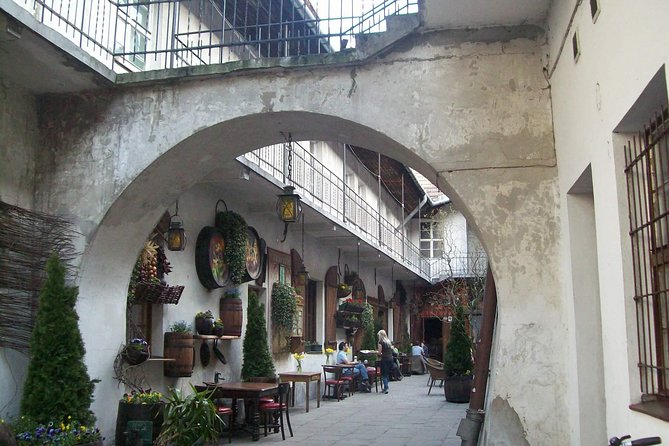
The route then continues to Podgórze, where the Nazis established the Krakow Ghetto for Jewish residents. Your guide explains the forced deportations that followed, including the deportation of people to Auschwitz-Birkenau and other concentration camps.
Ghetto Heroes Square is a key stop. Its memorial gives the wartime story a physical location and helps you understand the scale of the forced movement through the district. The tour does not treat the square as an isolated monument. It connects the site with the streets around it and with the people who were confined there.
This part of the walk is emotionally harder than the earlier Kazimierz section. Plan your time and energy accordingly. The two-hour route gives you the main wartime outline, while the longer tours allow more time for synagogue interiors and additional discussion.
A private guide can also adjust the pace. If you want more explanation at the square, you can stay with the subject instead of being hurried to the next stop. That is one of the clearest benefits of booking privately.
Schindler’s Enamel Factory and the film connection
The tour includes Oskar Schindler’s Enamel Factory and explains the real people and events that inspired Steven Spielberg’s Schindler’s List. This is useful for film fans, but the site needs a careful explanation.
You see the factory from outside. Entry to the factory museum is not part of this experience. One person booked the tour expecting to go inside and was disappointed after walking there only to see the exterior. I would treat this stop as a historical location within the walking route, not as a museum visit.
The guide’s job here is to separate the real story from the film version. You hear about Schindler, the factory, and the wartime setting, while also placing those events in the broader history of the ghetto. That makes the stop more meaningful than a simple film-location photo.
If the museum interior is a priority, arrange a separate ticket and visit. Do not assume the four-hour option changes this, since its added tickets cover the synagogues and Old Jewish Cemetery, not the factory museum.
How the three tour lengths compare
The options are easy to compare once you focus on what you want from the day.
Two hours: This is the brisk introduction. You walk through Kazimierz and the former ghetto, see the main synagogue exteriors and streets, visit Ghetto Heroes Square, and see Schindler’s factory from outside. It works well if you have limited time or want a broad orientation before exploring Krakow on your own.
Three hours: This is the best middle option for many people. You get the full walking route plus entry to one synagogue, either Tempel or Old Synagogue. The extra hour gives the religious and cultural story more substance.
Four hours: Choose this if Jewish history is a main reason for your visit. You add the Remah Synagogue and Old Jewish Cemetery, and you also enter either Tempel or Old Synagogue. The longer route costs more time, but it gives you the most complete treatment of the sites named here.
At $100 per person, the price is not a budget walk, especially for one person. The value improves for a private group because the guide’s time is focused on you rather than a large crowd, and the three- and four-hour options include admission tickets. The two-hour version makes sense if you mainly want orientation and wartime context. If you already know you want synagogue interiors, paying for the longer option is more efficient than adding tickets and trying to arrange the route yourself.
Guide quality and the feel of the tour
The guide can make or break a subject this sensitive. Artur has been praised for professional, empathetic storytelling and for explaining difficult historical links in a clear way. A separate three-hour walk with him was described as informative without becoming dull, helped by the private setting and the chance to discuss the past in greater detail.
Renata has also led a strong route through the old quarter and the ghetto, explaining both history and customs while pointing out the key sites. These names are useful when you book, but guide availability can change, so do not treat a particular person as guaranteed unless the booking confirms it.
The best feature of the guiding style is the balance between facts and meaning. You are not simply handed a string of dates. You hear how places functioned, how war changed them, and how Jewish identity and remembrance remain visible in Krakow.
That said, two to four hours is a lot of serious material. If you want a light sightseeing stroll, this may feel heavy. I would schedule it when you can give the subject your full attention rather than squeezing it between unrelated attractions.
Practical advice before you book
Read the selected option carefully. The number of attractions changes sharply between two, three, and four hours, and the ticket inclusions are not the same.
Check the day and season. The Tempel Synagogue has shorter winter hours, the Old Synagogue has its own schedule, and all Jewish heritage sites may close on Saturdays, Jewish holidays, or during prayer. The three-hour visit may therefore switch between Tempel and Old Synagogue.
Wear comfortable shoes. The route links Kazimierz with Podgórze and the former ghetto, so this is a walking experience rather than a short cluster of indoor visits.
Look for an email the day before departure. It may contain important meeting information or changes. Remember to meet outside Kazimierz Hotel at Miodowa 16, not inside.
The tour offers free cancellation up to 24 hours before departure and a reserve-now, pay-later option. Those policies help if your Krakow schedule is still moving, but the more important booking choice is the tour length.
Who should book this Krakow Jewish history tour?
I would recommend it to you if you want a clear account of Krakow’s Jewish past and need help connecting sites across two districts. It suits first-time visitors, history-minded people, film fans who want the real story behind Schindler’s List, and anyone who prefers a private guide to a large group.
The three-hour option is the sensible choice for most people. You get the main route and one meaningful interior, without committing half a day to a single subject.
Choose four hours if you want the cemetery, Remah Synagogue, and a second synagogue. The extra time is worthwhile for those who care about religious practice, notable Jewish figures, and memorial sites.
I would skip the tour only if you want to enter Schindler’s museum and assumed that was included, or if your schedule allows only a very casual walk. For everyone else, this is a thoughtful, well-structured way to understand a part of Krakow that cannot be separated from Poland’s modern history.
FAQ
Where does the tour begin?
Meet your guide in front of the Kazimierz Hotel at Miodowa 16 in Krakow. The hotel is only the meeting point, so do not enter it for the tour.
How long does the tour last?
You can choose a two-hour, three-hour, or four-hour private walking tour.
Is the tour private?
A private group option is available. The experience includes a private walking tour and a licensed guide in the language selected at booking.
Which languages are available?
Guides are available in English, French, German, Italian, Polish, Russian, and Spanish.
Does the tour enter Schindler’s Enamel Factory?
No. The route visits Oskar Schindler’s Enamel Factory from outside. Entry to the factory museum is not included.
Which synagogue is included on the three-hour tour?
The three-hour tour includes either the Tempel Synagogue or the Old Synagogue. The choice depends on your preferences and the synagogue’s opening hours.
What is added on the four-hour tour?
The four-hour tour includes the Remah Synagogue, the Old Jewish Cemetery, and either the Tempel Synagogue or the Old Synagogue. Tickets for these sites are included in that option.
Is the tour wheelchair accessible?
Yes, the activity is listed as wheelchair accessible. Jewish heritage sites and synagogues may be closed on Saturdays, Jewish holidays, and during prayer times.
Recently added in Krakow
- Auschwitz-Birkenau and Krakow Private Car Trip from Katowice★ 4.3 · 3 reviews
- Wawel Castle, Old Town with St. Mary’s Church Guided Tour★ 5.0 · 3 reviews
- Wawel Castle, Cathedral, Rynek Underground Tour with Lunch★ 5.0 · 3 reviews
- From Krakow: Chocholow Thermal Hot Springs (hotel pick up)★ 5.0 · 3 reviews
- Private tour to Zakopane and Thermal Baths from Krakow★ 5.0 · 3 reviews
- Legends of Cracow ROBOTIC SHOW★ 4.0 · 3 reviews
- From Krakow: Zakopane and Thermal Pools Guided Trip★ 5.0 · 3 reviews
- Guided Beer Tour in Krakow★ 4.5 · 3 reviews
Jewish Quarter & Kazimierz Tours, compared.

Bike Tour of Old Town, Jewish Quarter and the Ghetto
Read our review →
Kazimierz, Schindler’s Factory & Ghetto Guided Tour
Read our review →
Bike Tour of the Old Town, Kazimierz, and the Ghetto
Read our review →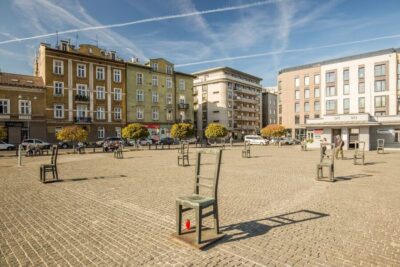

Jewish Quarter and Ghetto Electric Golf Cart Tour
Read our review →
Where else this one turns up