
Reviewed · JEWISH QUARTER & KAZIMIERZ TOURS
Krakow: Jewish Ghetto Walking Tour
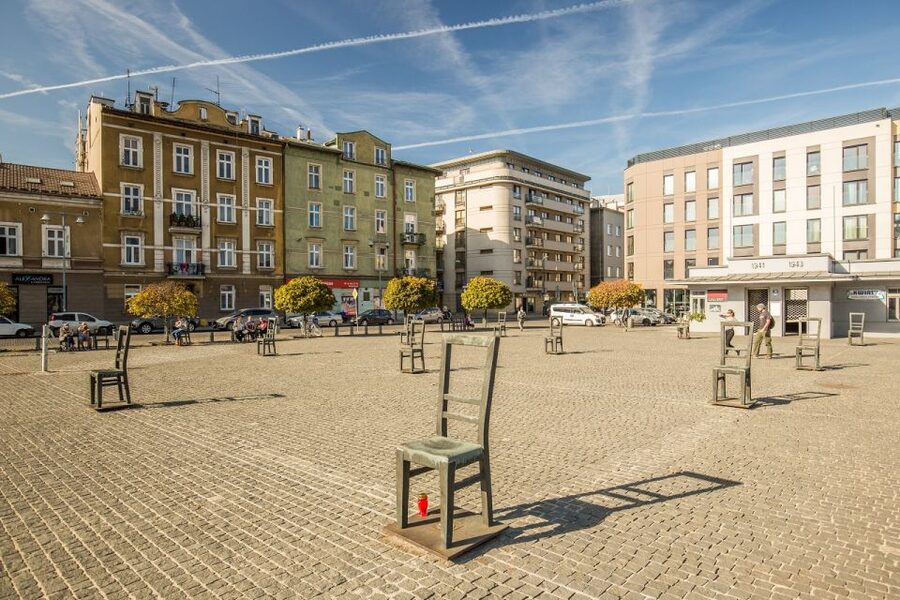
Krakow’s former Jewish ghetto is not a place you simply glance at and move on from. In Ghetto Heroes’ Square, empty chairs mark the forced removal of Jewish residents, while nearby streets still hold the buildings where thousands were crowded together during the war. The hour-long walk gives these quiet places a human shape.
I like two things here: the short, focused route works well after a busy day in Krakow, and the guide helps you notice details you could easily miss alone. The surviving ghetto wall and Under the Eagle pharmacy add real weight to the walk. The main consideration is that one hour allows only a compact introduction, and entry to the pharmacy costs extra.
Key points to know before you book
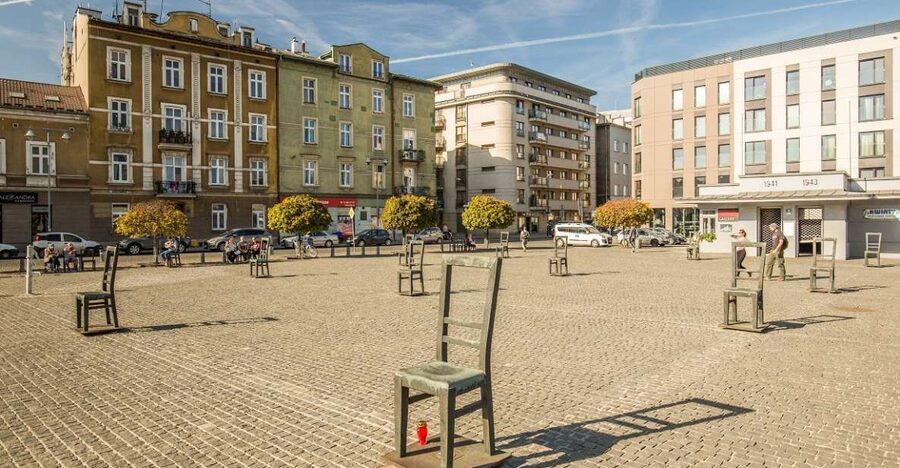
- Ghetto Heroes’ Square: Visit the place where Krakow’s Jewish residents were identified and sent to concentration camps.
- A surviving ghetto wall: See an original fragment that now serves as a memorial and pilgrimage site.
- Cramped wartime housing: Walk past buildings where thousands of displaced Jews were forced to live.
- Under the Eagle pharmacy: Finish at the famous pharmacy, with admission available for an extra fee.
- A guide-led history walk: Ask questions and hear the story in English, Italian, Spanish, German, or French.
- One-hour format: A useful choice if you want context without committing to a long walking tour.
Why Podgórze matters to Krakow’s wartime story
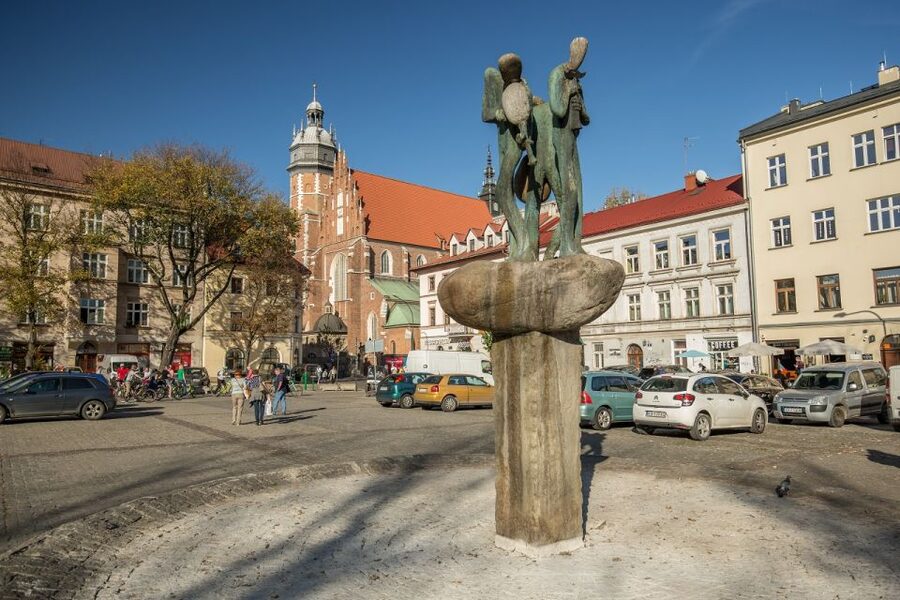
The walk takes place in Podgórze, across the river from Krakow’s historic center. During World War II, this district became the site of the Jewish ghetto, where Jewish residents were forced from their homes and confined in harsh conditions.
That past is not hidden behind a museum door. It appears in ordinary streets, apartment buildings, a fragment of wall, and a public square. I find that this makes the tour especially useful for first-time visitors. You do not need to arrive with a detailed grasp of Krakow’s wartime history. The guide connects the places in front of you to the people who lived through them.
The setting also calls for a respectful pace. This is not a cheerful city stroll with a few historical facts added on. It is a sober walk through a place shaped by persecution, displacement, and murder. The tour’s purpose is remembrance, and it also points toward the need to prevent such crimes from happening again.
More Walking Tours in Krakow
- Old Town Krakow & Wawel Castle Walking Tour
★ 5.0 · 1,508 reviews - Creepy Krakow: 2-Hour City Walking Tour
★ 4.7 · 1,131 reviews - Krakow: The Old Town Walking Tour
★ 4.8 · 794 reviews
Starting at Schindler Factory Museum
The meeting point is at the entrance to the Schindler Factory Museum. Look for a guide carrying an excursions.city sign. This is a practical starting place because the museum is closely tied to Krakow’s World War II story, even though museum admission is not part of this walking tour.
You should arrive with enough time to find the entrance and identify the guide. The meeting instructions are simple, but the area can feel busy if you are moving between several Krakow sights. Once the group gathers, the route continues on foot through Podgórze.
The activity lasts one hour, so expect a brisk, concentrated walk rather than a slow afternoon outing. That timing is one of its strengths. You can fit it around the Schindler Factory Museum, a visit to Kazimierz, or other plans in Krakow. It also suits you if your feet are already tired from a full day in the city.
Ghetto Heroes’ Square and the empty chairs
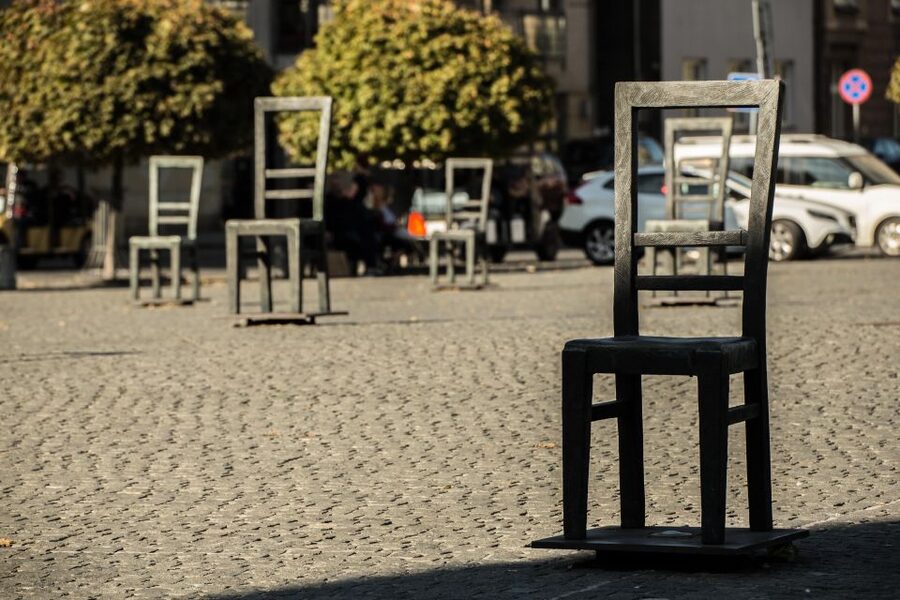
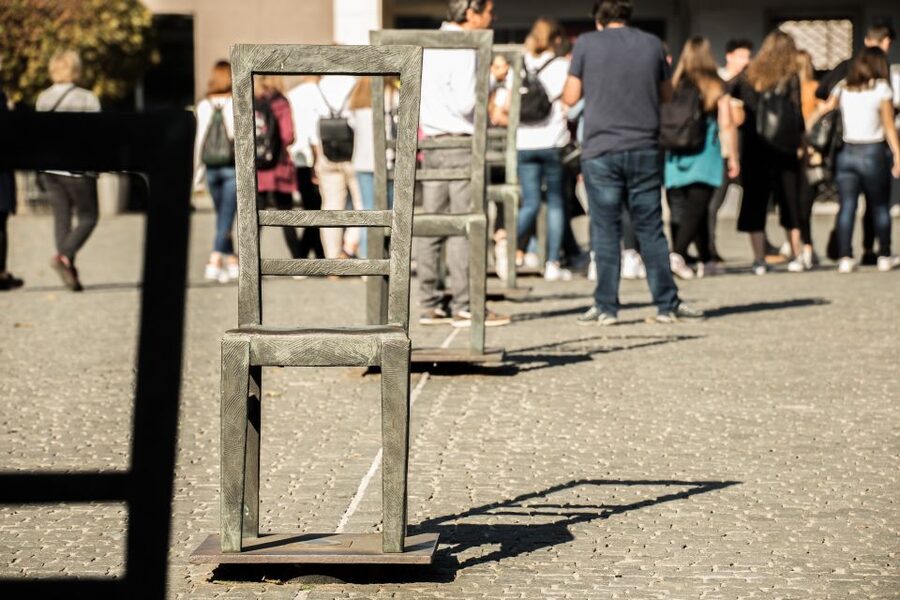
A central stop is Plac Bohaterów Getta, known in English as Ghetto Heroes’ Square. During the German occupation, Jewish residents of Krakow were identified and sent away from this area to concentration camps.
Today, the square is marked by rows of empty chairs. The chairs create a plain but powerful image of absence. They suggest the homes, shops, and families that were stripped from the district. A guide can explain why the square matters, helping you see it as more than an attractive open space on a city map.
This is likely the emotional center of the walk. You may want to pause here instead of treating it as a quick photo stop. The tour gives you a framework for understanding what happened, while the square itself leaves room for quiet reflection.
The stop is also useful for orientation. From here, the story moves from a public place of departure to the streets and buildings where people were held. That shift makes the scale of the ghetto easier to grasp.
The surviving wall fragment
The next part of the walk includes a remaining piece of the wall that surrounded the Jewish ghetto. The wall is now a memorial and a place of pilgrimage for many Jewish people visiting Krakow from abroad.
It is easy to pass a fragment like this without understanding what it represents. The guide explains its connection to the ghetto and helps place it in the wider story of forced separation. You see how a physical barrier controlled movement and helped turn a neighborhood into a prison.
Do not expect a large, fully preserved fortification. What remains is a fragment. Its power comes from its connection to the people confined behind it, not from its size. If you want a tour built around grand buildings or lavish interiors, this will feel modest. If you want direct contact with the physical traces of the ghetto, it is one of the most meaningful stops.
Other Jewish Quarter and Kazimierz walks:
- Krakow: Jewish Quarter and Former Ghetto Tour
★ 4.9 · 1,441 reviews - Krakow: Bike Tour of Old Town, Jewish Quarter and the Ghetto
★ 4.9 · 1,155 reviews - Krakow: Kazimierz Jewish Quarter Walking Tour
★ 4.8 · 571 reviews - Krakow: Kazimierz, Schindler’s Factory & Ghetto Guided Tour
★ 4.8 · 460 reviews
The buildings where thousands were crowded together
The route continues past buildings where thousands of displaced Jews lived in cramped conditions. These are not only historic landmarks. They are residential buildings that show how the ghetto occupied an ordinary part of the city.
This is where a guide adds real value. Without explanation, you might see a row of old buildings and walk on. With context, you can consider how many people were forced into limited space and how quickly normal private life disappeared.
One visitor from Poland noted that personal stories made the walk more memorable and that, without a guide, it would have been easy to miss the important buildings. That is a fair description of the tour’s main benefit. The streets do not always announce their own history. You need someone to point out what happened where.
The walk does not promise entry into private buildings or a long examination of each address. The value is in seeing the district as a whole and understanding how the ghetto functioned. For a deeper study, you would need to add a museum visit or a longer history program.
Under the Eagle pharmacy
The final stop is Under the Eagle pharmacy, one of the best-known places connected with the Krakow ghetto. The pharmacy operated during the war, and its location links the public square and surrounding buildings to the people who tried to survive there.
The tour includes a stop at the pharmacy, but the entry ticket is not included in the $15 price. Check the current admission arrangements when booking if you want to go inside. This matters because the walk and the museum-style interior are separate parts of the experience.
I like ending here. The pharmacy brings the story down to a human scale. Instead of thinking only about borders, deportations, and numbers, you can focus on a place where daily needs continued under impossible conditions.
Because the total activity lasts only an hour, the pharmacy stop may be brief. You should not book this expecting a long guided museum visit with extensive time inside. Think of it as the final piece of a compact neighborhood walk, with optional admission afterward.
What the guide adds to the experience
A live guide leads the walk and provides the historical explanation in English, Italian, Spanish, German, or French. That range makes the tour useful for international visitors who want more than a self-guided route.
The strongest praise has focused on the guides’ ability to explain the area clearly and bring in personal knowledge. Aga, named by one participant, was especially appreciated for sharing her connection to the city and speaking with passion. You cannot assume a particular guide will lead your departure, but the experience is built around having a real person explain the places as you see them.
A good guide also helps with tone. The history here is painful, and a thoughtful explanation matters. You want facts without a rushed recital, and room to understand why each place carries meaning. The available feedback points to guides who keep the hour informative and well paced.
The tour does not include food, drinks, or transport. That is not a major weakness for a one-hour walk, but plan accordingly. You are paying for the guide and the interpretation of the district, not a full-day package.
Is $15 a fair price for one hour?
At $15 per person, this is a reasonable price if you want a clear introduction to Podgórze and do not want to plan the route yourself. The cost covers a live guide, several significant sites, and the benefit of seeing details that are easy to overlook.
The value depends on your expectations. If you already know the ghetto’s history well and are happy reading plaques or following a map, you may prefer to walk independently. If you are new to Krakow, the guide can save time and give meaning to places that otherwise seem ordinary.
The short duration also keeps the commitment low. One participant specifically liked the timing after spending the day walking around town. That makes sense: one hour is enough to add historical depth without taking over your entire schedule.
Remember to budget separately for entry to Under the Eagle pharmacy. The walk still functions without that extra ticket, but going inside gives you a fuller experience if the museum is open and you want more than the exterior stop.
Who will get the most from this walk?
I would recommend this tour to first-time Krakow visitors, history-minded travelers, and anyone planning to visit the Schindler Factory Museum. It is also a good fit for you if you want a serious subject explained in manageable pieces.
Families with older children may find the one-hour format easier than a long museum tour, though the subject matter is difficult. The walk may also suit you if you have limited time in Krakow but want to understand more than the main square and castle.
You may want something longer if you are researching Jewish Krakow in detail. This tour focuses on the former ghetto in Podgórze. It does not replace a broader exploration of Kazimierz, Krakow’s former Jewish district, or a full museum visit.
Wear comfortable shoes because the route is on foot. The information provided does not give a group size or a detailed accessibility description, so ask the provider if either point is important to your plans.
Booking details that matter
You can cancel up to 24 hours before the activity for a full refund, and you can reserve now while paying later. That flexibility is useful when Krakow weather or a packed sightseeing plan may change.
Departure times vary, so check availability for your chosen date. The guide waits at the entrance to the Schindler Factory Museum with an excursions.city sign. The experience is offered in English, Italian, Spanish, German, and French.
Since the route is short, arriving late could mean missing a key stop. Give yourself time to reach the museum entrance and find the guide before the scheduled start.
Should you book the Krakow Jewish Ghetto walk?
Book it if you want a short, serious, guide-led introduction to Podgórze. The combination of Ghetto Heroes’ Square, the surviving wall, the cramped housing blocks, and Under the Eagle pharmacy gives you a strong sense of the district’s wartime story in one hour.
Skip it if you want an extensive museum experience or a tour that covers every part of Jewish Krakow. For most visitors, though, $15 is a fair price for the context a guide provides. You will leave with a clearer understanding of what you are seeing, and that makes the ordinary streets of Podgórze much harder to overlook.
FAQ
How long does the Jewish Ghetto walking tour last?
The tour lasts one hour.
How much does the tour cost?
The listed price is $15 per person.
Where is the meeting point?
Meet at the entrance to the Schindler Factory Museum. Look for a guide holding an excursions.city sign.
Is entry to Under the Eagle pharmacy included?
No. The entry ticket to Under the Eagle pharmacy is not included in the tour price.
What languages are available?
The live tour guide can lead the activity in English, Italian, Spanish, German, or French.
Can I cancel the booking?
Yes. You can cancel up to 24 hours in advance for a full refund.
Do I have to pay when I reserve?
No. The reserve now and pay later option lets you book your place without paying immediately.
Recently added in Krakow
- Auschwitz-Birkenau and Krakow Private Car Trip from Katowice★ 4.3 · 3 reviews
- Wawel Castle, Old Town with St. Mary’s Church Guided Tour★ 5.0 · 3 reviews
- Private tour to Zakopane and Thermal Baths from Krakow★ 5.0 · 3 reviews
- Wawel Castle, Cathedral, Rynek Underground Tour with Lunch★ 5.0 · 3 reviews
- From Krakow: Chocholow Thermal Hot Springs (hotel pick up)★ 5.0 · 3 reviews
- Legends of Cracow ROBOTIC SHOW★ 4.0 · 3 reviews
- From Krakow: Zakopane and Thermal Pools Guided Trip★ 5.0 · 3 reviews
- Guided Beer Tour in Krakow★ 4.5 · 3 reviews
Jewish Quarter & Kazimierz Tours, compared.

Bike Tour of Old Town, Jewish Quarter and the Ghetto
Read our review →
Kazimierz, Schindler’s Factory & Ghetto Guided Tour
Read our review →
Bike Tour of the Old Town, Kazimierz, and the Ghetto
Read our review →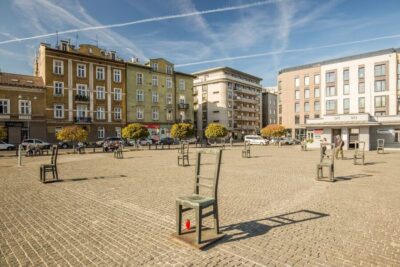

Jewish Quarter and Ghetto Electric Golf Cart Tour
Read our review →
Where else this one turns up