
Reviewed · MUSEUMS
Kraków: Guided Tour of the Torture Museum
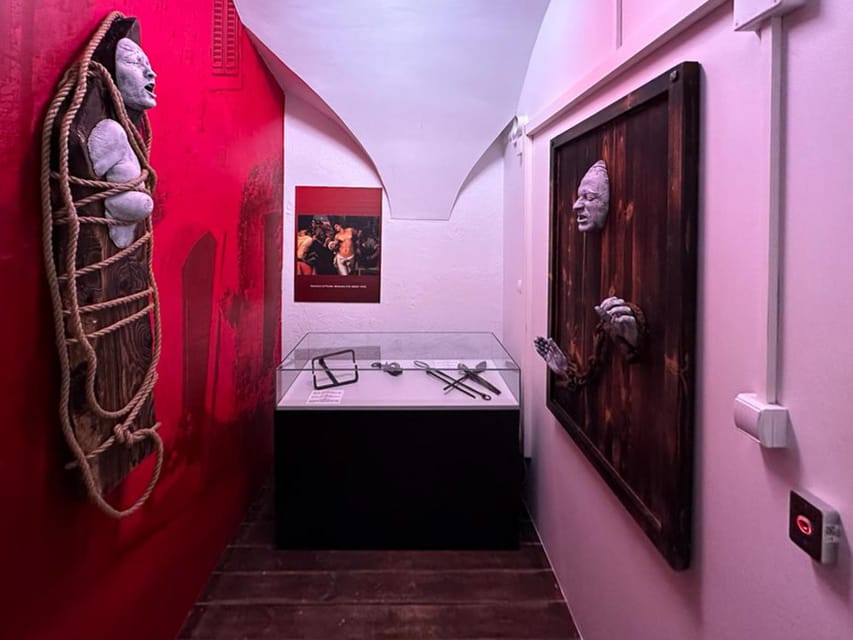
Kraków’s Torture Museum skips the usual royal halls and church interiors. Instead, you enter a grim display of punishment devices, from medieval iron maidens to the guillotine associated with the French Revolution, while an executioner and his aides set the tone. It is a compact, theatrical look at how people were punished across the centuries.
I like the small group of up to 10, since that gives you a better chance to hear the guide and take part in the questions. I also like the one-hour format. It is long enough to tell a focused story, yet short enough to fit between Kraków’s major sights.
The main drawback is the subject itself. This is not a gentle museum visit, and the gruesome displays and sarcastic humor will not suit everyone. The collection is also presented as a compact attraction, so you should book it for the unusual theme and guided storytelling, not for a full-day museum experience.
Key points to know before you go
- Floriańska 10 location: The museum is at a central Kraków address, making it easy to add to a day in the Old Town.
- Medieval to modern devices: You see punishment tools presented as part of a long development in cruelty and justice.
- A guided, theatrical visit: An executioner and his assistants help create the macabre atmosphere.
- Kamil’s lively approach: Kamil is praised for involving the group, explaining the devices clearly, and using humor.
- One hour from activation: The ticket is valid for one hour after you first use it, so plan your timing carefully.
- $9 admission: At this price, it offers a low-cost way to add a very different attraction to your Kraków plans.
Entering the Torture Museum at Floriańska 10
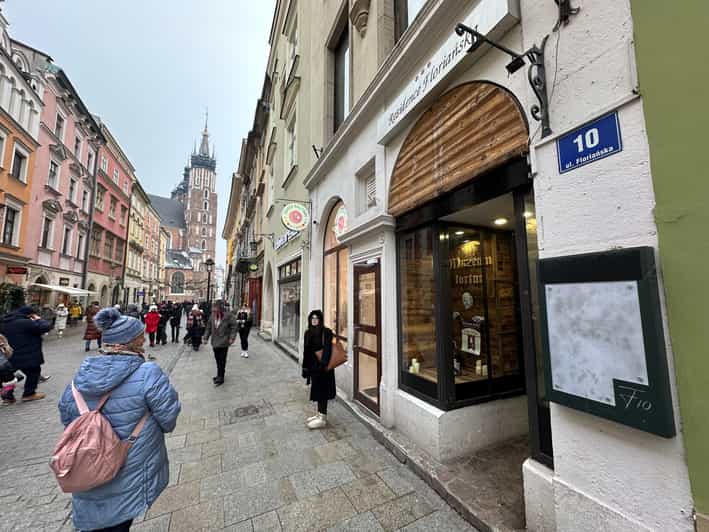
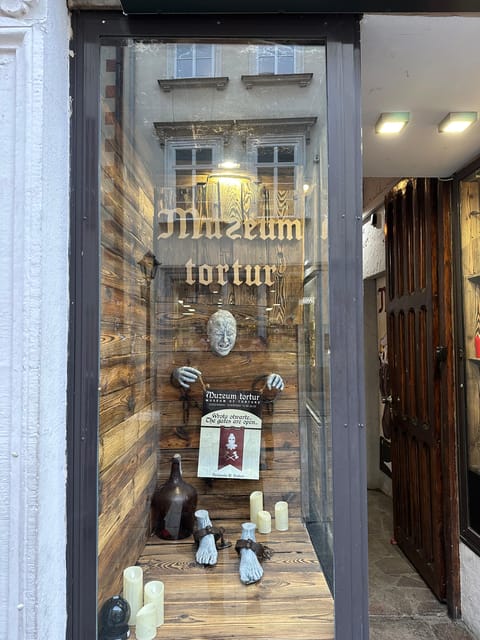
The museum sits at Floriańska 10, a useful location if you are already walking through Kraków’s central streets. You do not need to build a separate day around it. The visit fits well before or after other Old Town stops, especially when you want something shorter and more offbeat than another large historical interior.
The entrance sets up the mood at once. The museum is guarded by an executioner and his aides, turning the arrival into part of the show rather than a simple ticket check. That theatrical touch matters here. The displays are disturbing, but the presentation also uses dark humor, so the experience is meant to feel like a guided performance as well as a museum visit.
You should expect the tone to be macabre and sometimes sarcastic. If you prefer quiet labels and a solemn museum setting, this may feel too playful. If you enjoy historical oddities and a guide who keeps the group involved, the approach gives the hour more energy.
More Museum Tours in Krakow
- Auschwitz-Birkenau Museum and Memorial Guided Tour from Krakow
★ 4.5 · 1,510 reviews - Krakow: Rynek Underground Museum Guided Tour
★ 4.6 · 1,122 reviews - Krakow Schindler’s Factory Museum Guided Tour in English
★ 4.5 · 650 reviews
A guided tour through punishment across the centuries
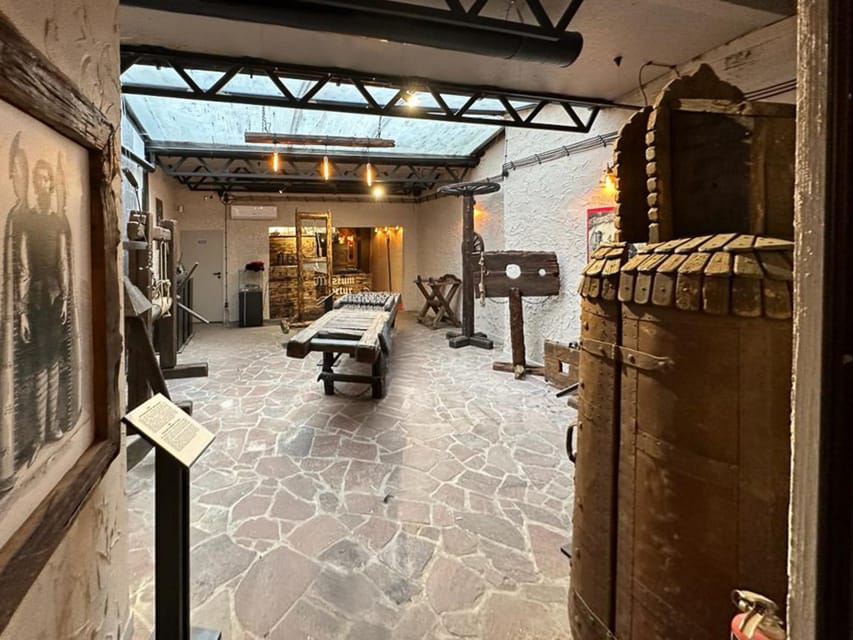
The central idea is the evolution of punishment, from medieval practices to modern times. You see detailed reconstructions of devices used to inflict pain, punish crimes, or carry out executions. The collection is designed to show the many ways human societies created systems of control and punishment.
The guide supplies the meaning behind the objects. Without that explanation, a display of iron frames, blades, and restraints could become a quick walk past strange props. With a live English-speaking guide, the devices become part of a larger story about cruelty, fear, and changing ideas of justice.
I would pay attention to how the tour moves between the old and the more recent. The point is not only that medieval punishment was brutal. The displays also suggest that cruelty did not simply vanish with the Middle Ages. The journey toward modern times gives the visit a sharper edge and prevents it from becoming a simple collection of old weapons.
The material is presented through reconstructions, so you are seeing representations of torture devices rather than a promise that every item is an original working instrument. That makes the tour accessible, but it also means you should treat it as an interpretive attraction with a strong dramatic style.
The devices, from iron maidens to the guillotine
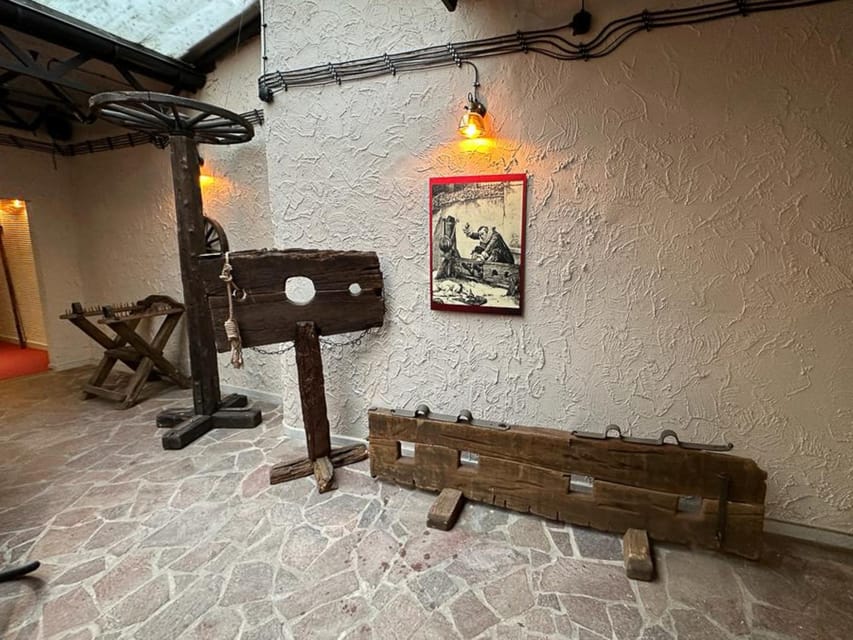
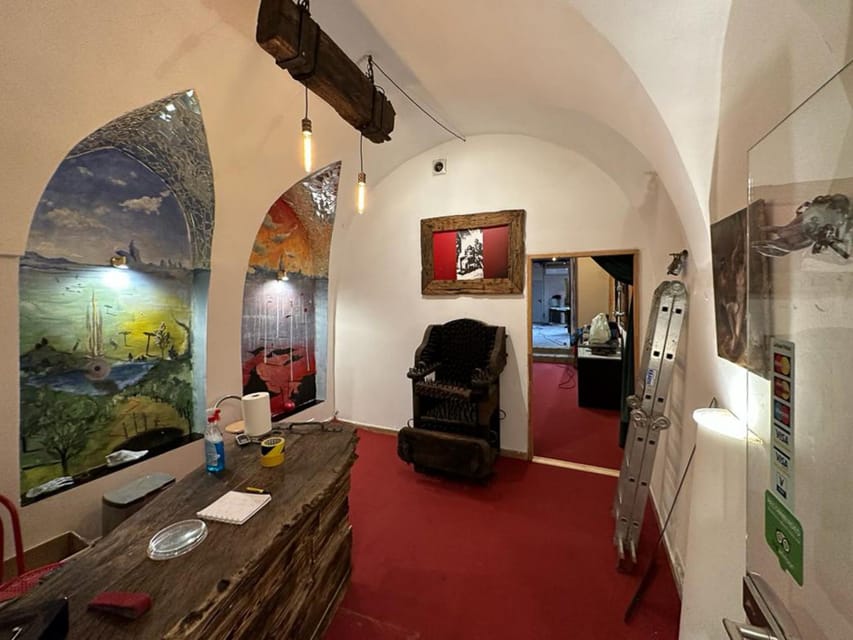
The collection includes medieval devices such as iron maidens, along with the guillotine associated with the French Revolution. These objects provide the visual center of the visit. Even if you know the broad outlines of European punishment, seeing the devices arranged together creates a more immediate impression of how methodical the process could be.
The guillotine is likely to attract the most attention because it connects the museum to a famous period of political upheaval. Its design also makes the idea of efficient execution especially stark. The museum uses it as part of the wider story of punishment, rather than treating the French Revolution as an isolated subject.
The medieval devices offer a different kind of lesson. Their shapes can seem almost unreal, but the guide’s explanations help place them within the museum’s account of punishment. You may find the reconstructions more useful when you listen for what they reveal about public fear, authority, and the desire to make punishment visible.
The display is not meant to be comfortable. Some people will find the subject fascinating, while others may find the images and descriptions excessive. I would not choose this attraction for young children without first considering how they respond to frightening material. The provided information does not give an age recommendation, so you should make that call based on your own family.
Why the guide matters more than the objects
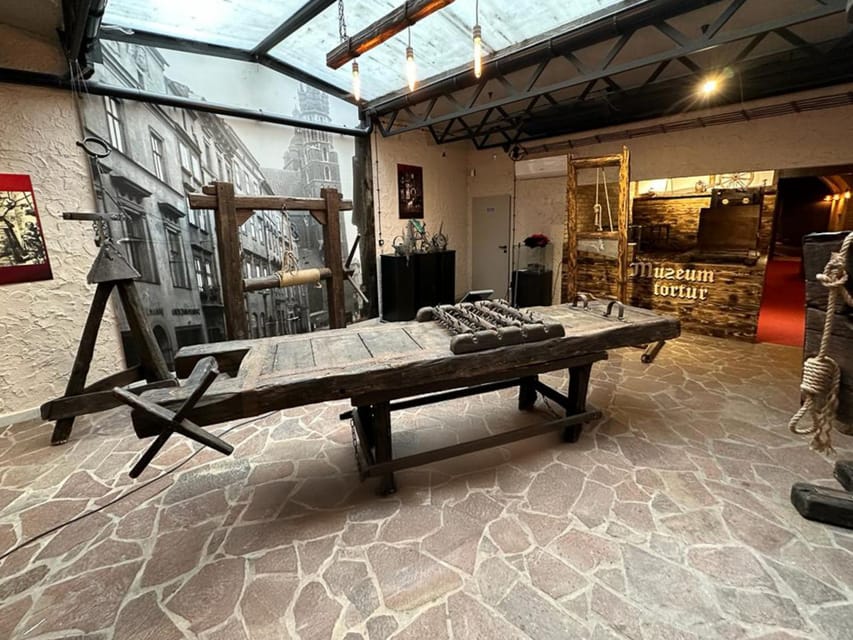
This is the kind of attraction where the guide can shape the whole visit. The tour includes a sarcastic host who brings the details to life, and Kamil is specifically praised for his involvement, clear explanations, and ability to make the hour memorable.
That style can help you stay engaged with a difficult topic. A completely serious lecture about torture might become heavy, while a purely comic presentation could feel careless. The stated format aims for a mix of explanation and dark humor. You should expect jokes, questions, and an effort to draw you into the discussion.
Kamil’s reported strength is audience involvement. That means you may not simply trail behind a guide reading labels. You might be asked to consider how a device worked or what made a punishment frightening. The small group limit of 10 supports this style, since it is easier for a guide to speak with individuals in a close setting.
The humor is also the point where personal taste matters most. Sarcasm can make the material easier to handle, but it may not work for you if you want a sober account of historical violence. I would book this tour for the combination of grim subject matter and theatrical presentation, not if you are looking for a formal academic lecture.
A different kind of day in Krakow:
- From Krakow: Auschwitz-Birkenau Guided Tour & Hotel Pickup
★ 4.5 · 33,358 reviews - From Krakow: Auschwitz-Birkenau Guided Tour & Hotel Pickup
★ 4.5 · 29,340 reviews - Krakow: Auschwitz Guided Tour with Optional Hotel Pickup
★ 4.5 · 15,280 reviews - Krakow–Zakopane: Cable Car, Chocholow Baths, Cheese & Vodka
★ 5.0 · 10,720 reviews
What the one-hour visit feels like
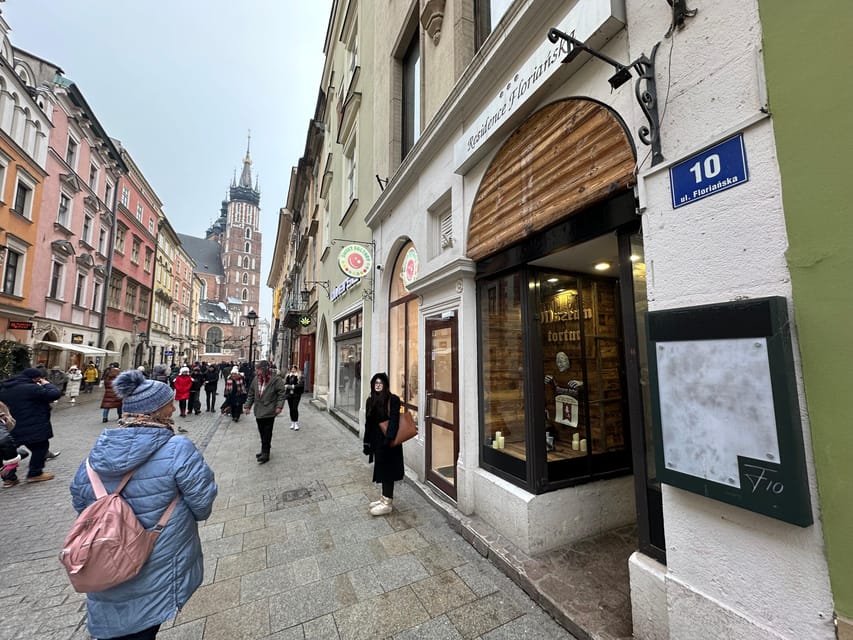
The ticket is valid for one hour from first activation. That gives you a clear, contained visit, but it also means you need to avoid activating the ticket too early. Plan to begin when you are ready to enter and take part in the guided presentation.
The exact order of the displays is not specified, so I would not expect a fixed list of numbered rooms or guaranteed stops beyond the main themes. You can expect the tour to cover the medieval and modern devices, the development of punishment, and the notable guillotine display.
A one-hour tour is a useful length for this subject. The museum can make its point without asking you to spend half a day looking at distressing objects. You can also combine it with other Kraków plans without giving up a large block of time.
At the same time, the short duration limits how far the subject can go. If you want detailed social, legal, or political context for every device, you may find the tour too brief. The value lies in a focused introduction, strong atmosphere, and a guide who keeps the pace moving.
Getting value from the $9 ticket
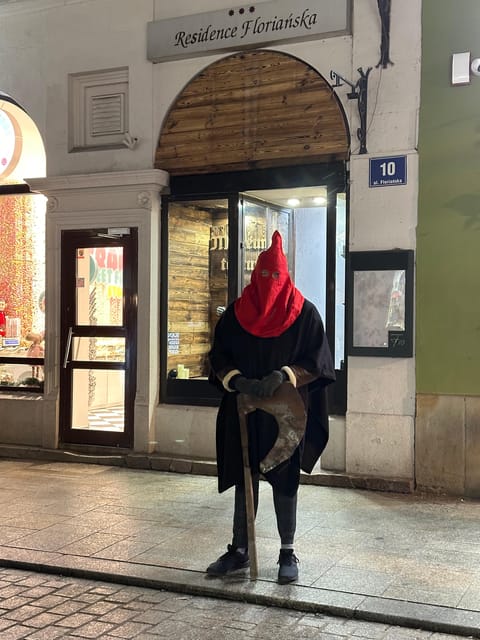
At $9 per person, this is one of the easier Kraków activities to add to your budget. You are paying for a guided hour in English, not simply access to a room of displays. The guide, small group, and unusual subject improve the value compared with a self-guided stop where you would have to interpret the devices alone.
The price is especially reasonable if you want variety in your Kraków schedule. The city offers major churches, market squares, and art collections, but a torture museum gives you a different way to think about European history. It is a low-cost change of pace.
I would judge the ticket by your interest in the format. If you enjoy macabre attractions, the price is easy to justify. If you dislike staged presentations or find torture displays upsetting, even a low admission price may not feel worthwhile.
The booking terms also reduce some planning risk. You can cancel up to 24 hours in advance for a full refund, and you can reserve now and pay later. Those options are useful if your Kraków schedule is still changing, though the one-hour validity after activation still calls for careful timing.
Accessibility, language, and group size
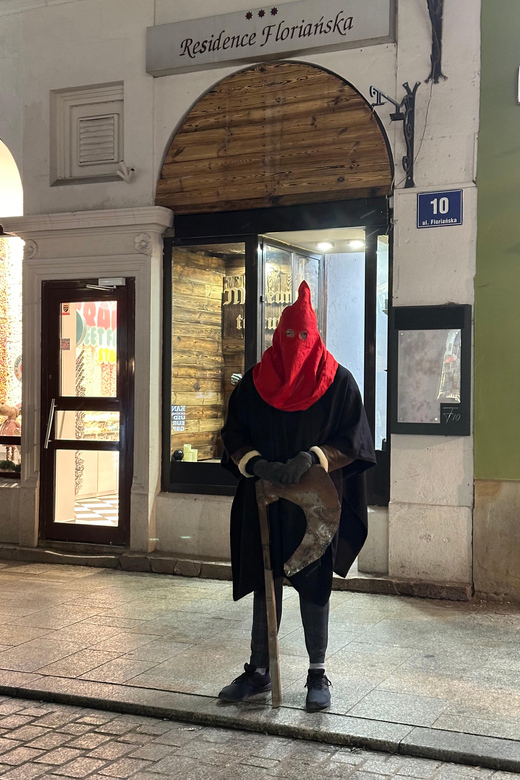
The tour is offered in English with a live guide. If you want a guided visit in another language, this activity does not list that option. The language detail is important because the stories and humor are central to the experience, not an extra layer.
The museum is listed as wheelchair accessible. That makes the activity more practical for visitors who need step-free access, although the provided details do not explain the exact route, door widths, seating, or restroom arrangements. If you have specific mobility needs, confirm those points before booking.
The small-group limit is 10 people. This is one of the strongest practical features because the museum’s value depends on hearing the guide and staying connected to the presentation. A smaller group should also make it easier to ask questions or follow the commentary around the devices.
The experience provider is Araneus Sebastian Wadycki. The guide may be Kamil, whose presentation is described as fun, involving, and clear. Since guide assignments can vary, treat Kamil’s style as a useful indication of the tour’s tone rather than a guarantee for every departure.
Who will enjoy this Kraków attraction
I would recommend this museum to adults and older teens who enjoy unusual history, dark tourism, and guided attractions with a theatrical edge. It is a good choice when you have already seen some of Kraków’s standard sights and want something that feels less predictable.
It also suits you if you like short activities. One hour is enough to add the museum before dinner, after a walk through the Old Town, or between longer visits. The central Floriańska 10 address makes that timing easier.
The tour may not suit visitors who are sensitive to descriptions of torture, execution, or bodily harm. It may also disappoint you if you want original artifacts, extensive historical documentation, or a quiet museum atmosphere. The display centers on reconstructions, storytelling, and mood.
I would also think about your group before booking. A person who enjoys dry humor may find the sarcastic host entertaining, while someone seeking a solemn memorial-style experience may not. The museum does not pretend to be a cheerful attraction, but it does use humor to make the material manageable.
Practical tips for a better visit
Book the tour when you can give it your full attention for the entire hour. Since the validity begins with first activation, do not start the ticket while you are still finishing lunch or walking to Floriańska 10.
Arrive ready for a guided presentation rather than a quick photo stop. The devices are the visual draw, but the explanations and audience involvement are what turn them into a coherent visit.
Keep your expectations in line with the price and duration. You are not buying a large institution with a full research collection. You are buying an intense, compact tour that presents medieval and modern punishment through reconstructions and dark humor.
If you are traveling with children, use your own judgment. The supplied information confirms the subject and the gruesome displays but does not provide a specific age rule. Consider the child’s comfort with frightening topics before you add it to the day.
Should you book the Torture Museum?
Book it if you want a short, inexpensive, unusual Kraków experience with an English guide and a strong theatrical mood. The $9 price, central location, one-hour length, and group limit of 10 make it easy to fit into a busy Old Town schedule.
I would especially choose it for a group that enjoys dark humor and wants more than standard sightseeing. Kamil’s engaging style is a real plus when he leads the tour, and the mix of medieval devices, modern punishment, and the French Revolution guillotine gives the visit a clear theme.
Skip it if torture displays are likely to upset you, or if you want a quiet museum with long historical explanations. This attraction works best when you accept its grisly subject, compact format, and sarcastic presentation. For the right audience, it is a memorable way to spend one hour in Kraków.
FAQ
Where is Kraków’s Torture Museum located?
The museum is located at Floriańska 10 in Kraków, Lesser Poland, Poland.
How long is the Torture Museum tour?
The ticket is valid for one hour from the first activation.
What language is the guided tour offered in?
The live guided tour is offered in English.
How much does admission cost?
The listed price is $9 per person.
What will I see inside the museum?
You will see detailed reconstructions of torture devices from medieval times through the modern period, including iron maidens and a guillotine associated with the French Revolution.
How many people can join the small group?
The group is limited to 10 participants.
Is the museum wheelchair accessible?
Yes. The activity is listed as wheelchair accessible.
Can I cancel or pay later?
You can cancel up to 24 hours in advance for a full refund. You can also reserve your place and pay later.
Recently added in Krakow
- Auschwitz-Birkenau and Krakow Private Car Trip from Katowice★ 4.3 · 3 reviews
- Wawel Castle, Old Town with St. Mary’s Church Guided Tour★ 5.0 · 3 reviews
- Private tour to Zakopane and Thermal Baths from Krakow★ 5.0 · 3 reviews
- Wawel Castle, Cathedral, Rynek Underground Tour with Lunch★ 5.0 · 3 reviews
- From Krakow: Chocholow Thermal Hot Springs (hotel pick up)★ 5.0 · 3 reviews
- Legends of Cracow ROBOTIC SHOW★ 4.0 · 3 reviews
- From Krakow: Zakopane and Thermal Pools Guided Trip★ 5.0 · 3 reviews
- Guided Beer Tour in Krakow★ 4.5 · 3 reviews
Museums, compared.

Auschwitz-Birkenau Museum and Memorial Guided Tour from Krakow
Read our review →POLIN Museum of the History of Polish Jews Ticket
Read our review →


Krakow Schindler’s Factory Museum Guided Tour in English
Read our review →
Auschwitz Birkenau Museum Guided Tour with Pickup
Read our review →
Where else this one turns up