
Reviewed · AUSCHWITZ-BIRKENAU MEMORIAL TOURS
Krakow: Auschwitz-Birkenau & Wieliczka Salt Mine Day Tour
Auschwitz-Birkenau and Wieliczka Salt Mine make an unusually striking pair: one is a place of terrible human suffering, the other an underground world shaped by centuries of salt mining. This 11-hour day tour lets you see both without arranging separate buses, tickets, and timed entries.
I like the smooth door-to-door transport and the fact that museum guides handle both Auschwitz sites and the mine. I also like the practical lunch option, which saves you from hunting for food during a tightly packed day. The trade-off is clear: this is a long, serious day with lots of walking, nearly 800 mine steps, and limited time to linger.
Key points at a glance
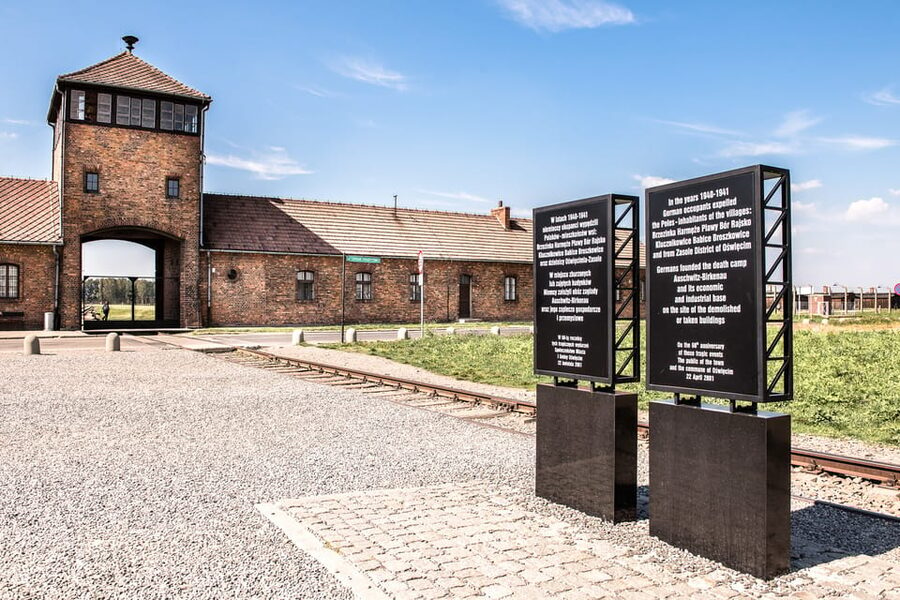
- Auschwitz I and Birkenau in one visit: Spend about two and a half hours at Auschwitz I, followed by roughly an hour at Auschwitz II-Birkenau.
- 140 meters underground: Wieliczka’s guided route covers more than 2.5 kilometers of chambers, carvings, and salt statues.
- Early pickup matters: Collection is generally between 5:30 and 7:30, with the exact time sent by SMS about 12 hours before departure.
- Lunch is option-dependent: Only selected booking options include the Polish lunch box, so check carefully before paying.
- Expect a physical day: Auschwitz includes outdoor walking on rough surfaces, while Wieliczka has stairs, inclines, and a long underground route.
- Strong organization is the main selling point: Drivers such as Michael, Lukasz, and John have been praised for punctuality, clear coordination, and patient service.
Why combine Auschwitz and Wieliczka?
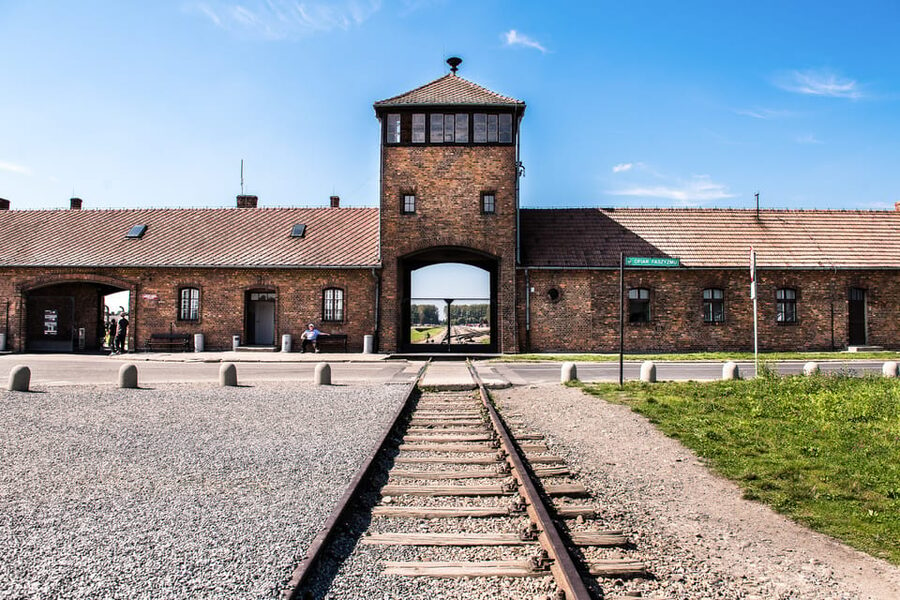
You get two of Lesser Poland’s major sights in one outing, but they serve very different purposes. Auschwitz-Birkenau asks you to confront the machinery and scale of Nazi persecution and murder. Wieliczka shows a more unusual side of Polish history, where miners carved chapels, figures, and grand chambers from rock salt.
I find the contrast useful, though emotionally demanding. Auschwitz is not a conventional sightseeing stop, and it deserves quiet attention. Wieliczka is more theatrical and visually surprising, giving the day a change of mood without making the first visit less important.
The biggest practical benefit is transport. You do not need to work out the route from Krakow to Oświęcim, transfer between the two Auschwitz sites, then reach Wieliczka at a fixed entry time. Your driver keeps the group moving, while official site guides lead the visits.
At $142 per person, the price is not the cheapest way to visit either attraction. But it includes transportation, admission, English-language guiding at all three locations, insurance, and, on selected options, lunch. If you value time and do not want to manage several separate reservations, the package can be good value.
Other guided visits to the Auschwitz-Birkenau Memorial:
- From Krakow: Auschwitz-Birkenau Guided Tour & Hotel Pickup
★ 4.5 · 33,358 reviews - From Krakow: Auschwitz-Birkenau Guided Tour & Hotel Pickup
★ 4.5 · 29,340 reviews - Krakow: Auschwitz Guided Tour with Optional Hotel Pickup
★ 4.5 · 15,280 reviews
The early start from Krakow
Pickup is available from accommodation in central Krakow and the Jewish Quarter, although the vehicle may use a nearby drop-off point at the end. Three listed pickup points are Krakow, Wielopole 2, and Floriana Straszewskiego 17.
Your exact collection time arrives by SMS around 12 hours before departure. The usual window is 5:30 to 7:30, but the pickup can occasionally be earlier than 6:00. Be outside and ready at the confirmed time, allowing up to 15 minutes for traffic or last-minute changes.
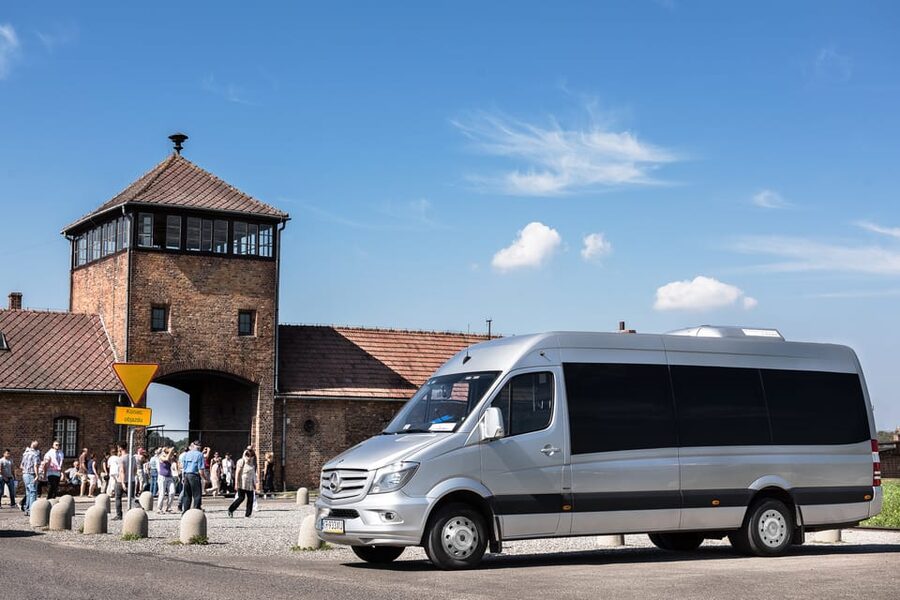
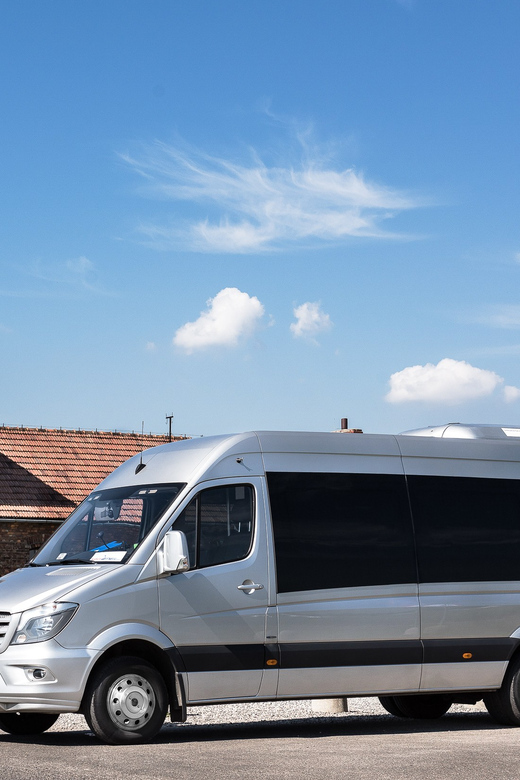
This part rewards patience. The shuttle may collect other people before leaving Krakow, and the first transfer takes about 1.5 hours. Some drivers provide useful information along the way, while others keep quiet. The minibus is generally described as clean and comfortable, though one report found the rear seats tight when a full family group occupied them.
Pack lightly. Large bags and luggage are not allowed, and you need a passport or ID card for the Auschwitz entry check.
Auschwitz I, the first memorial site
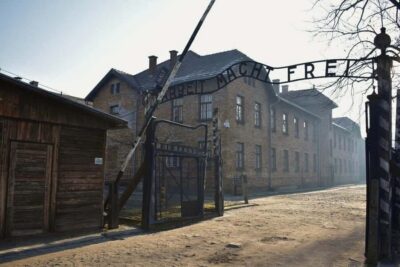
The visit usually begins at Auschwitz I, where you join an English-language museum tour lasting about two and a half hours. The guide is assigned by the memorial museum, not chosen in advance by the shuttle company, so the style can vary.
The buildings, exhibitions, and surviving camp structures make this a focused and difficult visit. You will hear about the camp’s operation and the people imprisoned there, with the guide providing the context needed to understand what you are seeing. Guides praised during recent departures included Alexandra, Anna, and Michael, although your own guide will depend on the museum schedule.
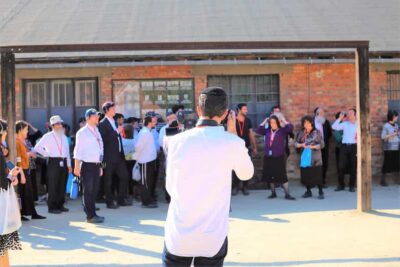
The pace is controlled by the memorial’s visitor service. That means your guide and transport company cannot freely extend the tour or change break times. In practice, the schedule can feel tight, especially when the site is busy. You get a short break of about 10 minutes before continuing, so use the toilet when you have the chance.
Auschwitz is not a place for casual photography or loud conversation. Give yourself room to listen and process what the guide explains. The visit can be emotionally heavy, and that is part of its purpose.
Birkenau and the scale of the site
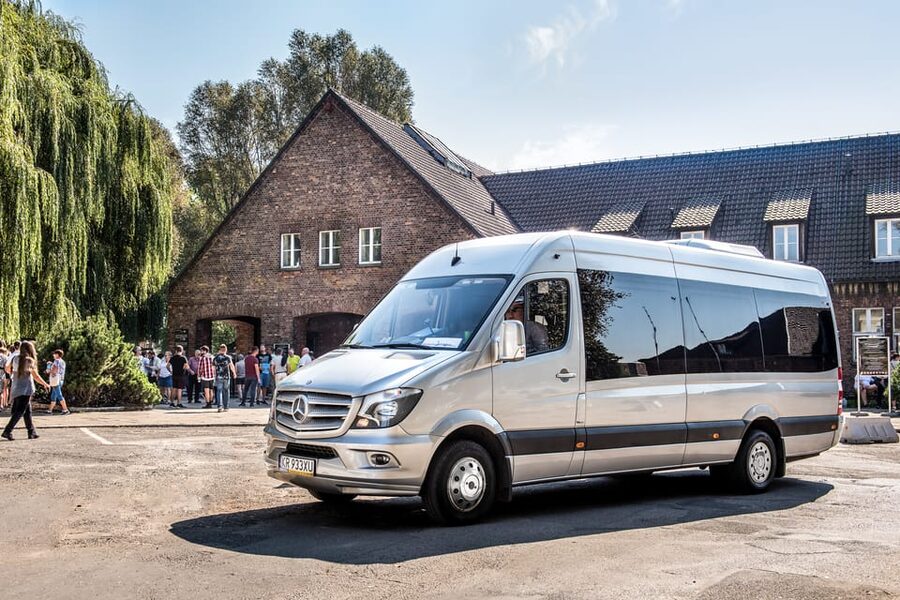
After Auschwitz I, the minibus makes the short transfer to Auschwitz II-Birkenau, about two kilometers away. You spend around an hour with the same guide, walking through the much larger camp complex.
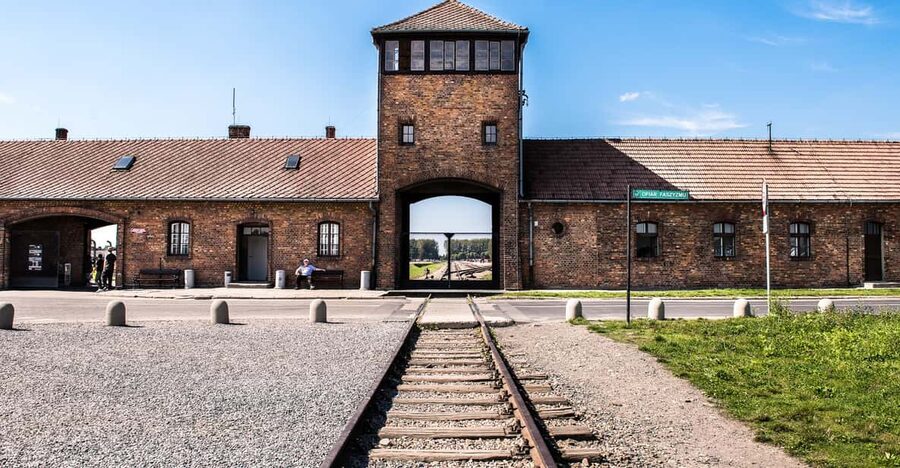
Birkenau gives you a different sense of scale. The open grounds, long lines of barracks, railway area, and broad distances help explain how the camp functioned. You are outside for much of this section, so weather matters more here than at Auschwitz I.
Bring a hat and water in hot weather, and wear shoes that can cope with uneven ground. In colder months, you will want warm layers. The walking is not technically difficult for most fit people, but the surfaces and distances can be tiring after the first museum tour.
The Auschwitz portion is often the emotional center of the day. I would not schedule a fancy dinner or another demanding activity immediately afterward. The tour moves on to Wieliczka, but you may need some quiet time later to absorb what you have seen.
More Wieliczka salt mine visits:
- From Krakow: Wieliczka Salt Mine Tour
★ 4.6 · 9,393 reviews - Krakow: Auschwitz-Birkenau and Salt Mine Guided Tour
★ 4.7 · 9,020 reviews - Krakow: Wieliczka Salt Mine Guided Tour with Transport
★ 4.4 · 7,429 reviews - Krakow: Wieliczka Salt Mine Fast-Track Ticket & Guided Tour
★ 4.5 · 5,872 reviews
Lunch between the historic sites
Lunch timing depends on the day’s order and the memorial schedule. On many departures, you stop near Auschwitz before or after the camp visit, with about 30 minutes for food.
The packed lunch box is included only in certain options. A typical box described for this tour included a fresh pasta dish, a ham and cheese roll, a chocolate wafer, water, and chewing gum. It is convenient and reportedly fresh, but a short café stop may offer a wider choice and a more relaxed meal.
I would choose the lunch box if you prefer certainty. A tight schedule leaves little room for searching for a meal, and having food ready can keep the group on time. If you care more about choice and sitting down, check whether the café stop is part of your particular departure.
Bring a small snack and drink if permitted, especially if you know you get hungry on long outings. The day includes several transfers, but there is no promise of extended free time.
Wieliczka Salt Mine at 140 meters below ground
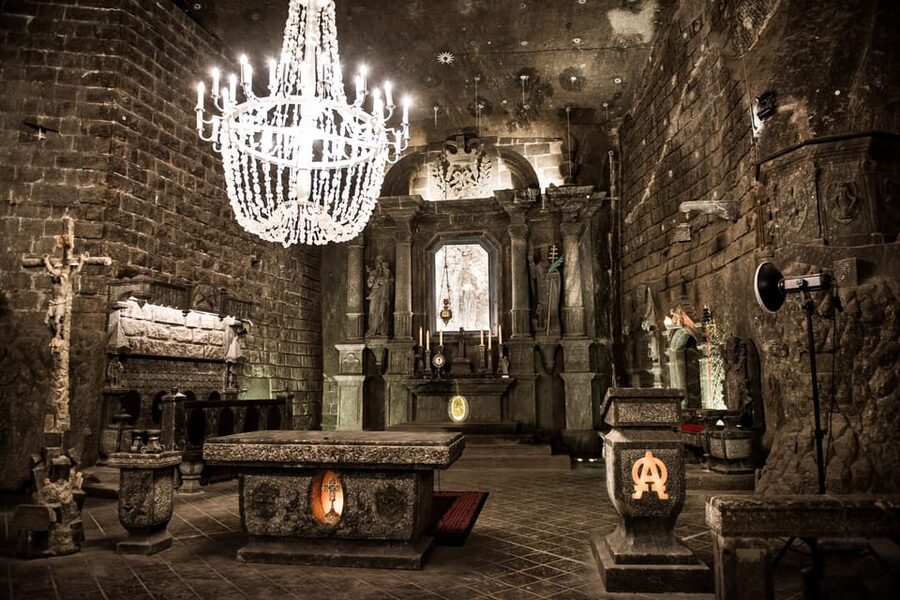
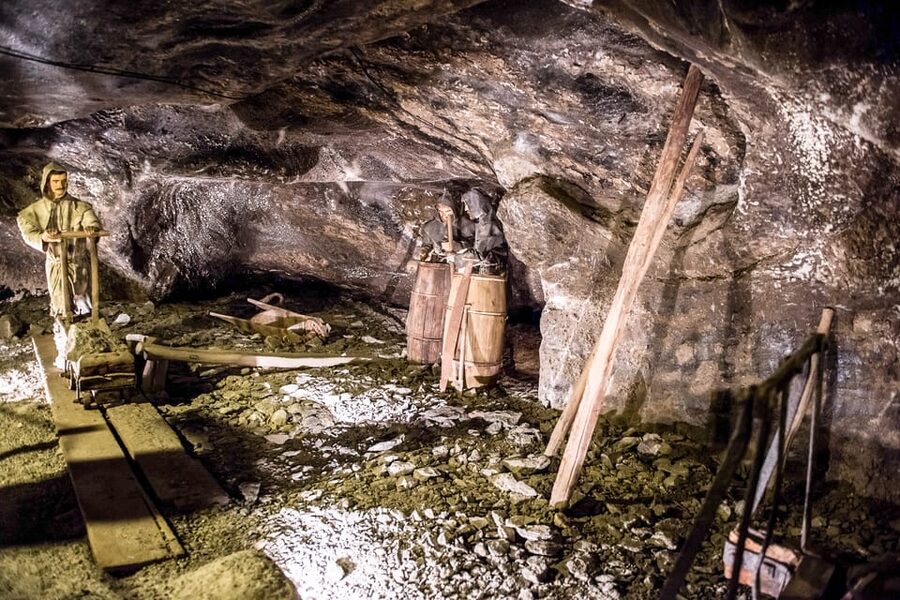
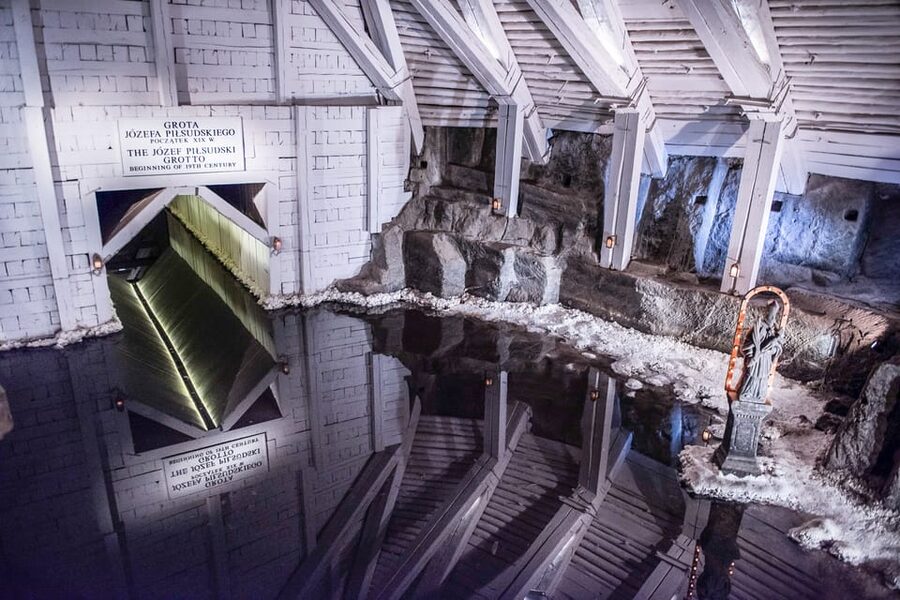
The second major visit takes you to Wieliczka, one of the world’s oldest working salt mines. Salt production here has continued for more than 700 years, and the tourist route leads you through chambers carved below ground.
The English-language mine tour lasts about two and a half hours and usually begins around 1:00 or 2:00 PM. You descend to the first level at 64 meters using 378 stairs. Across the complete route, there are around 800 steps, though a lift brings you back to the surface at the end.
The route covers more than 2.5 kilometers and reaches 140 meters underground. You see salt carvings, statues, and large chambers shaped by mining work over many generations. The mine is not simply a dark tunnel walk. The scale of the underground rooms and the craftsmanship in the salt give it a visual appeal that contrasts sharply with Auschwitz.
You will want comfortable shoes and a light jumper, since underground temperatures can feel cool even during a warm Krakow day. The route has stairs, inclines, and long stretches of walking. It is not suitable for wheelchair users, people with limited mobility, or anyone with a low fitness level. Claustrophobia and heart problems are also listed as concerns.
The mine guide is usually informative, but the level of interaction can vary. Stay with your group and listen carefully to directions, especially near the end. One departure became confusing when the guide left the group before the final lift area, and the route to the exit was not immediately clear. This is not the usual experience described for the tour, but it is a good reason not to wander off.
The lift arrangement can also vary. One lift may be more modern and spacious, while another can leave you farther from the minibus, adding a 10-minute walk to the meeting point. Follow the guide’s instructions and allow time after the tour before expecting to board immediately.
Transport, timing, and the final drop-off
The listed schedule adds up to a full day:
- About 1.5 hours from Krakow to the first site
- Around 2 to 2.5 hours at Auschwitz I
- A short break
- About one hour at Birkenau
- Roughly 1.5 hours for the longer transfer between the Auschwitz area and Wieliczka
- About 2.5 hours underground
- Around 45 minutes back to Krakow
The operator may reverse the order on some departures. Several schedules have begun at Wieliczka and continued to Auschwitz, depending on ticket availability and the memorial’s timetable. The exact sequence is less important than the total length and the fixed entry times.
The shuttle normally returns you to Krakow by late afternoon or early evening, often around 5:00 to 5:30 PM, though the stated latest arrival is about 7:30 PM. Traffic, site pacing, and the order of visits can affect this. Drop-offs include Krakow, Wielopole 2, and Floriana Straszewskiego 17. Central accommodation and Jewish Quarter addresses may receive a nearby drop-off rather than a direct return.
The transport is one of the tour’s strongest features. Drivers are generally punctual and helpful, with Michael, Lukasz, John, and other named drivers receiving particular praise for clear communication and careful coordination. Still, vehicle size and seating vary. If you strongly dislike cramped minibus rides, a private tour may suit you better.
Is $142 a fair price?
The value depends on what you would otherwise arrange yourself. At $142, you are paying for convenience as much as sightseeing.
The price covers all admission tickets, the Auschwitz I and Birkenau tours, the Wieliczka tour, transportation, insurance, and an English-speaking guide at each attraction. The skip-the-line element is especially useful at sites with timed entry, since missing a slot could disrupt the entire day.
A lunch box may cost extra through the booking choice, so compare the options rather than assuming food is included. Photo permission inside Wieliczka is not included and costs 10 zł on site.
For a short Krakow visit, I think the package earns its price. You can see both sites in one day without booking separate transfers or worrying about the route between them. If you have several days in the city and prefer slow visits, the combined format is less attractive. Separate days would give you more breathing room and make the emotional weight of Auschwitz easier to handle.
Who should book this day tour?
I would recommend it to you if you have only one free day for major sights outside Krakow, want an English-language tour, and prefer someone else to handle transport and admission. It also suits visitors who want a clear plan and do not mind an early start.
You should think twice if you have mobility limits, a heart condition, claustrophobia, or poor stamina. The mine alone includes around 800 steps and a long underground route, while Auschwitz involves extended walking outdoors.
Families should consider the emotional nature of the memorial visit. The tour may be educational and important, but it is not light entertainment. Children and teenagers need to be ready for difficult subject matter and a strict group pace.
For the best day, wear supportive shoes, carry ID, take a light layer for Wieliczka, and bring water. Make sure every booking name matches the official ID exactly. Auschwitz tickets are personalized, and an incorrect name or late name submission can lead to refused entry. Name changes may require an extra fee, and the museum tickets are non-refundable.
Should you book the Krakow Auschwitz and Salt Mine tour?
Book it if your priority is efficient coverage of two major Polish sites with transport and timed tickets taken care of. The organization, punctual pickup, and helpful drivers make a complicated day much easier, and the two attractions offer a memorable contrast.
Do not book it expecting a relaxed day. Auschwitz can feel rushed because the memorial controls the pace, and Wieliczka adds stairs, distance, and a long underground tour. If that sounds manageable, $142 is a sensible convenience price for a demanding but worthwhile day outside Krakow.
FAQ
How long does the tour last?
The activity lasts about 11 hours. Pickup times are generally between 5:30 and 7:30, though an earlier pickup is sometimes possible. Return to Krakow is usually around 5:00 to 5:30 PM, with a stated latest arrival of about 7:30 PM.
Is hotel pickup included?
Yes. Pickup is available outside your hotel, Airbnb, or private lodging when it is in the covered central Krakow or Jewish Quarter areas. After the tour, you may be dropped at the closest listed drop-off point rather than directly at your accommodation.
What name information is required for Auschwitz?
You must provide your full name and contact details during booking. The name must match your passport or ID card exactly. Incorrect or late information can result in refused museum entry.
Is lunch included?
Lunch is included only with selected booking options. Check the specific option before booking. A described lunch box included pasta, a ham and cheese roll, a chocolate wafer, water, and chewing gum.
How many stairs are there at Wieliczka Salt Mine?
There are 378 stairs to reach the first level at 64 meters underground. The full tourist route includes around 800 steps. A lift returns you to the surface after the tour.
What should I bring?
Bring your passport or ID card, comfortable walking shoes, water, and a light jumper for the mine. Large bags and luggage are not allowed. Photo permission inside the salt mine costs 10 zł and can be paid on site.
Recently added in Krakow
- Auschwitz-Birkenau and Krakow Private Car Trip from Katowice★ 4.3 · 3 reviews
- Wawel Castle, Old Town with St. Mary’s Church Guided Tour★ 5.0 · 3 reviews
- Private tour to Zakopane and Thermal Baths from Krakow★ 5.0 · 3 reviews
- Wawel Castle, Cathedral, Rynek Underground Tour with Lunch★ 5.0 · 3 reviews
- From Krakow: Chocholow Thermal Hot Springs (hotel pick up)★ 5.0 · 3 reviews
- Legends of Cracow ROBOTIC SHOW★ 4.0 · 3 reviews
- From Krakow: Zakopane and Thermal Pools Guided Trip★ 5.0 · 3 reviews
- Guided Beer Tour in Krakow★ 4.5 · 3 reviews
Auschwitz-Birkenau Memorial Tours, compared.
Auschwitz-Birkenau Guided Tour & Hotel Pickup
Read our review →Auschwitz Guided Tour with Optional Hotel Pickup
Read our review →
Auschwitz-Birkenau Guided Tour with Pickup & Lunch
Read our review →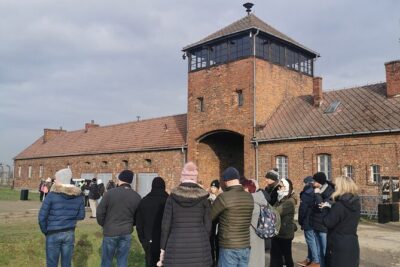
Krakow to Auschwitz Birkenau Guided Tour with Transfer and Ticket
Read our review →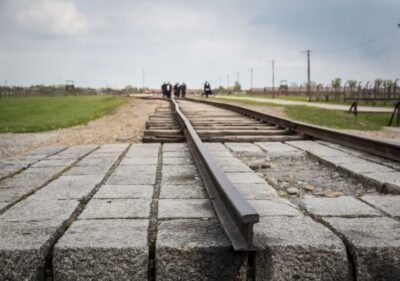
Auschwitz Birkenau Small Group Tour with Pickup
Read our review →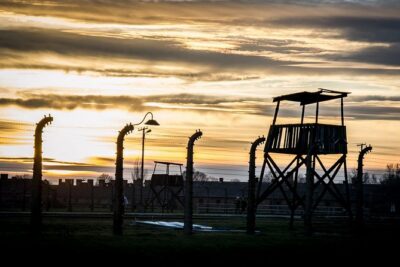
Auschwitz Birkenau Guided Tour with Ticket Hotel Pickup Small Van
Read our review →Where else this one turns up