
Reviewed · AUSCHWITZ-BIRKENAU MEMORIAL TOURS
Krakow: Auschwitz and Wieliczka Salt Mine Combo Tour
Auschwitz-Birkenau and Wieliczka Salt Mine make an unusual pair: one is a place of remembrance, the other a remarkable underground world carved from salt. This one-day tour from Krakow handles the transport and entry arrangements, letting you visit both without piecing together separate buses, tickets, and meeting points.
I like the choice of which site comes first, and I like the hotel pickup and drop-off, especially when you are unfamiliar with the area. The small minibus used on some departures can also feel easier than a full coach. The catch is the day: pickup may be as early as 4 a.m., and the full outing can last about 12 hours.
Key points to know before booking
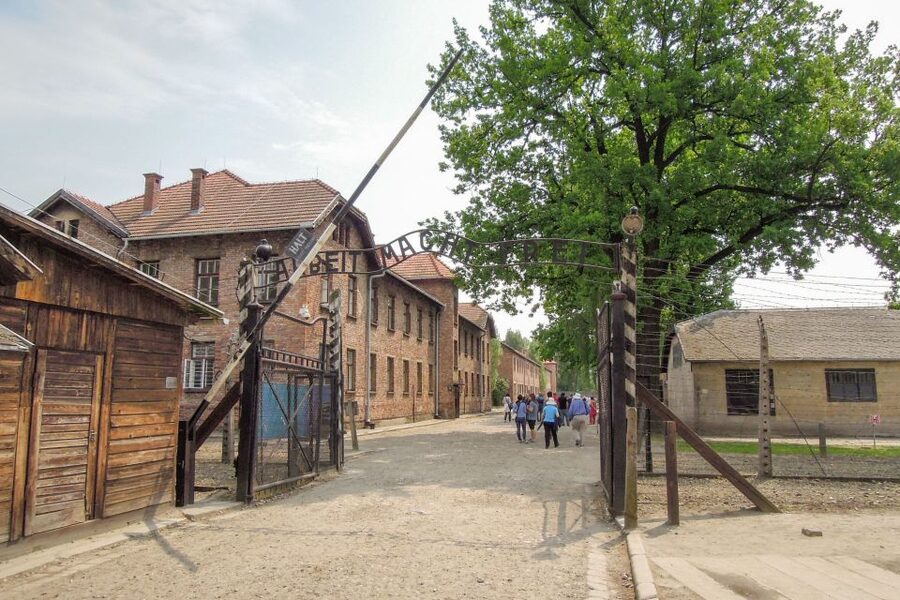
- Auschwitz includes both camps: Visit Auschwitz I and the larger Birkenau site, including barracks, watchtowers, railway ramps, gas chambers, and crematorium remains.
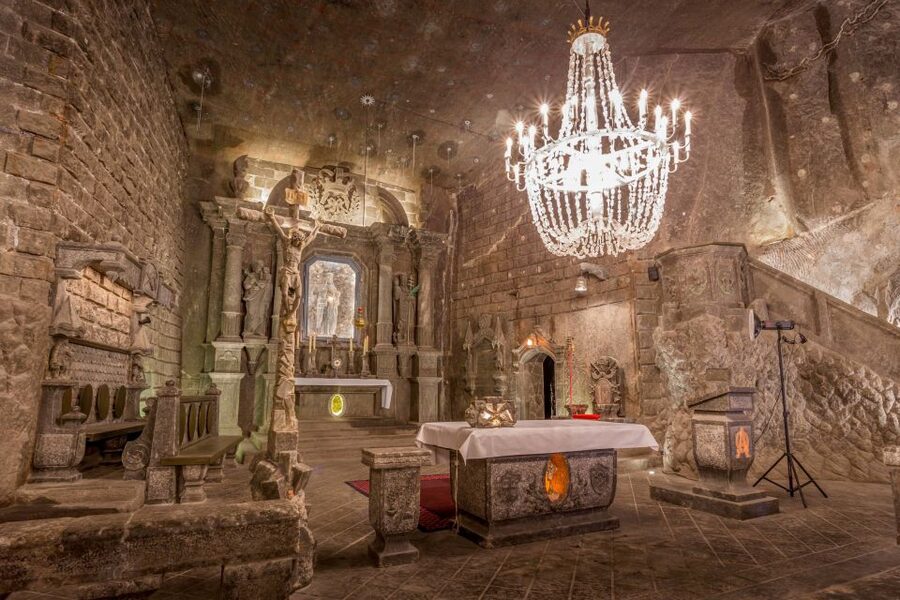
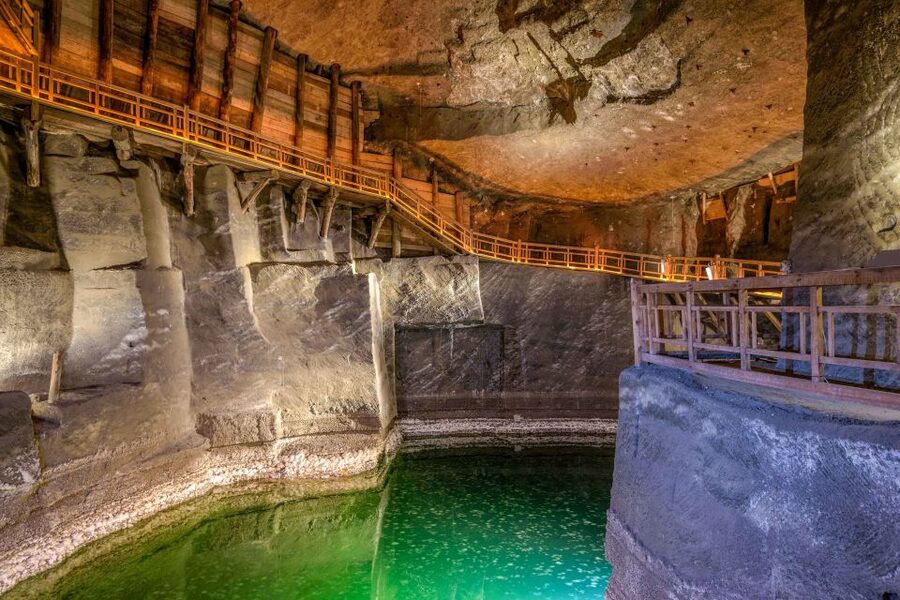
- Wieliczka means stairs and walking: You descend 378 stairs, then follow a 3-kilometer underground route through carved chambers and salt statues.
- You can choose the order: This matters if you prefer to visit Auschwitz early, or want the salt mine first.
- Early pickup may be very early: Some departures have been moved from 7 a.m. to 4 or 5 a.m. because of museum entry times.
- The small-group transport is useful: One recent departure carried eight people in a minibus, with the driver helping manage queues and stops.
- Bring matching identification: Your booking name must match your passport or ID, or entry to Auschwitz may be refused.
Two major sights, two very different days
This is not a light sightseeing outing. Auschwitz-Birkenau calls for quiet attention, while Wieliczka is a more traditional guided attraction with carvings, chambers, and a souvenir stop. Combining them gives you a powerful and varied day, but it also means switching moods and keeping your energy up.
The tour costs $181 per person. That is not a bargain in simple cash terms, but the price covers transportation, hotel pickup and drop-off, both entrance fees, and an English-speaking guide at each location. For you, the value comes from convenience and coordination rather than from a low headline price.
If you booked the two destinations separately, you would still need to arrange transport from Krakow and manage timed admission. This option is especially useful if your time in Poland is short or you do not want to work out the regional connections yourself.
The overall rating is 3.7 from 93 ratings, which suggests a mixed experience rather than a universally smooth one. The strongest pattern is clear: drivers and local guides are often praised, while timing changes and long waits cause the main frustration.
Other guided visits to the Auschwitz-Birkenau Memorial:
- From Krakow: Auschwitz-Birkenau Guided Tour & Hotel Pickup
★ 4.5 · 33,358 reviews - From Krakow: Auschwitz-Birkenau Guided Tour & Hotel Pickup
★ 4.5 · 29,340 reviews - Krakow: Auschwitz Guided Tour with Optional Hotel Pickup
★ 4.5 · 15,280 reviews
The early start to Auschwitz-Birkenau
Auschwitz is about 65 kilometers from Krakow, and the drive can take roughly an hour or more depending on conditions. The most important practical point is that your pickup time is not always the time first shown when you book.
Several departures have been moved from around 7 a.m. to 4 or 5 a.m. That sounds extreme, but there is a reason. Early arrival can place you near the front of the entry process and may help the operator handle the museum’s timed admissions.
You may have a wait before your scheduled museum tour. One departure involved a pickup at 4 a.m. followed by a wait until 8:30 a.m. Coffee, food, drinks, and toilet breaks were available during the waiting period, but you should still prepare for a very early morning and a slow start.
This is the point where the tour’s convenience matters. The driver may queue on your behalf while you take a break. That small service can save you from standing outside with your group, particularly if the admission process is busy.
The exact order can change. You might visit Birkenau first and Auschwitz I afterward, or do the sites in the opposite order. The ability to choose the order is useful, but it does not mean the day will run to a fixed schedule. Museum availability can decide what happens.
Auschwitz I and the meaning of a guided visit
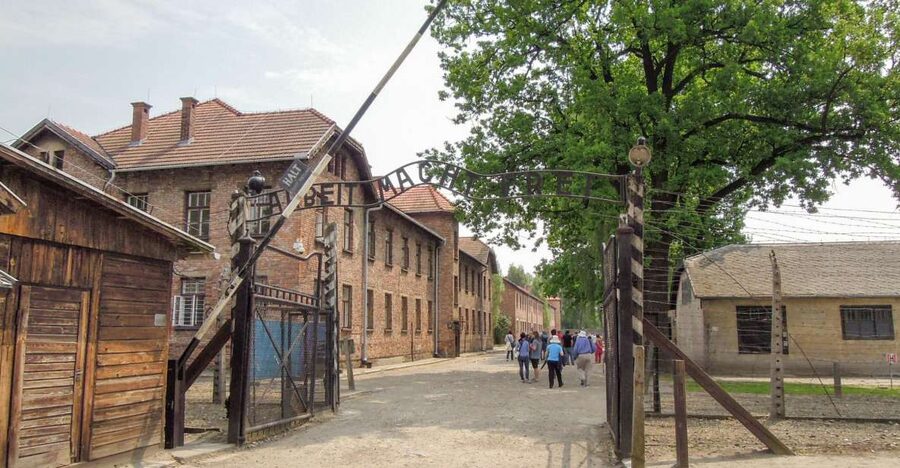
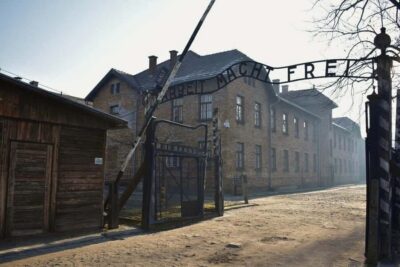
Auschwitz I is the original camp complex, with preserved buildings and museum displays. Here you can expect to see former barracks, watchtowers, and other remains connected with the camp’s operation. The guide provides the historical explanation that makes the site more than a collection of buildings.
The visit is emotionally difficult. You will be dealing with a place connected to mass imprisonment, murder, and suffering, so this is not a stop to rush through with a camera in hand. A professional guide can help explain what you are seeing and give the visit a clear structure.
The time at each location may be around 1.5 to 2 hours, though the exact schedule can change. That is enough to cover the main route, but not enough to inspect every detail at your own pace. If you prefer long, independent museum visits, the fixed group format may feel brief.
At the entrance, bring your passport or ID card. The name on your booking must match the name on your identification exactly. Museum staff can refuse entry when the details do not match, and the ticket cannot be refunded.
Security checks are part of entering Auschwitz. The maximum hand luggage size is 30 by 20 by 10 centimeters, roughly the size of an A4 sheet. If your bag is larger, you can leave it in the locked bus parked beside the museum, according to the provided instructions.
Birkenau, open space and weather exposure
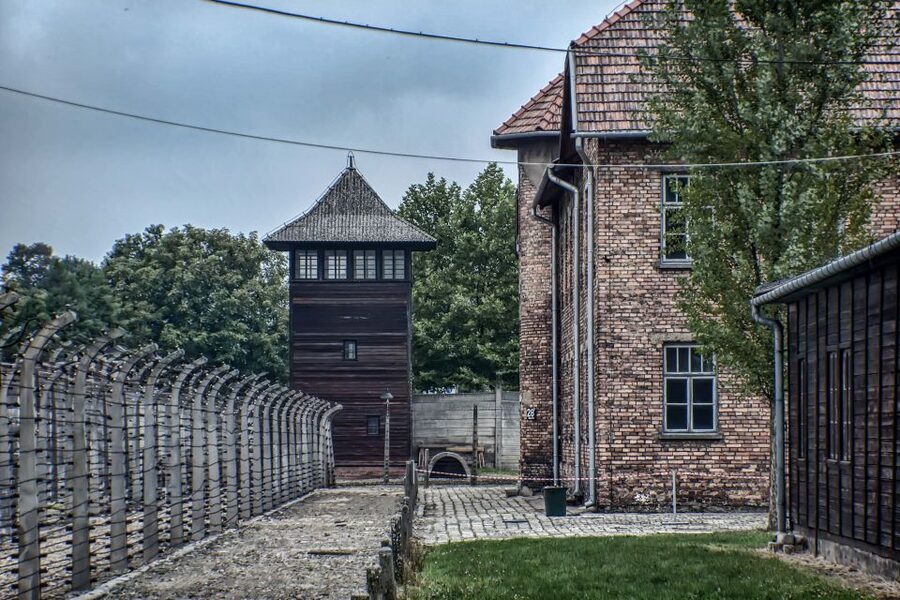
Auschwitz II Birkenau is a much larger, more open memorial site. The railway ramp, barracks, watchtowers, gas chambers, crematorium remains, and wide stretches of the former camp make the scale of the site difficult to absorb from photographs alone.
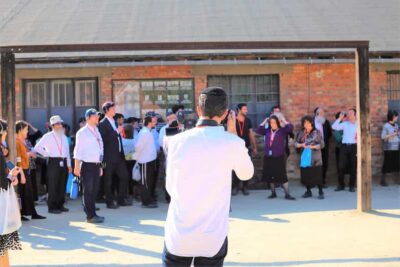
You may spend up to 70 percent of the Auschwitz portion outdoors, especially at Birkenau. Wear weather-appropriate clothing in every season. Rain, cold, heat, or wind can change how comfortable the visit feels, and there may be limited shelter while the guide explains the site.
Comfortable shoes matter. You will be walking across an extensive memorial area, then later dealing with the stairs and underground route at Wieliczka. This is a demanding day for your feet, even before you count the transfers.
One practical advantage of visiting Birkenau early is that the open site may be calmer before it becomes crowded. An early order can also make sense when the museum has limited English tour availability later in the morning. The tradeoff is obvious: you may be looking at the memorial before breakfast.
More Wieliczka salt mine visits:
- From Krakow: Wieliczka Salt Mine Tour
★ 4.6 · 9,393 reviews - Krakow: Auschwitz-Birkenau and Salt Mine Guided Tour
★ 4.7 · 9,020 reviews - Krakow: Wieliczka Salt Mine Guided Tour with Transport
★ 4.4 · 7,429 reviews - Krakow: Wieliczka Salt Mine Fast-Track Ticket & Guided Tour
★ 4.5 · 5,872 reviews
The Wieliczka Salt Mine begins with 378 stairs
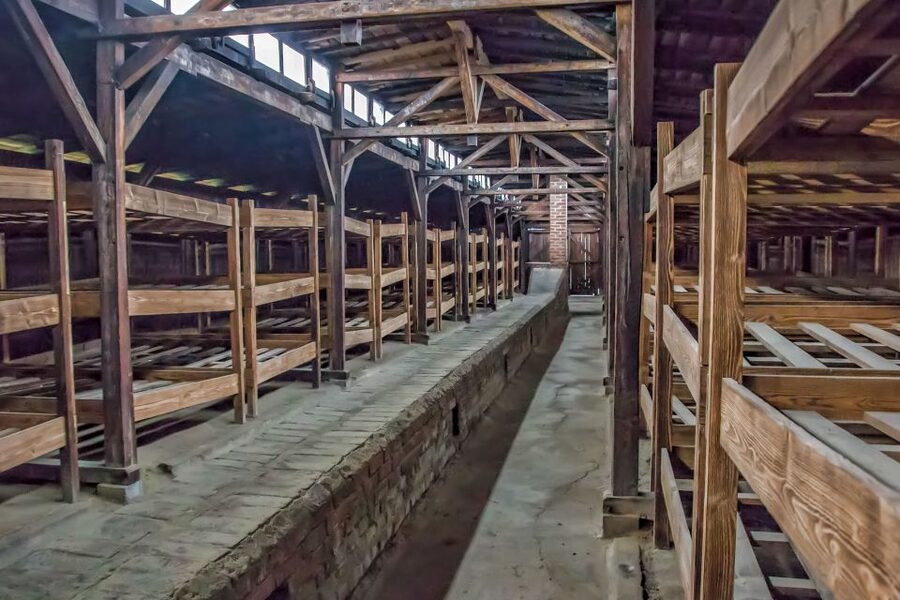
Wieliczka is about a 40-minute drive from Krakow, though your total transfer time depends on the order of the visits and the day’s schedule. Once there, an English-speaking guide explains the safety rules before you enter the mine.
The first major fact is physical: you descend 378 stairs to reach the first level, 64 meters underground. The route then continues through about 3 kilometers of corridors and chambers. A high-speed lift returns you to the surface at the end.
This is not a quick walk into one dramatic room. You move through a sequence of underground spaces with salt carvings, statues, and unusual chambers. The changing rooms and scale of the mine give this part of the day a very different feel from Auschwitz.
The route has a clear endpoint, with time to visit a souvenir shop and snack bar before taking the lift up. Food and drinks are not included in the tour, so bring money if you want something during the day. It is sensible to carry a small bag only, since you also need to meet the Auschwitz hand-luggage limit.
The salt mine is a strong addition for anyone interested in craftsmanship and unusual places, but do not underestimate the walking. The combination of stairs, underground corridors, and a long morning at Auschwitz makes this a poor match for someone with mobility problems.
Choosing the order that suits your day
The tour lets you choose which attraction comes first, but you should treat this as a preference rather than a promise of a fully custom schedule. Entry times at Auschwitz and Wieliczka need to fit together, and museum availability can force changes.
Auschwitz first makes sense if you want to face the most serious part of the day while you are fresh. It can also allow an early visit to Birkenau before the site gets busier. You then move to Wieliczka for a more visual, less emotionally heavy afternoon.
Wieliczka first may suit you if you prefer to begin with a physical but lighter attraction. After the mine, you would then visit Auschwitz, which some people may find harder after a full day of walking.
Ask about the expected order and pickup time before you commit. The supplied information says to check availability for starting times, and the recent departures show why this matters. A change from 7 a.m. to 4 a.m. is not a minor adjustment if you are planning a late night in Krakow or an evening train.
Transport, group size and the value of support
Hotel pickup and drop-off are included for both parts of the day. Pickup is available from your central Krakow hotel or accommodation, but you need to provide the correct pickup information when booking.
Transport is by air-conditioned car. On one departure, the vehicle was a minibus with eight passengers, which offered a more personal setup than a full-sized coach. Group size may vary, so you should not assume every departure will have exactly eight people.
The driver is an important part of the practical experience. A driver named Max was praised for explaining the process, making sure people were comfortable, and helping everyone understand what to do. Another departure included a drop-off at the train station after the visits, but you should not count on that unless it is confirmed in advance.
The driver is not the museum guide. At both Auschwitz and Wieliczka, you join a professional English-speaking guide at the site. The transport operator gets you there, helps with the entry process, and brings you back; the formal interpretation comes from the local guides.
That division is worth understanding. You are paying for a managed day with transport and admissions, not one guide who stays beside you from Krakow through every room and corridor.
What to bring and how to pace yourself
Bring your passport or ID card, and make sure the booking name matches it exactly. You should also bring weatherproof clothing because much of the Auschwitz portion takes place outside.
Pack light. The Auschwitz hand-luggage limit is 30 by 20 by 10 centimeters. A large suitcase can be left in the locked bus beside the museum, but the simplest plan is to take only what you need for the day.
Food and drink are not included. Stops for coffee, meals, drinks, and toilets may be possible, especially during a wait before entry, but you should not rely on a supplied meal. Carry water and arrange your own food around the schedule.
Students should bring a valid student ID. Student discounts are available at both Auschwitz-Birkenau and Wieliczka Salt Mine, but you need to show the ID when required.
Wear shoes suitable for several hours of walking. The tour information specifically warns that the salt mine involves many stairs, and the Auschwitz visit includes outdoor walking over a wide site. If stairs are difficult for you, this is not the right day trip.
Who gets the most from this combo tour
I would choose this tour if you have only one free day near Krakow and want both major sites without handling the transport yourself. It works well for first-time visitors who value a driver, hotel pickup, and clear guidance through two complicated admissions systems.
It also suits people who prefer a small vehicle and a structured day. You can spend less time figuring out where to go and more time listening to the guides and looking around.
I would hesitate if you want a relaxed pace. Twelve hours is a realistic expectation, and the early pickup can be brutal. The time at each site may feel short if you want to read every display or linger in every chamber.
I would also think twice if you have mobility limits. Auschwitz involves substantial outdoor walking, while Wieliczka requires 378 stairs and a 3-kilometer underground route. The activity details specifically recommend it for people without mobility issues.
Should you book the Auschwitz and Wieliczka combo?
Book it if your priority is seeing both sites in one day with hotel transport, entrance fees, and English-speaking guides already arranged. The best features are practical: small-group transport on some departures, drivers who help with queues, and the option to change the visit order.
Do not book it expecting a leisurely outing or a fixed 7 a.m. start. Confirm the pickup time, prepare for a possible 4 or 5 a.m. departure, carry matching identification, and accept that waiting may be part of the day.
At $181, the tour earns its price through saved planning time and transport convenience. It is a sensible choice for a short Krakow stay, but independent visitors who are comfortable organizing separate visits may find the cost high. The combination is worthwhile when your main goal is to see both Auschwitz-Birkenau and Wieliczka in a single, carefully managed day.
FAQ
How long does the combo tour take?
The activity lasts one day, and the full outing can take about 12 hours. The exact duration depends on pickup time, museum entry schedules, waiting, and the order of the two visits.
Can I choose which attraction I visit first?
Yes. The tour allows you to choose the order of the Auschwitz-Birkenau and Wieliczka Salt Mine visits, subject to available schedules.
Is hotel pickup included?
Yes. Pickup and drop-off are included from a central Krakow hotel or accommodation. You must provide your pickup information when booking.
Is an English-speaking guide included?
Yes. A professional English-speaking guide is provided at both Auschwitz-Birkenau and Wieliczka Salt Mine.
What identification do I need?
You need to bring a passport or ID card. The full name on your booking must match the name on your identification, or entry to Auschwitz may be refused.
How much luggage can I bring into Auschwitz?
The maximum hand-luggage size is 30 by 20 by 10 centimeters, roughly the size of an A4 sheet. Larger luggage can be left in the locked bus parked next to the museum.
Is food included?
No. Food and drinks are not included. The route may offer access to a restaurant, snack bar, or other food stops, but you pay for anything you buy.
Recently added in Krakow
- Auschwitz-Birkenau and Krakow Private Car Trip from Katowice★ 4.3 · 3 reviews
- Wawel Castle, Old Town with St. Mary’s Church Guided Tour★ 5.0 · 3 reviews
- Wawel Castle, Cathedral, Rynek Underground Tour with Lunch★ 5.0 · 3 reviews
- From Krakow: Chocholow Thermal Hot Springs (hotel pick up)★ 5.0 · 3 reviews
- Private tour to Zakopane and Thermal Baths from Krakow★ 5.0 · 3 reviews
- Legends of Cracow ROBOTIC SHOW★ 4.0 · 3 reviews
- From Krakow: Zakopane and Thermal Pools Guided Trip★ 5.0 · 3 reviews
- Guided Beer Tour in Krakow★ 4.5 · 3 reviews
Auschwitz-Birkenau Memorial Tours, compared.
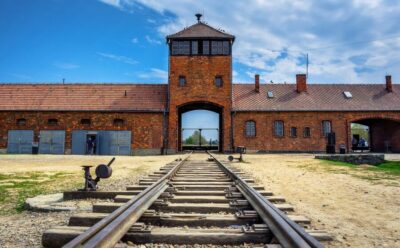
Auschwitz-Birkenau Guided Tour & Hotel Pickup
Read our review →Auschwitz Guided Tour with Optional Hotel Pickup
Read our review →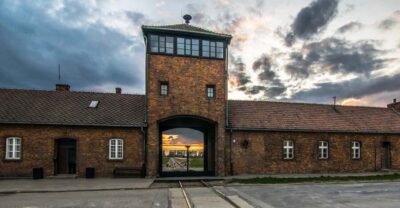
Auschwitz-Birkenau Guided Tour with Pickup & Lunch
Read our review →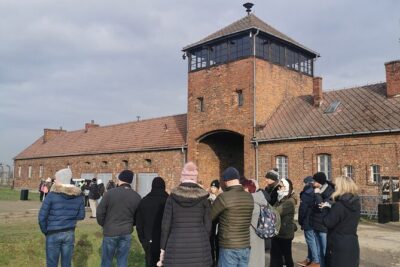
Krakow to Auschwitz Birkenau Guided Tour with Transfer and Ticket
Read our review →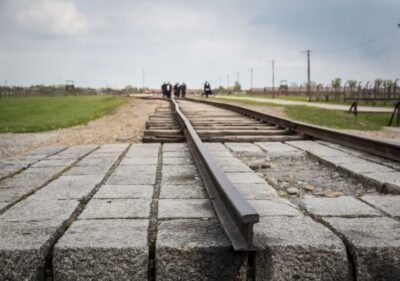
Auschwitz Birkenau Small Group Tour with Pickup
Read our review →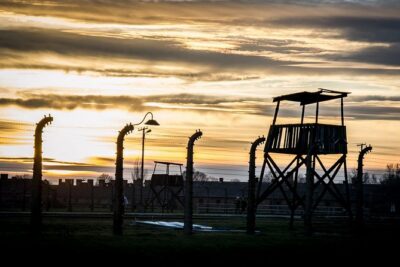
Auschwitz Birkenau Guided Tour with Ticket Hotel Pickup Small Van
Read our review →Where else this one turns up