

Reviewed · GDANSK TOURS
Gdansk: Gdansk, Sopot and Westerplatte Private Guided Tour
The most striking part of this tour is its focus on the places where Hitler and WWII history meet everyday Pomeranian streets. You move from Sopot’s elegant resort center to Gdansk Old Town, then out to Westerplatte, where the opening battles of the war are tied to a stark coastal memorial.
I like two things right away: the private vehicle and hotel pickup save time between spread-out sites, and the guide gives the day a clear thread instead of leaving you to connect the events yourself. The tour is also described as well structured, interesting, and entertaining, which matters on a serious subject like this.
The main drawback is the price, $243 per person. That is a lot for five hours, especially if you are traveling alone or as a couple. You are paying for a private guide, transport, and convenience, so the value is strongest for families or small groups who want a focused history tour without arranging several separate visits.
Key points at a glance
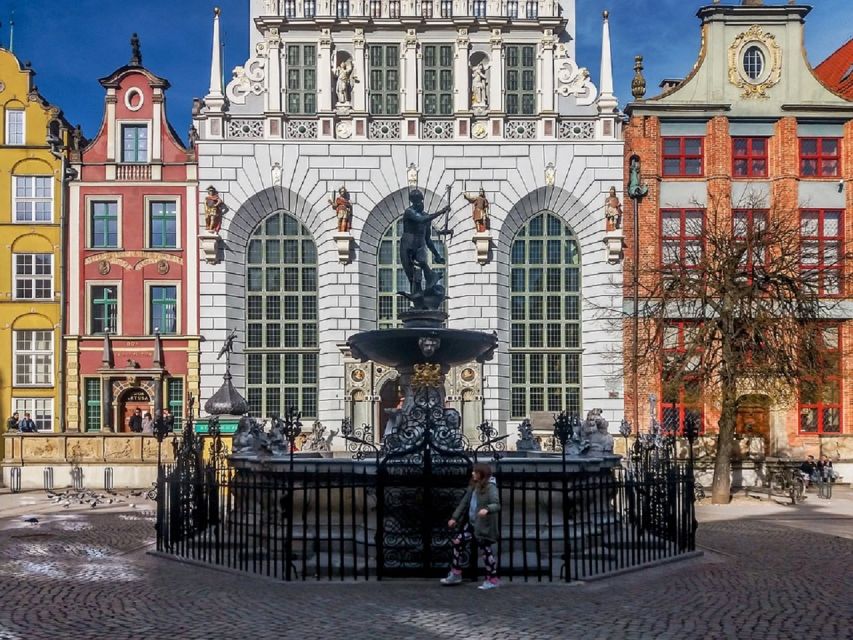
- Hitler-related sites in Sopot, Gdansk, and Westerplatte: The route links the former Kasino-Hotel, Piwna Street, and Westerplatte.
- Five hours with a private vehicle: You avoid sorting out transport between the three parts of the Tricity area.
- Sopot begins with architecture and a pier walk: The hotel and waterfront provide a gentler opening before the heavier war history.
- Gdansk Old Town gets a WWII focus: You see major buildings such as Arthur’s Court while following wartime connections.
- Westerplatte brings the story to its final site: The Polish Coast Defenders Monument gives the tour a clear closing point.
- Several useful booking choices: Pickup from Gdansk or Sopot, private groups, multilingual guides, wheelchair accessibility, and cancellation up to 24 hours before departure are included in the offer.
Why this route works in five hours
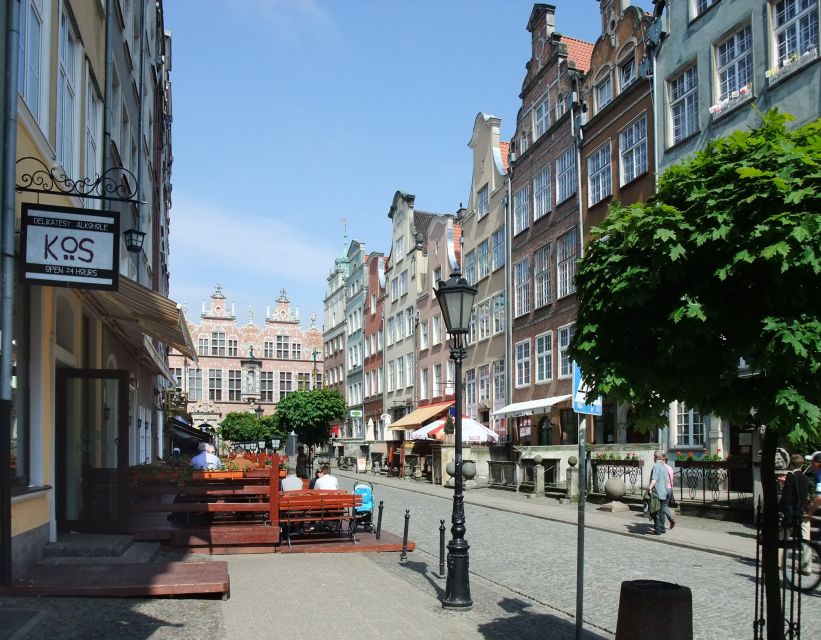
This is not a general sightseeing tour of the entire Tricity area. It is a WWII-themed route with three distinct settings: Sopot’s resort architecture, Gdansk’s historic center, and Westerplatte’s memorial grounds.
That focus is useful if you already know you want wartime history rather than a broad introduction to Pomerania. Your guide can explain the links between the sites while you travel in a private vehicle. You do not have to work out how to combine Sopot, central Gdansk, and Westerplatte on your own.
The five-hour length keeps the outing manageable, but it also means the schedule is likely purposeful. You should expect guided stops and transfers rather than long periods of free time. If you want to browse shops, sit at a café, or explore museums inside the Old Town, plan another part of your trip for that.
Pickup and drop-off are available from your accommodation in Gdansk or Sopot. That is especially useful if you are staying in one city and want to visit the other without changing trains or arranging a taxi. Starting times depend on availability, so check the schedule before building the rest of your day around it.
A few more Gdansk half days to consider
- Gdansk: City Cruise on Historical Polish Boat
★ 4.8 · 2,913 reviews - Gdańsk: Sunset Cruise on a Historic Polish Boat
★ 4.9 · 977 reviews - Gdańsk City Sights & History Guided Walking Tour in English
★ 4.8 · 876 reviews
Sopot: resort elegance with a wartime connection
The tour starts with a walking visit in Sopot, a seaside resort known for impressive architecture and its famous pier. This opening gives you a chance to see the city as a resort town before the guide points out its connection to the Nazi period.
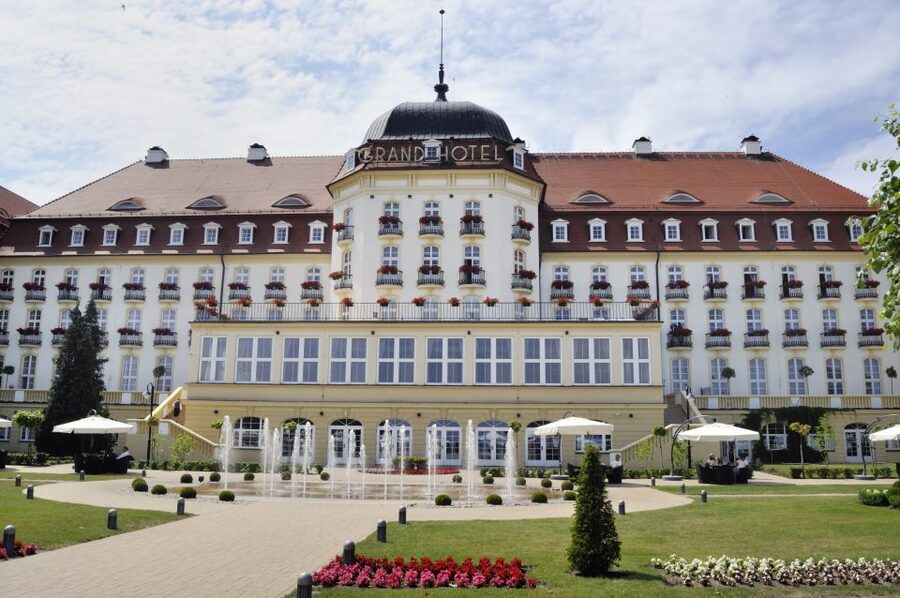
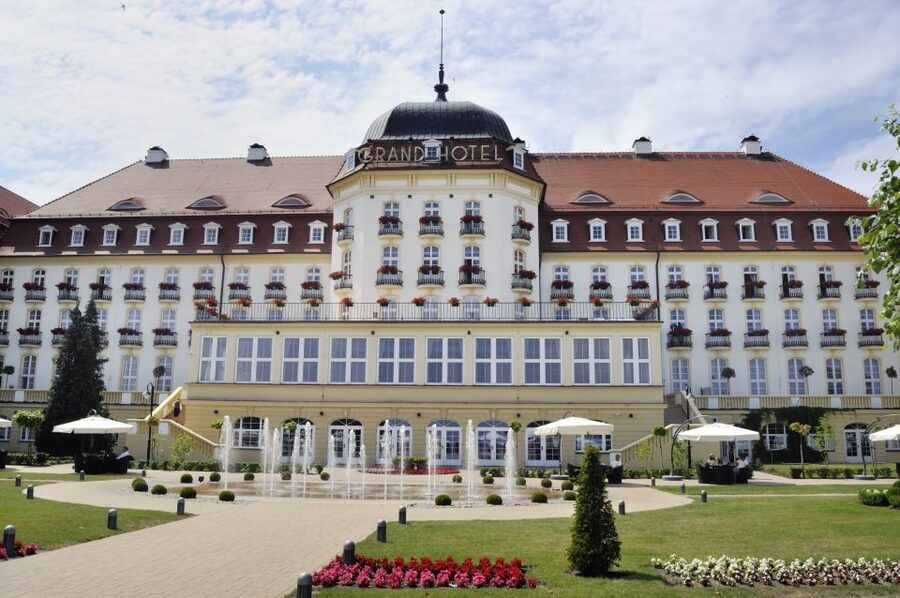
The central stop is the former Kasino-Hotel. According to the tour’s historical account, Hitler stayed there during the capitulation of the Polish army. That detail gives the building more weight than a quick architectural photo stop. You are looking at a place tied to a major political and military moment, not simply an old hotel facade.
The guide’s role is important here. A building can look polished and calm today, while its past is difficult and politically charged. A private explanation helps you understand why this location belongs on a WWII route and how Sopot fit into the events of the period.
After the hotel, you take a peaceful walk on Sopot Pier, opposite the hotel. This is a useful contrast. The pier is a relaxed seaside setting, while the subject of the tour is anything but relaxed. You can pause, take in the waterfront, and get a visual sense of the hotel’s position across from it.
There is one small extra cost to note: entry to Sopot Pier is optional and costs 2 EUR when the seasonal fee applies. It is not included in the tour price. The charge is modest, but you should carry it in mind when comparing the total cost.
The Sopot portion should suit you if you like history connected to real buildings and public places. It may feel less satisfying if you expect a large museum, extensive indoor exhibits, or a long military presentation. The supplied details point to a guided walk and historical commentary, not a museum visit.
Gdansk Old Town through a WWII lens
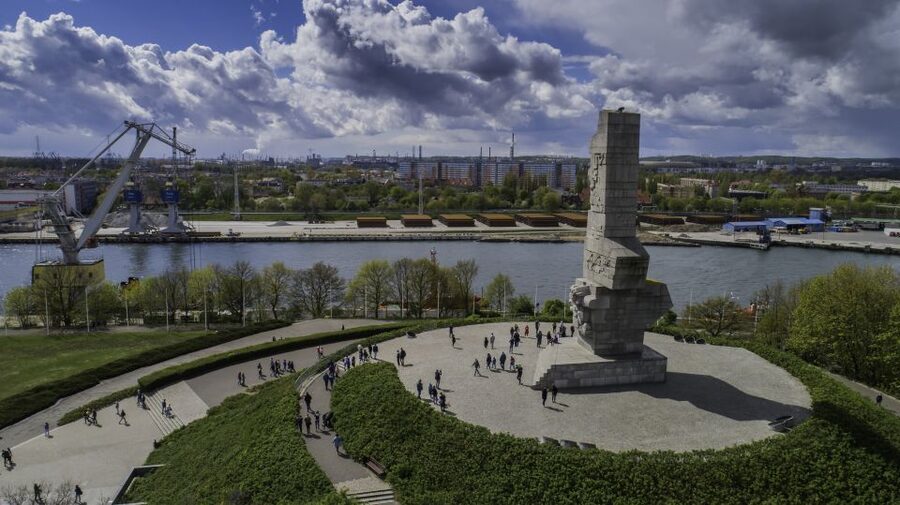
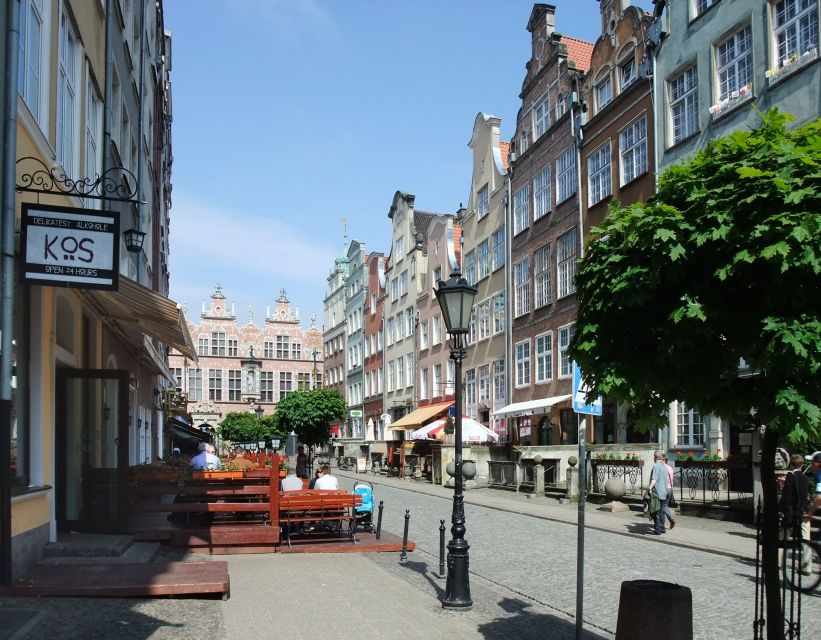
The next part is a guided walk through Gdansk Old Town. You will see major architectural sights, including Arthur’s Court, but the guide’s emphasis is on locations tied to WWII and Hitler rather than on a standard city introduction.
That distinction matters. Gdansk Old Town can easily fill half a day with churches, facades, markets, and waterfront views. Here, those sights serve as the setting for a wartime story. You get the beauty of the old center, but the commentary keeps returning to political events and the impact of the war.
Piwna Street is one of the named stops. The tour connects it with a greeting for Hitler years ago. This is the kind of detail that can be easy to miss if you walk through the street without a guide. Rather than treating the Old Town as a collection of pretty buildings, the tour asks you to consider how public spaces were used for ceremony, power, and propaganda.
Arthur’s Court adds architectural interest to the walk. You are not limited to military ruins or memorials. The route places the war story inside one of Gdansk’s most notable historic areas, which helps show the contrast between the city’s grand civic image and the events that changed it.
The trade-off is that the Old Town portion may not cover every top sight in detail. If you want a full orientation to Gdansk, including all major churches, museums, and waterfront landmarks, book a separate city tour or leave time for your own walk. This experience is more selective by design.
I like that balance. A WWII tour can become visually repetitive if it only visits monuments and battle sites. Moving through the Old Town adds texture and gives you a chance to see how wartime history sits alongside ordinary city life.
Westerplatte and the Polish Coast Defenders Monument
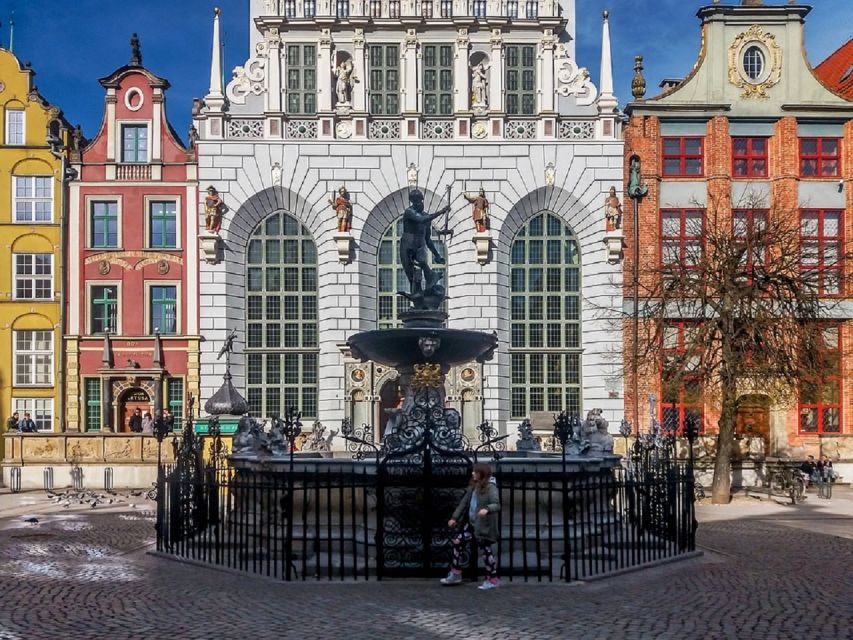
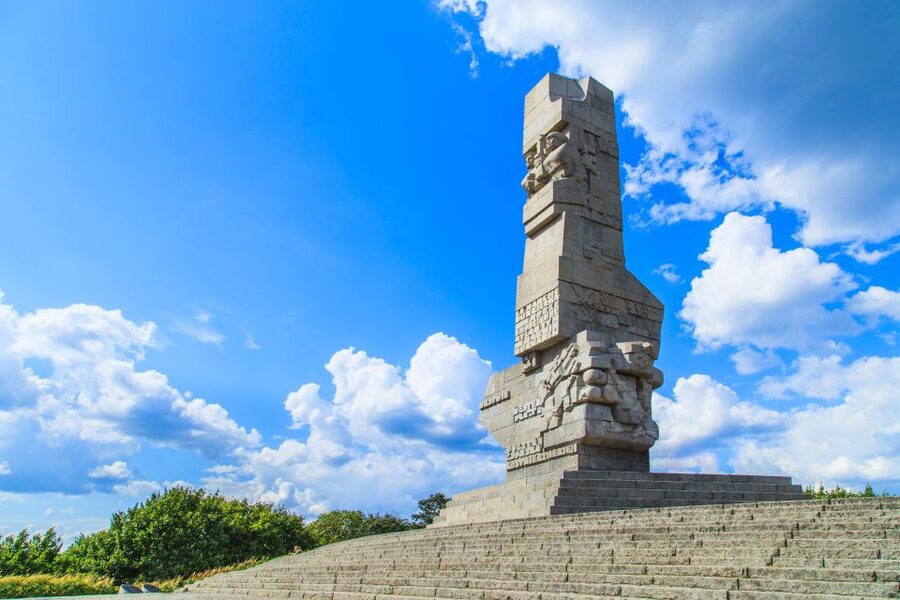
The final stop is Westerplatte, the most direct military setting on the route. It was also visited by Hitler, who was surprised that the Polish army defended the city for so long against German forces.
The tour presents Westerplatte as a place of resistance and remembrance. The large monument to the Defenders of the Polish Coast gives the visit a strong visual focus. It is not just another point on a checklist. The monument marks the human cost of the fighting and provides a clear ending to the route’s historical arc.
Westerplatte also changes the mood of the day. Sopot is a resort town. Gdansk Old Town is an architectural and civic center. Westerplatte feels tied more directly to military action and memory. That progression makes sense: you begin with personal and political associations, move through a public city setting, and finish at a major site of defense.
Your guide’s commentary will shape how much you get from this stop. The supplied information does not specify the exact walking distance, terrain, or length of time spent at the monument, so comfortable shoes remain a sensible choice without assuming a particular route. Ask at the start how much walking is planned if mobility is a concern.
The site is likely to appeal most to people who want the war story anchored in actual locations. It may be less appealing if your main goal is a leisurely coastal outing. Westerplatte is included for its historical importance, not as a scenic beach stop.
A different kind of day in Gdansk:
- Gdansk: Firearm Shooting Experience with Instructor
★ 4.8 · 866 reviews - Gdansk: Guided Round-Trip Cruise to Westerplatte
★ 4.3 · 865 reviews - Gdańsk: Sightseeing EcoCruise around the Old Town of Gdansk
★ 4.6 · 719 reviews - Main Town Gdańsk Walking Tour
★ 5.0 · 644 reviews
What the private format adds

A private tour changes the pace and the kind of questions you can ask. With a licensed guide and private vehicle, you can focus on the parts of the story that interest you most, within the time available. You are not sharing the guide’s attention with a large public group.
That format is especially practical for a small family group, several friends, or anyone with limited time in Gdansk. Pickup and drop-off from accommodation in Gdansk or Sopot remove two common chores: getting everyone to the starting point and finding your way back after Westerplatte.
The private setup does not automatically make the tour cheap. At $243 per person, the cost is high if you are booking for one or two people. The value improves when the group includes several people, since the private transport and guide are doing more work than a standard walking tour.
You should also be clear about what is included. The price covers the private tour, licensed guide, and transfers between sites. The Sopot Pier entrance is separate when the seasonal 2 EUR fee applies. No other entrance costs are listed, so do not assume that additional attractions or museum tickets are part of the package.
The experience is available as a private group and is wheelchair accessible. Those are useful points to confirm when booking, particularly because the day combines vehicle transfers with walking in three different areas. The language range is unusually broad: Polish, German, English, Russian, Italian, Spanish, French, Norwegian, and Swedish are listed.
No guide names are provided, so you cannot select a particular guide in advance based on the available information. You can, however, choose a language that suits your group and receive live commentary throughout the tour.
Is the $243 price fair?
I would judge the price by convenience rather than by the number of sights. You are not paying for a long list of admissions or a full-day trip. You are paying for a specialist route, a private vehicle, a licensed guide, and pickup and drop-off across the Tricity area.
For a group that wants a private WWII experience, that can be sensible. The route covers places that are separated from one another, and transport saves you from piecing together public transit or taxis. The guide also provides the historical links that make the stops meaningful.
For a solo visitor, the price is harder to defend. You could potentially see parts of Gdansk Old Town and Sopot independently for much less, though you would not get the same private commentary or planned connection between sites. The decision comes down to how much you value expert interpretation and a fixed, efficient route.
The tour has a 4.8 rating from four submitted ratings, and the clearest praise is for its structure, interest, and entertaining delivery. That is worth noting because the subject can become dry or grim if the guide simply recites dates. A well-paced explanation can make the five hours feel purposeful.
Still, four ratings are not enough to prove that every guide delivers the same experience. I would book it for the itinerary and private format first, with the strong score as a useful supporting sign rather than the main reason.
Who should book this experience?
I would recommend it to you if you:
- Have a strong interest in Hitler and WWII history.
- Want to connect Sopot, Gdansk, and Westerplatte in one outing.
- Prefer a private guide over a large group.
- Are staying in Gdansk or Sopot and want door-to-door transport.
- Have only five hours for a focused historical tour.
- Want commentary in one of the nine listed languages.
- Are traveling with family or friends and can share the cost.
I would look elsewhere if you want a general Gdansk city tour, a full museum program, or a relaxed day centered on cafés and the seaside. You may also find the price too high if you are comfortable arranging public transport and exploring the Old Town without a guide.
For the best experience, treat the tour as a serious history outing with some pleasant walking, not as a broad sightseeing sampler. Wear comfortable shoes, check the pier fee before departure, and leave extra time in your schedule if you want to explore Gdansk Old Town beyond the guided route.
Practical details before you reserve
The tour lasts five hours, with starting times shown according to availability. Pickup and drop-off are included from accommodation in Gdansk or Sopot, which makes the route simple for visitors based in either city.
You can cancel up to 24 hours in advance for a full refund. The reserve-now-and-pay-later option also gives you some flexibility while you finalize your plans.
The tour is wheelchair accessible, and private groups are available. Since the experience combines vehicle travel and walking, tell the operator about your needs when arranging the booking so the day can be handled appropriately.
You can choose from Polish, German, English, Russian, Italian, Spanish, French, Norwegian, and Swedish. The guide is live rather than audio-based, so you can ask questions as the tour moves from one site to the next.
Should you book the Gdansk WWII tour?
Book this tour if you want a focused, private account of WWII in the Tricity region, especially if Sopot and Westerplatte are both on your list. The hotel connection in Sopot, the Hitler-related detail on Piwna Street, and the Polish Coast Defenders Monument give the day a clear purpose.
I would be more cautious if you are mainly looking for architecture, shopping, or a broad first look at Gdansk. At $243 per person, the experience needs to match your interests. For history-minded groups who value a private vehicle and a guide who keeps the route moving, it offers a practical way to cover three important places in five hours.
FAQ
How long does the tour last?
The tour lasts five hours. Starting times depend on availability.
Where does pickup take place?
Pickup and drop-off are included from your accommodation in Gdansk or Sopot.
Is the tour private?
Yes. A private group option is available, with a private vehicle and licensed guide.
Which places are visited?
The route includes Sopot, Gdansk Old Town, and Westerplatte. Stops include the former Kasino-Hotel in Sopot, Sopot Pier, Arthur’s Court, Piwna Street, and the Polish Coast Defenders Monument.
Is entry to Sopot Pier included?
No. Entry is optional and costs 2 EUR when the seasonal fee applies.
Which languages are available?
Live guiding is available in Polish, German, English, Russian, Italian, Spanish, French, Norwegian, and Swedish.
Is the tour wheelchair accessible?
Yes, the experience is listed as wheelchair accessible.
Can I cancel the booking?
Yes. You can cancel up to 24 hours in advance for a full refund. You can also reserve now and pay later.
Recently added in Gdansk
- Szymbark: Kashubian Switzerland 5-Hour Private Tour★ 3.7 · 3 reviews
- Segway Tour Gdańsk: Shipyard Tour – 1,5-Hour of Magic!★ 5.0 · 3 reviews
- Stutthof Concentration Camp and Museum of WWII: Private Tour★ 4.7 · 3 reviews
- Sopot Sunset Cruise with Welcome Drink★ 3.5 · 3 reviews
- Gdansk: Basic Bike Tour★ 4.3 · 3 reviews
- Gdansk: Bubble Football with Hotel Transfers★ 5.0 · 3 reviews
- Artus Court and Gdansk Old Town Private Tour with Tickets★ 4.7 · 3 reviews
- Gdansk: Oliwa Zoo with Tickets and Roundtrip Transportation★ 5.0 · 3 reviews
Gdansk Tours, compared.
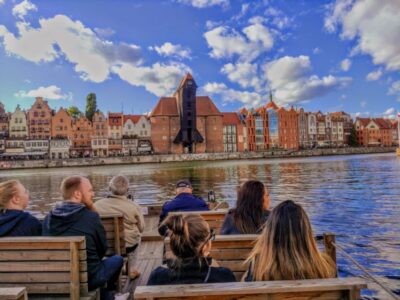
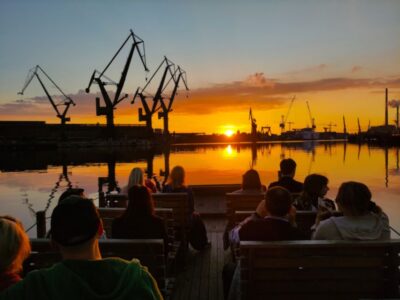

Gdańsk City Sights & History Guided Walking Tour in English
Read our review →
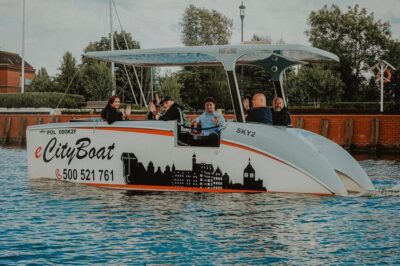
Sightseeing EcoCruise around the Old Town of Gdansk
Read our review →

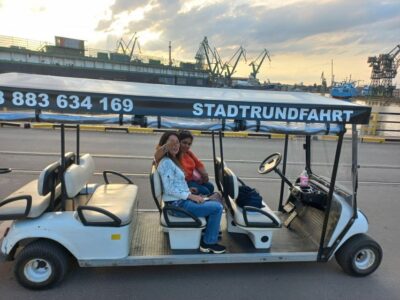
City Sightseeing Tour by Golf Cart/Buggy Guided Tour
Read our review →Where else this one turns up