
Reviewed · GDANSK TOURS
Gdansk: Escape Room Adventure
The main appeal here is the 60-minute race against the clock. You enter a private room, receive a short briefing, and work through interactive puzzles while an eerie setting and unexpected twists keep the pressure on. The theme is not specified in the booking details, so expect a general spooky challenge rather than a named story with a published plot.
I like the private format, since you play only with your own group. I also like the choice of difficulty levels, which makes this a reasonable pick for first-timers as well as people who already know their way around escape rooms. The main drawback is the price: $100 for a group of up to two can feel steep, especially since the activity lasts only one hour.
Key points
- A timed 60-minute escape: You need to solve the room before the clock runs out.
- Private play for 2 to 5 people: Your group does not have to share the game with strangers.
- English or Polish instruction: The introductory briefing is available in both languages.
- Several difficulty levels: You can choose a challenge that fits your group’s experience.
- A spooky, multisensory setting: Expect atmosphere, surprises, and hands-on puzzles rather than a simple quiz.
- Adults and older teens only: The activity is not suitable for children under 15.
What the Gdansk escape room is really like
This is a compact indoor activity built around teamwork, observation, and fast decisions. You are not taking a sightseeing tour through Gdansk. You are spending one focused hour in a themed room, looking for clues, testing ideas, and trying to make progress before time expires.
The experience begins at the meeting point on Level -1. An instructor gives you a brief introduction and explains how the game works. The instruction is available in English or Polish, which matters if members of your group are not comfortable playing in Polish.
After the briefing, your private group enters the room. The exact theme and room layout are not provided, so I would not book this expecting a particular horror story, historical setting, or named scenario. What you can count on is a chilling atmosphere, interactive puzzles, hidden secrets, and twists designed to keep the game moving.
The game lasts 60 minutes. That sounds generous when you first walk in, but escape rooms use time quickly. One puzzle may lead to another, and a small detail can hold up the whole team. You will need to divide tasks, speak clearly, and avoid having everyone crowd around the same clue.
At the end, the activity returns you to the same meeting point. Transportation is not included, so you need to make your own way there and plan your route to the Level -1 starting point.
A few more Gdansk half days to consider
- Gdansk: City Cruise on Historical Polish Boat
★ 4.8 · 2,913 reviews - Gdańsk: Sunset Cruise on a Historic Polish Boat
★ 4.9 · 977 reviews - Gdańsk City Sights & History Guided Walking Tour in English
★ 4.8 · 876 reviews
Why the private group format matters
The private booking is one of the strongest features. You play with your own friends or family instead of being matched with strangers. That gives your group more control over the pace, the noise level, and the way you share tasks.
For two people, the room becomes a close partnership test. You will need to communicate well because there are fewer eyes to scan the room and fewer people to try different ideas. The listed price is $100 per group of up to two, so this is also the least economical way to book if you are comfortable playing with a larger group.
The activity is designed for groups of 2 to 5 people. A group of three, four, or five can often cover more of the room at once. One person can inspect a clue while another checks a lock or puzzle, and someone else can keep track of what the group has already tried.
Larger groups can also become less efficient. Too many people reaching for the same object or talking over one another can waste precious minutes. For that reason, a group of four or five may offer the best mix of teamwork and value, but only if everyone is willing to share the work.
The booking information lists $100 per group up to two. It does not provide the cost for three, four, or five people, so check the available option before paying. The final price matters here because the value improves when the cost is spread across more players.
How the 60-minute game unfolds
The Level -1 meeting point
You start at Level -1, where the instructor gives the introductory session. This short briefing is included in the experience and should cover the basic rules and how to approach the room.
Bring a passport or ID card. Alcohol and drugs are not allowed. These are simple requirements, but they can affect your plans if you were hoping to pair the activity with drinks or if someone in your group does not have identification with them.
Arrive ready to focus. The supplied details do not list a long check-in process, a café, lockers, or a waiting area, so do not build extra assumptions into your schedule. You know the start level, but you should confirm the exact meeting instructions when booking.
A different kind of day in Gdansk:
- Gdansk: Firearm Shooting Experience with Instructor
★ 4.8 · 866 reviews - Gdansk: Guided Round-Trip Cruise to Westerplatte
★ 4.3 · 865 reviews - Gdańsk: Sightseeing EcoCruise around the Old Town of Gdansk
★ 4.6 · 719 reviews - Main Town Gdańsk Walking Tour
★ 5.0 · 644 reviews
The briefing and first clues
Once the instructor explains the rules, the clock begins for the main game. You will search for clues, test connections between objects, and decide which puzzles deserve attention first.
This first stage is often where beginners lose time by trying to solve everything in order. A better approach is to spread out and report discoveries quickly. If you find a symbol, key, code, or unusual object, tell the group at once. The point is not to keep a private tally of clues. It is to give your team enough information to make the next move.
The room is described as multisensory and interactive. That suggests the setting is part of the challenge, rather than a plain room with written riddles. Still, the exact effects are not specified, so you should not assume anything about loud sounds, darkness, actors, or physical scares.
The middle of the challenge
The middle section is where teamwork becomes most important. You may have several partial clues but no clear answer. The group must compare notes and decide whether a puzzle is ready to solve or needs more information.
The unexpected twists are meant to interrupt a predictable sequence. That can be fun for experienced players, since you cannot rely on solving one lock after another in a straight line. It can also frustrate beginners if they expect every clue to have an obvious purpose.
The available difficulty levels help with this concern. If your group is new to escape rooms, choose a lower level if that option is available for your time slot. Experienced players can take on a harder setting. Since the details do not name the levels or explain how much assistance the instructor provides, ask about the choices before the game begins.
The final minutes
The last part is a race to use what you have learned. You may have to return to an earlier clue, combine information from separate puzzles, or act quickly once the solution becomes clear.
A one-hour limit gives the activity a firm finish. That is useful if you are fitting the game between meals or other plans in Gdansk, but it also means the room may feel short if your group enjoys taking its time. Escape rooms reward quick communication more than careful sightseeing.
The activity ends back at the meeting point. The supplied details do not promise that every group will escape, so treat success as the aim rather than a guarantee. The puzzles are the event, and the time limit is part of the design.
The atmosphere, puzzles, and level of fright
The experience is promoted as spine-chilling, with hidden secrets and a chilling atmosphere. That makes it a better match for adults and older teenagers who enjoy suspense than for families with small children.
The game is not suitable for children under 15. That rule is clear, and you should take it seriously when planning a family outing. A group with younger children will need another activity.
For players aged 15 and above, the tone should appeal to anyone who likes a little tension with their puzzle solving. The available information does not describe graphic horror, actors, physical contact, or intense scares. I would describe it as a spooky puzzle experience, not promise a full horror attraction.
The interactive design is valuable because it gives everyone something to do. You are not sitting through a show or watching one clever person solve all the riddles. The room asks you to look, touch, compare, and reason together.
Still, an escape room’s enjoyment depends on group chemistry. If one person takes control of every clue, others may spend much of the hour waiting. Set a simple rule at the start: say what you find, let someone else test the next idea, and keep moving when a puzzle stalls.
Who gets the best value from this activity

This experience suits friends looking for a one-hour challenge, couples who enjoy solving problems together, and families with teenagers aged 15 or older. It also works for small private groups who want an activity that does not depend on good weather.
Beginners should find the format approachable because the instructor provides an introduction and the room offers different difficulty levels. You do not need previous escape room experience. What you do need is a willingness to communicate and accept that some puzzles may not make sense immediately.
Experienced players may appreciate the twists and multisensory design. The lack of a published theme could be a drawback if you choose escape rooms mainly for elaborate storytelling. Here, the focus is on the room’s atmosphere and the challenge itself.
This is less suitable for anyone who dislikes enclosed puzzle settings, timed games, or spooky themes. It is also a poor choice for a group that wants a relaxed social activity. The clock creates pressure, and the private format does not change that.
Is $100 a fair price?
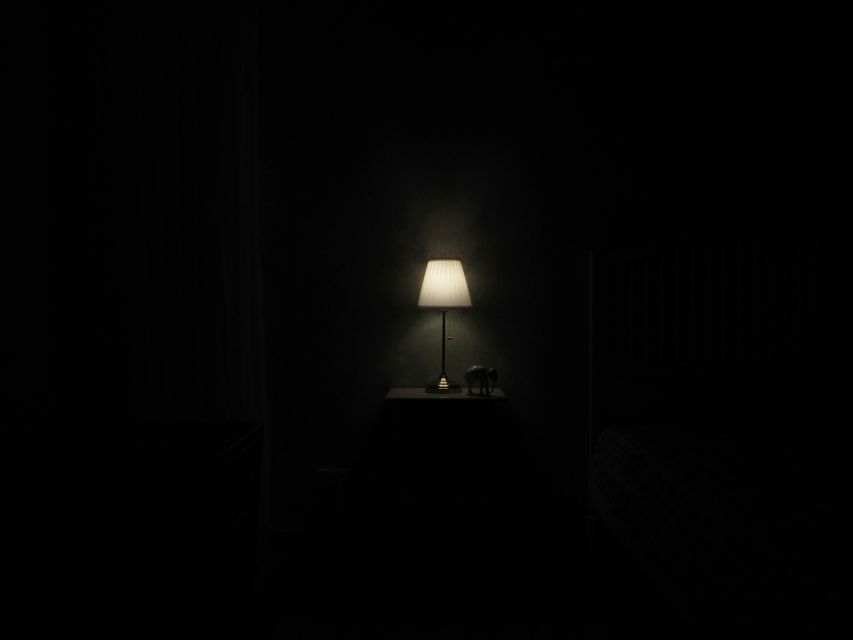
At $100 for a group of up to two, the cost is high for a one-hour activity. The price works out to $50 per person for two players, before considering any transport to the venue.
The calculation changes if the booking system offers a larger group price. The activity allows 2 to 5 people, so spreading the fee across more players could make the experience more reasonable. Because the supplied price only covers a group of up to two, confirm the rate for three to five people rather than assuming it will scale in a particular way.
What are you paying for? You get a private room, an instructor-led introduction, interactive puzzles, a themed atmosphere, and a full hour of play. You are also paying for an activity that can create a shared story for your group, which has value when you want something more active than sitting in a restaurant.
The cost is harder to justify for two people if you are comparing it with several hours of sightseeing. It becomes easier to justify if you specifically want a private escape room and prefer not to share it with unknown players.
Timing and practical planning in Gdansk
The activity lasts one hour, but allow extra time around it. You need to reach Level -1, complete the introduction, and leave after the game. The exact starting times vary, so check availability before building the rest of your day.
Last-minute booking carries a risk. The preferred time may not be available, especially if you are visiting Gdansk for only a short stay. Booking earlier gives you a better chance of matching the game with your dinner, train, or other plans.
Transportation is not included. The meeting point details only specify Level -1, so check the full address and directions in your booking information. Do not assume the venue is beside a major sightseeing stop simply because the activity is sold as a Gdansk experience.
The activity offers free cancellation up to 24 hours before the start time for a full refund. You can also reserve now and pay later, which is useful when your schedule is still changing. These options reduce the risk of committing too early, but they do not remove the need to check the cancellation deadline.
English and Polish instruction makes the activity practical for international visitors. If your group has mixed language skills, make sure everyone understands the briefing before the clock starts.
Smart teamwork tips for your hour
You do not need special equipment, but you should bring a passport or ID card. Wear something comfortable enough for moving around a room and checking different areas, though no specific clothing requirement is provided.
Before starting, agree on a few habits:
- Say every discovery out loud.
- Put used clues in a separate place if the room allows it.
- Avoid trying the same idea repeatedly without new information.
- Let the instructor know when the group is stuck.
- Keep one person aware of the remaining time.
Do not expect the instructor to solve the room for you. The introductory session gives instructions, but the main work belongs to your team. If hints are available, ask how they work before play begins, since the supplied details do not explain the hint policy.
The strongest teams are not always the cleverest. They are the teams that listen, share information, and move on from a dead end. That is the real test behind the locks and clues.
Should you book the Gdansk escape room?
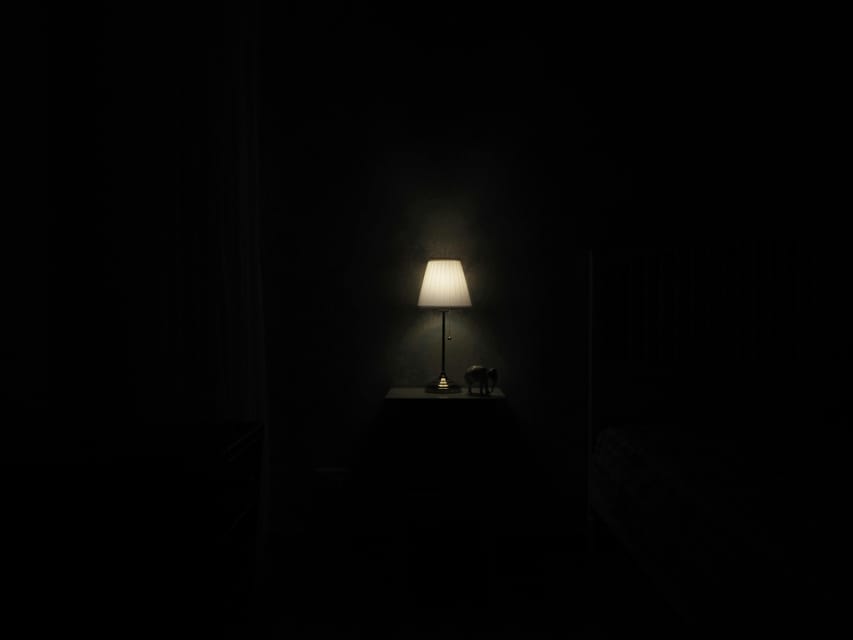
Book it if you want a private, indoor challenge with a spooky tone and a firm one-hour limit. It is a good fit for two to five people, first-timers who want a guided start, and experienced players who enjoy unexpected turns.
I would pause if your group includes anyone under 15, if you dislike timed puzzles, or if $100 for two people feels too high. The unclear theme is another reason to check the room details before booking. You know the format, atmosphere, languages, and group size, but not the exact story or puzzle style.
For the best value, compare the price for three to five participants and choose a time that fits your Gdansk plans. Reserve ahead if your schedule is tight, use the flexible cancellation terms if needed, and arrive with identification. If those conditions suit you, this offers a lively break from standard sightseeing and a solid chance to create a shared story in one concentrated hour.
FAQ
Where does the escape room activity start?
The meeting point is at Level -1. The activity ends back at the same meeting point.
How long does the experience last?
The escape room game lasts 60 minutes, or one hour. Starting times depend on availability.
How many people can join?
A minimum of two people is required per booking. The activity is designed for private groups of 2 to 5 people.
What languages are available?
The instructor provides the experience in English or Polish.
Is the activity private?
Yes. The group type is private, so you play with your own booking group.
Is the escape room suitable for children?
No. The activity is not suitable for children under 15.
What should I bring?
Bring a passport or ID card.
Can I cancel the booking?
Yes. You can cancel up to 24 hours in advance for a full refund. You can also reserve now and pay later.
Recently added in Gdansk
- Szymbark: Kashubian Switzerland 5-Hour Private Tour★ 3.7 · 3 reviews
- Segway Tour Gdańsk: Shipyard Tour – 1,5-Hour of Magic!★ 5.0 · 3 reviews
- Stutthof Concentration Camp and Museum of WWII: Private Tour★ 4.7 · 3 reviews
- Sopot Sunset Cruise with Welcome Drink★ 3.5 · 3 reviews
- Gdansk: Basic Bike Tour★ 4.3 · 3 reviews
- Gdansk: Bubble Football with Hotel Transfers★ 5.0 · 3 reviews
- Artus Court and Gdansk Old Town Private Tour with Tickets★ 4.7 · 3 reviews
- Gdansk: Oliwa Zoo with Tickets and Roundtrip Transportation★ 5.0 · 3 reviews
Gdansk Tours, compared.
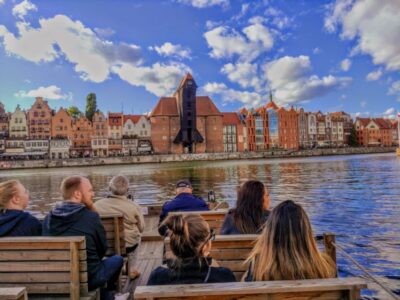


Gdańsk City Sights & History Guided Walking Tour in English
Read our review →
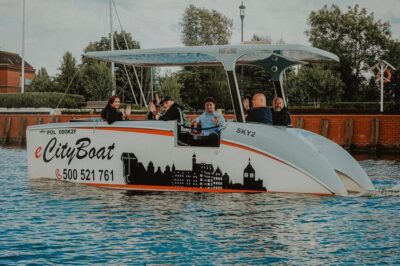
Sightseeing EcoCruise around the Old Town of Gdansk
Read our review →

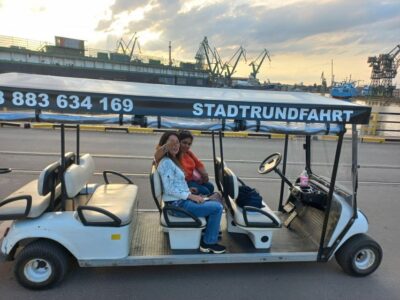
City Sightseeing Tour by Golf Cart/Buggy Guided Tour
Read our review →Where else this one turns up