
Reviewed · AUSCHWITZ-BIRKENAU MEMORIAL TOURS
From Krakow: Auschwitz-Birkenau Memorial and Museum Tour
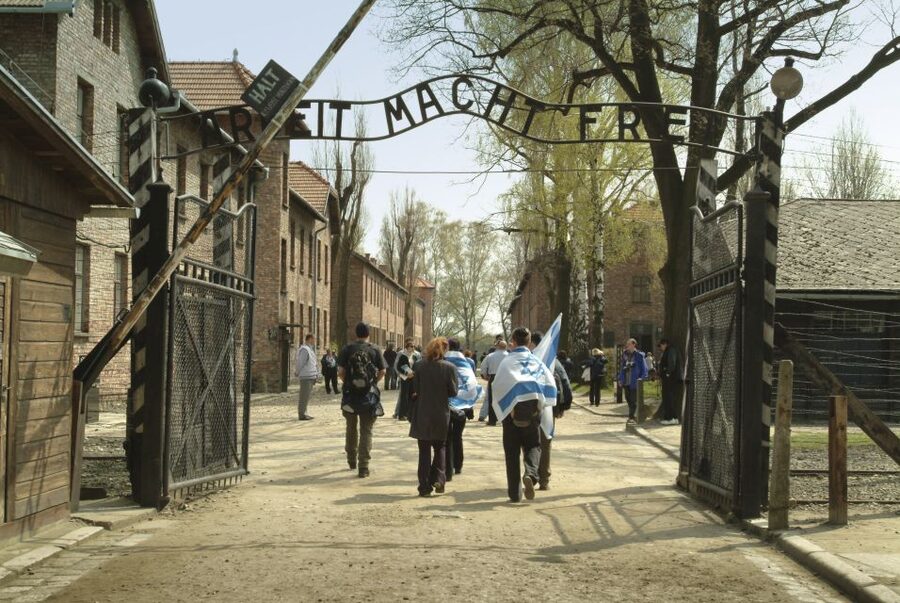
Auschwitz-Birkenau is not a sightseeing stop in the usual sense. It is a place of murder, grief, and remembrance, and the seven-hour visit gives you time to see both sections of the former camp rather than only the better-known buildings at Auschwitz I. The experience includes a documentary film about the camp’s liberation and follows the personal stories of prisoners alongside the larger history of the Holocaust.
I like the two-part itinerary, which takes you from the prison buildings and exhibitions at Auschwitz I to the enormous open grounds of Birkenau. I also like the careful guiding. Guides including Sylvie, Jacek, Joanna, and Jacek’s fellow staff have been praised for clear explanations and a respectful tone. The main drawback is practical: there is lots of walking, little spare time, strict bag rules, and only a 15-minute break for food and drink.
Key points to know before you book
- Both Auschwitz I and Birkenau are included, so you see the original camp buildings and the much larger extermination camp.
- The visit is guided, with tours available in English, French, Spanish, Dutch, and Italian.
- Auschwitz I can feel crowded, with groups sometimes moving close together inside the buildings.
- Birkenau is largely outdoors, so comfortable shoes, a jacket, and weather-ready clothing matter.
- Bring snacks and water, since the scheduled eating break lasts only 15 minutes.
- Small bags only: backpacks and handbags must be no larger than 30 x 20 x 10 centimeters.
Why this seven-hour visit matters
Auschwitz was created by Nazi Germany in 1940 near the Polish city of Oświęcim, which the German authorities had incorporated into the Third Reich. From 1942, it became one of the main killing centers in the Nazi plan to murder Europe’s Jewish population.
The name Auschwitz has since become a symbol of the Holocaust and Nazi terror. The memorial and museum were added to the UNESCO World Heritage List in 1978, but its importance is not simply architectural or historical. You come here to confront the scale of the crime and to remember the people who were imprisoned and killed.
A guide gives the place structure. Without one, you would see barracks, fences, photographs, and ruins, but you could easily miss how the camp changed over time or how individual lives fit into the story. The strongest part of this tour is the connection between the physical site and the prisoners who lived and died there.
This is a serious visit. It is not designed to entertain you, and the tone should be quiet and respectful from the moment you arrive.
More Museum Tours in Krakow
- Auschwitz-Birkenau Museum and Memorial Guided Tour from Krakow
★ 4.5 · 1,510 reviews - Krakow: Rynek Underground Museum Guided Tour
★ 4.6 · 1,122 reviews - Krakow Schindler’s Factory Museum Guided Tour in English
★ 4.5 · 650 reviews
The journey from Krakow to the memorial
The experience lasts about seven hours and includes transport in an air-conditioned vehicle with WiFi on board. A professional English-speaking driver is included, and a guide leads the museum visit. Depending on the option you book, you may meet at a designated point or arrange complementary hotel pickup.
Do not assume the pickup time is fixed. The hours shown when booking are tentative, and departures from Krakow may take place between 6 AM and 3 PM. Contact the operator at least 24 hours before the tour if you want to ask about hotel pickup.
The drive is useful preparation time. One guide, Andriani’s guide, used the bus journey to explain monuments and give background before the group reached the camp, then shared further thoughts on the return journey. That approach helps you arrive with some context instead of trying to process every fact for the first time at the gate.
Your return may be late, depending on the departure time and the pace of the visit. One evening group returned around 9 PM, and the operator arranged a taxi onward to the hotel. That kind of help is useful, but you should still plan your day with flexibility.
Auschwitz I: prison blocks, evidence, and personal stories
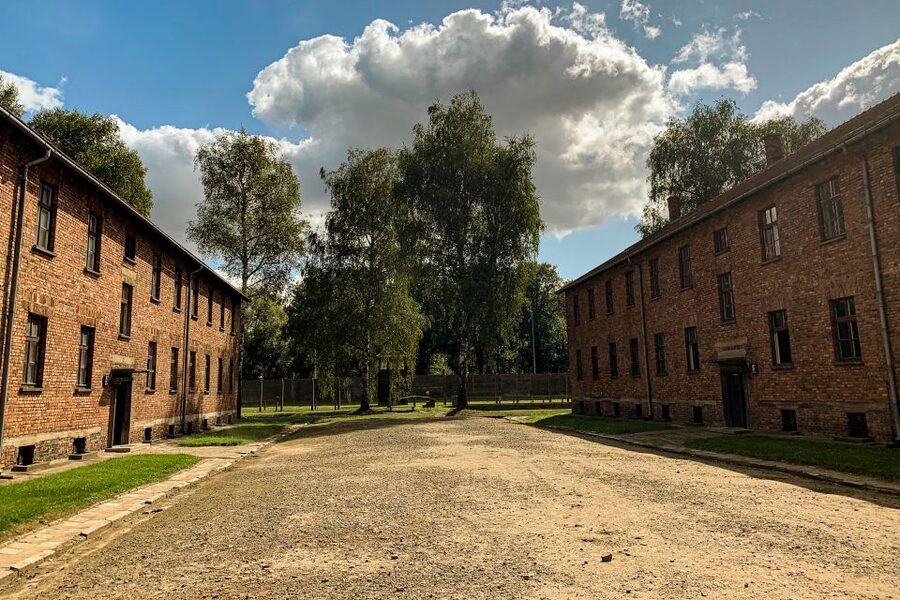
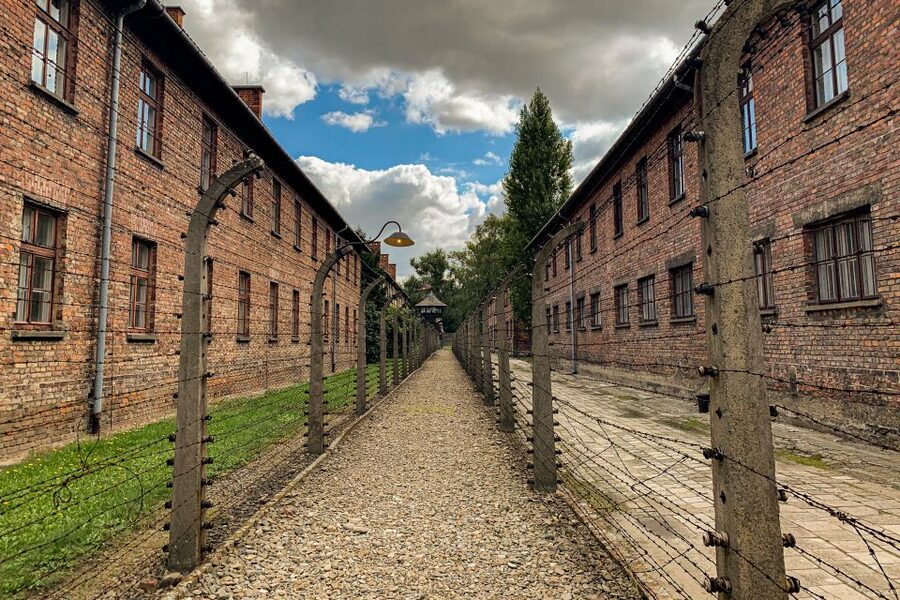
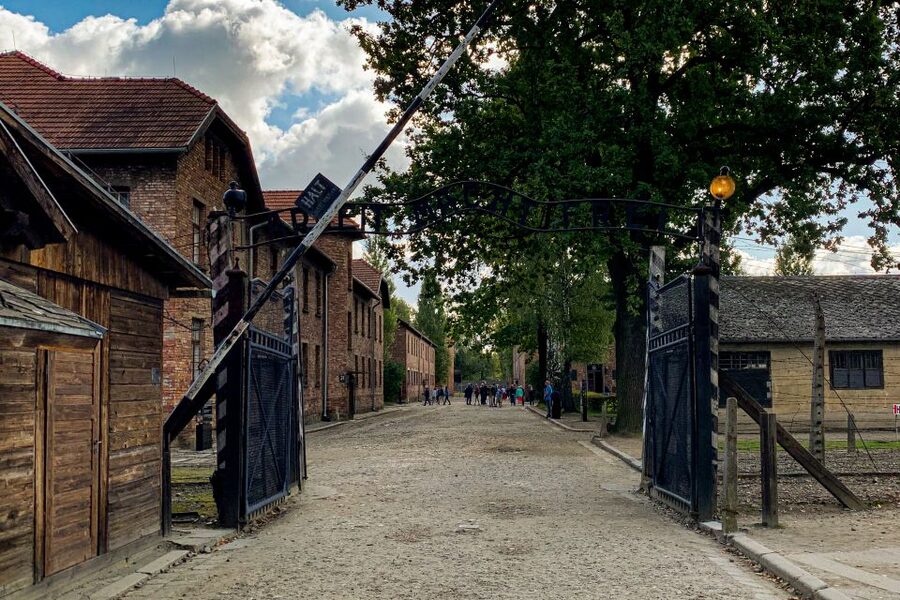
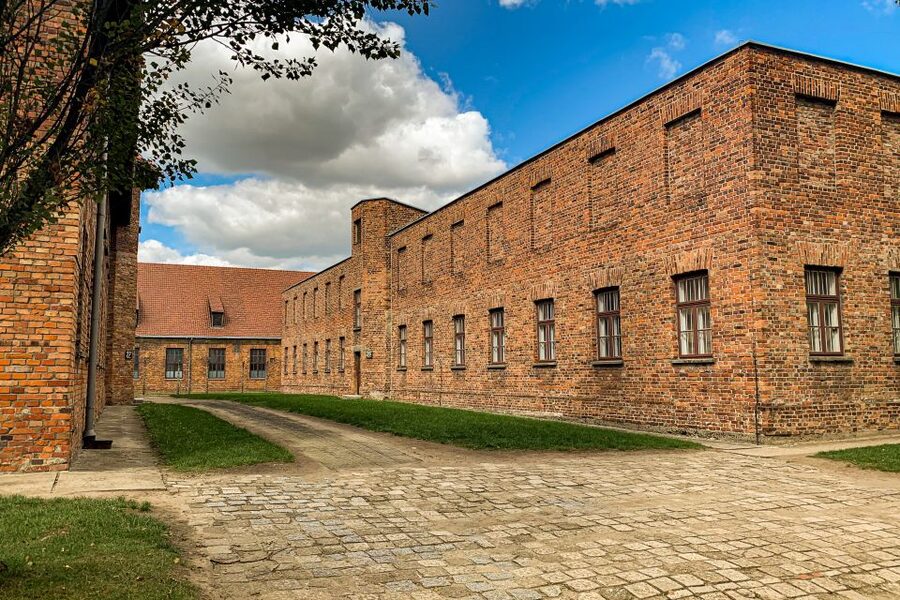
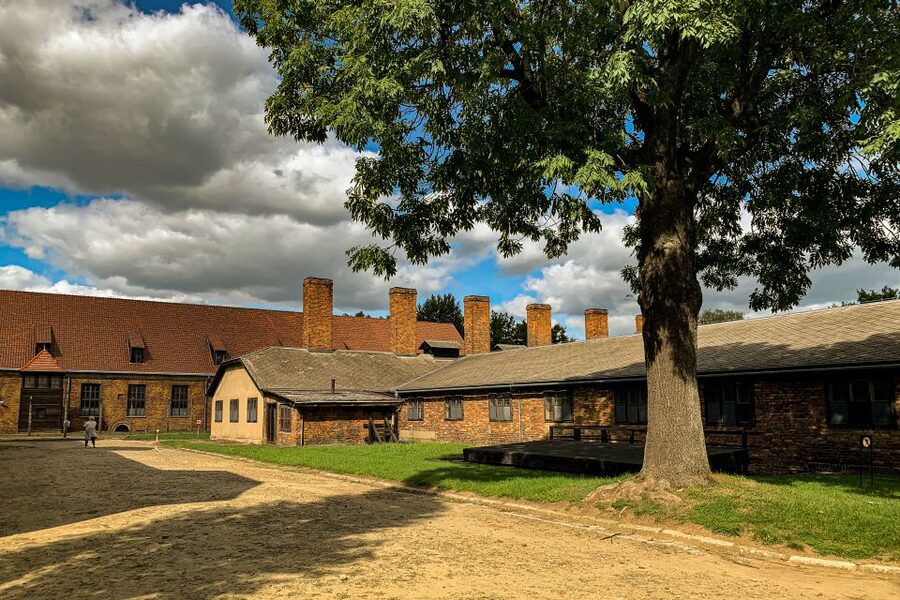
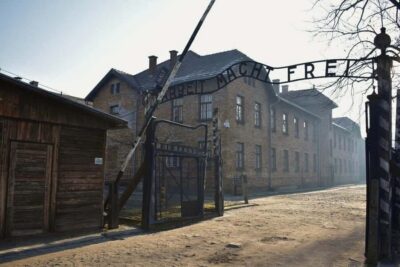
Auschwitz I is the older part of the camp and usually the more built-up section. You will pass through former prison buildings and see exhibitions that document the lives and deaths of prisoners. The visit includes dormitories, gas chambers, and displays connected to the camp’s operation.
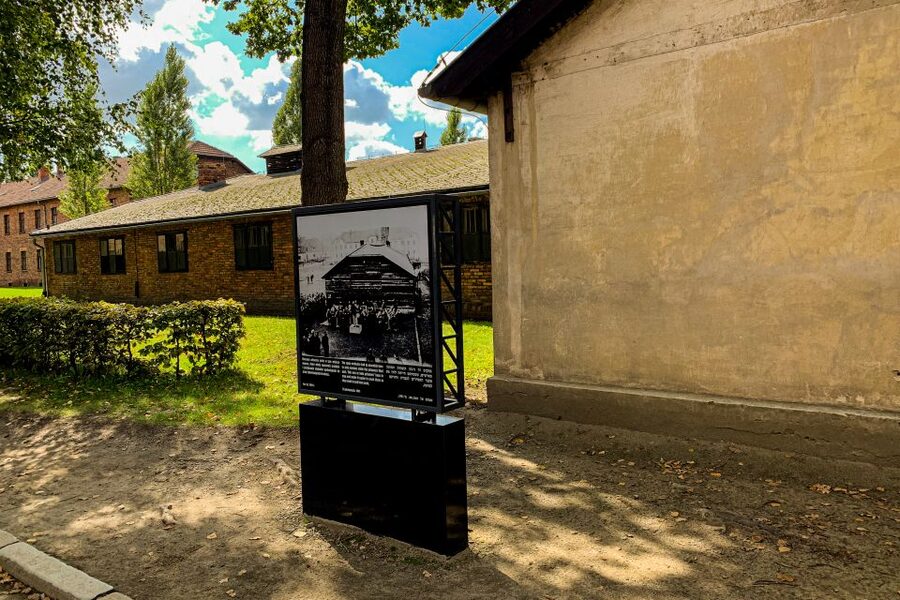
The buildings make the history feel close and specific. Photographs, documents, personal belongings, and prisoner stories show that this was not an abstract event involving statistics. People arrived with names, families, professions, and plans for their lives. The guide’s job is to connect those individual accounts with the wider system of persecution and murder.
The camp also presents the machinery of imprisonment. You learn how the Nazis organized the site, controlled prisoners, and turned the camp into a place of extermination. The explanations matter because the remaining buildings alone cannot tell you how the system worked.
Expect a steady walking pace and frequent stops. One guide, Elizabeth’s, was praised for explaining sensitive subjects carefully and never rushing the group. That is important here. You need enough time to listen, look, and absorb the material, but the museum must also move many groups through a limited space.
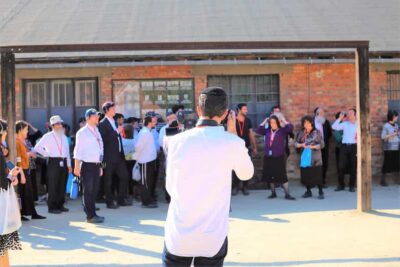
Auschwitz I can feel crowded, especially inside the buildings. Groups may be close to one another, and you might not have much room to stop for photographs. This is a museum and memorial first, not a place for leisurely photography, so the tight schedule is understandable, but it can make the experience feel less private.
Photography is allowed only in selected areas. Flash photography is forbidden inside the buildings. Follow the guide and museum signs rather than trying to photograph every display.
Birkenau: scale, open ground, and the remains of the killing center
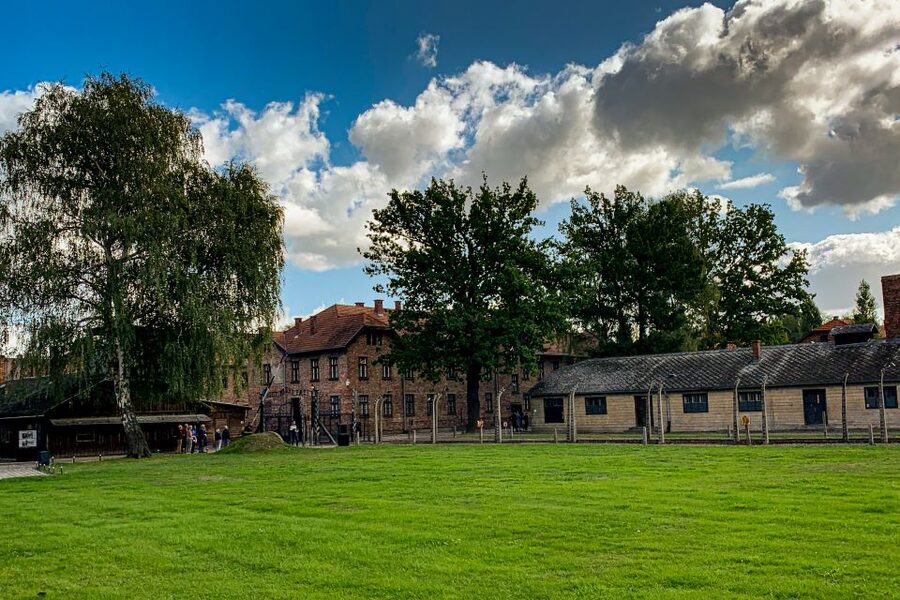
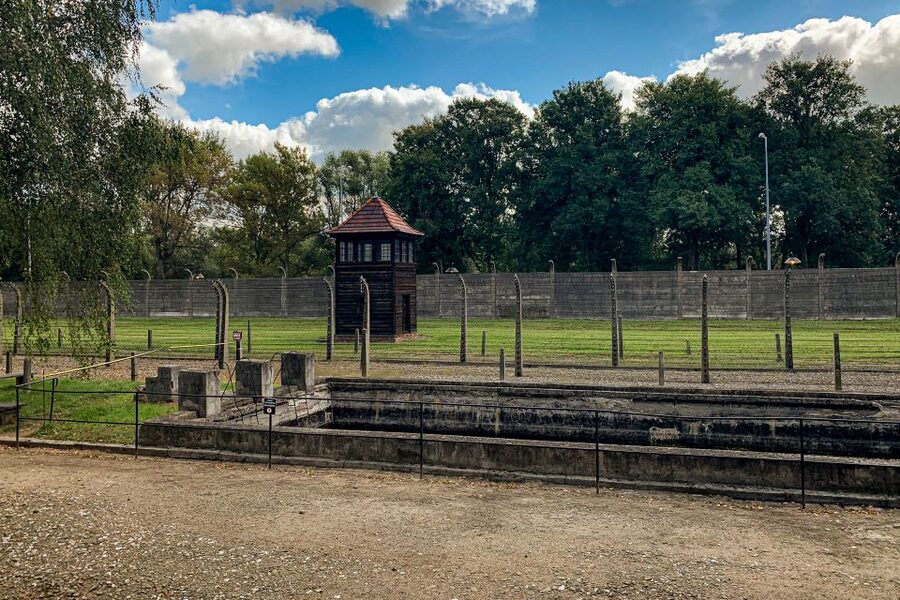
Auschwitz II-Birkenau gives you a different sense of the camp. Here, the scale is the first thing you notice. The grounds include watchtowers, fences, barracks, and the remains of gas chambers, along with memorials to those who were killed.
The open spaces help you understand the size of the operation. At Auschwitz I, the buildings and displays draw your attention to specific evidence. At Birkenau, the long lines of fencing, the barracks, and the surviving structures show how far the camp extended and how many people were confined there.
Much of this portion takes place outdoors. In November, one visitor was glad to have brought a jacket, and the advice applies in every season. Wear comfortable shoes because there is a lot of walking, and bring clothing suited to rain, wind, cold, or strong sun.
The Birkenau memorials give the visit a place for reflection. Your guide will explain what happened here and help you trace the stories of prisoners, but you will also have moments when the scale of the grounds speaks for itself. The site is powerful precisely because so much of it remains stark and exposed.
The second camp can be emotionally harder than the first. Its size makes the Nazi system of deportation, imprisonment, forced labor, and mass murder feel frighteningly industrial. Allow yourself some quiet time during the visit rather than treating each stop as another item to check off.
Other guided visits to the Auschwitz-Birkenau Memorial:
- From Krakow: Auschwitz-Birkenau Guided Tour & Hotel Pickup
★ 4.5 · 33,358 reviews - From Krakow: Auschwitz-Birkenau Guided Tour & Hotel Pickup
★ 4.5 · 29,340 reviews - Krakow: Auschwitz Guided Tour with Optional Hotel Pickup
★ 4.5 · 15,280 reviews - Krakow: Auschwitz-Birkenau Guided Tour with Pickup & Lunch
★ 4.5 · 9,800 reviews
The liberation film and the final part of the story
The museum visit includes a documentary film presenting the first moments after Auschwitz was liberated in 1945. This provides an important closing frame for the tour.
The film does not turn the visit into a simple story with a neat ending. Liberation ended the camp’s operation, but it did not undo the loss or erase the suffering. It helps you understand the condition of the site at the moment Soviet forces arrived and gives historical context to what you have already seen.
A good guide also explains that Auschwitz was not only a prison camp. Until the end of its existence, it was primarily a place of extermination. That distinction matters because the camp’s many functions can otherwise blur together: imprisonment, forced labor, persecution, and mass murder were linked but not identical parts of the Nazi system.
The most effective guiding stays measured. Jacek was praised for thoughtful planning and for helping connect the physical visit with facts that some people already knew from books or school. Even if you have studied the Holocaust before, seeing the site in person can change how you understand the scale and human cost.
A respectful pace, with limited time for food
There is a 15-minute break when you can eat a snack and drink. That is not long, and the tour does not include food or drinks.
Bring something with you. One visitor had eaten breakfast at 7 AM and did not have another chance to eat or drink until mid-afternoon because they had not known to pack supplies. The practical answer is simple: put a snack and a reusable water bottle in your small bag before leaving Krakow.
Do not bring a large daypack. The museum permits backpacks and handbags no larger than 30 x 20 x 10 centimeters. Bigger bags must remain on the bus. This rule can catch you out, especially if you are carrying a camera, extra clothing, food, and water.
An ID card or passport is required. The full name and contact details of every participant must be provided during booking, and the name on the booking must match the identification document used at entry. Check this carefully before you go.
Infants must sit on laps. The visit is not suitable for children under 15, and wheelchair users cannot take part in this experience. These restrictions reflect the difficult subject matter, the walking involved, and the physical layout of the memorial.
Guides and languages
The tour is offered in English, French, Spanish, Dutch, and Italian. The quality of the guiding is especially important here because a careless presentation would weaken the visit.
The guides praised most warmly include Sylvie, Jacek, Joanna, and guides working with Cracow Tours. Sylvie was described as organized and clear. Jacek was singled out for thoughtful explanations and strong arrangements before and after the visit. Joanna was praised for informative commentary, while another guide was noted for answering questions carefully and helping with practical matters.
You should expect a serious tone. One guide was described as somewhat downbeat, but that is hardly surprising given the subject. A respectful guide does not try to lighten the mood or rush past difficult facts. Instead, you get clear explanations, time to look, and reminders about the human stories behind the site.
The overall rating is 4.6 from 75 reviews, with the strongest praise focused on guide quality, planning, and the emotional power of seeing Auschwitz and Birkenau in person. The occasional criticism concerns crowding, limited time for photos, and missing practical information about food and bags. Those are manageable issues if you prepare.
Is $81 good value?
At $81 per person, the price includes transport from Krakow, an air-conditioned vehicle, WiFi on board, a professional driver, museum guiding, and entry arrangements through a separate entrance. Food and drinks are not included.
I consider that fair value if you want a structured day and do not want to arrange transport or museum access yourself. The two sites are the heart of the experience, and getting between them as part of an organized visit saves planning time.
The value is also tied to the guide. At a memorial this complex, clear interpretation is more useful than a cheap transfer with little explanation. A good guide helps you understand what you are seeing and keeps the visit respectful.
It is less suitable if you want a private, slow-paced visit with long pauses at each display. The schedule is fixed enough to keep the group moving, Auschwitz I can be crowded, and the short break leaves little spare time. The activity is non-refundable because museum tickets are issued under strict requirements, so check names, dates, and practical details before booking.
Who should book this Auschwitz tour?
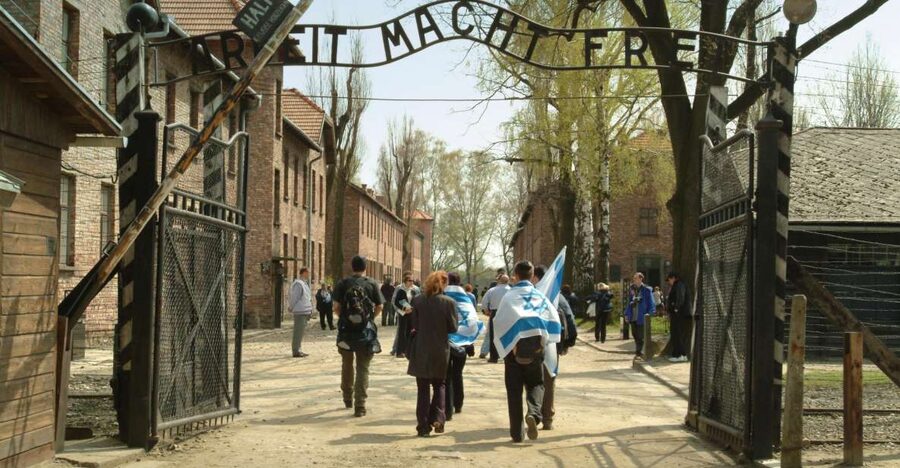
I would choose this tour if you are staying in Krakow and want to see both Auschwitz sections in one day with transport and a guide already arranged. It suits adults and older teenagers who are prepared for difficult material, long periods of walking, and a solemn atmosphere.
It is a good fit if you value context. You will hear about the Holocaust, the Nazi plan known as the Final Solution, the liberation of the camp in 1945, and the stories of individual prisoners rather than simply walking through empty buildings.
I would think twice if you need frequent meal breaks, cannot walk comfortably, want to bring a large bag, or hope to take many photographs. The visit has practical limits, and the subject requires attention rather than a casual schedule.
Should you book it?
Book this tour if you want a serious, guided visit to both Auschwitz I and Birkenau and you value straightforward transport from Krakow. The strongest reasons are the full two-site itinerary, the well-regarded guides, and the chance to understand the memorial through both personal stories and historical evidence.
Prepare properly. Bring your passport or ID, small snacks, a reusable water bottle, comfortable shoes, and weather-appropriate clothing. Keep your bag within the 30 x 20 x 10 centimeter limit, check your name carefully at booking, and expect a moving day rather than a relaxed excursion.
FAQ
How long does the Auschwitz-Birkenau tour from Krakow last?
The tour lasts about seven hours.
What places does the tour include?
It includes both Auschwitz I and Auschwitz II-Birkenau, along with a documentary film about the first moments after liberation in 1945.
What languages are available for the live guide?
Guided tours are available in English, French, Spanish, Dutch, and Italian.
Is transportation from Krakow included?
Yes. Transportation is provided in an air-conditioned vehicle, and a professional driver is included.
Is hotel pickup available?
Pickup may be available as an option. If you want complementary hotel pickup, contact the tour operator no later than 24 hours before the tour.
Is food included?
No. Food and drinks are not included. There is a 15-minute break when you can eat a snack and have a drink.
What size bag can I bring?
Backpacks and handbags must not exceed 30 x 20 x 10 centimeters. Larger bags must be left on the bus.
Do I need identification?
Yes. Bring a passport or ID card. The name on your identification must exactly match the name provided during booking.
Can I take photographs?
Photography is allowed only in selected parts of the museum. Flash photography is forbidden inside the buildings.
Is the tour suitable for children or wheelchair users?
The activity is not suitable for children under 15 or for wheelchair users. Infants must sit on laps.
Recently added in Krakow
- Auschwitz-Birkenau and Krakow Private Car Trip from Katowice★ 4.3 · 3 reviews
- Wawel Castle, Old Town with St. Mary’s Church Guided Tour★ 5.0 · 3 reviews
- Wawel Castle, Cathedral, Rynek Underground Tour with Lunch★ 5.0 · 3 reviews
- From Krakow: Chocholow Thermal Hot Springs (hotel pick up)★ 5.0 · 3 reviews
- Private tour to Zakopane and Thermal Baths from Krakow★ 5.0 · 3 reviews
- Legends of Cracow ROBOTIC SHOW★ 4.0 · 3 reviews
- Guided Beer Tour in Krakow★ 4.5 · 3 reviews
- From Krakow: Zakopane and Thermal Pools Guided Trip★ 5.0 · 3 reviews
Auschwitz-Birkenau Memorial Tours, compared.
Auschwitz-Birkenau Guided Tour & Hotel Pickup
Read our review →Auschwitz Guided Tour with Optional Hotel Pickup
Read our review →
Auschwitz-Birkenau Guided Tour with Pickup & Lunch
Read our review →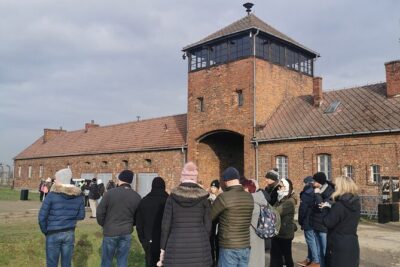
Krakow to Auschwitz Birkenau Guided Tour with Transfer and Ticket
Read our review →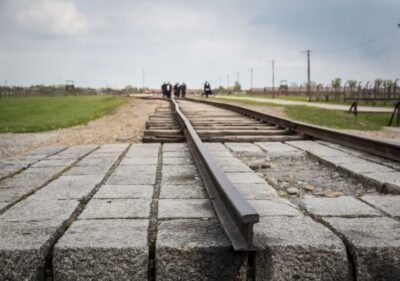
Auschwitz Birkenau Small Group Tour with Pickup
Read our review →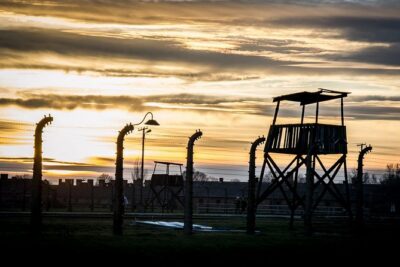
Auschwitz Birkenau Guided Tour with Ticket Hotel Pickup Small Van
Read our review →Where else this one turns up