
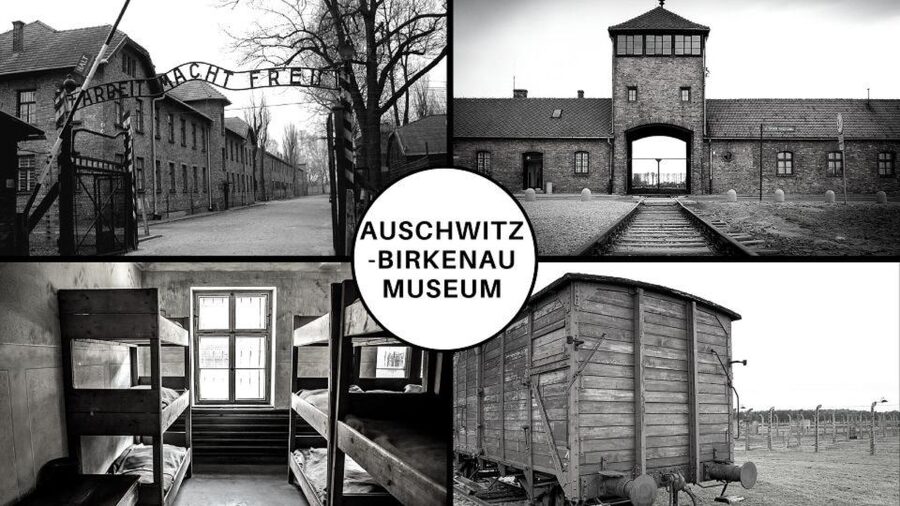
Reviewed · AUSCHWITZ-BIRKENAU MEMORIAL TOURS
Auschwitz-Birkenau: Museum Entry Ticket with Guided Tour
Auschwitz-Birkenau is not a sightseeing stop in the usual sense. It is a place of evidence, memory, and terrible human loss, and this 210-minute guided visit gives you a structured way to face it. You walk through Auschwitz I, then continue to Birkenau, where the railway platform and ruined gas chambers make the scale of the crime painfully clear.
I like two practical things here: your entry ticket and headset are included, and you arrange your own transport, so you are not tied to a shared coach from Krakow. I also like the split between the two camps, with a short break before the second section. The main caution is that the schedule can feel rushed, and the museum can change your time by up to four hours.
Key points at a glance
- Auschwitz I in 105 minutes: Walk through former barracks now used for exhibitions about the camp and the people imprisoned there.
- Birkenau in 75 minutes: Follow the railway line and see the remains of the gas chambers and crematoria.
- English-speaking live guide: A headset lets you hear the guide across the group and around the buildings.
- Bring matching identification: Your full name must match your passport or ID card exactly.
- Plan your own transport: The tour begins and ends at the museum complex, not at a central Krakow pickup point.
- Expect a solemn visit: Children under 14 are not admitted, and the site is not suitable for people with mobility impairments.
Two Camps, One Difficult Story
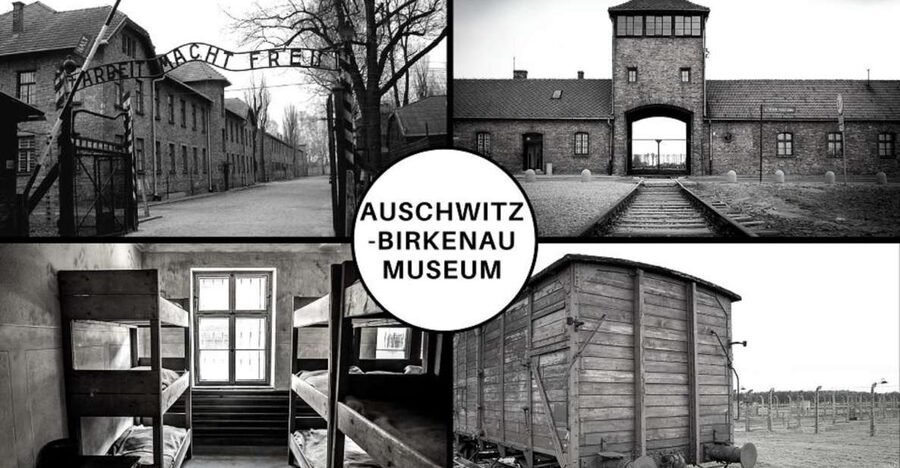
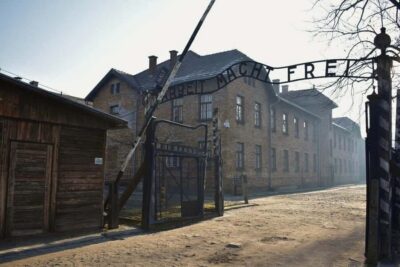
The Auschwitz-Birkenau Memorial and Museum covers two connected sites. Auschwitz I was the first camp, built in 1940 on the outskirts of Oswiecim. Birkenau, also called Auschwitz II, became the much larger killing center.
You visit both, but they offer different impressions. Auschwitz I feels enclosed and built-up, with brick barracks and indoor exhibitions. Birkenau spreads across a much larger area, with open ground, long rows of barracks, the railway platform, and ruins left after the destruction of the gas chambers.
The memorial records more than 1.5 million deaths, representing 28 nationalities. Nearly 90 percent of those murdered were Jews. Those figures are hard to absorb in the abstract, which is why the exhibitions, personal belongings, buildings, and transport infrastructure matter so much. They turn a number into physical evidence.
This is a serious visit rather than an entertaining tour. I would not place it between a cheerful lunch and a packed afternoon of sightseeing. Give yourself quiet time afterward if you can.
More Museum Tours in Krakow
- Auschwitz-Birkenau Museum and Memorial Guided Tour from Krakow
★ 4.5 · 1,510 reviews - Krakow: Rynek Underground Museum Guided Tour
★ 4.6 · 1,122 reviews - Krakow Schindler’s Factory Museum Guided Tour in English
★ 4.5 · 650 reviews
Meeting at the Visitor Center
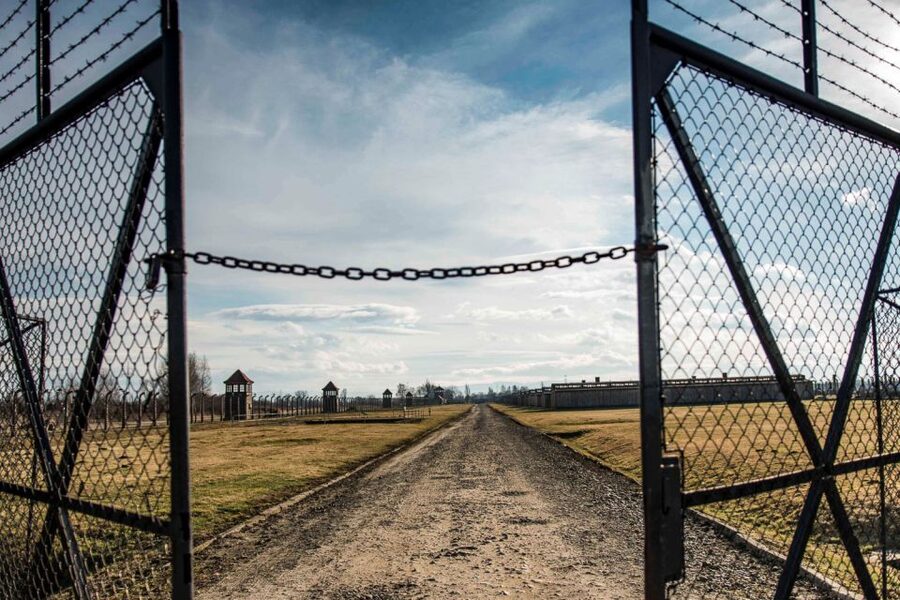
You meet at the Auschwitz-Birkenau Museum Visitor Center, officially listed as the Centrum Obsługi Odwiedzających Muzeum Auschwitz-Birkenau. Look for the information boards near the gate leading toward the parking area.
You get there by your own means of transport. That gives you useful flexibility, especially if you are already staying near Oswiecim or have a rental car. It also means you must take responsibility for arriving at the correct museum entrance with enough time to find the meeting point.
Your name is important from the moment you book. The museum requires the full name and contact details of every participant, and the name on the reservation must match the passport or ID card. If it does not, entry may be refused. Bring the same passport or identification document used for the booking.
The museum also limits what you can carry inside. A bag, purse, or backpack must be no larger than 30 by 20 by 10 centimeters. Large luggage is not allowed, so leave suitcases and bulky day bags elsewhere before you arrive.
Auschwitz I: Barracks and Personal Evidence
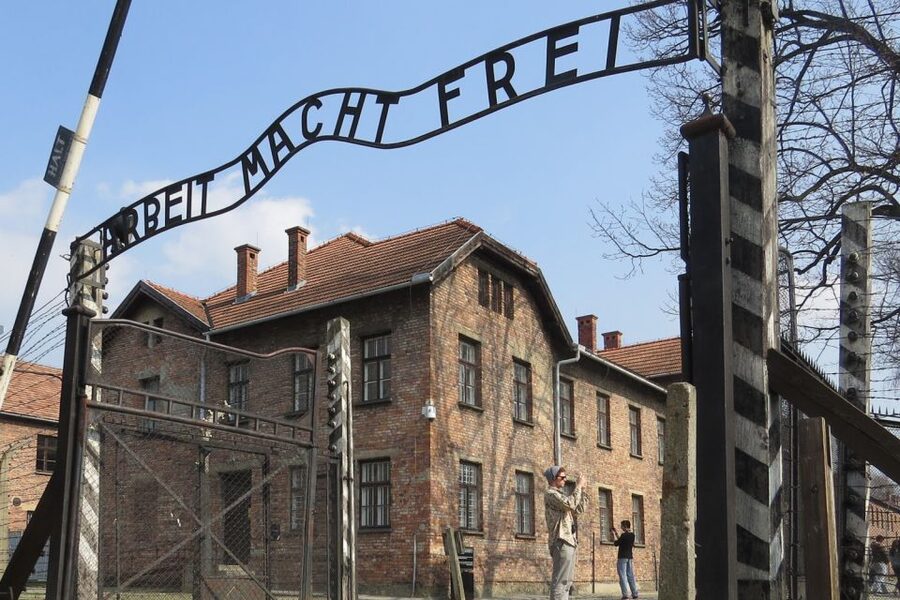
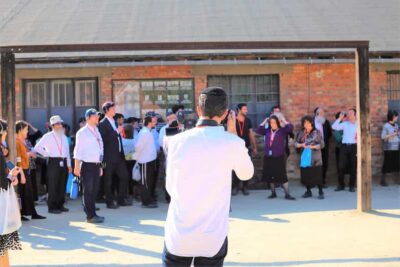
The first guided section lasts about 105 minutes. You enter Auschwitz I with an authorized live guide and walk through the former camp grounds.
The red-brick barracks now hold exhibitions. This is where the visit becomes more personal and specific. Instead of seeing only a field and a collection of buildings, you encounter the lives of people who were held there, along with the system that imprisoned and murdered them.
Your guide explains what you are seeing as you move through the rooms. The supplied headset matters here. Groups can be spread out, and the buildings do not always allow everyone to stand close to the guide. With the headset, you can listen while looking at the displays instead of trying to stay shoulder to shoulder with the group.
The headset also changes the rhythm of the visit. You can hear the guide while walking or standing a little apart, but you should still keep pace. The museum controls the movement of groups, and the staff determines how long each part lasts.
Recent feedback gives a useful warning about timing. Even when the guide is strong and the subject is handled with care, some people find the first section hurried. Do not expect long stretches for private reflection at every display. The value is in having the main evidence explained clearly, not in moving through the site at your own slow pace.
One guide has been praised for speaking from a personal connection to the camps and the period. You are not guaranteed that particular guide, but the comment points to what can make this format effective: a human voice can connect the buildings and documents to the people represented there.
The Short Break Between the Sites
After Auschwitz I, the planned schedule includes about 30 minutes of free time. This is a useful pause before Birkenau, both practically and emotionally.
Use it to gather yourself, visit the facilities if needed, and prepare for the second walk. The break is not a long meal stop. Keep your plans simple, since the museum’s timing can change and the guided program continues at a set pace.
The overall duration is advertised as 210 minutes, including the two guided walks and the break. Treat that as an estimate rather than a guarantee. The museum’s visitor service controls the pace and duration, and the start time can change by as much as four hours. Check your messages before leaving for the site and contact the local provider if the assigned time is unclear.
That time-change rule is the biggest logistical weakness. It can disrupt a carefully planned day, especially if you have a train, flight, or another paid activity afterward. Keep the rest of your schedule open.
Other guided visits to the Auschwitz-Birkenau Memorial:
- From Krakow: Auschwitz-Birkenau Guided Tour & Hotel Pickup
★ 4.5 · 33,358 reviews - From Krakow: Auschwitz-Birkenau Guided Tour & Hotel Pickup
★ 4.5 · 29,340 reviews - Krakow: Auschwitz Guided Tour with Optional Hotel Pickup
★ 4.5 · 15,280 reviews - Krakow: Auschwitz-Birkenau Guided Tour with Pickup & Lunch
★ 4.5 · 9,800 reviews
Birkenau: Railway Platform and Ruined Gas Chambers
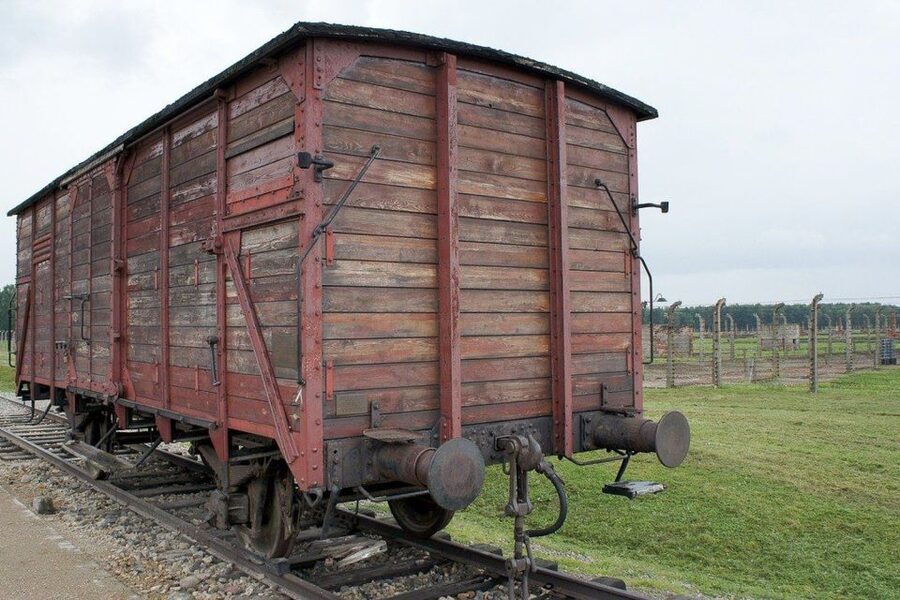
The second guided visit takes about 75 minutes at Auschwitz II-Birkenau. The setting changes sharply.
Here you walk along the railway that carried people into the camp. The platform is one of the most recognizable parts of the site, but seeing it in person gives it a harder meaning. This was not simply a line on a map. It was part of the machinery used to transport people to the other section of the camp.
You also see the ruins of the gas chambers where people were murdered on a mass scale. The ruins do not provide a neat ending or a complete structure to inspect. Their damaged state is part of the story, since the buildings were destroyed and the remains now mark the crime.
Birkenau is physically larger and more exposed than Auschwitz I. You walk outdoors, so comfortable shoes are essential. The museum specifically requires suitable footwear, and you should dress for conditions at the time of year. Sleeveless shirts and shorts are not allowed, so choose respectful clothing that also works for a long walk.
The guide continues through this section, using the headset so you can hear without crowding around. The 75-minute visit gives you the main route and core explanation, but it is not designed as an open-ended exploration of every corner of the grounds.
Why a Guided Group Tour Helps
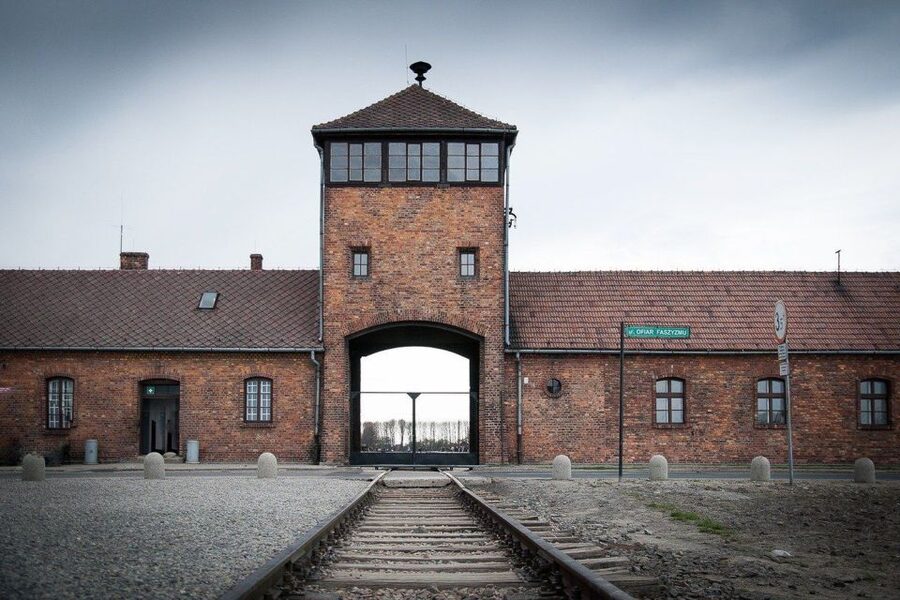
Auschwitz-Birkenau is a place where context matters. The buildings alone cannot explain how the camp operated, who was imprisoned there, or why the railway and barracks are so important.
A live guide gives you a clear sequence. First comes Auschwitz I and its exhibitions. Then a break. Then Birkenau and the railway, barracks, and ruins. That structure helps you understand the two places as parts of one system rather than unrelated memorial sites.
The group format also solves the entry problem. You arrive with the museum admission already arranged, then meet the guide on site. Skip-the-line entry is useful because the museum requires advance booking and access can be difficult to secure at short notice.
Still, group tours involve compromise. You will not set the pace, choose every stop, or linger indefinitely at a particular display. An English-language guide may also be a poor fit if you are not comfortable following spoken English for several hours. One recent group included many Dutch speakers who found the English explanation difficult to follow, even though the guide was doing the tour as scheduled.
The available language for this experience is English. If you need another language, confirm that before paying.
What the $52 Price Really Covers
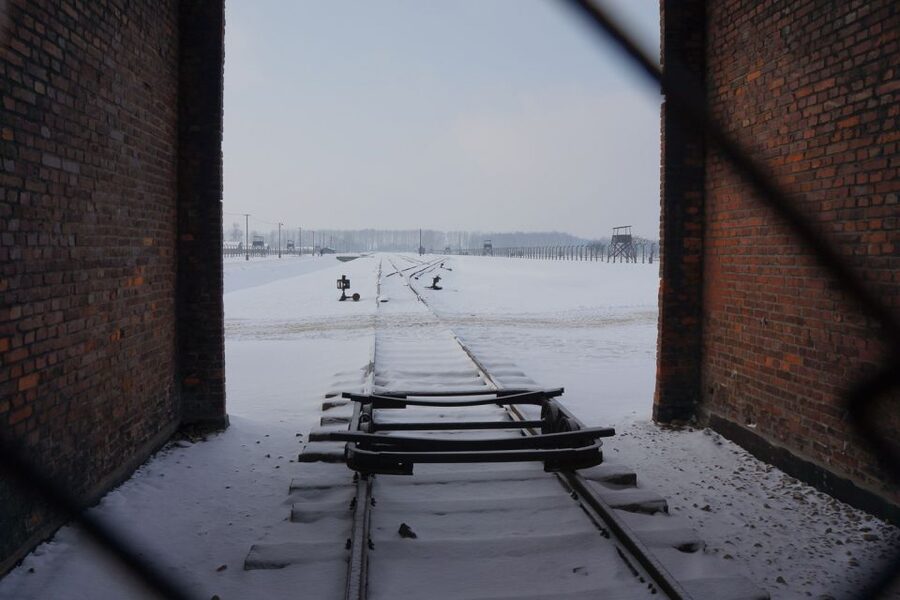
At $52 per person, this is not the cheapest way to reach Auschwitz-Birkenau, since transport to the site is not included. You pay for the museum admission, guided group service, headset, and the convenience of having the visit organized before you arrive.
That can be good value if your main concern is securing entry and understanding what you see. Museum admission alone does not give you the same level of explanation, and getting a suitable timed entry during a busy period can be difficult. The included guide also saves you from trying to piece together the two sites on your own.
The value is less convincing if you already have confirmed museum tickets, speak Polish or another available language through a separate arrangement, or need a private and flexible visit. You would still need to organize transport, and the schedule remains controlled by the museum.
I would judge the price by the importance of the date and the quality of your planning. If this is a central purpose of your time in Poland, paying for a prearranged English guided visit can remove a major source of stress. Just do not confuse skip-the-line entry with a fast, private experience. You still move with a group and follow museum rules.
Timing, Clothing, and Entry Rules
The practical rules are strict because this is a working memorial and museum, not a casual attraction.
Bring:
- Your passport or ID card, matching the booking name exactly
- Comfortable shoes for walking through both sites
- A small bag no larger than 30 by 20 by 10 centimeters
Do not bring:
- Large luggage or backpacks
- Weapons or sharp objects
- Shorts
- Sleeveless shirts
The age limit is also clear. Children under 14 are not considered suitable for this activity. People with mobility impairments may find the visit unsuitable as well.
The exact start time may change, sometimes by up to four hours. Since the tour is non-refundable, check the confirmed time carefully and keep your day open. The museum visitor service, rather than the guide or provider, controls the pace and length of the visit.
Who Will Get the Most from This Visit
This tour suits you if you want a serious, guided introduction to both Auschwitz I and Birkenau without arranging museum admission yourself. It works especially well if you are comfortable with a set route, spoken English, and a group pace.
It is also a good choice if you prefer to travel independently to the site. You can use your own transport instead of joining a package that controls your entire day from Krakow.
You may want a different arrangement if you need a non-English tour, cannot walk comfortably for the scheduled sections, or require a precise departure time. It is also not right for young children, given the subject and the stated age restriction.
The emotional weight should guide your decision. This is a place of mass murder, and the visit includes gas chamber ruins, deportation infrastructure, and exhibitions about the people imprisoned there. I would book it when you are ready to give the subject your full attention, not simply because it is a famous stop.
Should You Book the Auschwitz-Birkenau Guided Tour?
I would book this experience if you want both camps, an English-speaking guide, and museum entry arranged in advance. The headset is a small but useful feature, and the split schedule gives you time to process the first site before continuing to Birkenau.
Book only after checking your identification, bag size, clothing, transport plan, and schedule flexibility. The tour can be emotional and somewhat rushed, and the time may shift substantially. If you accept those limits, the $52 fee buys a clear route through one of Europe’s most important memorial sites and helps you understand what you are seeing rather than simply walking past it.
FAQ
Where does the tour begin?
Meet at the Auschwitz-Birkenau Museum Visitor Center, near the information boards by the gate leading to the parking area.
Is transport to Auschwitz included?
No. You must use your own transport to reach Auschwitz-Birkenau and return afterward.
How long does the full activity take?
The scheduled duration is 210 minutes, including the guided visits to Auschwitz I and Auschwitz II-Birkenau plus a 30-minute break. The actual timing may change.
What language is the guided tour in?
The live guided tour is in English.
Do I need to bring identification?
Yes. Bring the passport or ID card used for the booking. Your name must match the booking details exactly, or entry may be refused.
What size bag can I take inside?
Your bag, purse, or backpack must not be larger than 30 by 20 by 10 centimeters. Large luggage is not allowed.
Recently added in Krakow
- Auschwitz-Birkenau and Krakow Private Car Trip from Katowice★ 4.3 · 3 reviews
- Wawel Castle, Old Town with St. Mary’s Church Guided Tour★ 5.0 · 3 reviews
- Wawel Castle, Cathedral, Rynek Underground Tour with Lunch★ 5.0 · 3 reviews
- From Krakow: Chocholow Thermal Hot Springs (hotel pick up)★ 5.0 · 3 reviews
- Private tour to Zakopane and Thermal Baths from Krakow★ 5.0 · 3 reviews
- Legends of Cracow ROBOTIC SHOW★ 4.0 · 3 reviews
- From Krakow: Zakopane and Thermal Pools Guided Trip★ 5.0 · 3 reviews
- Guided Beer Tour in Krakow★ 4.5 · 3 reviews
Auschwitz-Birkenau Memorial Tours, compared.
Auschwitz-Birkenau Guided Tour & Hotel Pickup
Read our review →Auschwitz Guided Tour with Optional Hotel Pickup
Read our review →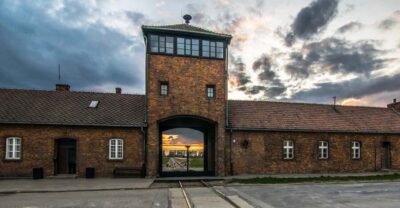
Auschwitz-Birkenau Guided Tour with Pickup & Lunch
Read our review →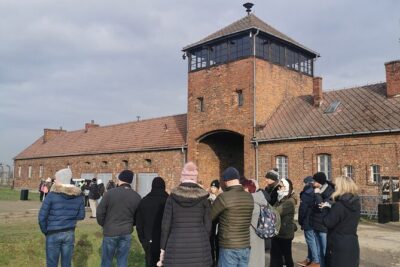
Krakow to Auschwitz Birkenau Guided Tour with Transfer and Ticket
Read our review →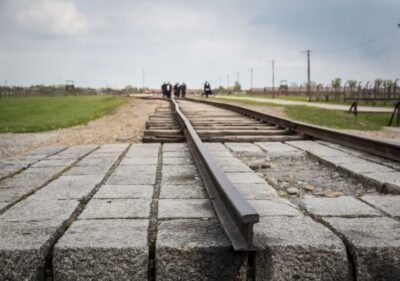
Auschwitz Birkenau Small Group Tour with Pickup
Read our review →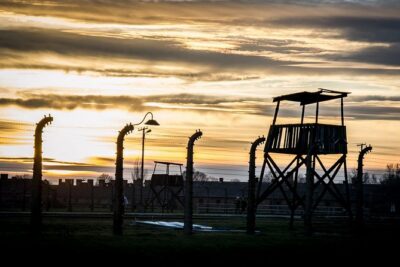
Auschwitz Birkenau Guided Tour with Ticket Hotel Pickup Small Van
Read our review →Where else this one turns up