
Reviewed · MUSEUMS
Archdiocesan Museum in Krakow
Krakow’s Archdiocesan Museum gives you a quieter look at the city’s religious and artistic past, inside 16 historic rooms on Kanonicza Street. The collection spans the 13th through 19th centuries and includes paintings, sculptures, craftwork, and gifts associated with Pope John Paul II.
I like the museum’s compact, focused collection, which makes it easier to take in than a huge national museum. I also like the setting: Kanonicza Street is one of Krakow’s oldest and most atmospheric lanes, so the visit fits naturally into a walk near the cathedral district. The main thing to consider is that this is a self-guided museum entry, not a tour with a named guide, and opening hours can change.
Key points to know before you go
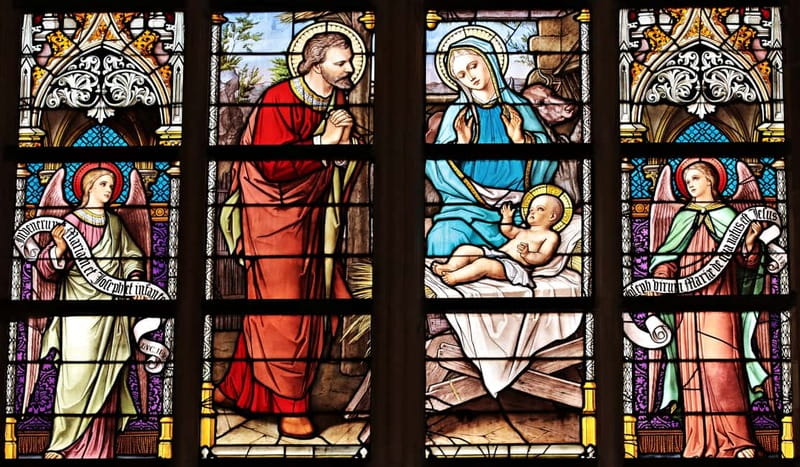
- Sixteen period rooms: See roughly 600 works displayed in rooms furnished with baroque furniture.
- Sacred art from the 13th through 19th centuries: The collection covers several hundred years of Polish religious art.
- John Paul II connection: View gifts associated with the Polish pope and Krakow’s former archbishop.
- Historic Kanonicza Street location: The museum sits on one of central Krakow’s oldest and most attractive streets.
- Low standalone price: Admission is listed at about $2.41 per person, making it an easy add-on to a day in the Old Town.
- Krakow City Card access: Holders of the Krakow City Card can enter free, though you should check the current opening hours before going.
Why the Archdiocesan Museum adds something different to Krakow
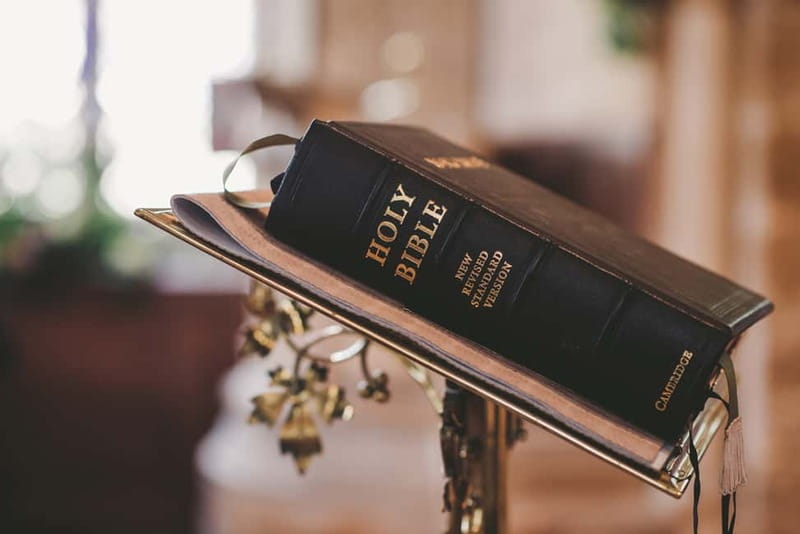
Krakow is full of major sights, but many of them tell the city’s story through royal power, trade, war, or Jewish heritage. The Archdiocesan Museum offers another angle: the role of the Catholic Church and the Krakow bishopric in Polish culture.
That matters because sacred art was not simply decoration. For centuries, churches and religious institutions were important patrons of painting, sculpture, metalwork, and textiles. The objects here help you see how faith shaped artistic life in Lesser Poland.
The collection covers a long period, from the 13th to the 19th century. You are not looking at one narrow school or one famous artist. Instead, you move through changing styles and forms of religious expression. Some works may feel solemn and formal, while others can reveal the craftsmanship of the people who made them.
The museum’s purpose is to present the artistic legacy of the Krakow bishopric. That gives the visit a clear focus. You will not find an unrelated collection of general European art. The subject remains tied to the Church, Krakow, and the Polish clergy.
More Museum Tours in Krakow:
- Auschwitz-Birkenau Museum and Memorial Guided Tour from Krakow
★ 4.5 · 1,510 reviews - Krakow: Rynek Underground Museum Guided Tour
★ 4.6 · 1,122 reviews - Krakow Schindler’s Factory Museum Guided Tour in English
★ 4.5 · 650 reviews
Kanonicza Street is part of the experience
The address is one of the museum’s strongest advantages. Kanonicza Street is among the oldest streets in Krakow, and its historic buildings make it a rewarding place to walk even if you are not planning a museum visit.
The street lies close to the city’s major religious landmarks and the historic center. That makes the museum easy to pair with other sights in central Krakow. You can fit it into a walking route rather than setting aside a full day for a distant attraction.
I would treat the street as a useful part of the visit, not just a place to find the entrance. The older façades and narrow urban setting help prepare you for rooms filled with historic religious objects. The museum feels connected to the city around it, rather than placed in a modern building with no link to its subject.
The practical benefit is simple: no transportation is included, but you may not need any. The museum is intended as a central Krakow stop, and the entry ticket covers admission only. Plan your route before you arrive, especially if you are using it as one stop among several museums.
Sixteen rooms with about 600 works
The collection is arranged across 16 historical rooms, with about 600 works of art in total. That is a substantial collection, but the room-by-room format should make it easier to manage than a giant gallery with hundreds of objects spread across a modern floor plan.
The rooms are furnished with baroque furniture. This detail changes the feel of the visit. You are not viewing the works against a plain white backdrop. The furniture and interiors help create a period setting, although they may also make the displays feel more visually dense than a modern museum.
The museum includes several types of objects:
- Paintings
- Sculptures
- Religious craftwork
- Other sacred works connected with the Krakow bishopric
You can expect the collection to reward patient looking rather than a quick photograph-and-leave approach. With so many works in a relatively small number of rooms, I would give yourself enough time to notice differences in style, materials, and subject.
The museum does not provide a detailed visit sequence in the available information, so I would not promise a fixed itinerary or a particular order of rooms. Your experience may depend on the current display arrangement and how long you spend with each group of objects.
Sacred art from the 13th through 19th centuries
The broad date range is one of the museum’s most useful features. A collection covering six centuries lets you see religious art as a changing tradition, rather than a single frozen style.
Earlier works may strike you as more formal and symbolic. Later pieces can reflect different artistic tastes and techniques. You might notice changes in the way sacred figures are presented, how clothing and gestures are shown, or how artists use color and detail.
The museum’s emphasis is not only on famous names. Its value comes from showing the work that formed part of the religious life of Krakow and the surrounding region. For you, that means the visit can offer context that a short stop at a single church may not provide.
If you have already seen Krakow’s grand interiors, this museum gives you a chance to look more closely at individual objects. In a church, your attention may be split between architecture, worship, crowds, and decoration. Here, the purpose is to examine the art and understand its place within the bishopric’s story.
A few more Krakow half days to consider
- From Krakow: Auschwitz-Birkenau Guided Tour & Hotel Pickup
★ 4.5 · 33,358 reviews - From Krakow: Auschwitz-Birkenau Guided Tour & Hotel Pickup
★ 4.5 · 29,340 reviews - Krakow: Auschwitz Guided Tour with Optional Hotel Pickup
★ 4.5 · 15,280 reviews - Krakow–Zakopane: Cable Car, Chocholow Baths, Cheese & Vodka
★ 5.0 · 10,720 reviews
The John Paul II connection
The museum also displays gifts of Pope John Paul II. This is an important part of the visit because Krakow was central to his life before he became pope, and his connection with the city remains a major part of Krakow’s modern religious identity.
The display gives the museum a link between older sacred art and the recent history of the Polish Church. You are not only looking at objects from distant centuries. You are also seeing how the institution remembers one of its most important figures.
The available information does not specify the exact number or type of these gifts, so I would keep expectations sensible. You should expect a meaningful collection of objects connected with John Paul II, but not assume that the museum is devoted only to him.
If his life and influence are a major reason you are visiting Krakow, this stop should interest you. If your main goal is secular Polish painting or decorative art, other Krakow museums may be a better match. The Archdiocesan Museum is at its best when you want the religious and civic story together.
A closer look at the Krakow clergy
The museum’s other main theme is the history of Krakow’s clergy. This gives the displays a local purpose. The objects are not presented only as beautiful examples of art. They also relate to the people and institutions that shaped religious life in Krakow.
That focus can help you read the collection in a more informed way. A sculpture or painting becomes part of a larger story about worship, patronage, education, and the role of the bishopric. You may find the museum especially useful after visiting Krakow’s cathedral district, since you can connect the objects with the places where religious authority was practiced.
The exhibition is also a good choice if you want to understand Polish culture beyond the usual royal and wartime subjects. Catholic life has played a major role in Poland, and the museum gives you a direct way to explore that part of the country’s identity.
Still, this is not a general museum of Polish history. The emphasis remains on sacred art and clergy. If you prefer interactive exhibits, dramatic historical reconstructions, or extensive English-language storytelling, confirm what interpretation is available before booking.
How much time should you allow?
The admission is valid for one to two days, with starting times depending on availability. That wording suggests flexibility, but you should still check the exact conditions attached to the option you choose.
The museum is suitable for a short cultural stop, especially when you are already walking through central Krakow. The number of rooms and works means you should avoid rushing, but you do not need to build an entire day around the visit.
I would allow enough time to look carefully through the 16 rooms and pause at the works connected with John Paul II. The right length depends on your interest in religious art. Someone who enjoys examining paintings and craftwork may want a slower visit, while someone using the museum as one stop on a packed Old Town route may prefer a shorter stay.
Because there is no transportation included, build the museum into your own day rather than expecting a transfer or organized sightseeing route. The meeting point can vary according to the option booked, so read the booking details carefully before you set out.
Is the $2.41 admission good value?
At about $2.41 per person, the standalone price is modest. For that amount, you get access to roughly 600 works in a historic setting, including objects linked with John Paul II. Even if you spend only a short time inside, the price makes the museum an easy choice for anyone already in the area.
The value is even better for someone interested in Krakow’s religious history. You are getting a focused collection rather than paying for a large general museum where this material might occupy only a small gallery.
Krakow City Card holders can enter free of charge. The card also includes access to 36 museums and landmarks, including major sights such as Schindler’s Factory, the Rynek Underground Museum, the Princes Czartoryski Museum, the Old Synagogue, the Town Hall Tower, and several branches of the National Museum.
If you plan to visit several places on the City Card list, the Archdiocesan Museum becomes a useful extra stop. It should not be the reason alone to buy the card, but free entry adds value to a pass you are already using.
Students can receive a discount, but you must carry a valid student ID and show it when asked. Bring the card with you rather than relying on a digital explanation at the entrance.
How to fit it into a Krakow museum day
The City Card list gives you many ways to build a day around the museum. You could pair the Archdiocesan Museum with the Gallery of 19th-Century Polish Art in the Sukiennice for a contrast between sacred art and Polish national painting.
Another option is to combine it with the Rynek Underground Museum, then move from the medieval city beneath the Main Market Square toward the Church and clergy collections near Kanonicza Street. The two museums present very different subjects, which helps keep the day varied.
You might also choose the Archdiocesan Museum alongside the Bishop Erazm Ciołek Palace or the Main Building of the National Museum. Those choices keep the focus on art, historic collections, and the development of Polish culture.
Do not try to force every museum into one day. The City Card list is long, and some museums have different schedules. Monday is particularly important to check, since some museums do not operate then. Opening hours can also change for other reasons, so use the official museum website before you go.
Who will appreciate this museum most?
I would recommend the Archdiocesan Museum to you if you enjoy:
- Religious painting and sculpture
- Church history and Polish cultural traditions
- Historic interiors and old city streets
- John Paul II and the modern history of Krakow’s Catholic Church
- Small museums that reward a calm, self-paced visit
- Using the Krakow City Card to visit several museums
Families may find the visit worthwhile if older children already have an interest in art or history. The subject is more specialized than a hands-on museum, and the displays may not hold the attention of very young children for long.
Art-focused visitors should appreciate the range of objects and dates. You can compare several centuries of sacred art without leaving the building. Those who prefer famous individual masterpieces should note that the attraction is defined more by its complete collection and local setting than by one headline object.
The museum also suits visitors who want a break from Krakow’s busiest sights. Its location is central, but its subject is quieter and more reflective than the city’s largest attractions.
What may not suit you
The museum has a clear religious focus, and that will not appeal to everyone. If sacred art is not your interest, the 16 rooms may feel repetitive, especially because the collection stays within one broad theme.
The information provided does not identify a guide, group size, or detailed English-language tour service. You should therefore think of this as a museum visit with an entry ticket, not a guided experience led by a named expert.
The changing opening hours are another practical concern. A low price does not help if you arrive when the museum is closed. Check the official website on the day you plan to visit, and pay particular attention if your visit falls on a Monday.
Finally, transportation is not included. That is not a serious issue for a centrally located attraction, but you are responsible for getting to the meeting point and returning from it.
Cancellation and booking details
You can cancel up to 24 hours in advance for a full refund. The ticket is valid for one to two days, although the available starting times depend on the option you select.
The meeting point may vary by booking option, and the activity ends back at that meeting point. Check the exact voucher details before leaving your hotel, especially if you are combining this visit with other City Card museums.
Should you book the Archdiocesan Museum?
Book it if you want a focused look at Krakow’s sacred art, the work of its bishopric, and gifts connected with John Paul II. The collection of about 600 works, the baroque-furnished rooms, and the Kanonicza Street location give you plenty of substance for a small admission fee.
I would especially add it to a Krakow City Card day, when entry is free and the museum can fill a gap between larger attractions. I would skip it only if your schedule is already packed with museums or if religious art is not your thing.
For the right visitor, this is a modest, worthwhile stop: central, inexpensive, historically specific, and different from Krakow’s better-known museums.
FAQ
Where is the Archdiocesan Museum in Krakow?
The museum is on Kanonicza Street, one of Krakow’s oldest and most attractive streets in the historic center.
How many artworks are in the museum?
The exhibition includes approximately 600 works of art arranged in 16 historic rooms.
What kind of art can I see?
You can see sacred paintings, sculptures, craftwork, and other religious works dating from the 13th through the 19th centuries.
Does the museum display gifts from John Paul II?
Yes. The museum displays gifts associated with the Holy Father John Paul II.
Is entry free with the Krakow City Card?
Yes. Krakow City Card holders receive free entrance to the Archdiocesan Museum.
Can I cancel for a refund?
Yes. You can cancel up to 24 hours in advance for a full refund.
Recently added in Krakow
- Auschwitz-Birkenau and Krakow Private Car Trip from Katowice★ 4.3 · 3 reviews
- Wawel Castle, Old Town with St. Mary’s Church Guided Tour★ 5.0 · 3 reviews
- Private tour to Zakopane and Thermal Baths from Krakow★ 5.0 · 3 reviews
- Wawel Castle, Cathedral, Rynek Underground Tour with Lunch★ 5.0 · 3 reviews
- From Krakow: Chocholow Thermal Hot Springs (hotel pick up)★ 5.0 · 3 reviews
- Legends of Cracow ROBOTIC SHOW★ 4.0 · 3 reviews
- From Krakow: Zakopane and Thermal Pools Guided Trip★ 5.0 · 3 reviews
- Guided Beer Tour in Krakow★ 4.5 · 3 reviews
Museums, compared.

Auschwitz-Birkenau Museum and Memorial Guided Tour from Krakow
Read our review →POLIN Museum of the History of Polish Jews Ticket
Read our review →


Krakow Schindler’s Factory Museum Guided Tour in English
Read our review →
Auschwitz Birkenau Museum Guided Tour with Pickup
Read our review →
Where else this one turns up