
Reviewed · MUSEUMS
Archaeological Museum of Krakow Entrance Ticket
The four-faced Światowid statue is the reason to make time for Krakow’s Archaeological Museum. Carved in the ninth or tenth century and found in 1848 near Zbrucz, it offers a rare look at pagan beliefs before Christianity took firm root in this part of Europe. I like the museum for that unusual focus, and for its collection of finds from Lesser Poland rather than only the better-known royal and church treasures.
I also like the setting, a former Barefoot Carmelite monastery that later became St. Michael’s Prison. The main drawback is that this is a self-guided museum visit with no guide included, and ticket delivery needs care: one booking problem involved a missing QR code and a ticket office that refused entry without it.
Key points
- See Światowid, a rare four-faced pagan idol dating from the ninth or tenth century.
- Visit a former monastery and prison, buildings with a striking history of their own.
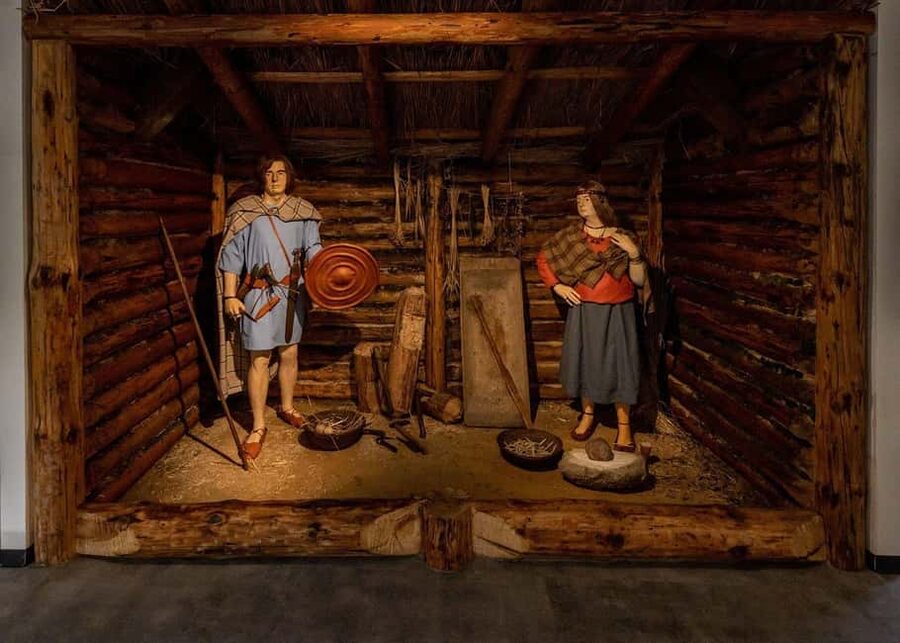
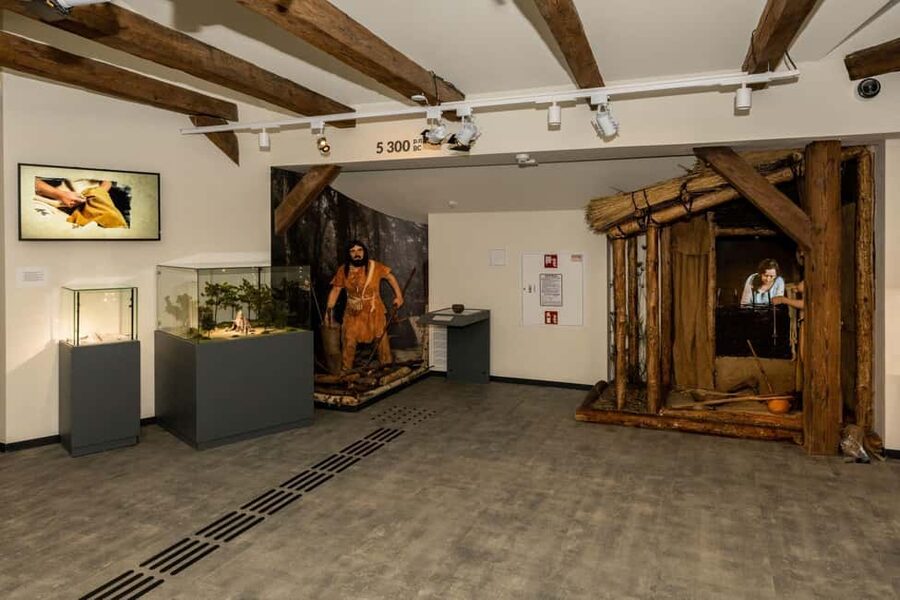
- Explore Lesser Poland’s archaeology, from early settlement remains to objects linked with pagan customs.
- Add two branches if available, St. Wojciech’s Church beneath the Main Square and Nowa Huta-Branice.
- Pay about $2.13 per person, making the main museum a low-cost addition to a Krakow sightseeing day.
- Allow time for the last admission rule, since entry ends 90 minutes before closing.
Why Światowid makes this museum worth your time
Many Krakow museums point you toward kings, artists, religious treasures, or the city’s wartime experience. The Archaeological Museum takes you farther back. Its central attraction is an ancient pagan figure with four faces, a compact stone reminder that the region had spiritual traditions long before the churches and castles you see across Krakow.
The statue is known as Światowid and dates from the ninth or tenth century. It was found in 1848 in Zbrucz, an area now associated with western Ukraine, and became the museum’s best-known object. The four faces give the idol an unusual presence, even for visitors who do not usually seek out archaeology museums.
I would make this the first thing you look for. Once you have seen it, the other displays make more sense because you are looking at the early beliefs, tools, objects, and settlement traces of a region that later became Christian Poland.
More Museum Tours in Krakow:
- Auschwitz-Birkenau Museum and Memorial Guided Tour from Krakow
★ 4.5 · 1,510 reviews - Krakow: Rynek Underground Museum Guided Tour
★ 4.6 · 1,122 reviews - Krakow Schindler’s Factory Museum Guided Tour in English
★ 4.5 · 650 reviews
From Carmelite monastery to St. Michael’s Prison
The building adds a second layer to the visit. For decades, the site belonged to the Barefoot Carmelites and operated as the Monastery of St. Michael. In the nineteenth century, the Austrians who were stationed in Krakow changed its purpose completely and established a prison there.
The prison kept the old monastic name and became known as St. Michael’s Prison. That contrast is worth keeping in mind as you move through the museum: a place once devoted to religious life later became a place of confinement, then a home for archaeology after the Second World War.
You should not expect every room to function as a polished historic-house display. The important point is the building’s changing role. It gives the museum a sense of place that a modern gallery would not have.
After the war, the prison closed and the Archaeological Museum was established. The institution now brings together objects discovered in Lesser Poland and material connected with Krakow’s earliest periods.
What you see inside the main museum
The main building is the safest choice if you have limited time. Your ticket includes entry to the Archaeological Museum, and the main collection is where you can see the famous Światowid statue and the broader archaeological material from the Lesser Poland region.
The supplied information does not give a room-by-room route, guide name, or fixed exhibition schedule. That means you should treat the visit as an independent museum stop rather than a guided tour with a set sequence. You can spend longer with the objects that interest you and move quickly through displays that feel less relevant.
The museum’s value comes from its time span and local focus. You are not simply looking at isolated old objects. You are seeing evidence connected with communities that lived in and around the region long before modern Krakow took shape.
That makes the museum a good choice for anyone who wants context for the city. If you have already visited the Main Square, St. Mary’s Basilica, Wawel, or the city walls, this visit shifts your attention away from medieval and early modern Krakow and toward a much earlier past.
The pagan world behind the four faces
The Światowid statue is the clearest link to the museum’s pagan theme. It represents a four-faced deity and is often treated as the museum’s signature object. The dating is given as the ninth or tenth century, placing it in a period when Christian influence and older local beliefs overlapped in the wider region.
You will not need a long guided explanation to understand why it matters. Four faces on one stone figure immediately suggest a different religious world from the saints and crucifixes found in Krakow’s churches.
Still, you should allow yourself time to read the surrounding information if it is available during your visit. The statue is visually memorable, but its real value lies in the questions it raises: how did people understand the world, which figures did they worship, and how did those beliefs change?
This is also the museum’s strongest point of difference. If you have only one free hour and want another view of Krakow’s past, Światowid gives you something you will not find in the city’s main art museums.
A few more Krakow half days to consider
- From Krakow: Auschwitz-Birkenau Guided Tour & Hotel Pickup
★ 4.5 · 33,358 reviews - From Krakow: Auschwitz-Birkenau Guided Tour & Hotel Pickup
★ 4.5 · 29,340 reviews - Krakow: Auschwitz Guided Tour with Optional Hotel Pickup
★ 4.5 · 15,280 reviews - Krakow–Zakopane: Cable Car, Chocholow Baths, Cheese & Vodka
★ 5.0 · 10,720 reviews
St. Wojciech’s Church beneath the Main Square
The museum has a branch at St. Wojciech’s Church on Krakow’s Main Square. An underground exhibition there presents the history of the square, the church, and its patron, Saint Wojciech.
The branch lets you connect archaeology with one of Krakow’s most familiar public spaces. Above ground, the Main Square is one of the city’s grandest gathering places. Below it, the exhibition deals with earlier layers and with the history of a church that has watched the square change over time.
You can see remnants of wooden and stone floors, along with Romanesque walls. These remains are valuable because they turn a familiar sightseeing stop into a place with visible physical layers. Instead of only hearing that Krakow developed over centuries, you can look at parts of earlier construction.
Check your selected option carefully before assuming that both branches are included. The activity information identifies the museum’s branches, but the meeting point and access details may vary by option. If you are planning your day around the Main Square branch, confirm the exact ticket coverage and opening hours before setting off.
Nowa Huta-Branice and the archaeology of a newer district
The second branch is at Nowa Huta-Branice. It is closely linked with the Nowa Huta district and its metallurgical plant, a very different setting from the old center of Krakow.
Archaeological discoveries there began in 1949 during early construction work. That date gives the branch a useful connection to the postwar expansion of Nowa Huta. The site is not simply an extra museum room. It connects archaeology with the building of one of Krakow’s major modern districts.
This branch will suit you best if you have more than a quick city-center visit in mind, or if Nowa Huta is already part of your plans. It may be less convenient if you are staying around the Old Town and have only a short break between major sights.
The available information does not specify the exact route between the main museum and Nowa Huta-Branice, nor does it promise transport. Plan this as a separate stop unless your chosen option clearly explains otherwise. That small bit of planning matters more here than it does for the central branches.
How the $2.13 price affects the value
At about $2.13 per person, the ticket is inexpensive by Krakow sightseeing standards. Even a short visit centered on Światowid can justify the cost, especially if you are interested in early Europe, local archaeology, or unusual museum collections.
The low price also makes this an easy rainy-day choice. You do not need to sacrifice a large part of your budget, and you can pair the museum with nearby sights rather than build an entire day around it.
The value is strongest for independent visitors. You receive museum admission, not a guide, lecture, transfer, meal, or bundled activity. If you want detailed interpretation at every display, you may find the experience quieter and less directed than a guided tour.
A Krakow City Card changes the calculation. Card holders enter free, so buying this separate ticket would not make sense if your card is valid for the museum. The museum is also included among the attractions available through the Krakow City Pass, which provides access to 36 museums and landmarks for one to three days.
That pass can be useful if you plan to visit several included sites, such as Schindler’s Factory, the Rynek Underground Museum, the Polish Aviation Museum, the Princes Czartoryski Museum, or the city defense walls. Do the arithmetic first. The archaeological museum alone is inexpensive, while the pass only pays off when you use it repeatedly.
Pairing the museum with other Krakow museums
The Archaeological Museum works best as part of a larger museum day. It gives you the earliest time period, while nearby or included institutions cover art, Jewish history, aviation, wartime Krakow, and the city’s medieval center.
You might pair the main building with the underground exhibition at St. Wojciech’s Church. That combination keeps the focus on archaeology and lets you compare the museum’s broad regional material with physical remains beneath the Main Square.
The Krakow City Pass also lists the Main Building of the National Museum, the Gallery of 19th-Century Polish Art in the Sukiennice, the Old Synagogue, the Galicja Jewish Museum, MOCAK, the Polish Aviation Museum, and the Podgórze Museum. These places appeal to different interests, so the pass is most useful when your schedule includes several kinds of history and art.
Do not feel obliged to rush through every listed attraction. The archaeological museum is a better fit for a thoughtful one-hour stop than for a hurried checklist visit. The low admission price gives you permission to keep the visit simple.
Timing, entry, and the practical details
The ticket is described as valid for one to two days, with starting times shown when you check availability. Since opening hours can change, verify the exact hours on the local operator’s official website before you go.
The last entrance is 90 minutes before closing. That is an important rule, especially if you are fitting the museum into an afternoon. Arriving close to closing may leave you unable to enter, even if the building itself remains open.
The meeting point may vary according to the option you book, and the activity ends back at the meeting point. Since the experience is an entrance ticket rather than a guided walking tour, you should read the selected option carefully for the correct branch and starting information.
There is no guide included. You will need to make your own way through the exhibits and decide how much time to spend at the main building or branches.
One ticket problem deserves special attention. A booking issue resulted in a visitor not receiving the ticket, and the ticket office would not allow entry without the QR code. Save the ticket where you can display it easily, and check that the QR code arrives before you leave for the museum. This is a small step, but it can prevent a frustrating trip across town.
Smoking, alcohol, and drugs are not allowed. Free cancellation is available up to 24 hours in advance for a full refund, according to the stated conditions.
Who will enjoy this museum most
I would recommend the museum to you if you like archaeology, early religious history, or places that explain what came before the main tourist story. The Światowid statue gives the visit a clear purpose, while the former monastery and prison provide an unusual setting.
Families with older children may also find the four-faced idol more memorable than a long series of display cases. Younger children may need help staying engaged because the visit is self-guided and the supplied information does not describe interactive features.
The museum suits repeat visitors to Krakow especially well. On a first visit, you may prioritize Wawel, the Main Square, and the city’s major art collections. On a return visit, the Archaeological Museum offers a different angle without demanding a full day.
It is less suitable if you want a guided narrative, transport, or a tightly organized tour. Nothing in the ticket includes a guide, and no named guide is provided. You are paying for access and choosing your own pace.
Should you book the Archaeological Museum ticket?
Book it if the Światowid statue, pagan beliefs, and the early archaeology of Lesser Poland sound more interesting to you than another general city museum. At $2.13, the financial risk is low, and the former monastery and prison give the main building extra character.
Skip the separate ticket if you already hold a Krakow City Card or a Krakow City Pass that includes the museum. Also check the QR code and the exact branch before leaving, since the ticket issue and changing opening hours are the main practical concerns.
For most independent visitors, this is a modest, worthwhile museum stop rather than a headline Krakow attraction. Give it an hour or two, focus first on Światowid, and add St. Wojciech’s Church or Nowa Huta-Branice only if your ticket and schedule make the extra visits convenient.
FAQ
What does the Archaeological Museum ticket include?
The ticket includes entrance to the Archaeological Museum. Depending on the option booked, access may relate to the main building or one of the museum’s branches.
Is a guide included?
No. The ticket includes museum admission, but a guide is not included.
Where is the Archaeological Museum located?
The main museum is in the former Monastery of St. Michael, which later operated as St. Michael’s Prison. The museum also has branches at St. Wojciech’s Church on Krakow’s Main Square and at Nowa Huta-Branice.
Can I see the Światowid statue with this ticket?
The Światowid statue is the Archaeological Museum’s most famous attraction. It is a ninth or tenth-century four-faced pagan statue discovered in 1848 in Zbrucz.
How long is the ticket valid?
The activity is listed as valid for one to two days. Check the selected option and availability details for the exact conditions and starting times.
Is admission free with a Krakow City Card?
Yes. Entrance is free for Krakow City Card holders.
What is the latest time I can enter?
The last entrance is 90 minutes before closing. Opening hours may change, so check the local operator’s official website for the exact schedule.
Recently added in Krakow
- Auschwitz-Birkenau and Krakow Private Car Trip from Katowice★ 4.3 · 3 reviews
- Wawel Castle, Old Town with St. Mary’s Church Guided Tour★ 5.0 · 3 reviews
- Wawel Castle, Cathedral, Rynek Underground Tour with Lunch★ 5.0 · 3 reviews
- From Krakow: Chocholow Thermal Hot Springs (hotel pick up)★ 5.0 · 3 reviews
- Private tour to Zakopane and Thermal Baths from Krakow★ 5.0 · 3 reviews
- Legends of Cracow ROBOTIC SHOW★ 4.0 · 3 reviews
- From Krakow: Zakopane and Thermal Pools Guided Trip★ 5.0 · 3 reviews
- Guided Beer Tour in Krakow★ 4.5 · 3 reviews
Museums, compared.

Auschwitz-Birkenau Museum and Memorial Guided Tour from Krakow
Read our review →POLIN Museum of the History of Polish Jews Ticket
Read our review →


Krakow Schindler’s Factory Museum Guided Tour in English
Read our review →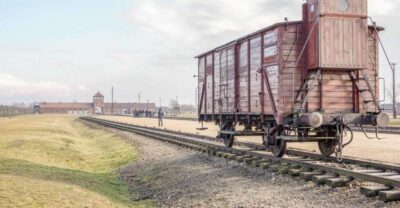
Auschwitz Birkenau Museum Guided Tour with Pickup
Read our review →
Where else this one turns up