
Reviewed · CYCLING TOURS
Krakow: Hidden Bike Tour
Krakow’s best stories are not all in the postcard center. This three-hour bike ride heads beyond the Old Town and Kazimierz to connect World War II sites with the Polish people who lived through them, resisted, suffered, and helped shape Europe afterward. I like the focus on places most short city visits miss, especially the Podgórze district and its former Jewish ghetto.
I also like the slow pace and solid bicycles, which let you pay attention to the guide instead of fighting traffic or racing from stop to stop. The guide Bryan has earned particular praise for taking his time and explaining each stop fully. The main drawback is physical: you must walk up a hill to reach the city viewpoint, and the tour is not suitable for people with mobility impairments.
Key points to know before you book
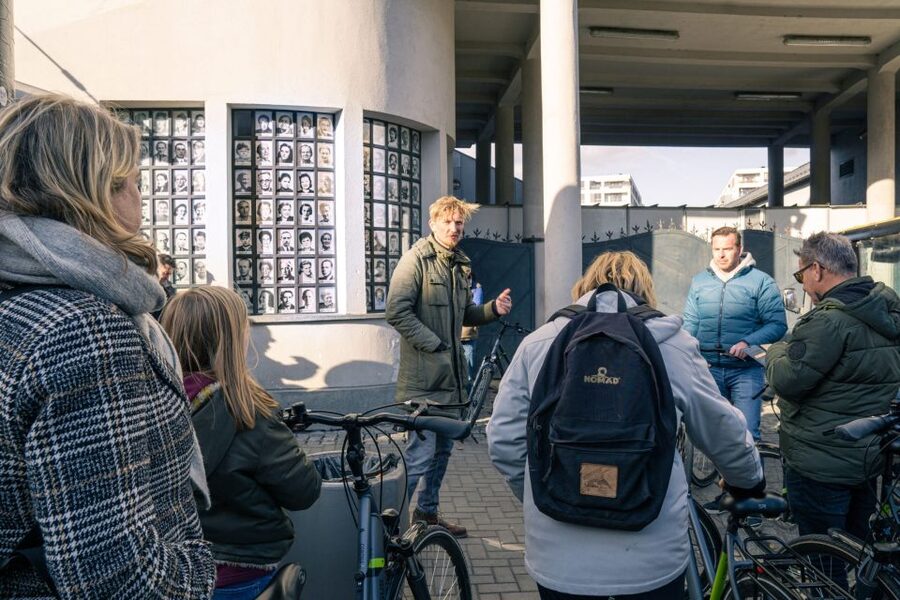
- World War II beyond the standard route: Visit Podgórze, the former Jewish ghetto, a Jewish cemetery, and Schindler’s factory.
- Stories of Polish heroes: Learn how Polish resistance figures and soldiers affected the liberation of the Netherlands and Italy.
- A slower three-hour ride: The relaxed pace leaves room for explanations, pauses, and photographs.
- A different Krakow: This route avoids the main Old Town and Kazimierz highlights covered by the company’s other bike tour.
- Guide Bryan’s personal style: Expect an enthusiastic guide who takes time with the stories rather than rushing through a checklist.
- One uphill walk: The viewpoint requires you to leave the bicycle and climb on foot.
Why this ride reaches a different Krakow
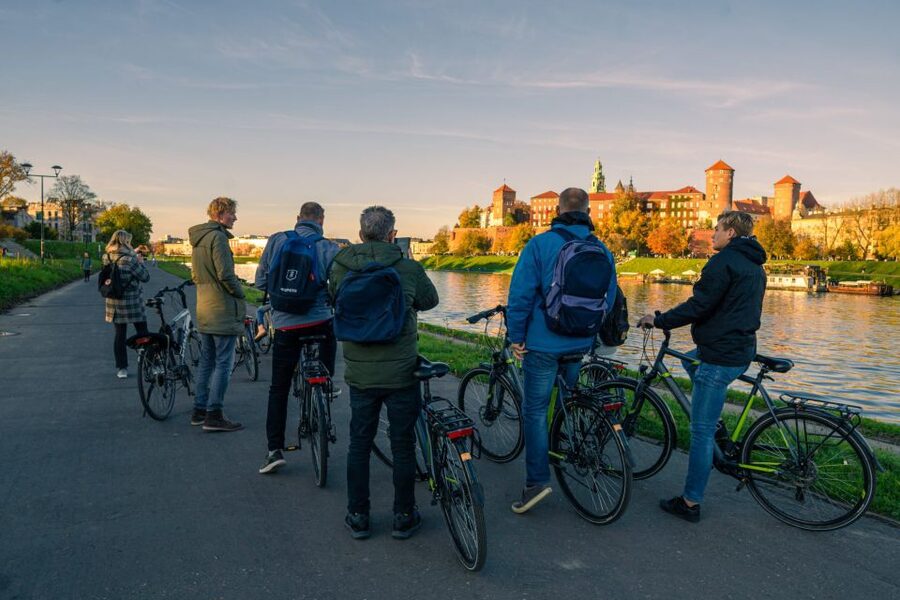
Most first visits to Krakow center on the Main Market Square, Wawel Castle, and Kazimierz. Those places deserve their time, but they can leave you with only part of the city’s story. This route takes you outward, where modern Polish history becomes easier to understand through streets, memorials, parks, and surviving traces of wartime Krakow.
The main subject is Poland during World War II and the difficult years that followed. That gives the tour a serious tone, but the format keeps it active. You are not sitting in a room for three hours. You are moving through the city, stopping for stories, then riding on to the next place.
I think this works especially well if you are visiting Auschwitz. Auschwitz presents one crucial part of the war, but this bike tour adds Krakow’s local setting and Poland’s wider wartime role. You get more context about the people, neighborhoods, and national experience behind the dates and facts.
The route also avoids the standard material covered by a complete Krakow bike tour. If you have already seen the Old Town and Jewish Quarter by bicycle, this is the more useful second ride. If you have not, you can still book it, but you should plan separate time for those first-visit sights.
More Bike Tours in Krakow
- Complete Cracow Bike Tour (small group of maximum 15 people!)
★ 5.0 · 1,322 reviews - Krakow: Bike Tour of Old Town, Jewish Quarter and the Ghetto
★ 4.9 · 1,155 reviews - Highlights of Krakow Bike Tour – Small group
★ 5.0 · 662 reviews
Starting beyond the tourist center
The tour’s greatest strength is also its defining choice: it does not spend the afternoon ticking off Krakow’s famous central attractions. Instead, your guide takes you toward less visited parts of the city, where the stories require more explanation and fewer ready-made photo stops.
That means the experience may feel less immediately familiar than a ride around the Main Market Square. You are not being handed a quick introduction to every famous building. You are being shown how Poland’s wartime past affected real districts and how later generations remembered it.
A guide-led bicycle ride is useful here because the places are spread out. Walking between them would take more time and energy, while a standard sightseeing vehicle would make the city feel distant. The bicycle keeps you close to the streets and allows the group to stop at places that would be easy to pass by.
The pace is described as relaxed and slow. That matters on a history-focused tour. Bryan is noted for taking time at each stop, which should appeal to you if you prefer a clear explanation over a hurried list of dates. It also means the tour is not aimed at cyclists looking for exercise.
Polish heroes in one of Krakow’s parks
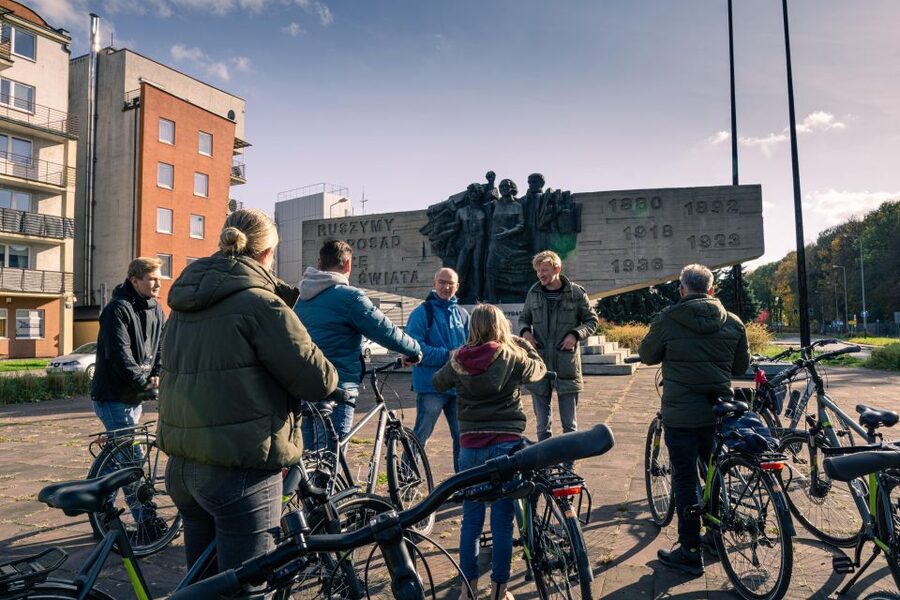
One of the most unusual portions takes place outside the central sightseeing circuit, in one of Krakow’s beautiful parks. The park contains statues of Polish heroes, giving the guide a natural setting for stories about courage, sacrifice, and national memory.
This stop helps prevent the tour from becoming only a catalogue of wartime suffering. Poland’s story includes victims, but also people who resisted, helped others, fought abroad, and kept national identity alive under extreme pressure. The guide uses these figures to show how Poland’s past still shapes the way its people see themselves.
You will also hear about Poland’s role in the liberation of the Netherlands and Italy. That point may be unfamiliar to many visitors, particularly those arriving with a simplified picture of the war. It is one of the tour’s more useful features: the guide puts Polish actions into the wider European story rather than treating Poland as a passive setting for events decided elsewhere.
Expect an emotional section. The material includes pride, grief, hope, and loss. That is a good reason to choose this tour when you have enough time and attention for serious history. It is less suitable if you want a light ride with only a few amusing facts.
Entering Podgórze and the former Jewish ghetto
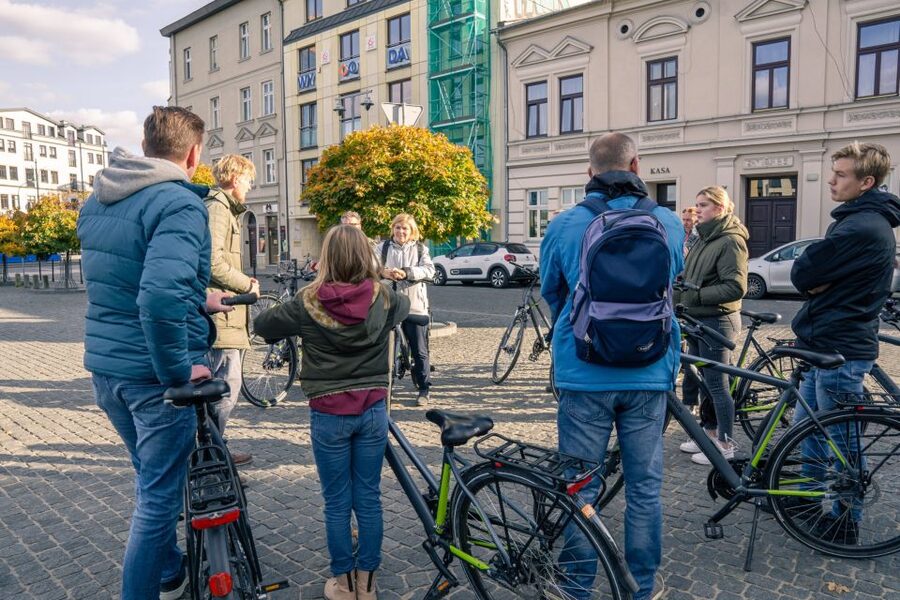
The route continues into Podgórze, a district on the other side of the Vistula River from the historic center. Here the wartime subject becomes more immediate through places linked to Krakow’s Jewish population and the German occupation.
The former Jewish ghetto is an important stop because it puts the history into an urban setting. Rather than hearing only about policies and numbers, you begin to connect those events with a particular part of Krakow. Your guide can explain the district’s role while you see the streets where this chapter unfolded.
The tour also visits a Jewish cemetery. A cemetery stop naturally calls for respect and attention, and it adds another layer to the visit. It connects wartime destruction with the older Jewish presence in Krakow, helping you understand that the city’s Jewish story did not begin with World War II.
This section may be difficult, but it is not presented as a quick detour. The emphasis on time and explanation gives the guide room to describe the people affected and the way Poland remembers them. I would not choose this ride as background noise while taking casual photographs. You will get more from it if you listen closely.
A different kind of day in Krakow:
- From Krakow: Auschwitz-Birkenau Guided Tour & Hotel Pickup
★ 4.5 · 33,358 reviews - From Krakow: Auschwitz-Birkenau Guided Tour & Hotel Pickup
★ 4.5 · 29,340 reviews - Krakow: Auschwitz Guided Tour with Optional Hotel Pickup
★ 4.5 · 15,280 reviews - Krakow–Zakopane: Cable Car, Chocholow Baths, Cheese & Vodka
★ 5.0 · 10,720 reviews
Schindler’s factory and the city’s wartime memory
Schindler’s factory is another major Podgórze stop. The site is familiar to many people because of the film Schindler’s List, but a visit from the outside on a bicycle tour is not the same as a museum visit. The important question is how the guide uses the place to explain Krakow during the war.
Here, the factory becomes part of a larger story about occupation, rescue, exploitation, and survival. The tour does not promise an extended interior museum visit, so you should not book it expecting a full museum tour of the building. Instead, the stop works as part of the wider route through Podgórze.
That distinction helps with planning. If you want a detailed indoor visit to Schindler’s Factory, allow separate time for that attraction. The bike tour gives you context and connects the factory with the former ghetto and Jewish cemetery, which is valuable in its own right.
I like this combination because it avoids treating Schindler’s factory as an isolated film location. You see it alongside the neighborhood and other wartime sites. The result is a broader picture of Krakow rather than a single famous story.
The viewpoint requires a walk uphill
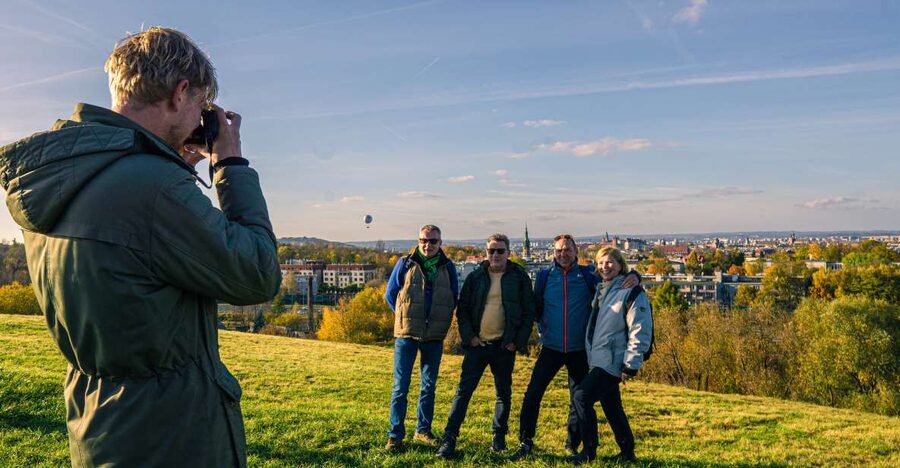
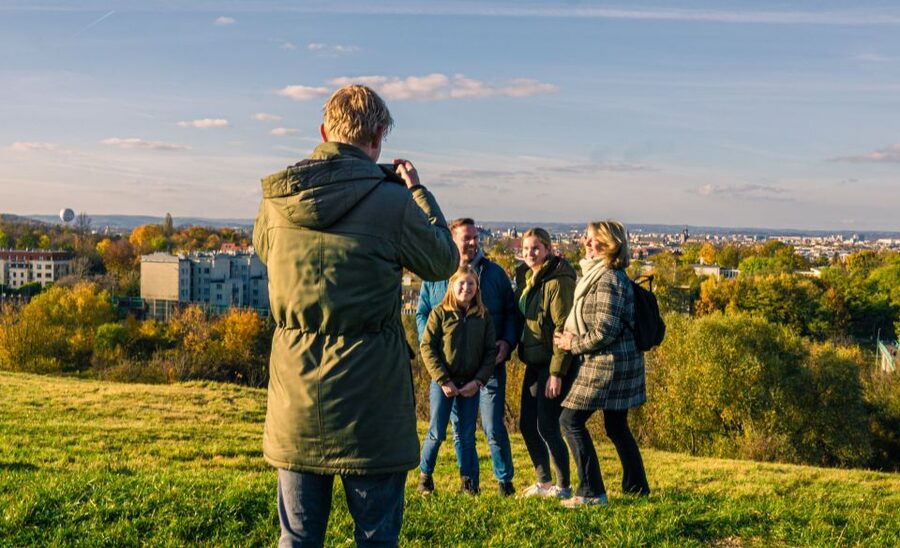
The tour includes a city viewpoint reached by walking up a hill. The bicycle can carry you most of the way through the route, but not through this final climb. The information provided does not specify the hill’s name or length, so you should treat it as a real walking section rather than assume it is a quick step off the bike.
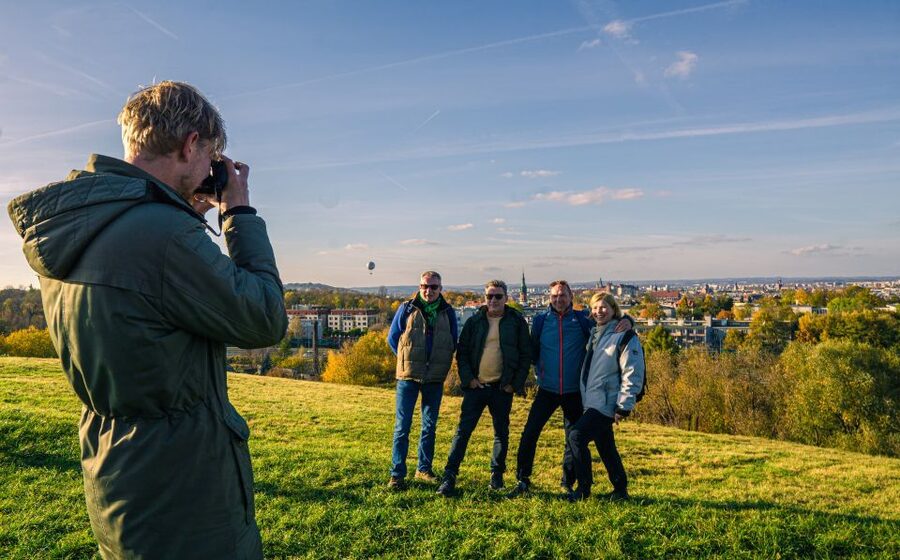
The reward is a view over Krakow, offering a useful pause from the heavier historical material. A higher vantage point can also help you understand how the districts fit together, though the exact view depends on the route and conditions that day.
This is the one clear physical warning. The tour is not suitable for people with mobility impairments, and anyone uncertain about uphill walking should ask before booking. You do not need to be an athletic cyclist, but you should be comfortable riding for three hours and walking uphill at one point.
What the bicycles and pace mean for you
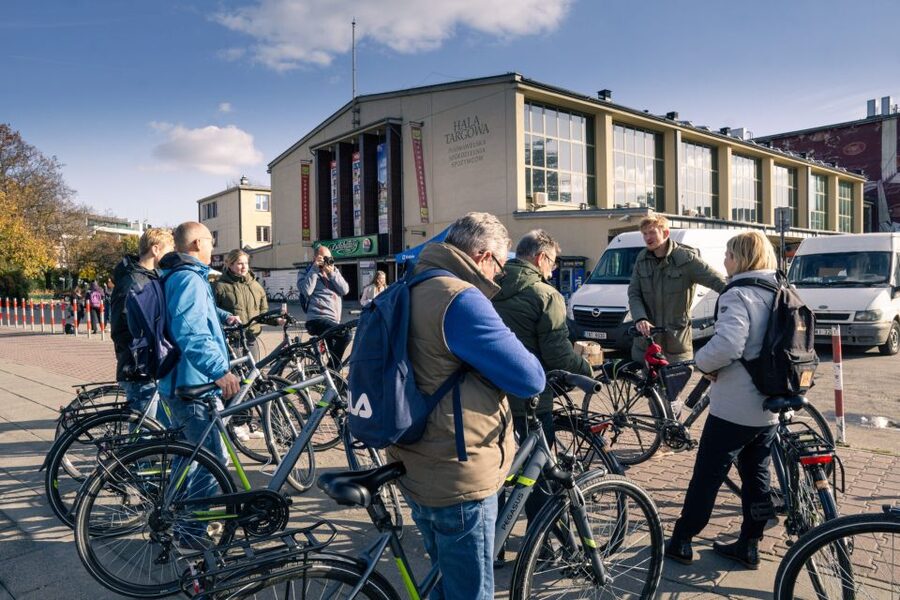
A quality bicycle is included, as is a helmet if you request one. A poncho is available if needed, which is a practical touch in a city where weather can change during an afternoon. Food and drinks are not included, so bring water and plan any snack around the tour rather than expecting a refreshment stop.
E-bikes are not included. The tour uses standard bicycles, making the slow pace important for anyone who does not regularly cycle. The description emphasizes an easy ride, but you still need to be comfortable on a bicycle for the full three hours.
The guide’s approach appears to be more conversational and explanatory than performance-driven. Bryan is singled out for his enthusiasm, detailed explanations, and willingness to give each stop enough time. That is precisely what you want on a history ride. The bicycle is the means of getting between stories, not the main event.
You should also expect the guide to speak while you are stopped, not while you are riding. That makes the tour easier to follow and keeps the focus on safety and listening. The booking information lists English, Dutch, or German guide options depending on preference, while the live guide information identifies Dutch as the guide language. Confirm your preferred language when booking.
Is $41 a fair price?
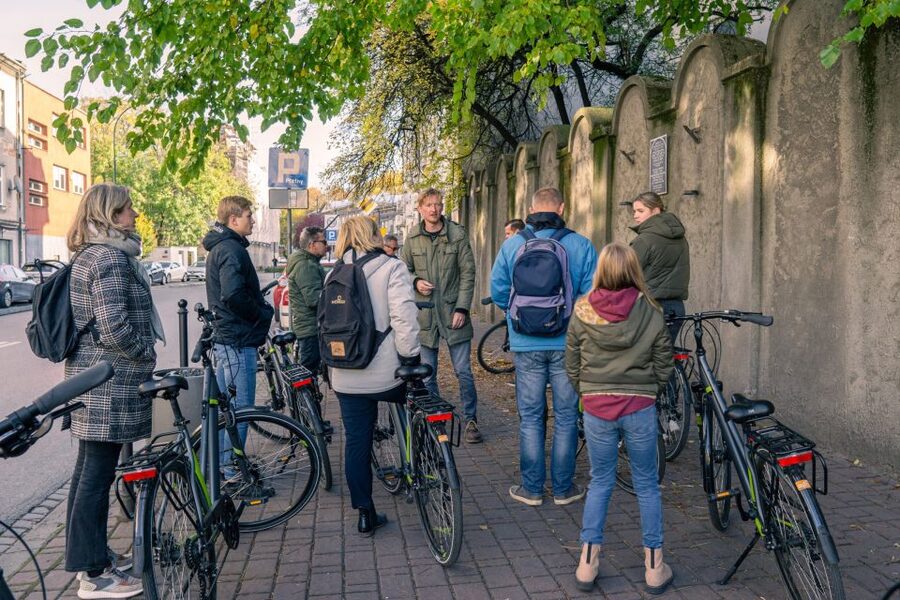
At $41 per person, this is not the cheapest way to see Krakow, but the value is reasonable if you want a specialist route rather than a general city orientation. You are paying for three hours, a bicycle, a local guide, and access to a carefully connected set of places outside the usual center.
The value depends on your interests. If you mainly want famous architecture and a quick overview, a standard Old Town ride may suit you better. If you want to understand Poland’s wartime experience and prefer moving between locations instead of sitting in a museum, this route offers more for the money.
The included bicycle also matters. Renting a bike separately would not give you the route, guide, or historical explanation. The tour combines transport with interpretation, and the slower pace means the guide can spend time at the stops. That makes the price easier to justify for first-time visitors who want a structured afternoon.
Food, drinks, and an e-bike cost extra or are not provided. Those exclusions are simple, but they matter if you need powered assistance or expect a meal. Bring your own water and choose a different option if a standard bicycle is not practical for you.
Who should choose this tour?
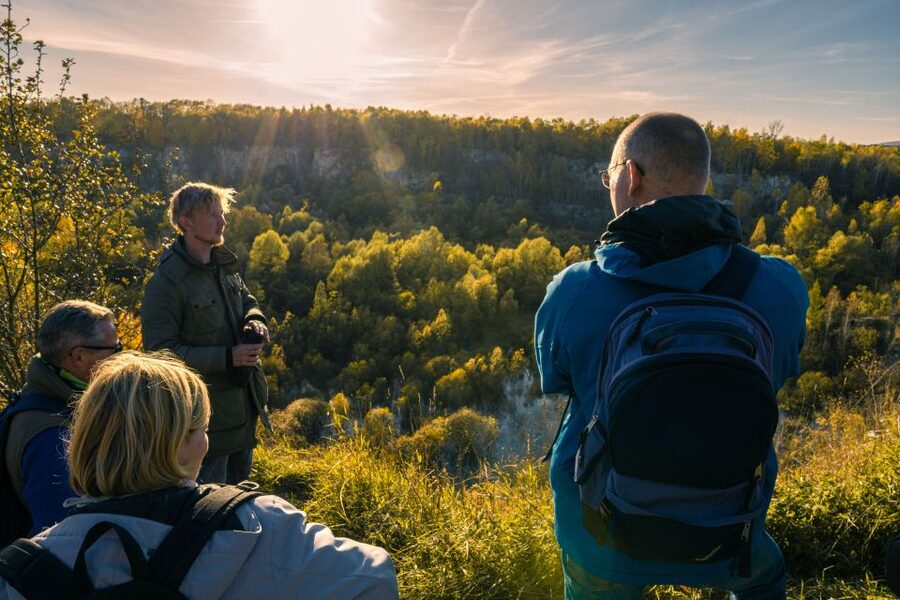
I would recommend it to you if you have already allowed time for Krakow’s central sights and want a second look at the city. It is also a strong choice before or after Auschwitz, since it adds Krakow-specific wartime settings rather than repeating the same visit.
History-minded visitors will get the most from it, especially those interested in Polish heroes, Jewish Krakow, resistance, and the country’s role in the liberation of other parts of Europe. The emotional tone is part of the value, but you should be ready for serious subject matter.
The tour also suits you if you want a calm ride. The guide is praised for enthusiasm, but the cycling itself is not described as strenuous. You can expect time to stop, listen, and take in the setting.
I would hesitate to recommend it if your main goal is an energetic bike outing, a food tour, or a quick introduction to Krakow’s famous landmarks. It also is not a good fit if you cannot manage the uphill walk or if you need an e-bike.
Booking flexibility and practical planning
You can cancel up to 24 hours in advance for a full refund, and you can reserve now while paying later. That is useful when your schedule depends on weather, museum times, or an Auschwitz visit.
The tour lasts three hours, with starting times subject to availability. Because the route deals with serious history and includes several stops, avoid placing it right before a tightly timed appointment. Give yourself room for the full ride and the possibility that the guide’s detailed explanations make the afternoon feel full.
Wear clothing suitable for cycling and walking. Request a helmet if you want one, and keep a poncho available if rain is possible. Since no food or drinks are included, carry water and eat beforehand if you do not want to pause your plans afterward.
Should you book the Hidden Krakow Bike Tour?
Book it if you want Krakow’s less familiar wartime story, a relaxed ride, and a guide who gives the subject time. The strongest reasons are the Podgórze route, the former Jewish ghetto, Schindler’s factory, the Jewish cemetery, and the park filled with Polish heroes. Bryan’s enthusiastic, detailed guiding style adds real value to a route that depends on explanation.
Skip it if you only have one short afternoon and still need the Old Town and Kazimierz, or if uphill walking and standard bicycles are a problem. For the right visitor, though, this is a thoughtful companion to Auschwitz and a good way to see how Poland’s modern history lives beyond Krakow’s famous square.
FAQ
How long does the Hidden Krakow Bike Tour last?
The tour lasts three hours.
What areas does the tour visit?
The route includes places outside Krakow’s main center, including the Podgórze district, a Jewish cemetery, Schindler’s factory, the former Jewish ghetto, a park with statues of Polish heroes, and a city viewpoint.
What is the main theme of the tour?
World War II and Poland’s later history are the main themes. The guide also discusses Polish heroes, victims, Polish culture, and Poland’s role in the liberation of the Netherlands and Italy.
Is a bicycle included?
Yes. A quality bicycle is included in the $41 price.
Is an e-bike available?
No. An e-bike is not included.
What languages are available?
The tour information lists English, Dutch, or German guide options depending on your preference. The live guide information identifies Dutch, so confirm your preferred language when booking.
Is the tour suitable for people with mobility impairments?
No. You must walk uphill to reach the viewpoint, and the experience is not suitable for people with mobility impairments.
Recently added in Krakow
- Auschwitz-Birkenau and Krakow Private Car Trip from Katowice★ 4.3 · 3 reviews
- Wawel Castle, Old Town with St. Mary’s Church Guided Tour★ 5.0 · 3 reviews
- Wawel Castle, Cathedral, Rynek Underground Tour with Lunch★ 5.0 · 3 reviews
- From Krakow: Chocholow Thermal Hot Springs (hotel pick up)★ 5.0 · 3 reviews
- Private tour to Zakopane and Thermal Baths from Krakow★ 5.0 · 3 reviews
- Legends of Cracow ROBOTIC SHOW★ 4.0 · 3 reviews
- Guided Beer Tour in Krakow★ 4.5 · 3 reviews
- From Krakow: Zakopane and Thermal Pools Guided Trip★ 5.0 · 3 reviews
Cycling Tours, compared.
Complete Cracow Bike Tour (small group of maximum 15 people!)
Read our review →
Bike Tour of Old Town, Jewish Quarter and the Ghetto
Read our review →
Full Bike Tour – the Old Town, Jewish Qtr & the Ghetto NEW BIKES
Read our review →
Bike Tour of the Old Town, Kazimierz, and the Ghetto
Read our review →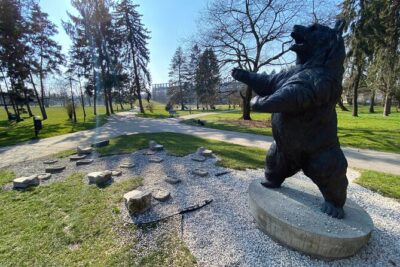
Half-Day Warsaw City Sightseeing Bike Tour for Small Group
Read our review →Where else this one turns up