
Reviewed · GDANSK TOURS
Stutthof Concentration Camp Half-Day Private Tour
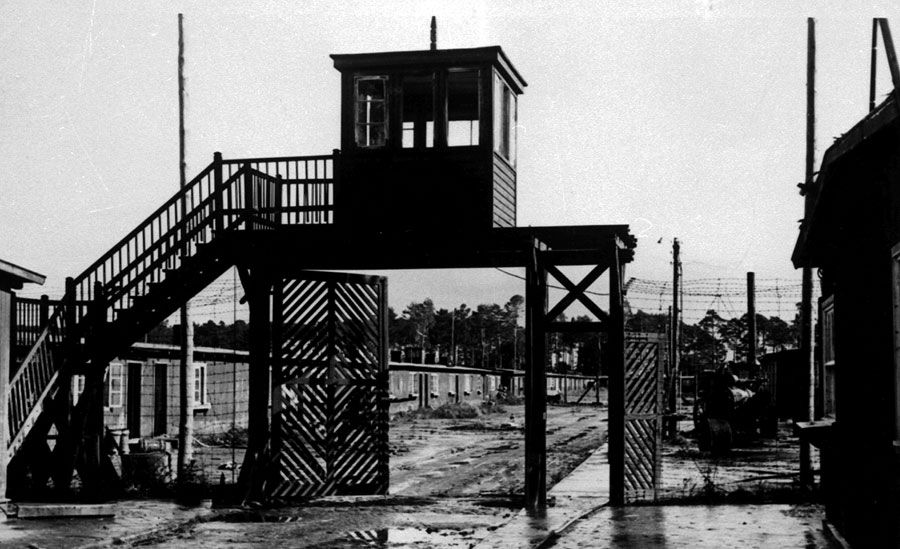
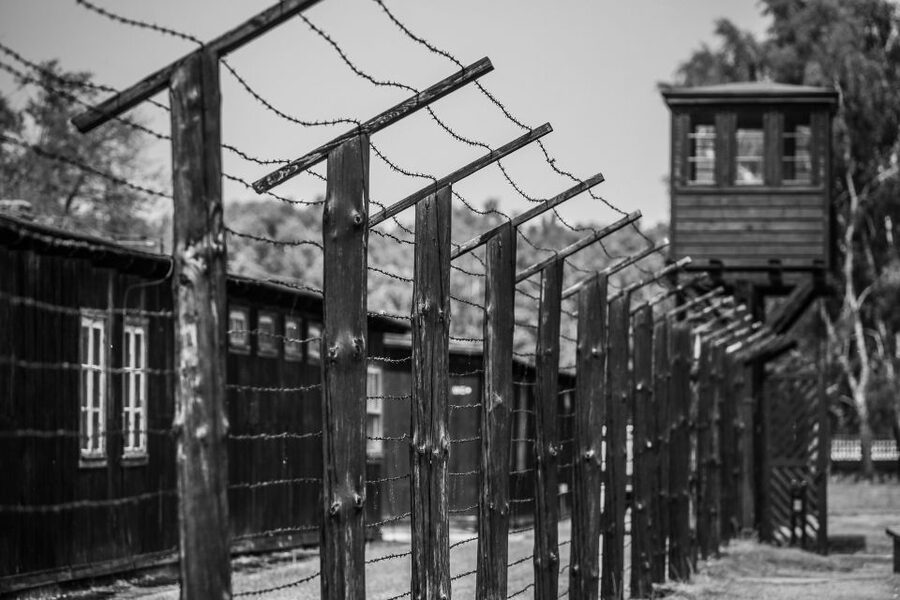
Stutthof is not a casual sightseeing stop. It is a place where the remaining buildings, gas chamber, crematorium, and victims’ memorial force you to face the machinery of Nazi persecution. The camp was created in 1939 and eventually held more than 110,000 people from 26 countries.
I like the private format, which gives you room to ask difficult questions without being tied to a large group. I also like the direct pickup from Gdańsk, Sopot, or Gdynia, plus the chance to hear about the occupation of Pomerania on the road to the museum. The main drawback is emotional, not practical: this is a grim visit, and children under 13 are not permitted.
Key points to know before you go
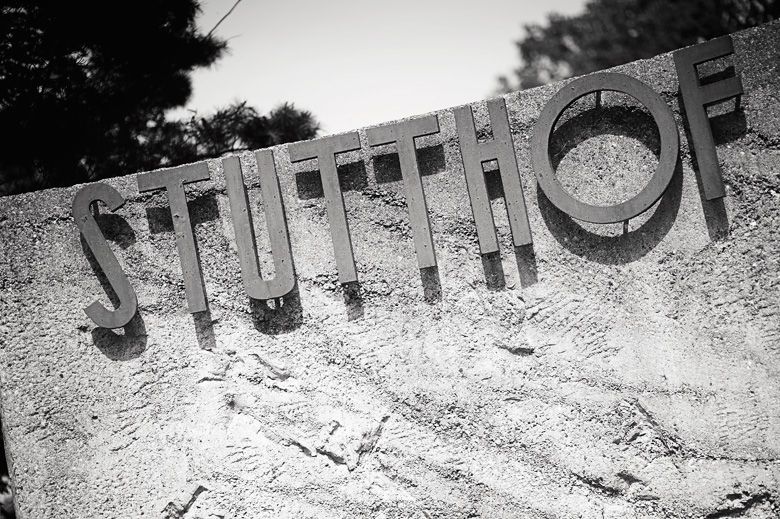
- Stutthof was the first Nazi concentration camp established on Polish territory, and it remained in operation longer than any other camp in Poland.
- The five-hour trip includes transport, museum admission, parking, and a private guide, so you do not need to arrange the visit piece by piece.
- The tour covers both old and new camp quarters, giving you a fuller sense of how the site expanded over time.
- The gas chamber and crematorium are part of the route, making this a particularly intense historical visit.
- Pickup is available across the Tri-City area, including hotels and apartments in Gdańsk, Sopot, and Gdynia.
- English, German, and Polish guiding is available, with a private group format that leaves time for questions.
Why Stutthof matters
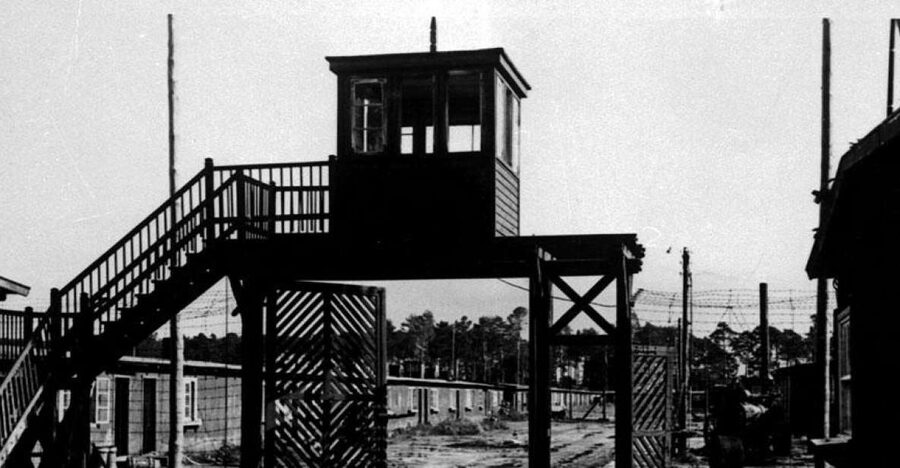
Stutthof began as a camp for roughly 3,000 prisoners, with Jewish people and Polish intellectuals from Pomerania and the Free City of Gdańsk among its first targets. Its purpose and prisoner population changed as Nazi control spread, and the camp grew into a place of forced labor, starvation, torture, and murder.
More than 110,000 people from 26 countries passed through Stutthof. Many died from brutal treatment, hunger, disease, executions, and the gas chamber. The number matters, but the physical site gives that number weight. Barracks, work areas, the commander’s villa, the crematorium, and the memorial help you understand that this was not an isolated act of violence. It was an organized system built into the occupied region.
I find the setting especially important because Stutthof is outside the center of Gdańsk. The drive takes you away from the polished waterfront and historic streets and toward a site connected to the wartime persecution of local people. That change of setting gives the visit a clear regional focus. You are not only studying Nazi crimes in the abstract. You are learning what occupation meant in Pomerania.
More half day trips in Gdansk:
- From Gdansk: Half-Day Malbork Castle Tour with Audioguide
★ 4.7 · 174 reviews - Gdansk Old Town Half-Day Private Walking Tour
★ 4.9 · 62 reviews - From Gdansk: Malbork Castle Half-Day Private Tour
★ 4.8 · 29 reviews
Leaving Gdańsk for the museum
The tour starts with pickup at your hotel or apartment in Gdańsk, Sopot, or Gdynia. From there, private transport takes you toward Stutthof. The drive is listed as about one hour, so allow roughly two hours of road time in the full five-hour schedule.
I like private transport here because Stutthof is not simply a quick walk from Gdańsk’s old town. You avoid the fuss of arranging public transport and can keep the visit focused. The vehicle also gives your guide a chance to explain the region and set the historical scene before you arrive.
That said, the road journey is not entertainment. The guide may discuss the area and its wartime past, but the value of this part depends on the quality of the person leading you. The strongest guiding is clear, respectful, and willing to answer questions without turning the drive into a lecture packed with dates.
If you are staying in Sopot or Gdynia, pickup is included there as well. Give the correct accommodation address when you book, since the pickup area covers three cities and the timing depends on where you are staying.
Walking through the old and new camp quarters
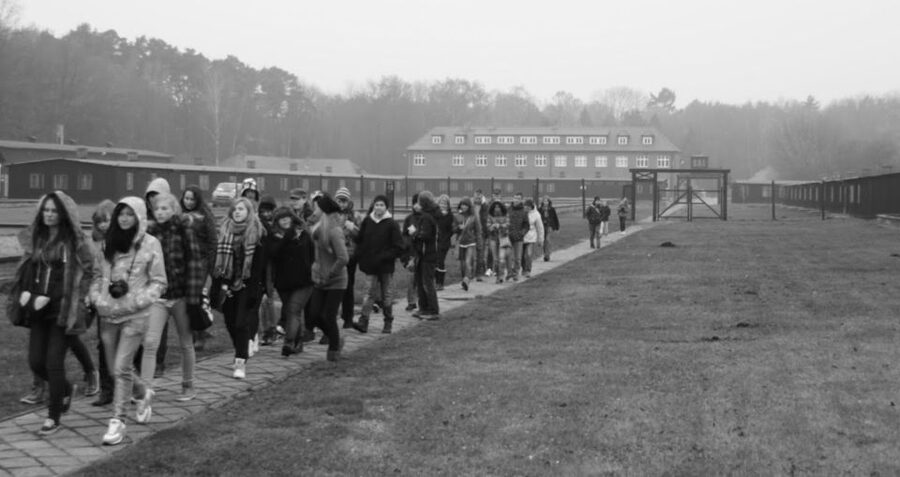
The guided museum visit lasts about two hours. That is enough time for a serious introduction to the site, though it is not an entire day for close study of every display.
The old camp quarters help you understand the original function of Stutthof. The camp was first intended for a much smaller number of prisoners, and the early buildings reflect that initial purpose. As the prisoner population grew, the new quarters show how the camp expanded and became part of a larger system of forced labor and detention.
I would pay close attention to the contrast between these areas. The old and new sections are not just two sets of buildings to tick off. Together, they show how a camp created for a specific regional purpose became a place holding people from across Europe.
The guide’s role is important here. A private tour lets you stop and ask what changed over time, who was targeted, and how the camp fitted into the occupation of Pomerania. The available languages are English, German, and Polish.
You should also expect an uneven emotional rhythm. Some parts may seem stark and quiet, while others are hard to process. Give yourself permission to move slowly. This is not a site where rushing from one building to the next helps.
The commander’s villa and the machinery of power
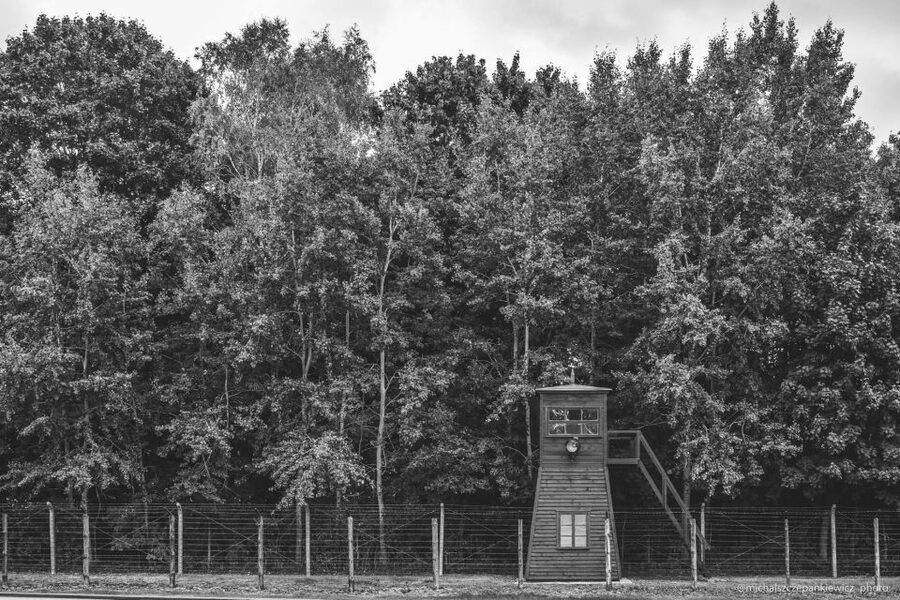
The commander’s villa is one of the most troubling stops because it places ordinary domestic life close to the camp’s system of cruelty. The building helps show the physical separation between those running the camp and those imprisoned inside it.
I find this stop useful because it adds a human scale to the story of command. The camp was not run by an invisible force. People occupied offices and homes, made decisions, and managed the daily operation of the site. Seeing the villa can sharpen your understanding of how persecution depended on administration as well as direct violence.
Do not expect the villa to offer a light or picturesque pause. Its importance comes from the contrast between private comfort and public suffering. A guide can explain that contrast without sensational detail, keeping the focus on responsibility and structure.
A few more Gdansk half days to consider
- Gdansk: City Cruise on Historical Polish Boat
★ 4.8 · 2,913 reviews - Gdańsk: Sunset Cruise on a Historic Polish Boat
★ 4.9 · 977 reviews - Gdańsk City Sights & History Guided Walking Tour in English
★ 4.8 · 876 reviews - Gdansk: Firearm Shooting Experience with Instructor
★ 4.8 · 866 reviews
The gas chamber and crematorium
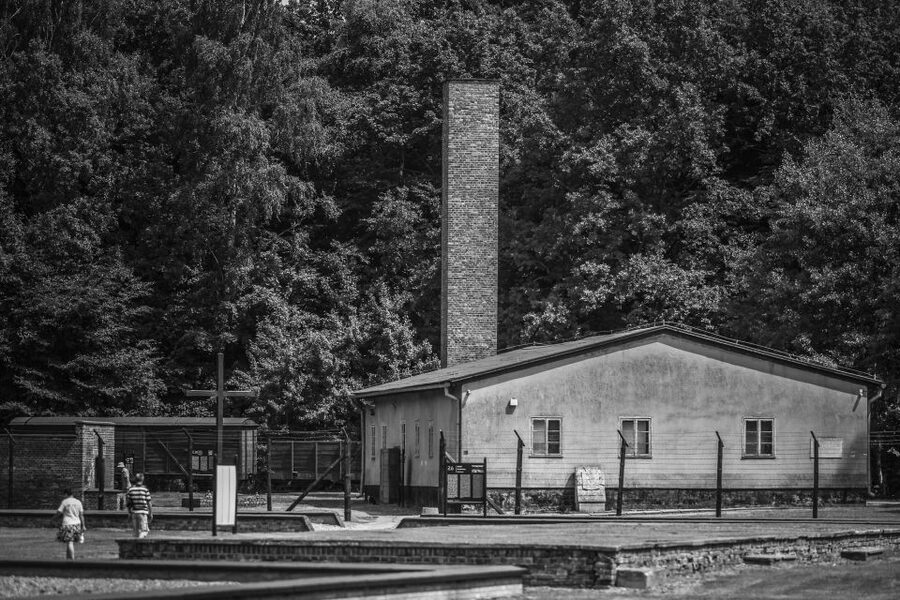
The gas chamber and crematorium are the most difficult part of the route for many people. The tour includes both, along with an explanation of the mass murder carried out at Stutthof.
This section is not suitable for children under 13, and I would take that age rule seriously. Even older children and teenagers may find the material too intense. Adults should also think honestly about how they respond to sites connected to murder and human suffering.
A good guide will give you context rather than use shock for its own sake. You may hear about how prisoners were selected, abused, and killed, but the visit should remain respectful. The point is not to collect disturbing images. The point is to understand what happened and to honor the people who suffered there.
I appreciate that the gas chamber and crematorium are included in the main visit rather than treated as optional extras. If you are going to Stutthof to understand the full camp system, these places are essential. They are also the reason you should not schedule a demanding attraction immediately afterward.
The victims’ monument and a moment to pause
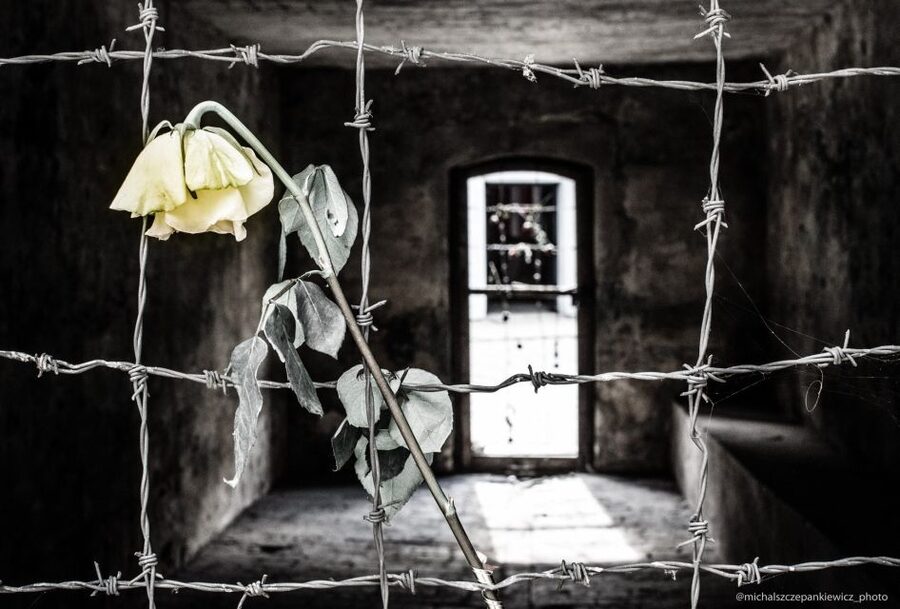
The victims’ monument offers a natural place to slow down after the most disturbing sections. Paying your respects here can feel more meaningful after you have seen the camp grounds and heard the historical explanation.
The memorial is not a replacement for the buildings. It works alongside them. The surviving structures show the physical setting, while the monument directs attention back to the people who were imprisoned and killed.
I would avoid treating this as a quick photo stop. The site calls for quiet behavior and simple respect. You may want a few minutes without conversation before returning to the vehicle.
An optional documentary screening may also be available as part of the museum visit. Since the provided details do not specify its exact length or schedule, ask your guide whether it can fit into your visit. A film may help bring together the information from the grounds, but it could also make the day feel heavier if you are already emotionally tired.
The 30-minute break at Morska 32
The itinerary includes a break of about 30 minutes at Morska 32. This is a practical pause after the museum, not a major sightseeing stop.
Use it to collect yourself, have something to eat or drink if available, and discuss any questions with your group. After two hours at Stutthof, a short break can make the return journey easier.
The break also keeps the schedule from feeling like a single unbroken block of difficult material. Still, do not expect it to transform the mood. This remains a memorial visit, and the emotional weight will probably stay with you on the road back to Gdańsk.
Private guiding is the main advantage
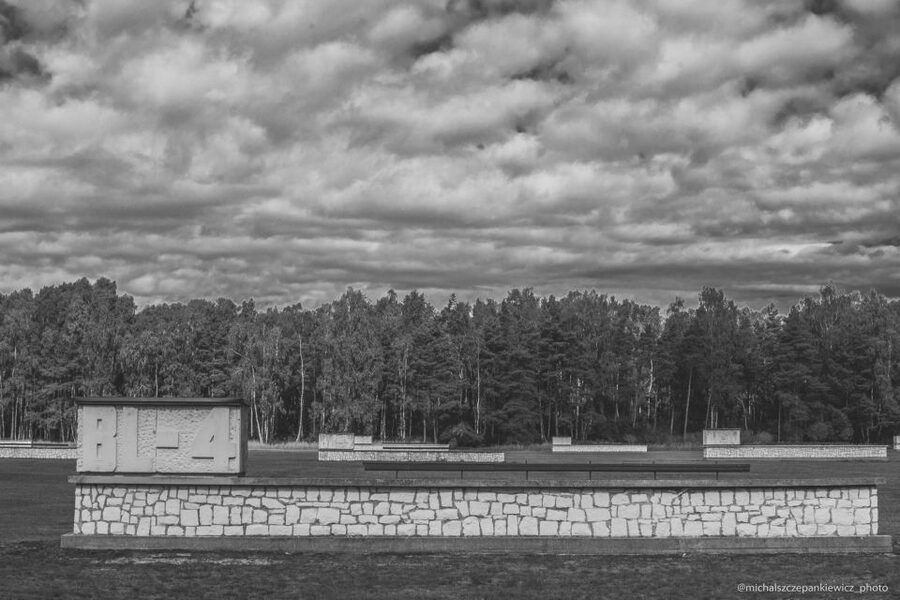
The strongest reason to choose this experience is the private setup. You are not sharing the guide with a large, fixed group, so the visit can feel more personal and less rushed. A small party also makes it easier to ask direct questions about Pomerania, prisoner groups, the camp’s expansion, and the killing facilities.
The available feedback gives this point real weight. One Swedish party specifically valued the intimate feel of a private visit with four people, while another praised having a guide who made space for questions. A separate booking described the vehicle as fresh and comfortable, and noted that the private guide made the cost worthwhile.
The guide and driver may be separate people, as suggested by the comments about a helpful driver explaining the countryside and a separate guide explaining the camp. That arrangement can work well. The driver handles the road, while the museum guide focuses on the site itself.
No guide names are provided, so you should not book expecting a particular person. What you can request is an English, German, or Polish guide and a private group.
Is $461 good value for up to three people?
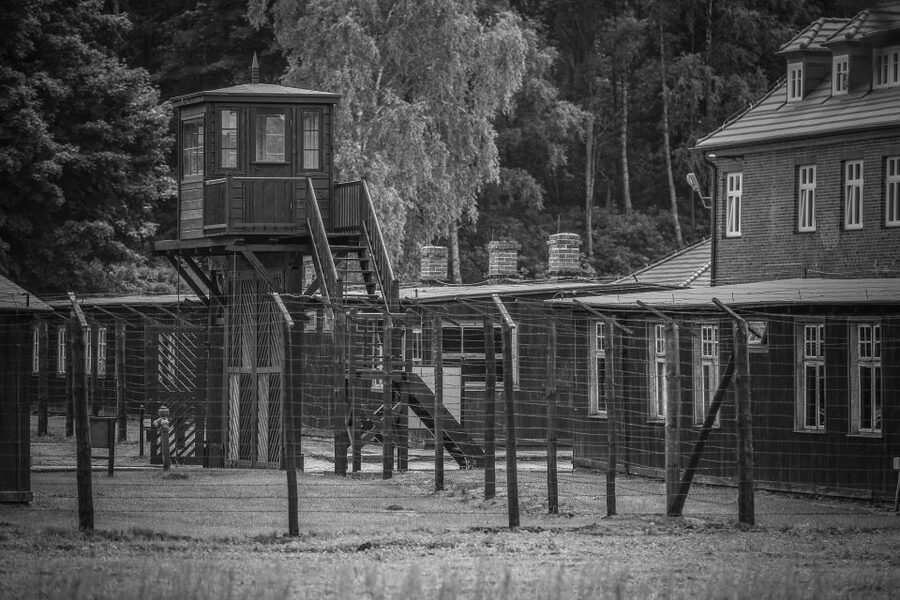
The listed price is $461 per group of up to three people. That is a high total for a half-day outing, but the calculation changes if you fill the group. Split three ways, it is about $154 per person before any additional personal spending.
The price includes private transport, parking, admission to the Stutthof Museum, and a private museum guide. You are paying for door-to-door service from the Tri-City area and for a guide who can tailor the discussion to your questions.
For one person, the cost is harder to justify unless convenience and private attention matter greatly to you. For two or three adults, the value is stronger, especially if you want to avoid arranging transport and do not want to join a large group.
One past party of six reported paying about 500 Polish złoty per person, but the advertised rate here is for a group of up to three. If your party is larger, confirm the current price and vehicle arrangement before booking rather than assuming the same rate applies.
This is not a bargain excursion. It is a serious private service with transport and admission handled for you. I would choose it for control, comfort, and personal guiding, not because it is the cheapest way to reach Stutthof.
Timing, age limits, and the emotional load
The total duration is about five hours, with roughly one hour to Stutthof, two hours at the museum, a 30-minute break, and the return to Gdańsk. The exact pace may vary by pickup point and the available museum program.
I recommend keeping the rest of your day light. Stutthof is not the sort of place you visit between lunch and a lively evening show without giving yourself time to process it. The museum’s graphic and emotionally intense subject matter is why the experience is limited to people aged 13 and older.
The cancellation policy is useful if your schedule is uncertain: you can cancel up to 24 hours ahead for a full refund. You can also reserve and pay later, which keeps the initial booking flexible.
Practical clothing matters, though the supplied details do not specify a dress code or walking conditions. Wear something comfortable for a guided museum visit and be prepared for a serious outdoor site. The tour includes walking through several parts of the former camp, so comfort is more important than style.
Who should book this Stutthof tour?
I would recommend it to adults and mature teenagers who want a focused visit to one of Poland’s most important Nazi camp memorials. It suits you especially well if you are based in Gdańsk, Sopot, or Gdynia and want hotel pickup rather than a self-arranged journey.
It is also a good match for families or small groups who need a private pace. The chance to ask questions privately can be valuable when the subject is difficult or when members of your group have different levels of historical knowledge.
I would not choose it for children under 13, anyone seeking a light half-day activity, or anyone who feels unable to face descriptions of starvation, torture, gas killings, and mass executions. There is no gentle version of Stutthof, and the tour should not pretend otherwise.
Should you book it?
Book this tour if you want a serious, well-organized visit with private transport and a guide who can explain both Stutthof and the wartime persecution of Pomerania. The old and new quarters, commander’s villa, gas chamber, crematorium, and victims’ monument create a clear picture of the camp’s operation and human cost.
Skip it if your main goal is low price or easy entertainment. For up to three people, $461 is a major spend, but the cost includes the parts that are hardest to arrange yourself. I would book it for the private attention, the direct pickup, and the chance to ask thoughtful questions in a small group. Plan a quiet evening afterward.
FAQ
Where does the Stutthof tour begin?
Pickup is available from hotels or apartments in Gdańsk, Sopot, and Gdynia. You should provide your accommodation address when booking.
How long does the experience last?
The tour lasts about five hours. The schedule includes approximately one hour of transport, two hours at the Stutthof Museum, a 30-minute break, and the return journey.
What does the museum visit include?
The guided visit includes the old and new camp quarters, the commander’s villa, the gas chamber, the crematorium, and the monument to the camp victims.
Is transportation included?
Yes. Private transport from the Tri-City area is included, along with parking fees.
What languages are available?
The live guide is available in English, German, or Polish.
How much does the tour cost?
The listed price is $461 for a private group of up to three people.
Can children join the tour?
No. The experience is not suitable for children under 13 because of the graphic and emotionally intense subject matter.
Can I cancel or pay later?
You can cancel up to 24 hours before the tour for a full refund. Reserve now and pay later is also available.
Recently added in Gdansk
- Szymbark: Kashubian Switzerland 5-Hour Private Tour★ 3.7 · 3 reviews
- Segway Tour Gdańsk: Shipyard Tour – 1,5-Hour of Magic!★ 5.0 · 3 reviews
- Stutthof Concentration Camp and Museum of WWII: Private Tour★ 4.7 · 3 reviews
- Sopot Sunset Cruise with Welcome Drink★ 3.5 · 3 reviews
- Gdansk: Basic Bike Tour★ 4.3 · 3 reviews
- Gdansk: Bubble Football with Hotel Transfers★ 5.0 · 3 reviews
- Artus Court and Gdansk Old Town Private Tour with Tickets★ 4.7 · 3 reviews
- Gdansk: Oliwa Zoo with Tickets and Roundtrip Transportation★ 5.0 · 3 reviews
Gdansk Tours, compared.
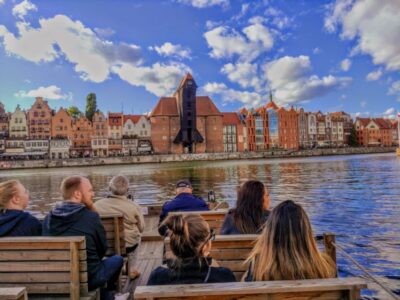
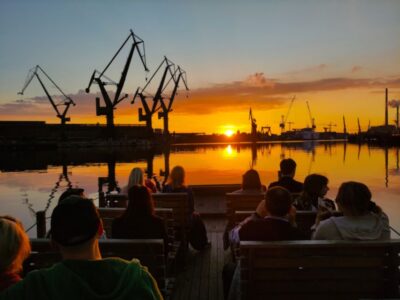

Gdańsk City Sights & History Guided Walking Tour in English
Read our review →
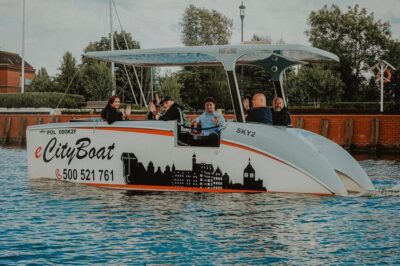
Sightseeing EcoCruise around the Old Town of Gdansk
Read our review →

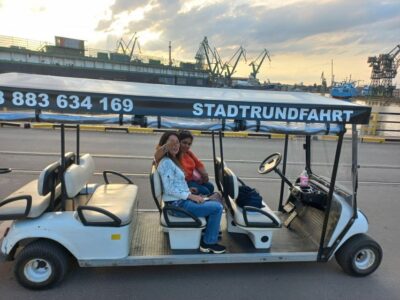
City Sightseeing Tour by Golf Cart/Buggy Guided Tour
Read our review →Where else this one turns up