
Reviewed · GDANSK TOURS
Gdańsk: World War II Tour
Gdańsk is where the Second World War began, and this private tour puts that fact into places you can actually visit. You’ll follow the story from Westerplatte, where the first fighting began, to the Polish Post Museum and the rebuilt Main City, with a guide explaining how war changed Poland and Gdańsk.
I like the hotel pickup and private format. You avoid figuring out transport to scattered sights, and your guide can adjust the pace to your group. I also like the Polish point of view, which gives the tour more feeling than a simple list of dates. Guides including Bożena, Roxana, and Sebastian Malyszczyk have been praised for clear explanations and warm, personal service.
The main consideration is that this is a compact history tour, not a full museum day. The Museum of the Second World War is not part of the route, so you’ll need a separate visit if you want its large indoor exhibits. Westerplatte also involves outdoor walking, and the tour is not suited to people with mobility impairments.
Key points to know before booking
- Westerplatte sets the scene: Spend about an hour at the site linked to the opening shots of the Second World War.
- The Polish Post Museum adds a human story: The half-hour visit shifts attention from military strategy to ordinary people caught in the conflict.
- The Main City shows destruction and rebuilding: Your guide connects the wartime finale of 1945 with the city you see today.
- Private transport saves time: Pickup and drop-off at your Gdańsk accommodation or a central location make the three-and-a-half-hour route easy to manage.
- Bożena, Roxana, and Sebastian are named guides: Their clear explanations, punctuality, and friendly manner are major parts of the experience.
- Plan for outdoor conditions: Bring weather-ready clothing, since Westerplatte and other stops are not all indoors.
Why Gdańsk makes a powerful World War II setting
Gdańsk, historically known as Danzig in many wartime accounts, was the Free City of Gdańsk before the war. That political background matters because the city was not simply a standard Polish port at the time. Its position between German and Polish interests helped make it a flashpoint in an already tense part of Europe.
The tour explains this setting through the eyes of Poles. That focus is useful because the story is not only about armies and borders. It is also about national identity, occupation, civilian fear, resistance, loss, and the long work of rebuilding after 1945.
I appreciate that the route links several kinds of evidence. Westerplatte gives you the military opening. The Polish Post Museum shows a more personal and local episode. The Main City and Gradowa Mountain help you understand the wider damage to Gdańsk and the city’s hard-won return to normal life.
You should not expect one tidy explanation of the war. Instead, you move through several chapters. The guide’s job is to connect them, and that is where a private tour can be especially helpful. You can ask why a particular site matters, pause when a point catches your attention, and ask for more context without keeping up with a large group.
A few more Gdansk half days to consider
- Gdansk: City Cruise on Historical Polish Boat
★ 4.8 · 2,913 reviews - Gdańsk: Sunset Cruise on a Historic Polish Boat
★ 4.9 · 977 reviews - Gdańsk City Sights & History Guided Walking Tour in English
★ 4.8 · 876 reviews
Westerplatte: where the first shots were fired
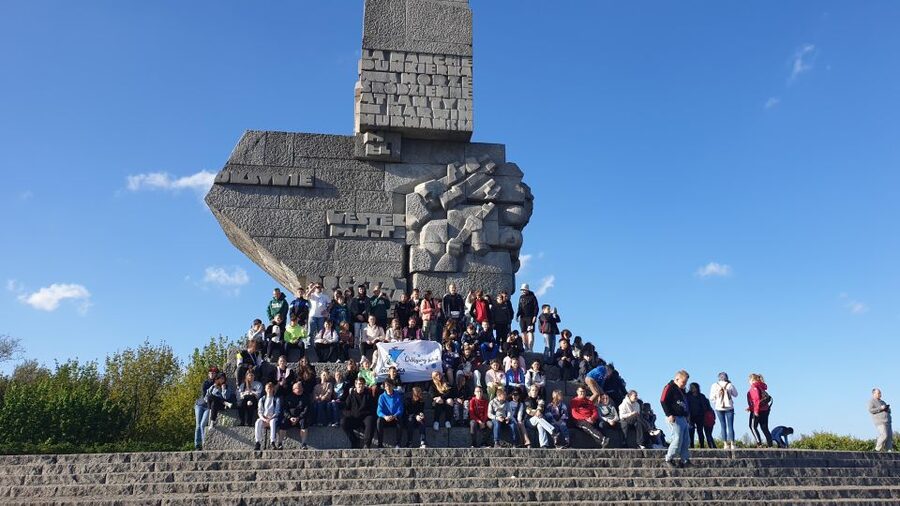
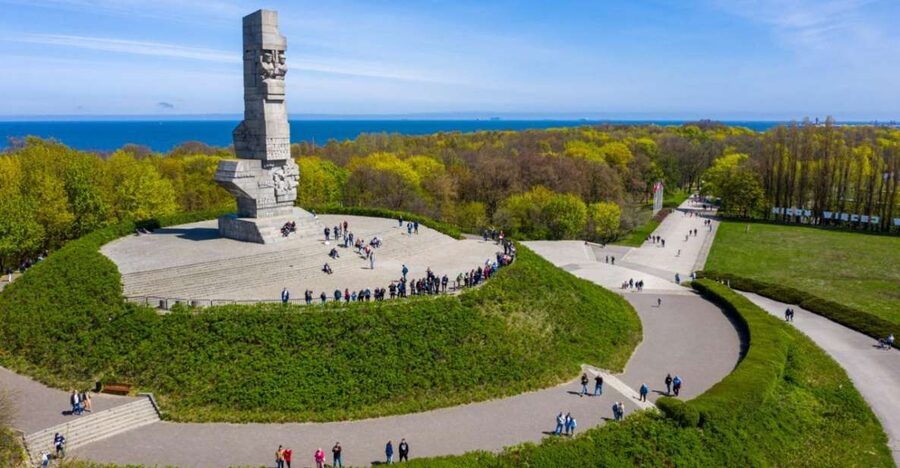
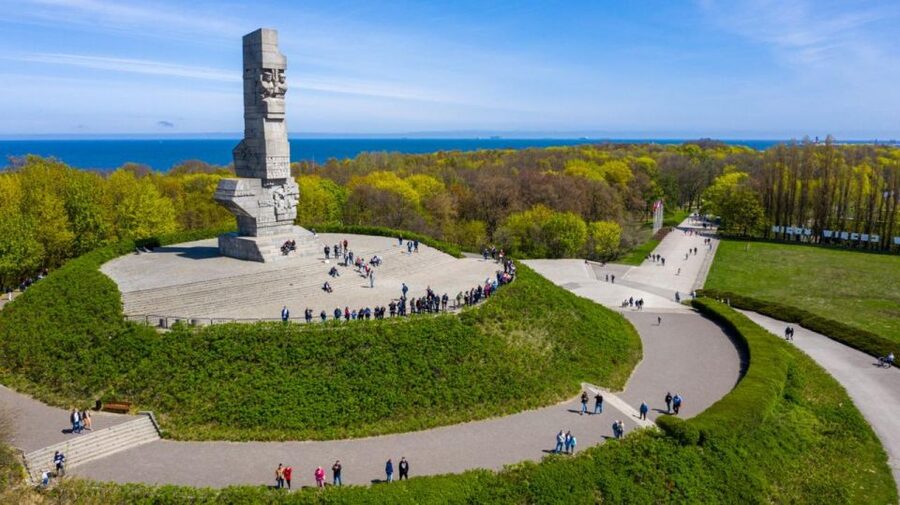
The tour begins with a visit to Westerplatte, usually the emotional center of the route. You’ll spend about an hour here with your guide, looking at a site tied to the opening of the Second World War.
Westerplatte is important because the Polish garrison held out against German attack at the start of the conflict. The visit gives physical shape to an event that can otherwise feel remote in a textbook. Rather than hearing only about the date and the military action, you can stand in the place where the opening confrontation took place.
Your guide will explain the site and its role in the wider history of Gdańsk. The supplied details do not specify every monument or ruin included, so the exact walk may vary. What is clear is that this is a guided outdoor visit, not a quick photo stop from a vehicle.
That distinction matters. Allow yourself time to look around and listen. The site works best when you are prepared for a serious, reflective stop rather than a scenic outing.
Westerplatte also brings the tour’s main practical issue into view. Weather can affect your comfort, so bring a coat or other clothing suitable for rain and wind. The activity is not suitable for people with mobility impairments, and you should treat the outdoor walking as a real part of the program.
I like the way this stop gives the tour a firm starting point. You begin with the war’s opening, then move toward the human and civic consequences that follow. It is a clear way to organize a difficult subject.
The Polish Post Museum: a smaller stop with a personal focus
The Polish Post Museum is scheduled for about 30 minutes. That is a short visit, but it changes the scale of the story.
At Westerplatte, the focus is a military site and the beginning of the conflict. At the post museum, you turn toward the people who worked and lived in Gdańsk. The stop helps show how the war reached into workplaces and daily life, not only battle positions.
Because the visit is brief, I would not expect an extended museum study. Think of it as one carefully chosen chapter in a larger route. Your guide will lead you through the site and explain why it matters to Polish history and to Gdańsk’s wartime story.
This stop may be especially valuable if you prefer local history to broad military timelines. You get a sense of how national events affected a specific institution and the people connected to it. The compact timing also keeps the whole tour moving, which is useful when you have only part of a day for history.
There is a trade-off. If museums are your main reason for booking, half an hour may feel too short. The major Museum of the Second World War is not included, and an earlier participant specifically wished it had been part of the tour. I would plan that museum separately rather than expecting this experience to replace it.
The Main City and Gradowa Mountain: reading the rebuilt city
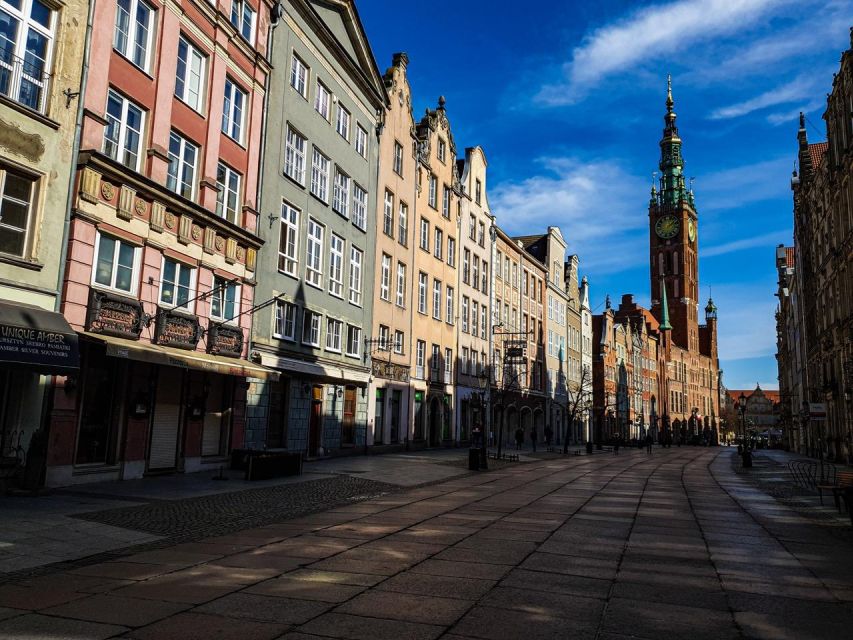
The Main City visit lasts about an hour. Here, the war story meets the Gdańsk you came to see.
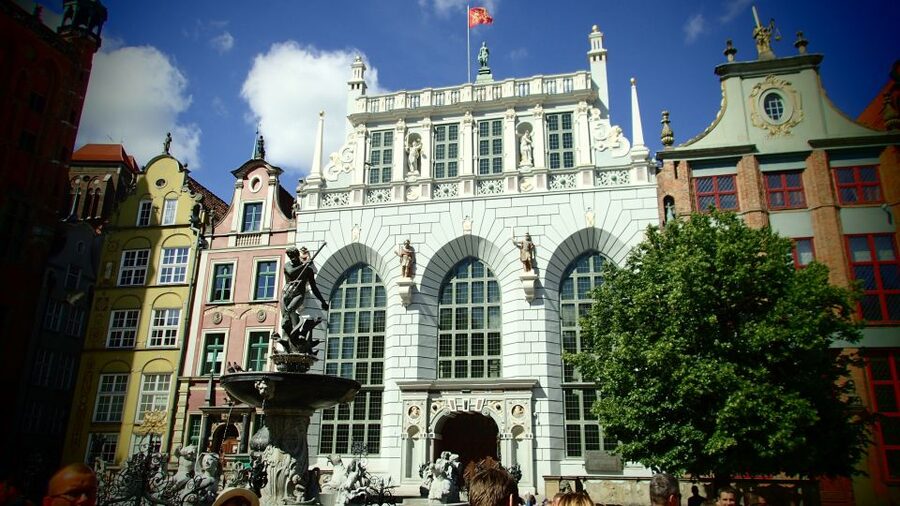
The city suffered a tragic finale in 1945, when the Red Army attack brought the conflict to Gdańsk. The tour uses the streets and buildings of the Main City to explain that ending and the city’s reconstruction. Your guide can point out how much effort went into restoring Gdańsk after the destruction, helping you see the present city as part of a longer story.
This is one of the tour’s most useful features. A walk through attractive historic streets can otherwise make it easy to forget how much of Gdańsk was damaged and how much had to be rebuilt. The guide’s commentary adds the missing layer.
Gradowa Mountain is also part of the route. The supplied schedule groups the Main City as a one-hour guided visit, while the highlights specifically include Gradowa Mountain. The exact amount of time there is not stated, so you should think of it as part of the broader city section rather than a separately timed stop.
The point of including this area is to widen your view. Westerplatte shows the beginning of the war in one place. The Main City and Gradowa Mountain help you consider the later destruction, the arrival of the Red Army, and the rebuilding of Gdańsk.
I would pay close attention to the guide here. The physical sights are only half the experience. The meaning comes from hearing how the city changed, who suffered, and why rebuilding Gdańsk became such a strong part of Polish identity.
A different kind of day in Gdansk:
- Gdansk: Firearm Shooting Experience with Instructor
★ 4.8 · 866 reviews - Gdansk: Guided Round-Trip Cruise to Westerplatte
★ 4.3 · 865 reviews - Gdańsk: Sightseeing EcoCruise around the Old Town of Gdansk
★ 4.6 · 719 reviews - Main Town Gdańsk Walking Tour
★ 5.0 · 644 reviews
A Polish view of war, loss, and rebuilding
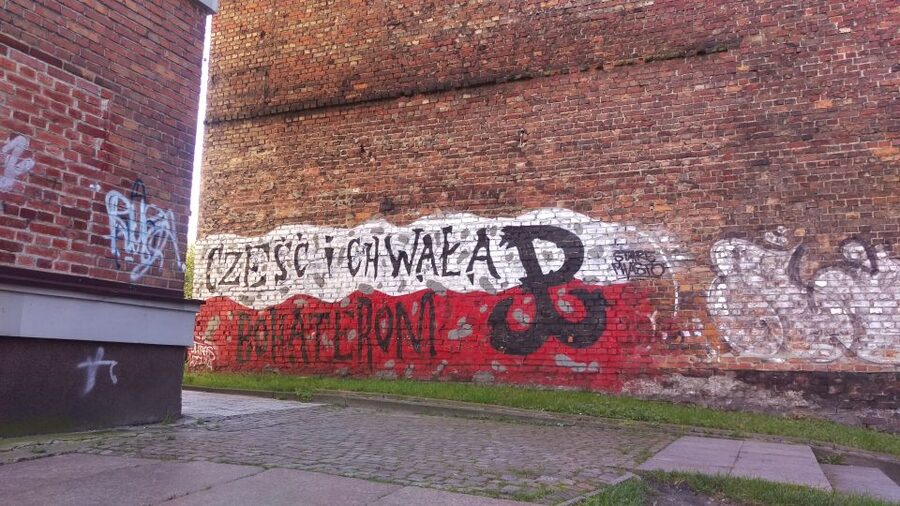
This tour is not presented as a neutral survey of every nation involved in the Second World War. Its stated aim is to tell Gdańsk’s and Poland’s story through Polish eyes.
That does not make the history less useful. It tells you what kind of experience you are booking. You will hear about many nations, heroes, and human tragedies, but the emotional center is Polish experience. If you want a focused local account, that is a strength.
I like tours that explain why a place still matters to the people who live there. The comments from named guides suggest that the best part of this experience is not just factual information. Bożena is described as welcoming, punctual, flexible, and deeply attached to Gdańsk. Roxana is praised for her pleasant manner and strong command of the subject. Sebastian Malyszczyk is remembered for explaining the city with clarity and passion.
Those details are useful when you choose a private guide-led tour. You are not simply paying for a driver and a list of stops. You are paying for someone to interpret the city, answer questions, and connect separate places into one story.
The language options are English and Polish. That gives English-speaking visitors a practical way to explore a subject that can be hard to understand without local context. If you speak Polish, you can also take the tour in the language most comfortable for you.
What the private format adds
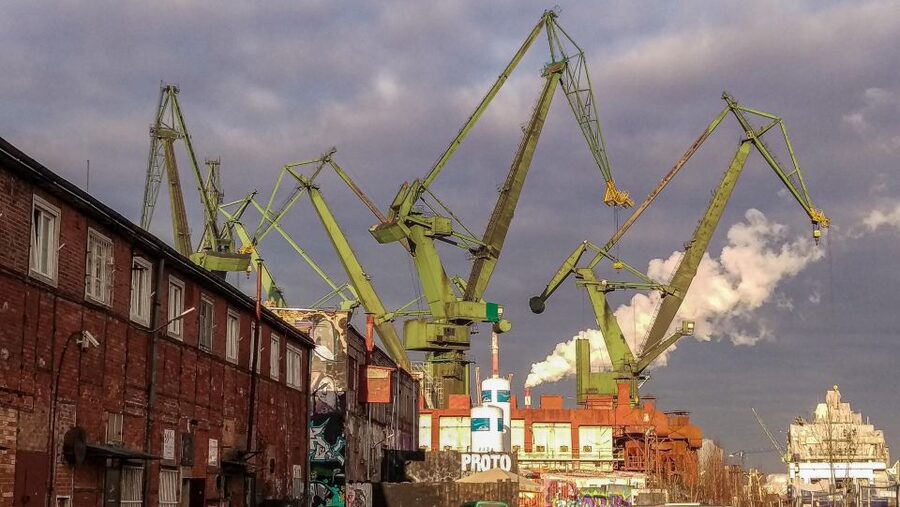
The experience lasts 210 minutes, or three and a half hours. Transportation is provided in a car or minivan, with pickup and drop-off at your accommodation in Gdańsk or at a central location.
That arrangement is a real advantage because the route includes Westerplatte and city stops. You do not need to arrange your own way between them, and you avoid spending valuable time working out local transport during a short history-focused visit.
The private group format also gives you more control. You can ask for clarification, discuss a family interest, or let the guide adjust to your needs. One visitor who had already been to Gdańsk found that the tour made the city feel fresh again, which is exactly what a good local guide should do.
Still, private does not mean unlimited time. Three and a half hours must cover transportation, Westerplatte, the Polish Post Museum, the Main City, and the broader route through places such as Gradowa Mountain. You will get a connected overview, but not an exhaustive study of every wartime site.
Water is included. That is a small detail, but welcome on a tour that combines outdoor walking with several stops. Wear practical clothes rather than dressing only for a city stroll.
Is the $195 price good value?
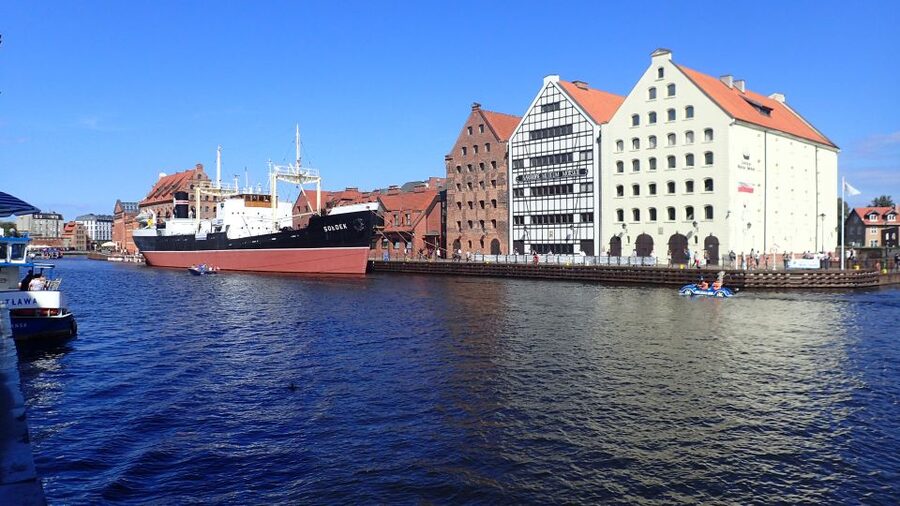
At $195 per person, this is not a budget sightseeing tour. The value depends heavily on your group size and on how much you want a private, guided experience.
For one person, the cost is a serious outlay. For a small private group, the price can make more sense because it covers the guide, vehicle, pickup, and drop-off, rather than only admission to one site. You are also paying for a route that would take more planning to manage independently.
I would consider the price worthwhile if you have limited time in Gdańsk and want the main wartime locations explained in one sitting. The guide brings structure to a difficult subject, and the private format lets you ask questions instead of simply following a set script.
I would hesitate if your priority is museum time. The Polish Post Museum visit is only about 30 minutes, and the Museum of the Second World War is not included. In that case, you may prefer to arrange museum visits on your own and use this tour for Westerplatte and the city’s wider wartime context.
The flexible booking terms reduce some of the risk. You can cancel up to 24 hours before the tour for a full refund, and you can reserve now and pay later. Those policies do not change the price, but they help if your Gdańsk plans are still shifting.
Who should book this Gdańsk history tour?
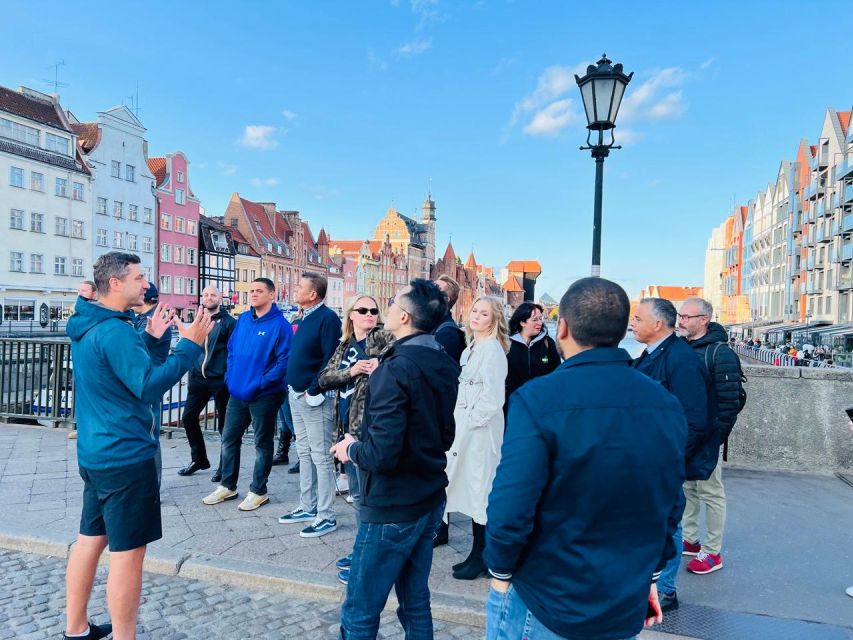
I would recommend it to you if:
- You want to understand why Gdańsk is linked to the beginning of the Second World War.
- You prefer a local Polish perspective rather than a broad military overview.
- You value hotel pickup and private transportation.
- You want a guide who can explain the connection between Westerplatte, the Polish Post Museum, and the rebuilt city.
- You have roughly half a day and want a focused historical route.
- You enjoy asking questions and having the pace adjusted to your group.
I would choose something else, or add a separate museum visit, if you want a full day of indoor exhibits. The tour is also a poor fit if outdoor walking is difficult or if bad weather would spoil your day.
Families with older children and adults interested in twentieth-century history should find the structure easy to follow. The subject is serious, so it may not suit very young children who need a lighter sightseeing program.
Practical details that shape the day
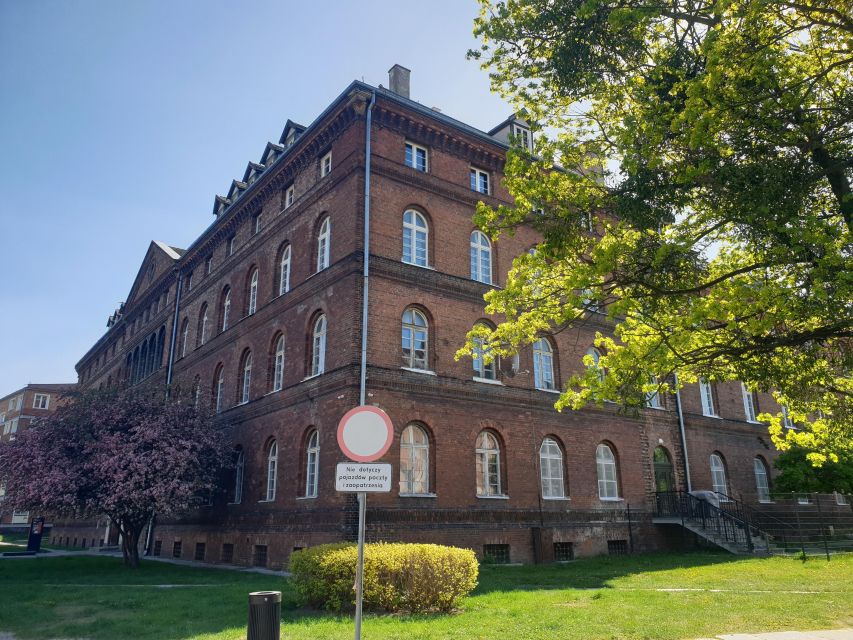
Pickup is included from your Gdańsk accommodation or a central location. Confirm the exact meeting point when booking, especially if you are staying outside the city center.
The available guide languages are English and Polish. Named guides who have led this experience include Bożena, Roxana, and Sebastian Malyszczyk, though the assigned guide can vary.
Bring clothing suitable for bad weather. Westerplatte is an outdoor site, and the advice is worth taking seriously even if the forecast looks harmless. Comfortable footwear is also sensible, since the tour includes visits and guided walking, although the exact walking distance is not stated.
The activity lasts 210 minutes, but the timetable can depend on the starting time and the movement between sites. Check availability for current start times before you commit to another appointment afterward.
Should you book it?
Book this tour if you want a focused, private introduction to Gdańsk’s wartime story, especially the opening at Westerplatte and the city’s destruction and rebuilding in 1945. The strongest reason to go is the guide’s interpretation. Bożena, Roxana, and Sebastian Malyszczyk are all associated with the warm, clear style this subject needs.
At $195 per person, it is best value for a small group that wants transport and a personal guide. I would not book it as your only World War II experience in Gdańsk if you want the Museum of the Second World War. Add that separately, and this tour gives you the outdoor places and local context that a museum alone cannot provide.
FAQ
Where does the tour begin and end?
Pickup and drop-off are provided at your accommodation in Gdańsk or at a central location in the city.
How long does the tour last?
The tour lasts 210 minutes, or three and a half hours.
Which places are visited?
The route includes Westerplatte, the Polish Post Museum, and the Main City. Gradowa Mountain is also included in the wider city route.
Is transportation included?
Yes. Transportation is provided in a car or minivan, along with pickup and drop-off.
What languages are available?
The live guide service is available in English and Polish.
Is the Museum of the Second World War included?
No. The Museum of the Second World War is not part of this tour, so you need to arrange a separate visit if you want to see it.
Recently added in Gdansk
- Szymbark: Kashubian Switzerland 5-Hour Private Tour★ 3.7 · 3 reviews
- Segway Tour Gdańsk: Shipyard Tour – 1,5-Hour of Magic!★ 5.0 · 3 reviews
- Stutthof Concentration Camp and Museum of WWII: Private Tour★ 4.7 · 3 reviews
- Sopot Sunset Cruise with Welcome Drink★ 3.5 · 3 reviews
- Gdansk: Basic Bike Tour★ 4.3 · 3 reviews
- Gdansk: Bubble Football with Hotel Transfers★ 5.0 · 3 reviews
- Artus Court and Gdansk Old Town Private Tour with Tickets★ 4.7 · 3 reviews
- Gdansk: Oliwa Zoo with Tickets and Roundtrip Transportation★ 5.0 · 3 reviews
Gdansk Tours, compared.

Gdańsk City Sights & History Guided Walking Tour in English
Read our review →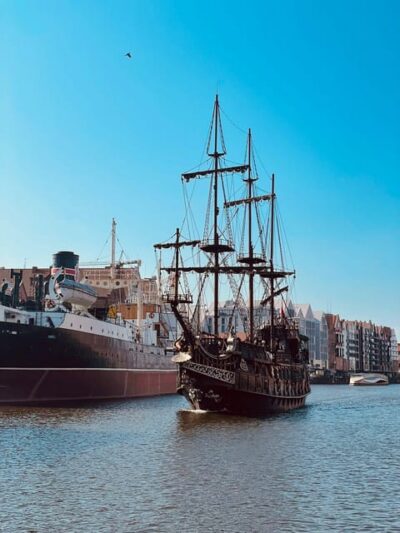
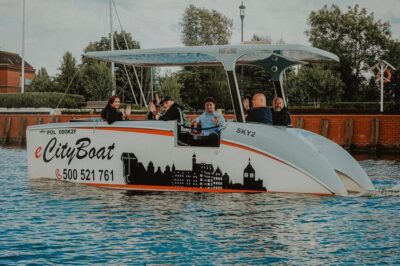
Sightseeing EcoCruise around the Old Town of Gdansk
Read our review →

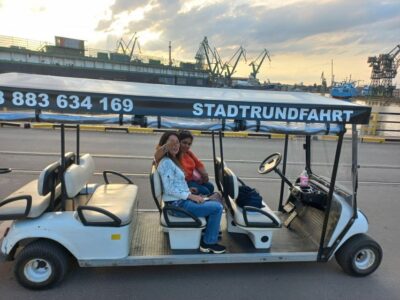
City Sightseeing Tour by Golf Cart/Buggy Guided Tour
Read our review →Where else this one turns up