
Reviewed · MUSEUMS
Galicja Jewish Museum
The most affecting part of the Galicia Jewish Museum is its collection of more than 140 photographs showing what remains of Jewish life in southern Poland, the former Galicia. These are not just old portraits behind glass. They record synagogues, cemeteries, buildings, and other traces, then place them beside the story of how Nazi persecution destroyed Jewish communities during World War II.
I like the freedom to walk through the permanent Traces of Memory exhibition at your own pace, and I like how the photographs connect the Holocaust to the longer story of 800 years of Jewish culture in Poland. Plan on roughly two hours if you read the captions carefully. The main drawback is that this is a photography-led museum, so you will see more images than physical artifacts.
Key points
- See Chris Schwarz’s 140 photographs: His twelve years of work form the heart of the permanent exhibition.
- Connect Jewish life with Holocaust memory: The displays show both cultural presence and the damage caused by Nazi rule.
- Take your time without a guide: The museum suits independent visits and quiet reflection.
- Expect more photographs than objects: This focus is a strength for some visitors, but not everyone will want a photo-based museum.
- Allow about two hours: Arriving at opening time can make reading and reflection easier.
- Use the Krakow City Pass: Entry is free for cardholders, along with access to many other city museums and landmarks.
Why the photographs matter
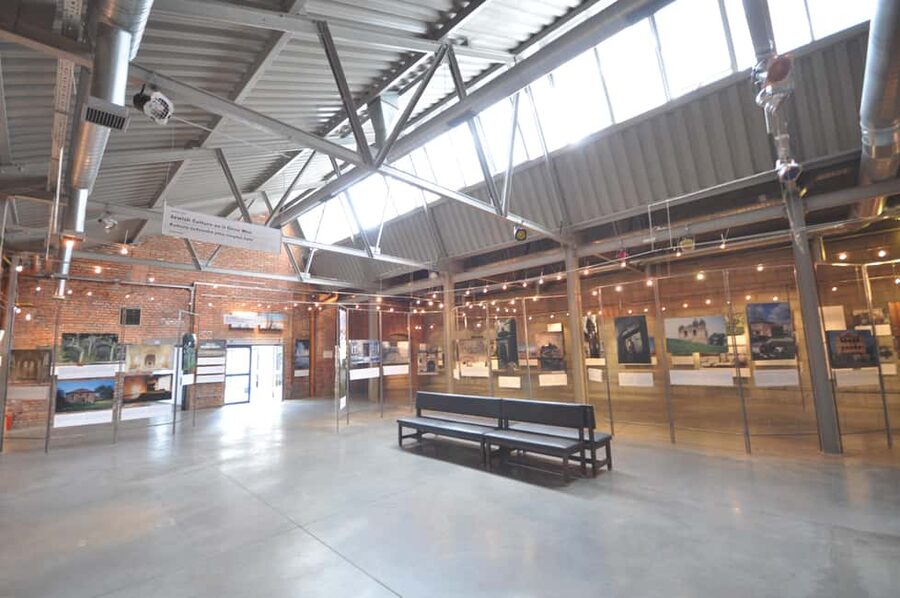
The Galicia Jewish Museum was created to honor the victims of the Holocaust and to celebrate Jewish culture in Polish Galicia. That purpose gives the museum two jobs, and the best part of the visit is seeing how they work together.
The permanent exhibition, Traces of Memory, grew from twelve years of artistic work by Chris Schwarz, a British photographer who devoted much of his career to Jewish culture in Poland. His photographs document the physical remains of Jewish life in southern Poland, including the evidence of communities that were later destroyed.
This approach changes how you look at the Holocaust. You are not presented only with dates, names, and wartime images. You first encounter signs of ordinary religious, family, and community life. Then you see how Nazi persecution broke that world apart.
I find this more personal than a museum made up only of military objects or official documents. A photograph of a building, memorial, or cemetery can make the past feel tied to a real place. It also reminds you that Jewish life in Poland did not begin with World War II and did not exist only as a story of persecution.
More Museum Tours in Krakow
- Auschwitz-Birkenau Museum and Memorial Guided Tour from Krakow
★ 4.5 · 1,510 reviews - Krakow: Rynek Underground Museum Guided Tour
★ 4.6 · 1,122 reviews - Krakow Schindler’s Factory Museum Guided Tour in English
★ 4.5 · 650 reviews
Walking through Traces of Memory
The permanent exhibition is the core of your visit. You move through groups of photographs that record Jewish heritage across the former Galicia region. The collection is visual, carefully arranged, and suited to a slow visit rather than a quick checklist.
The museum describes the exhibition as a record of both Jewish culture and its destruction during World War II. That balance is important. If you rush from image to image, you may understand the subject in broad terms but miss the connections between the photographs and their captions.
I would allow about two hours if you want to read the information and pause with the images. One useful tactic is to arrive near opening time, listed in the supplied details as 10 a.m. This can give you a quieter room and more space to reflect. Opening hours can change, so check the current time before setting out.
You should also know what the exhibition is not. It is not mainly a collection of household objects, clothing, or archaeological pieces. The displays rely heavily on photography and written explanation. One visitor gave the museum four stars for this exact reason, noting that there were more photographs than artifacts, while still finding the images an excellent way to understand Jewish life in Galicia.
That makes the museum a particularly good choice if you respond to visual storytelling. If you want a large object collection, you may prefer to pair it with another Krakow museum.
From community life to wartime destruction
The museum’s subject can be painful, but the presentation is not limited to scenes of suffering. The photographs first help you recognize the scale and duration of Jewish life in Poland. The result is a fuller picture of what was lost.
The exhibition’s connection to the Holocaust is also direct. The photographs document the destruction of Jewish culture by the Nazis during World War II, making the absence itself part of the story. Buildings, religious sites, and remnants of former communities become evidence of a world that was attacked and largely erased.
The supplied highlights also refer to moving pictures showing Jews during World War II. The museum’s broader displays and materials therefore go beyond still photography, although the permanent exhibition remains centered on Schwarz’s work. You should expect a serious cultural visit, not a light attraction to fit between shopping stops.
Give yourself time after the most difficult sections. The museum is designed for contemplation, and the subject deserves more than a hurried pass. I would avoid scheduling it immediately before a tightly timed meal, tour, or train departure.
A self-guided visit in Krakow’s Jewish quarter area
This experience does not include transportation or a named guide. You make your own way to the museum and explore independently. That keeps the price low and lets you decide how long to spend with each section.
For some people, the lack of a guide is a benefit. You can stop when you need to, reread a caption, and move at a pace that suits you. A guide might provide more context, but a self-guided format gives the museum a quiet, personal rhythm.
The meeting point can vary depending on the option booked, so check your confirmation carefully. The activity ends back at the meeting point because it is a museum admission rather than a walking route through several sites.
The museum also has space for temporary exhibitions, concerts, author meetings, lectures, and workshops. These offerings may add another layer to the visit, but the available details do not promise a particular program on your date. Check the museum’s current schedule if a concert, lecture, or workshop is important to you.
A different kind of day in Krakow:
- From Krakow: Auschwitz-Birkenau Guided Tour & Hotel Pickup
★ 4.5 · 33,358 reviews - From Krakow: Auschwitz-Birkenau Guided Tour & Hotel Pickup
★ 4.5 · 29,340 reviews - Krakow: Auschwitz Guided Tour with Optional Hotel Pickup
★ 4.5 · 15,280 reviews - Krakow–Zakopane: Cable Car, Chocholow Baths, Cheese & Vodka
★ 5.0 · 10,720 reviews
The cafe and bookshop add useful context
You will find a cafe and a bookshop inside the museum. The cafe gives you a place to pause after the exhibition, while the bookshop is useful if you want to continue reading after you leave.
Books are offered in Polish, English, and German. The subjects include Jewish life and culture, the Holocaust, Jewish thought, identity, and literature. This is a practical feature for an English-speaking visitor because you can find material that helps you follow up on the exhibition without relying only on Polish-language sources.
The bookshop also reinforces the museum’s wider purpose. This is not only a display space. It is a place for study, discussion, and cultural events. If you have already seen Krakow’s major Holocaust-related sites, the books and temporary displays may give you another way to place those visits in context.
How long to spend and when to go
The ticket is described as valid for one to two days, with starting times dependent on availability. Since this is a museum visit rather than a timed sightseeing route, you should confirm exactly what your selected option permits before booking.
The available experience details say the last entrance is 90 minutes before closing. That matters because a late arrival may leave too little time for the permanent exhibition. I would not arrive near closing and expect to absorb the material properly.
An early visit is the safest choice. The museum can be fairly quiet at opening time, which helps when you want to read and reflect. It also gives you flexibility to visit another Krakow attraction afterward.
Smoking is not allowed. No transportation is included, and the supplied information does not list a guided tour, hotel pickup, or a meal as part of admission.
The ticket detail you should not miss
After booking, you receive a separate ticket from the local operator by email. The important catch is that only a printed version is accepted. A phone screen will not be enough according to the admission instructions.
If you cannot print the ticket yourself, printing is available at Plac Szczepański 8. Handle this before going to the museum, rather than assuming the entrance desk can solve the problem.
This is a small logistical point, but it can make or break a museum visit. Keep the printed ticket with you, and check your email for the separate message after booking. If your booking includes another arrangement, the meeting point may differ, so read the exact confirmation rather than relying on a general map pin.
Is the price good value?
At about $4.33 per person, the museum is inexpensive for the amount of time you can spend inside. You are paying for a focused cultural exhibition, not a full-day guided tour, but two hours of thoughtful viewing makes the admission good value.
The price is especially attractive if you want a quieter stop between larger Krakow sights. You do not need to commit to transportation, a group schedule, or a long route. The museum can fit neatly into a day in the area.
The Krakow City Pass changes the calculation. Cardholders receive free entry to the Galicia Jewish Museum, along with access to 36 Krakow museums and landmarks for one to three days, depending on the card. The listed attractions include Schindler’s Factory, the Rynek Underground Museum, the Old Synagogue, the Polish Aviation Museum, the Princes Czartoryski Museum, and several branches of the Archaeological Museum.
If you already plan to visit several included sites, the city card may offer stronger value than buying separate admissions. If this is your only museum visit, the low standalone price is simple and reasonable.
Who will appreciate this museum most?
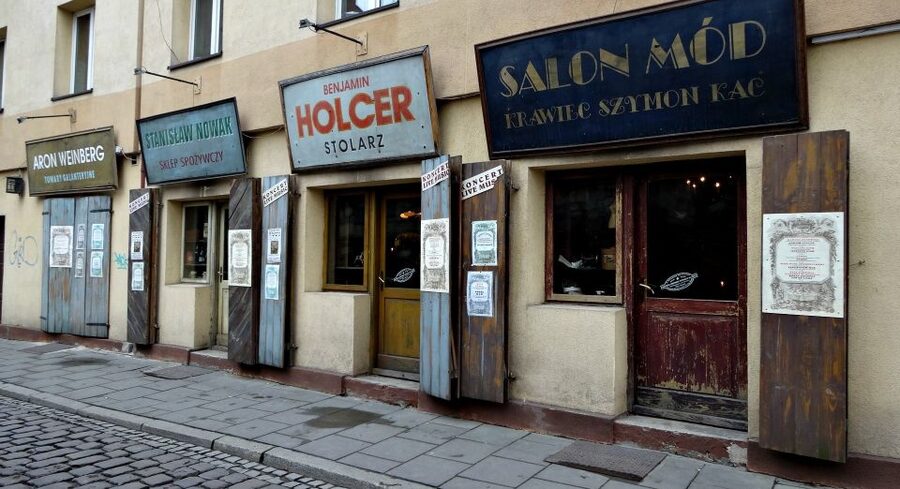
I would recommend the Galicia Jewish Museum to anyone who wants a clear look at Jewish heritage in Poland, especially through photographs and place-based evidence. It suits people who prefer to read, look closely, and set their own pace.
It is also a good choice for anyone building a fuller understanding of Krakow’s Jewish past. The exhibition does not treat the Holocaust as an isolated event. It places Nazi destruction against centuries of Jewish cultural life, which makes the subject more complete and more human.
Families with older children may find the visual format accessible, though the wartime subject calls for parental judgment. People with only a few minutes should choose another stop, since the museum rewards patience.
You may want to skip it if you strongly prefer physical artifacts, reconstructed rooms, or a guided narrative. The museum has exhibitions and events beyond Traces of Memory, but the main visit is centered on photographs and written context.
How it compares with nearby Krakow museums
The Krakow City Pass list gives you several ways to build a day around the Galicia Jewish Museum. Schindler’s Factory focuses on Krakow during the German occupation and the story associated with Oskar Schindler. The Old Synagogue offers another important connection to Jewish religious and cultural life.
The Galicia museum is different in emphasis. Its photographs reach across southern Poland and the wider former Galicia, rather than limiting the story to one building or one wartime site. That broader view is useful if you want to understand Jewish communities beyond Krakow itself.
The museum can also pair well with the Eagle Pharmacy, the Podgórze Museum, or other included sites, though you should check current opening hours before planning a chain of visits. Do not try to force every stop into one day. The subject here deserves your attention, and the city card works best when you use it to choose a few places well.
Practical plan for your visit
Here is how I would handle the day:
- Print the separate ticket before leaving. If needed, use the printing option at Plac Szczepański 8.
- Check the current opening hours, since they may differ from the times shown when you book.
- Aim for opening time, listed as 10 a.m. in the available visit details.
- Allow around two hours for the permanent exhibition if you want to read carefully.
- Remember that last entrance is 90 minutes before closing.
- Use the cafe or bookshop for a pause after the exhibition.
- If you hold a Krakow City Pass, bring it for free entry.
- Do not expect transportation or a guide to be included.
The most important preparation is mental rather than logistical. This is a serious museum about culture, loss, and memory. Plan a little breathing room afterward instead of treating it as a quick box to tick.
Should you book the Galicia Jewish Museum?
Yes, if you want a low-cost, self-guided museum that explains Jewish life in Polish Galicia through powerful photography. The permanent Traces of Memory exhibition gives you a thoughtful look at both cultural heritage and the destruction caused by the Holocaust.
Book it with realistic expectations. You will see many more photographs than objects, and there is no included transportation or guide. Bring the printed ticket, arrive early if possible, and give the exhibition enough time.
I would especially choose this museum if you already plan to see Schindler’s Factory or the Old Synagogue and want a different angle on Krakow’s past. If you prefer hands-on displays or a large artifact collection, spend your limited museum time elsewhere. At about $4.33, though, the risk is small, and the subject makes the visit worthwhile for most culturally curious visitors.
FAQ
Where is the Galicia Jewish Museum located?
The museum is in Lesser Poland, Poland, in Krakow.
What does the Galicia Jewish Museum honor?
It honors the victims of the Holocaust and celebrates Jewish culture and heritage in Polish Galicia.
What is the main exhibition called?
The permanent exhibition is called Traces of Memory.
How many photographs are in the main exhibition?
The exhibition presents more than 140 photographs made by the museum’s founder, Chris Schwarz.
How long is the ticket valid?
The activity details state that the ticket is valid for one to two days. Check availability for the applicable starting times and option details.
Can I enter with a Krakow City Pass?
Yes. Entrance to the Galicia Jewish Museum is free for Krakow City Pass holders.
Do I need to print my ticket?
Yes. A separate ticket is sent by email after booking, and only a printed version is accepted. If you cannot print it, you may do so at Plac Szczepański 8.
Recently added in Krakow
- Auschwitz-Birkenau and Krakow Private Car Trip from Katowice★ 4.3 · 3 reviews
- Wawel Castle, Old Town with St. Mary’s Church Guided Tour★ 5.0 · 3 reviews
- Wawel Castle, Cathedral, Rynek Underground Tour with Lunch★ 5.0 · 3 reviews
- From Krakow: Chocholow Thermal Hot Springs (hotel pick up)★ 5.0 · 3 reviews
- Private tour to Zakopane and Thermal Baths from Krakow★ 5.0 · 3 reviews
- Legends of Cracow ROBOTIC SHOW★ 4.0 · 3 reviews
- From Krakow: Zakopane and Thermal Pools Guided Trip★ 5.0 · 3 reviews
- Guided Beer Tour in Krakow★ 4.5 · 3 reviews
Museums, compared.

Auschwitz-Birkenau Museum and Memorial Guided Tour from Krakow
Read our review →POLIN Museum of the History of Polish Jews Ticket
Read our review →


Krakow Schindler’s Factory Museum Guided Tour in English
Read our review →
Auschwitz Birkenau Museum Guided Tour with Pickup
Read our review →
Where else this one turns up