
Reviewed · MUSEUMS
Wroclaw: WW2 Tour to Project Riese & Gross-Rosen Museum
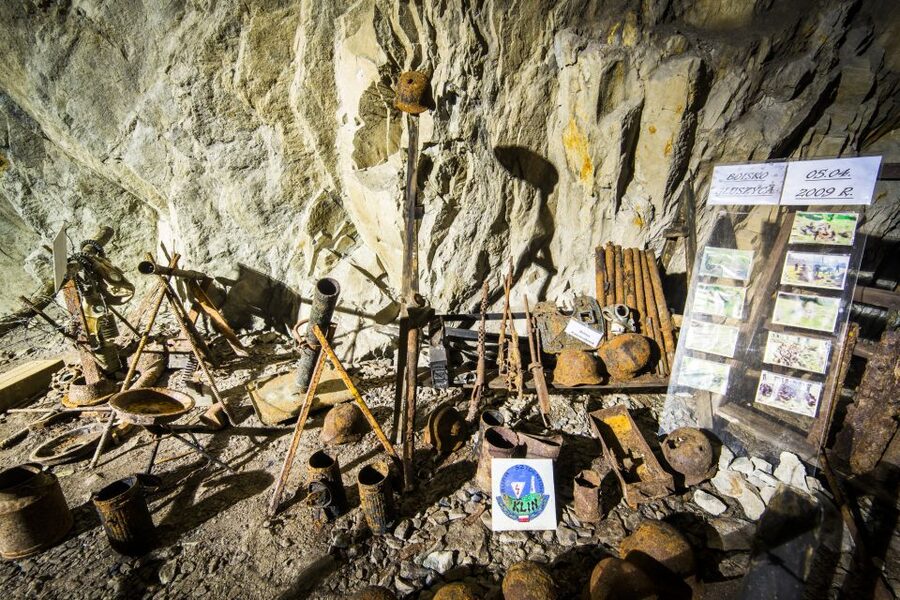
Project Riese is the hook here: a Nazi construction project that left unfinished underground chambers beneath the Owl Mountains. You can walk through the Osówka site, often called the Underground City, then continue to Gross-Rosen Concentration Camp for a sobering look at wartime imprisonment and forced labor. I like the private hotel pickup and the scenic 1.5-hour drive through the countryside. I also like that the day joins two very different sites, secret military construction and a concentration camp, in one clear route.
The main drawback is pace. Eight hours gives you a useful introduction, but not endless time at either place. You also need to check the audio-guide language carefully. One Spanish-speaking customer found the guide and museum audio were in English despite expecting Spanish. The underground passages are cool, around 8 to 10 C, and the tour is not suitable for children under five, wheelchair users, or people with claustrophobia.
Key points to know before booking
- Project Riese reaches beyond a normal museum visit: You enter unfinished underground structures built under Nazi Germany between 1943 and 1945.
- Osówka is the main underground stop: The site is known as the Underground City, with tunnels and chambers in different stages of completion.
- Gross-Rosen adds human history to the military story: You watch a short film, then have up to two hours for the indoor and outdoor exhibitions.
- The private format keeps the day simple: An English-speaking driver collects you at your Wroclaw accommodation and returns you there by air-conditioned minivan.
- The road trip is part of the appeal: The first drive takes about 1.5 hours through mountain and countryside scenery.
- Bring a jacket and sensible shoes: The tunnels are cold, and the ground at both sites calls for comfort rather than city footwear.
Why Project Riese makes this day different
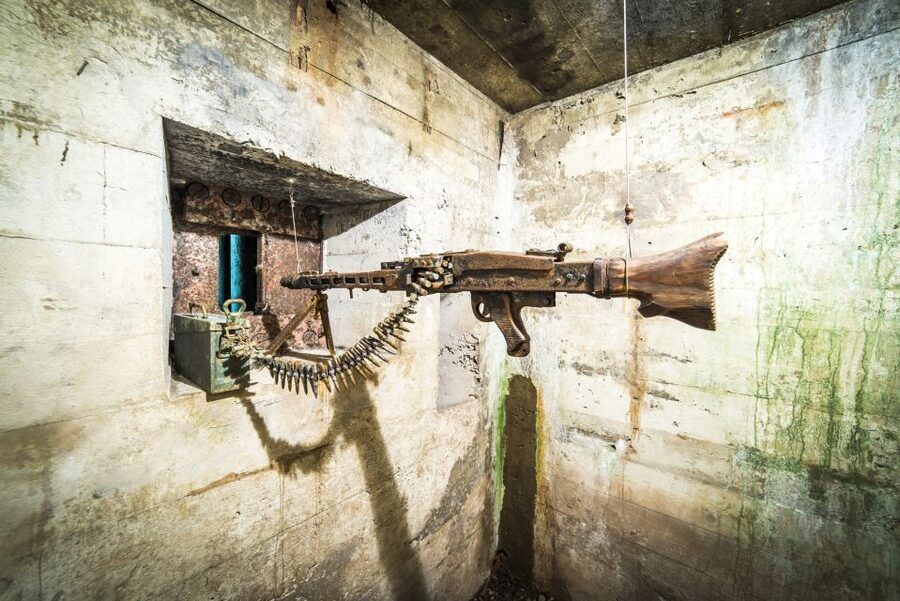
Many World War II excursions focus on a single memorial or museum. This one begins with a physical puzzle. Project Riese was the codename for a huge Nazi construction effort carried out from 1943 to 1945 in the Owl Mountains and at Książ Castle.
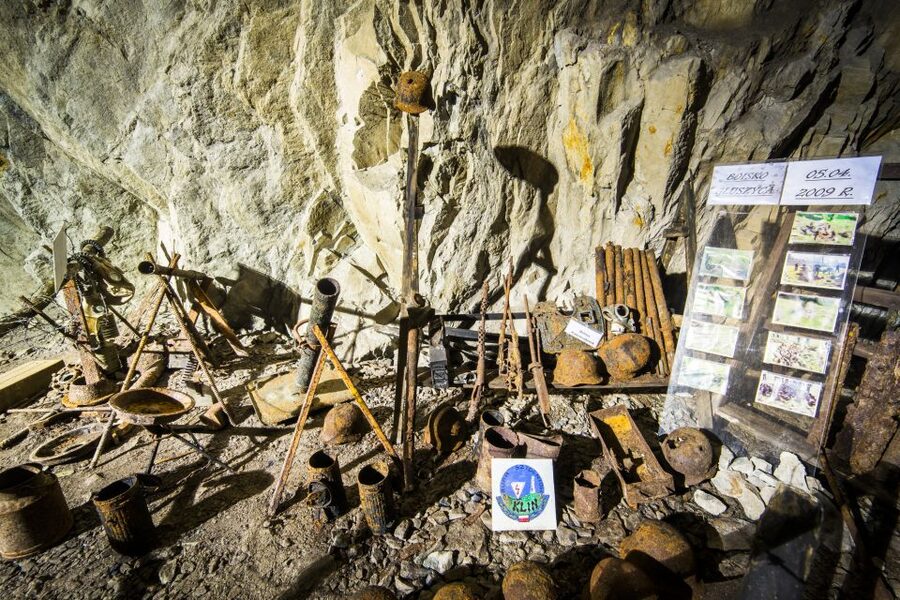
The project included seven underground structures, though each was left at a different stage of completion. That unfinished quality is part of what makes the visit so striking. You are not walking through a polished exhibition built to explain every detail. You are seeing raw underground spaces connected to a plan that was never completed.
The exact purpose of every part of Project Riese remains a subject of historical discussion, so the visit works best when you approach it as a place of wartime construction, secrecy, and unanswered questions. The audio guide helps provide structure as you move through the site.
You will visit the Osówka complex, known as the Underground City. Expect a cool interior, with temperatures around 8 to 10 C even when Wroclaw is warm. A jacket or sweater is essential, and comfortable shoes will make the walk much easier.
This is not a good match if enclosed passages make you uncomfortable. The experience involves underground spaces, and the information specifically rules it out for people with claustrophobia. Children under five are not allowed into Project Riese, and all children who do attend must be accompanied by an adult.
More Museum Tours in Poland:
- Auschwitz-Birkenau Museum and Memorial Guided Tour from Krakow
★ 4.5 · 1,510 reviews - Warsaw: POLIN Museum of the History of Polish Jews Ticket
★ 4.7 · 1,142 reviews - Krakow: Rynek Underground Museum Guided Tour
★ 4.6 · 1,122 reviews
The 1.5-hour drive from Wroclaw
Your driver picks you up at your hotel or other accommodation within Wroclaw. The transfer to Project Riese takes roughly 1.5 hours, using an air-conditioned private minivan.
That drive matters. You are leaving the city for the Owl Mountains, and the route passes through countryside and mountain scenery rather than simply connecting two urban museums. It gives you time to settle into the subject before reaching the tunnels.
The private arrangement also removes some common day-trip friction. You do not need to find a meeting point or manage a complicated public transport connection. You can travel with your own group, ask the driver about the stops, and return to your accommodation at the end of the day.
The driver is described as English-speaking and acts as both driver and guide. That means you should expect practical explanations and help with the route, but not necessarily a specialist historian leading every room. At the sites, you use audio guides rather than relying entirely on the driver.
This distinction is worth noting. The private vehicle gives you flexibility and a more personal transfer, while the historical explanation comes mainly from the site audio guides. One verified booking from Spain reported a language mismatch, with English provided instead of Spanish. If Spanish is important to you, confirm the available language before paying.
Inside Osówka and the Underground City
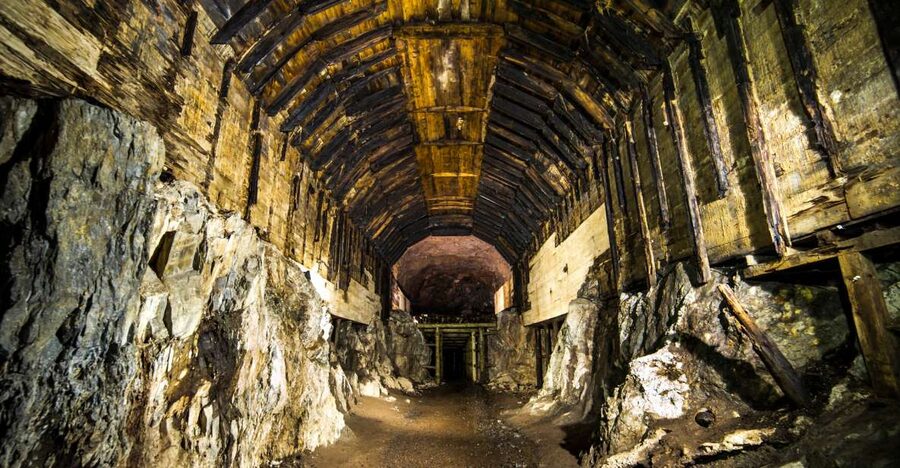
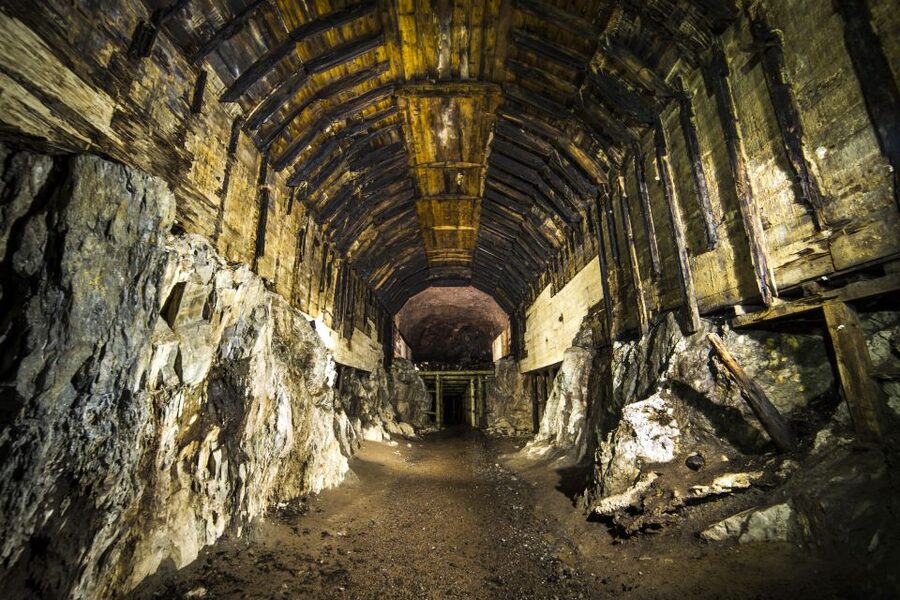
At Project Riese, you explore the Osówka site and its underground caverns. The structures were never finished, so you see varying levels of completion instead of a single uniform tunnel system.
That unfinished state helps you picture the scale of the undertaking. Large construction projects were being pushed into the mountains during the final years of the war, yet the work remained incomplete. The bare chambers and passages make the subject feel concrete in a way that a display case cannot.
You receive an audio guide at the Riese Complex. English, German, French, Spanish, and Italian are listed as available languages, though the Spanish booking experience shows why it is sensible to verify the language at the time of booking. The tour information also identifies the driver language as English.
Allow enough attention for the walking conditions. The supplied guidance calls for comfortable shoes, warm clothing, and a jacket. You are not being asked to dress for a long mountain hike, but thin city shoes and a light shirt are poor choices for a cold underground visit.
The tunnels also create a sharper contrast with the drive. Above ground, you have open mountain views and rural roads. Below ground, the setting becomes dark, cool, and enclosed. That change is one of the strongest features of the day, but it is also the reason this outing is not suitable for everyone.
Lunch and the route to Gross-Rosen
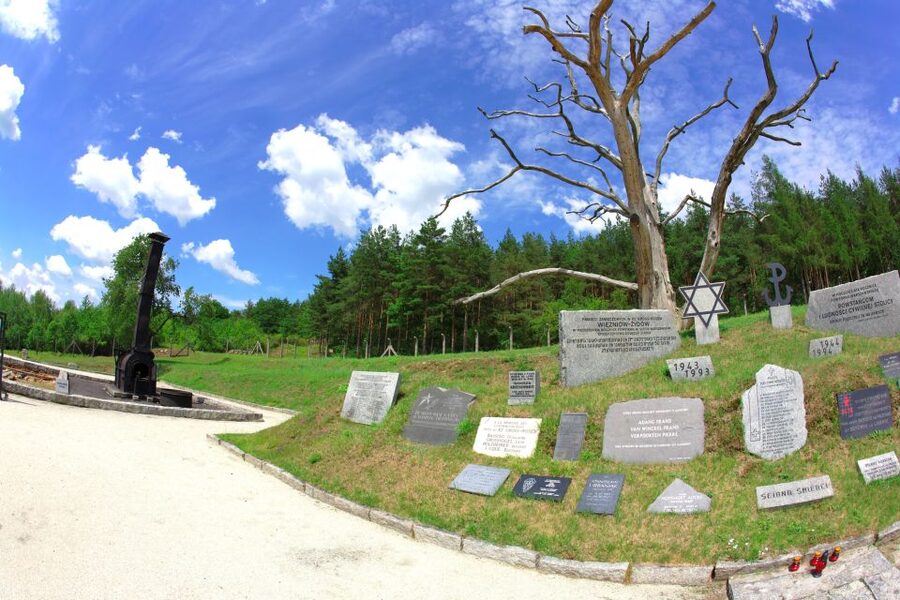
After Project Riese, you can pause for lunch, or your driver can take you directly to Gross-Rosen Concentration Camp. Food is not included, so plan to pay for your own meal and drinks.
The exact lunch arrangement is not presented as a fixed restaurant stop, which gives the driver some room to shape the timing. That flexibility can help on a private day, especially if your group prefers to keep moving or needs a break after the underground visit. It also means you should not expect a prepaid meal or a carefully planned food experience.
The order of the day is sensible. Project Riese presents the wartime construction effort first. Gross-Rosen then shifts the focus from secret infrastructure to the people imprisoned within the Nazi camp system. The two stops are linked by the period, but they offer very different kinds of learning.
Give yourself a little mental space between them. Gross-Rosen is not a light follow-up attraction. The subject is difficult, and the visit deserves attention rather than a rushed, checklist approach.
A different kind of day in Poland:
- From Krakow: Auschwitz-Birkenau Guided Tour & Hotel Pickup
★ 4.5 · 33,358 reviews - From Krakow: Auschwitz-Birkenau Guided Tour & Hotel Pickup
★ 4.5 · 29,340 reviews - Krakow: Auschwitz Guided Tour with Optional Hotel Pickup
★ 4.5 · 15,280 reviews - Krakow–Zakopane: Cable Car, Chocholow Baths, Cheese & Vodka
★ 5.0 · 10,720 reviews
Gross-Rosen Concentration Camp in up to two hours
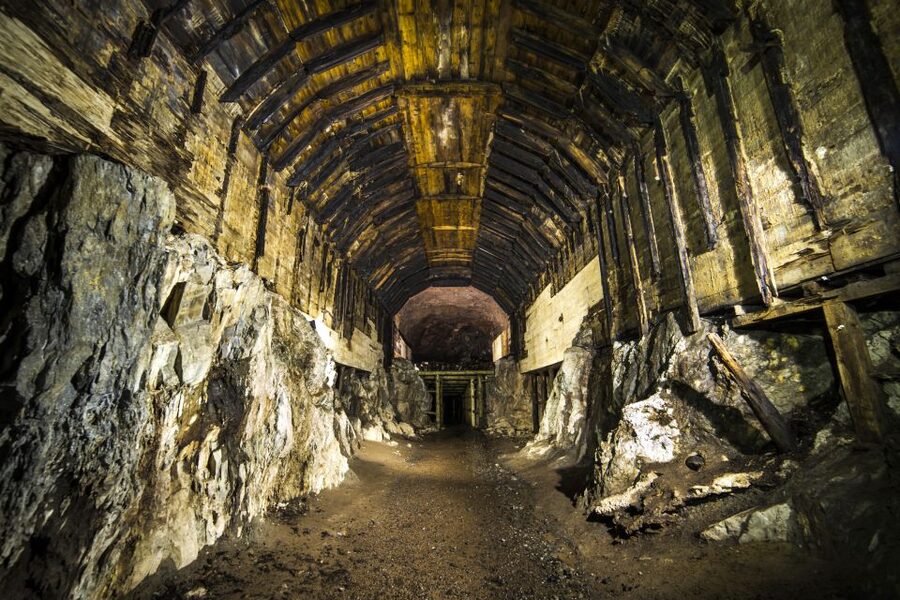
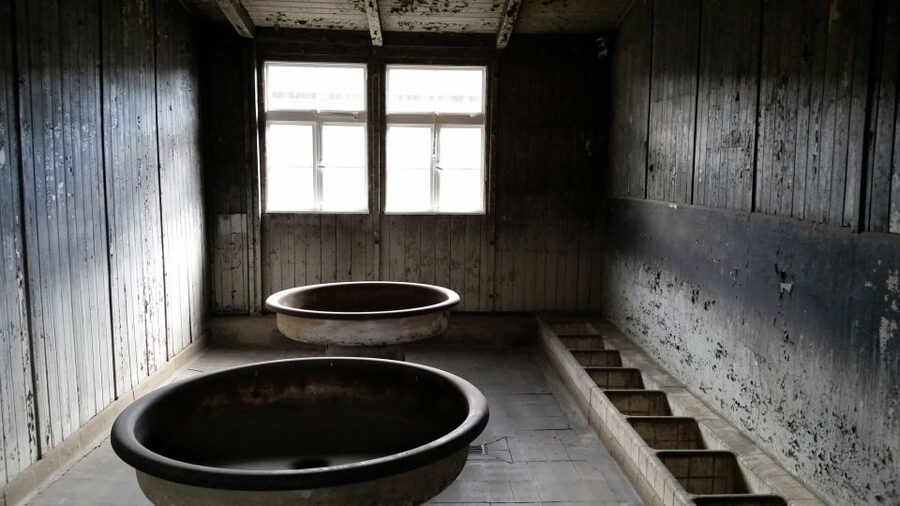
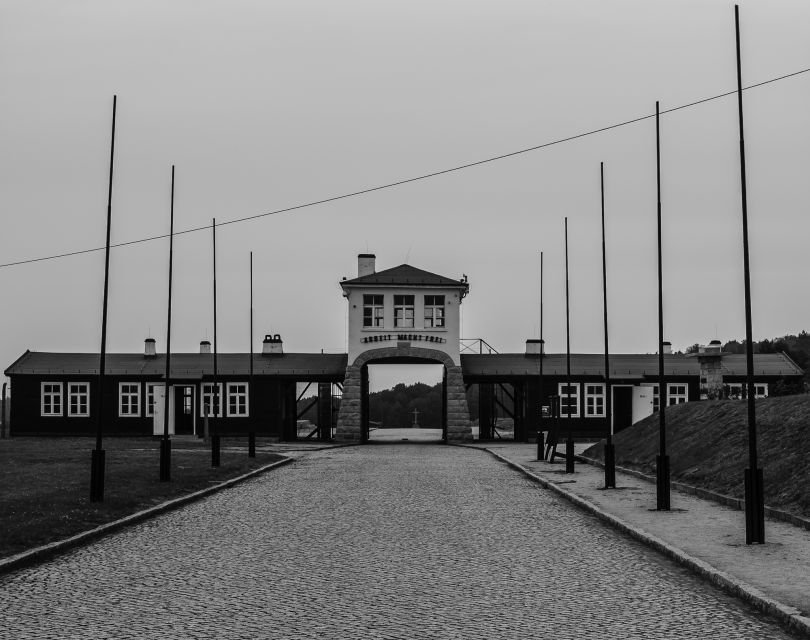
Gross-Rosen was a German network of Nazi concentration camps created and operated during World War II. The main camp was located in the German village of Gross-Rosen.
By 1944, the wider complex had as many as 100 sub-camps across eastern Germany, Czechoslovakia, and occupied Poland. The combined camp population represented about 11 percent of all prisoners held in the Nazi concentration camp system at that time. Those figures give the visit scale, but the site itself is where that scale becomes easier to grasp.
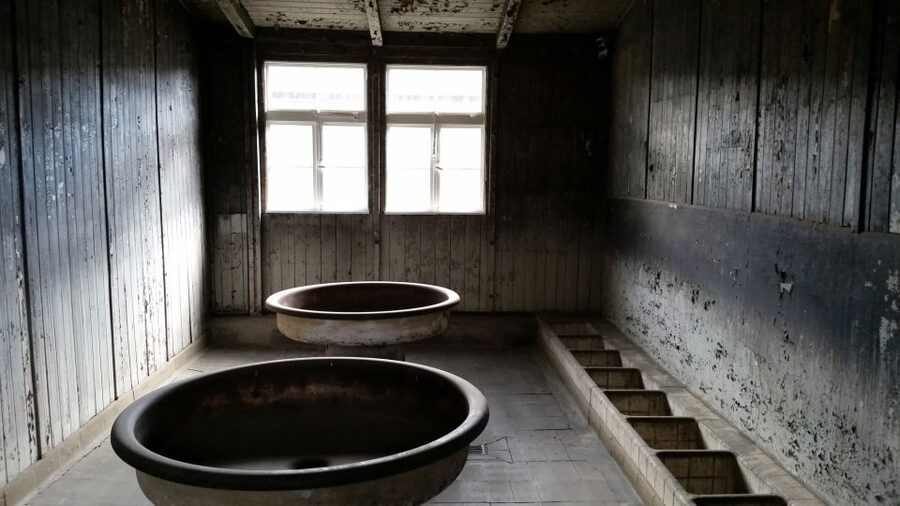
Your visit begins with a short film about the camp. Afterward, you have up to two hours to see the indoor and outdoor exhibitions. That is enough time for a focused visit, though you should not expect to examine every detail at length.
The film is useful because it gives you a framework before you walk through the exhibitions. The indoor displays can add documents and explanation, while the outdoor area places the camp story in a physical setting. Together, they help you connect the wider Nazi camp network with the specific place in front of you.
This part of the day can be emotionally demanding. The tour does not treat Gross-Rosen as a casual sightseeing stop, and you should not either. If you prefer to process difficult subjects slowly, use the full time available and avoid scheduling another major activity immediately after returning to Wroclaw.
An audio guide is included at the Gross-Rosen Museum. The listed languages include English, German, French, Spanish, and Italian, but language availability should be checked if you are booking specifically for Spanish or another language.
What the private format is really worth
The cost is $171 per person. That is a serious price for a day trip, but the value depends on how many people are in your private group and how much you value door-to-door transport.
The price includes hotel pickup and drop-off within Wroclaw, round-trip private transport, an air-conditioned minivan, fuel surcharge, entrance fees, audio guides, bottled water, GST, and an English-speaking driver. You are paying for a full day of transport as well as the two admissions.
For a small group, the private format can make practical sense. You avoid arranging separate transport to remote sites, and your driver manages the long route between Wroclaw, the Owl Mountains, Gross-Rosen, and the city. The value is less convincing if you mainly want a specialist historian or a full local guide at every stop, since local guides are not included.
The 4.8 rating from 26 reviews points to a strong overall experience, with organization, punctuality, communication, and safe driving receiving special praise. One July 2025 booking described the day as worth the cost and praised the friendly driver and clear communication. Another booking from November 2024 highlighted the on-time operation and strong English.
Those comments fit the structure of the tour. It is a practical way to reach sites that are awkward to combine independently in one day. Just keep your expectations in the right place: the driver supports the day, while the audio guides carry much of the site interpretation.
Timing, comfort, and who should book
This is an eight-hour experience, so expect a full day rather than a short excursion. The schedule includes a long first transfer, underground exploration, a possible lunch break, the drive to Gross-Rosen, and up to two hours at the museum before the return to Wroclaw.
I would choose this tour if you have a strong interest in World War II and want more than a city museum. It suits adults, older children who can handle serious subject matter, and private groups that value a simple pickup and a controlled schedule.
I would hesitate if you want a relaxed day with plenty of free time. The route covers a lot, and the two major stops ask for concentration. I would also choose another activity if you dislike cold enclosed spaces, use a wheelchair, or are traveling with a child under five.
Wear shoes you can walk in and bring a jacket even in summer. Bottled water is included, but food and drinks are not, so bring money for lunch. Pets are not allowed, and unaccompanied minors cannot join.
Free cancellation is available up to 24 hours before departure for a full refund. You can also reserve and pay later, which helps if your Wroclaw schedule is still changing.
Should you book the Riese and Gross-Rosen tour?
Book it if you want a private, efficient way to connect Project Riese with Gross-Rosen in one day. The combination is unusual and worthwhile: one stop takes you into secret wartime construction beneath the mountains, while the other confronts the human cost of the Nazi camp system.
The strongest reasons to book are the hotel pickup, scenic transfer, private vehicle, included admissions, and reliable structure. The main cautions are the cold tunnels, emotionally heavy museum visit, limited time, and possible audio-guide language issue.
For most adults interested in Poland’s World War II past, this is a valuable day outside Wroclaw. Confirm your preferred audio language, bring warm clothing, and treat the Gross-Rosen visit as a serious memorial experience rather than just another stop on a busy sightseeing list.
FAQ
How long does the tour last?
The tour lasts eight hours, including transport from Wroclaw, visits to Project Riese and Gross-Rosen, and the return to your accommodation.
Is hotel pickup included?
Yes. Pickup and drop-off are included from hotels or other accommodation within the city of Wroclaw.
What language does the driver speak?
The driver speaks English. Audio guides are listed in English, German, French, Spanish, and Italian, but you should confirm availability if a specific language is important to you.
Is lunch included?
No. Food and drinks are not included. You can pause for lunch after Project Riese, or continue directly to Gross-Rosen.
How cold is Project Riese?
The underground temperature is around 8 to 10 C. Bring a jacket or sweater, even if the weather in Wroclaw is warm.
Can children join the tour?
Children must be accompanied by an adult. Children under five are not allowed to enter Project Riese, and unaccompanied minors are not permitted.
Is the tour wheelchair accessible?
No. The tour is not wheelchair accessible and is also not suitable for people with claustrophobia.
Recently added in Poland
- Gdansk: Outdoor Paintball and Private Transfers★ 4.7 · 3 reviews
- Auschwitz-Birkenau and Krakow Private Car Trip from Katowice★ 4.3 · 3 reviews
- Warsaw Wolf’s Lair with St. Lipka and Mamerki Private Guided★ 4.2 · 3 reviews
- Wawel Castle, Old Town with St. Mary’s Church Guided Tour★ 5.0 · 3 reviews
- From Krakow: Chocholow Thermal Hot Springs (hotel pick up)★ 5.0 · 3 reviews
- Private tour to Zakopane and Thermal Baths from Krakow★ 5.0 · 3 reviews
- Wawel Castle, Cathedral, Rynek Underground Tour with Lunch★ 5.0 · 3 reviews
- Taste of Poland, food tour and guided walk with 12 tasting★ 5.0 · 3 reviews
Museums, compared.

Auschwitz-Birkenau Museum and Memorial Guided Tour from Krakow
Read our review →POLIN Museum of the History of Polish Jews Ticket
Read our review →


Krakow Schindler’s Factory Museum Guided Tour in English
Read our review →
Auschwitz Birkenau Museum Guided Tour with Pickup
Read our review →
Where else this one turns up