
Reviewed · WROCLAW TOURS
Wroclaw: Private Gross-Rosen Concentration Camp Trip
Gross-Rosen is not a light sightseeing stop. It is a place where the machinery of Nazi imprisonment becomes painfully clear, from forced labor and subcamps to prisoners marked for disappearance under the Nacht und Nebel order. This private trip gives you time at the museum without adding a crowded group excursion.
I like the hotel-to-hotel private transfer and the chance to use an audio guide at your own pace. The documentary adds useful background, especially on the 3,000 Soviet POWs transferred here in 1941. The main drawback is that no live camp guide is included, so you will need to follow the audio guide and museum material independently.
Key points to know
- The drive takes about 1 hour and 15 minutes each way, making this a serious half-day visit rather than a quick stop.
- Your English-speaking driver waits for you, so you do not have to arrange a separate return journey.
- Gross-Rosen includes a museum visit, documentary film, and audio guide, available in English or German.
- No guided walking tour is included, which gives you privacy but less personal explanation on site.
- The subject matter is severe, including forced labor, Soviet POWs, brutal treatment, and Nacht und Nebel prisoners.
- The $134 price covers private transport, admission, water, and the audio guide, a useful package if you value convenience and privacy.
Why Gross-Rosen deserves a full half-day
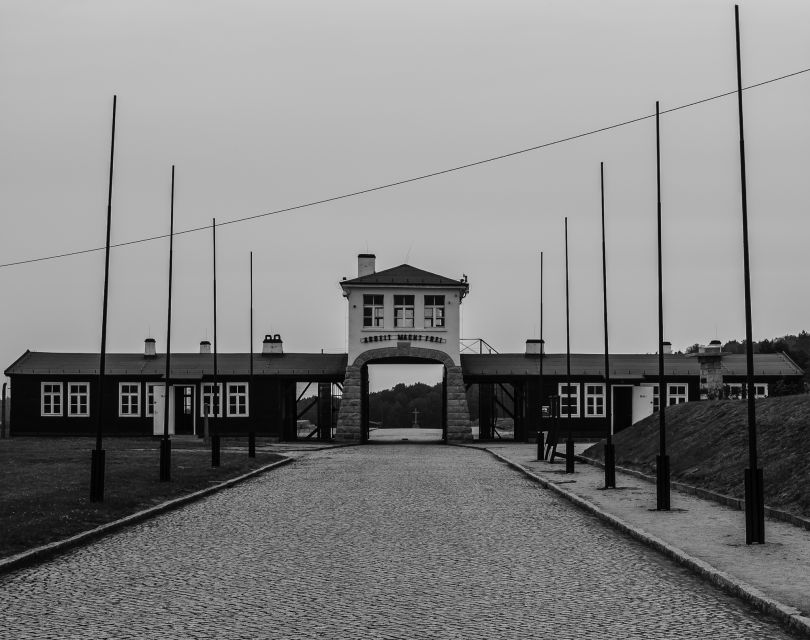
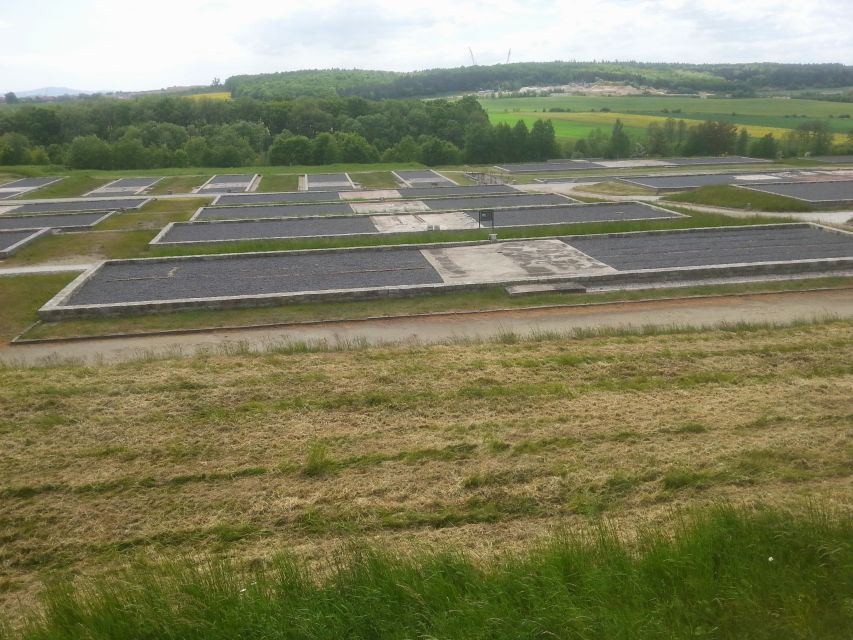
Gross-Rosen was established in 1940 as a satellite camp of Sachsenhausen. Its role soon grew as prisoners were forced to work on the construction of a system of subcamps. That detail matters because the site was not an isolated prison camp in the usual sense. It formed part of a wider Nazi system that spread forced labor and terror across the region.
When you visit, you are not simply looking at an old compound. You are trying to understand how a camp functioned as part of a much larger operation. The museum and audio guide are there to help connect the physical site with the people imprisoned there and the work imposed upon them.
I would set aside your usual sightseeing rhythm before you arrive. This is not the sort of place where you rush through a few displays, take a photograph, and move on to lunch. The strongest reason to choose this trip is the time and privacy it gives you to pay attention.
A few more Wroclaw half days to consider
- Wroclaw: E-Car Tour and Audio Guide
★ 4.6 · 1,738 reviews - Wroclaw: 2-Hour Private Guided Tour by Electric Car
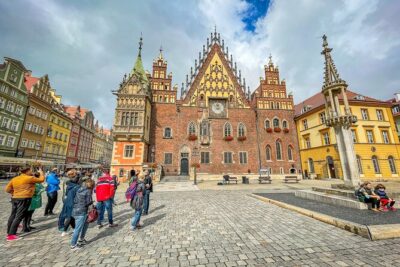
★ 4.8 · 805 reviews - Wrocław: Old Town and Ostrów Tumski Walking Tour in English
★ 4.8 · 311 reviews
The private ride from Wroclaw
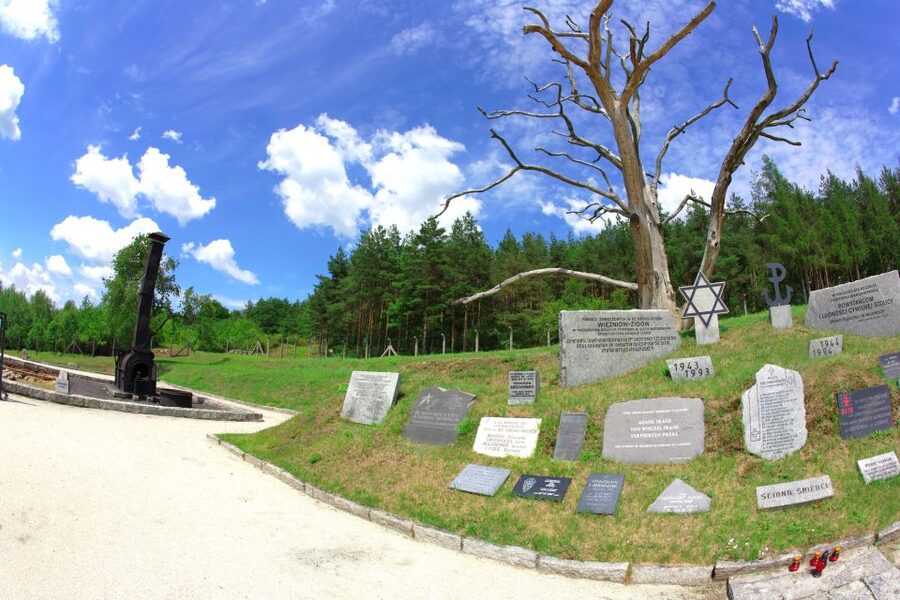
Pickup begins at your hotel or accommodation in Wroclaw. From there, an English-speaking driver takes you to Gross-Rosen in a private vehicle. The drive takes about 1 hour and 15 minutes, so the round trip uses roughly half of the five-hour activity.
That travel time is both a benefit and a limitation. You avoid the planning, transfers, and uncertainty that can come with making your own way to a site outside Wroclaw. You also avoid joining strangers in a larger group. If you want a quiet ride before and after a difficult visit, the private arrangement makes sense.
On the other hand, the driver is not described as a camp guide. English is available for the transport, but that does not mean you receive a spoken history lesson during the drive or a guided tour at Gross-Rosen. You should choose this option for private logistics and personal pacing, not for a fully narrated excursion.
Bottled water is included. That is a small touch, but useful on a half-day trip, particularly because the drive and museum visit take up most of your morning or afternoon.
Arriving at the Gross-Rosen Museum
The visit includes entrance to the Gross-Rosen Museum. The museum is the place to begin building the basic picture of the camp, its prisoners, and the Nazi system that operated here.
You receive an audio guide in English or German. An audio guide can work well at a site like this because you can pause, replay, and give yourself a moment when the material becomes hard to absorb. It also lets you move at a pace that suits you instead of keeping up with a group.
The tradeoff is equally clear. Without a live guide, you will not have someone beside you to answer follow-up questions or explain a detail in the moment. If you prefer a flowing conversation with a historian, this arrangement may feel spare. If you want privacy and control, it may be exactly right.
I would use the museum material to establish the broad story before focusing on individual subjects. Learn what Gross-Rosen was built to do, how the subcamp network developed, and how prisoners were treated. The audio guide should help turn a difficult site into something you can understand rather than a series of disconnected facts.
The documentary and the 3,000 Soviet POWs
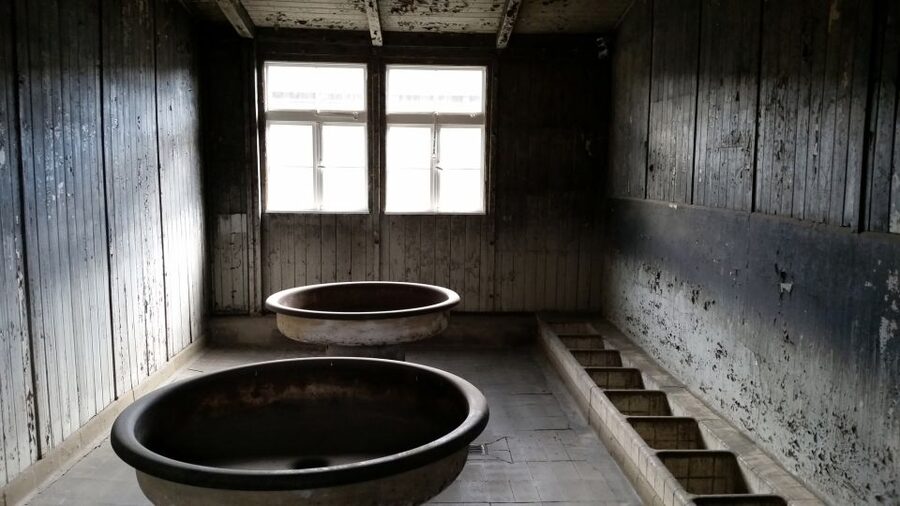
An informative documentary film is part of the visit. Its subject includes the camp and the 3,000 Soviet prisoners of war who were transferred there in 1941.
That film is a valuable part of the experience because a video can provide context that is hard to gather from a silent building or outdoor site. You can use it to place the camp within the wider Nazi system and to understand that different prisoner groups faced different paths through the camp.
The figure of 3,000 Soviet POWs gives the story a specific human scale. It is easier to grasp the weight of the camp when the history is tied to a defined group rather than left as a vague account of suffering. The documentary should be especially useful if you have not studied Gross-Rosen before.
The word informative does not mean easy. The film deals with mass imprisonment and wartime persecution, so give yourself time afterward to process what you have seen. The schedule allows the museum visit and documentary to form one sustained experience, rather than treating the site as a brief photo stop.
A different kind of day in Wroclaw:
- Wroclaw: Private Old Town Guided Walking Tour (2 hours)
★ 4.8 · 275 reviews - Old Town Wrocław Walking Tour
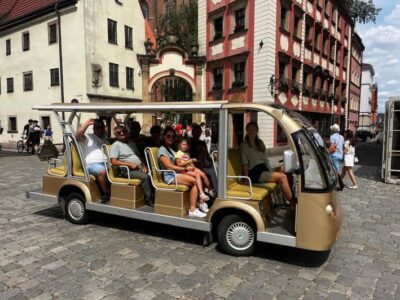
★ 5.0 · 249 reviews - Wroclaw: City Tour Sightseeing By Golf Cart Shared Or Privat
★ 4.8 · 189 reviews - Auschwitz-Birkenau Tour from Wrocław
★ 5.0 · 129 reviews
Forced labor and the subcamp system
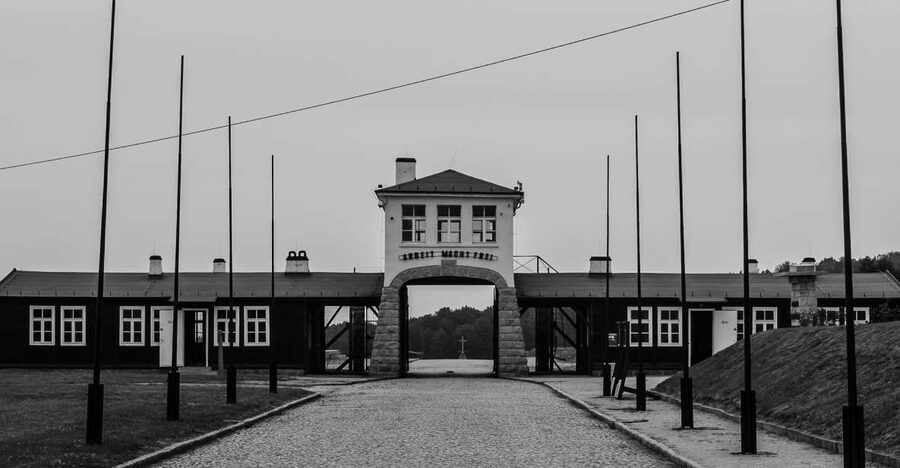
Gross-Rosen was created in 1940 as a satellite camp to Sachsenhausen, and prisoners were put to work helping construct a network of subcamps. This is one of the most important facts to carry with you through the visit.
A subcamp system allowed forced labor to reach beyond one central location. Prisoners could be moved or assigned to work connected with wider construction and industrial needs. The result was a system that spread control, exhaustion, and punishment across many sites.
The audio guide and museum help you connect the camp you see with that larger network. I find this wider view essential. Without it, you may understand Gross-Rosen only as one place. With it, you can see how Nazi operations used imprisonment and labor as an organized system.
This is also where the visit differs from a standard historical attraction. There is no decorative presentation or easy narrative. The point is not to make the subject comfortable. The point is to help you face how ordinary systems of transport, labor, administration, and punishment were used to harm people on a huge scale.
The meaning of Nacht und Nebel
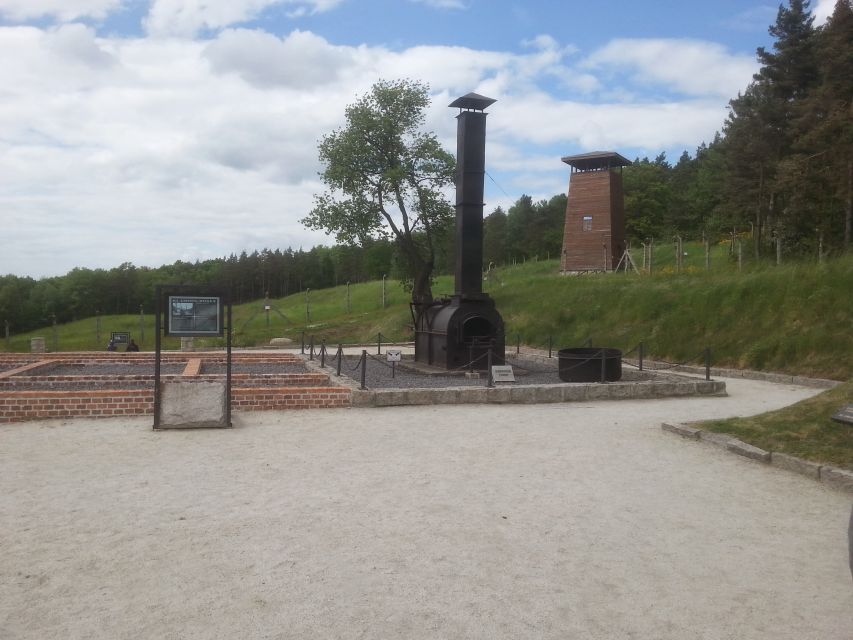
Gross-Rosen was also associated with the Nacht und Nebel prisoners. The phrase refers to prisoners who were meant to vanish without a trace. That policy adds another layer to the visit because it was not only about confinement or forced labor. It was also about removing people from public view and denying families reliable knowledge of their fate.
This is a detail worth listening for in the museum and audio guide. It shows how the Nazi system used secrecy as a weapon. A prisoner who disappeared under this policy could be cut off from the outside world, leaving relatives without a clear account of what had happened.
You may find that these details make the visit feel more personal and more difficult than a general account of wartime history. That is appropriate. Gross-Rosen is a memorial and museum site dealing with people whose lives were broken by deliberate policy.
Because there is no live guide, take your time with the audio material on this subject. You will not have a guide beside you to judge when you are ready to move on. That freedom can be helpful, but it also means you need to manage your own pace.
What the private format changes
The private group format is the clearest advantage of this experience. You travel with your own party, receive pickup and drop-off at your accommodation, and have a driver waiting while you visit Gross-Rosen.
That makes the trip easy to fit into a Wroclaw stay. You do not need to find the museum on your own or arrange a separate ride back after a demanding visit. The driver returns you to your accommodation when the museum portion is complete.
Private transport also gives you a quieter setting for the journey. You can discuss what you have seen with the people in your group, or simply sit quietly. There is no need to make conversation with strangers after viewing difficult material.
Still, private does not mean guided. The driver speaks English, but the included camp information comes through the audio guide and documentary. If personal interpretation is your top priority, check carefully that this format suits you before booking. The experience is designed around independent exploration at the museum.
Is $134 a fair price?
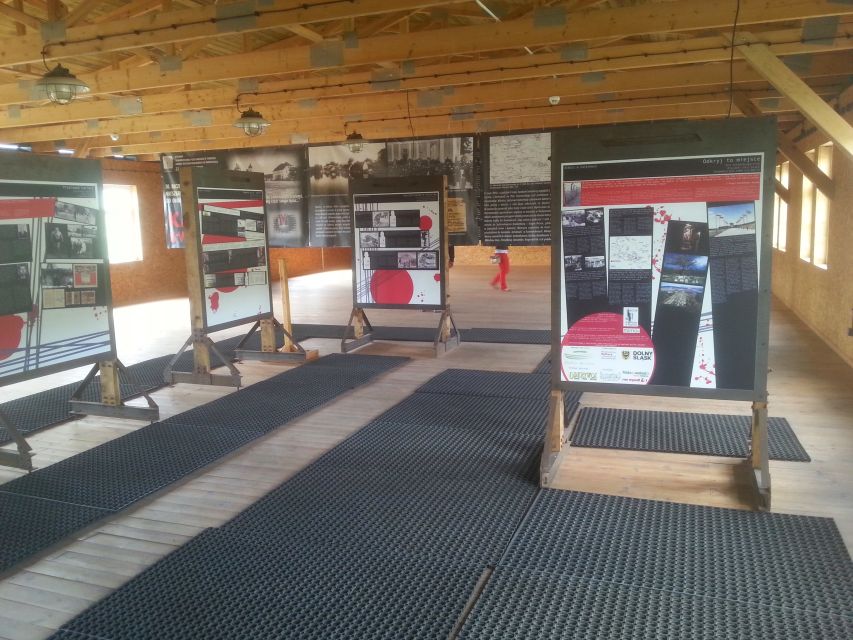
The listed price is $134 per person. Judging the value depends on how many people are in your private group and how much you value door-to-door service.
The price includes admission, private vehicle transport, hotel pickup and drop-off, bottled water, and the audio guide. It also covers the driver’s time during the visit, since the driver waits for you at Gross-Rosen rather than leaving you to arrange transport back.
For a solo visitor, $134 is a noticeable amount for a five-hour activity. You are paying for convenience, privacy, and a direct connection between Wroclaw and the museum, not for a long guided lecture. For a couple or small private group, the arrangement can feel more reasonable because the transport and waiting service are shared within the group.
I would compare this with the value of your time. The drive is 1 hour and 15 minutes each way, and finding your own transport could require more planning. If you want the simplest route from your hotel to Gross-Rosen, the package earns its price through ease. If you already have dependable transport and prefer to explore alone, the included services may be less important to you.
The strong 4.8 rating from 11 reviews, along with a specific note praising a very good guide, suggests that the human side of the experience can work well. No guide’s name is provided, so you should not book expecting a particular person. The listed service is an English-speaking driver plus an English or German audio guide.
Who should book this Gross-Rosen visit?
I would recommend this trip to you if you are staying in Wroclaw and want to visit Gross-Rosen without handling the transport yourself. It is also a good fit for couples, families with older children, or private groups who prefer to reflect together rather than join a larger party.
The experience suits people who are comfortable learning from an audio guide and documentary. You will get the most from it if you are willing to read, listen, and move slowly through the museum rather than expecting entertainment or constant conversation.
It may not suit you if you need a live historian to lead every step. The absence of a guided camp tour is the main limitation, and it should shape your decision. You can still gain a great deal from the museum, documentary, and audio guide, but the structure asks you to take responsibility for your own visit.
The subject also calls for maturity and care. Gross-Rosen deals with forced labor, brutal treatment, Soviet POWs, and prisoners who disappeared under Nacht und Nebel. If you are looking for a light historical outing between Wroclaw attractions, choose something else.
Practical details for planning your day
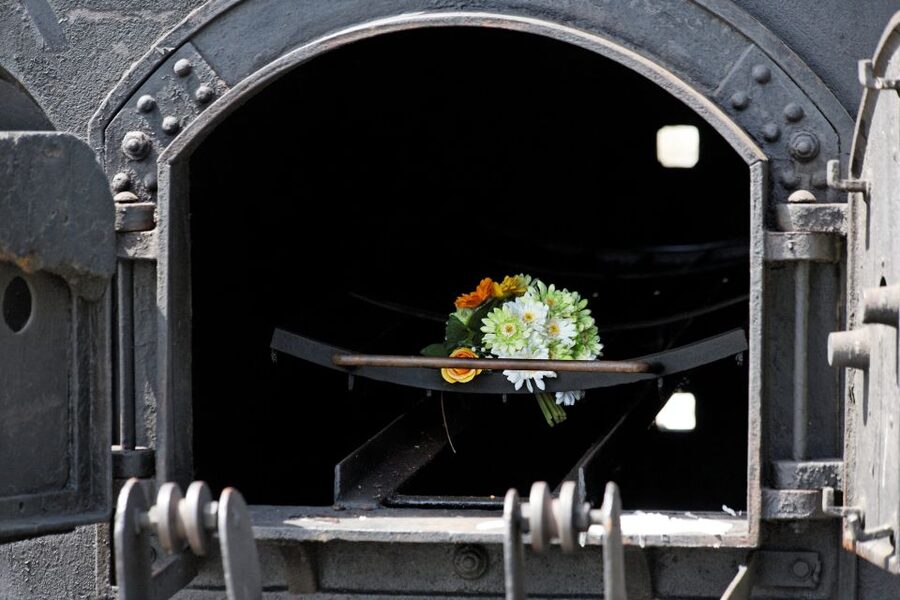
The full activity lasts five hours, including transport from Wroclaw and the return journey. Starting times vary, so you need to check availability for the date and time that fit your plans.
Pickup is included from your Wroclaw hotel or accommodation. At the end, the driver takes you back to your accommodation, which keeps the day simple from start to finish.
Cancellation is free up to 24 hours before the activity for a full refund. You can also reserve now and pay later, which helps if your Wroclaw schedule is still changing.
I would avoid placing another demanding museum or fixed appointment immediately after this trip. The practical schedule may end on time, but the emotional experience can last longer. Leave yourself a quiet evening if possible.
My verdict on the Gross-Rosen trip
Book this experience if you want a private, straightforward way to reach Gross-Rosen from Wroclaw and you are comfortable exploring with an audio guide rather than a live camp guide. The hotel pickup, waiting driver, documentary, and private return make it a useful package for a half-day visit.
Think twice if you want detailed personal commentary throughout the site or if $134 per person feels high for private transport and independent museum time. For a visitor who values convenience, privacy, and a serious introduction to Gross-Rosen, the price is defensible. For someone seeking a fully guided historical tour, look for a different format.
FAQ
How long does the Gross-Rosen trip from Wroclaw take?
The activity lasts five hours. The drive from Wroclaw to Gross-Rosen takes about 1 hour and 15 minutes each way.
Is hotel pickup included in Wroclaw?
Yes. Pickup from your hotel or accommodation in Wroclaw is included, as is drop-off after the visit.
Is transportation private?
Yes. Transport is provided by private vehicle for a private group.
Does the driver speak English?
Yes. The driver language is English.
Is a guided tour of the camp included?
No. A live guided tour of the concentration camp is not included.
Which languages are available for the audio guide?
The audio guide is available in English and German.
Does the experience include a documentary film?
Yes. You can watch an informative documentary about Gross-Rosen, including the 3,000 Soviet POWs transferred there in 1941.
Can I cancel for a full refund?
Yes. You can cancel up to 24 hours in advance for a full refund.
Recently added in Wroclaw
- CITY QUEST WROCLAW: unlock the mysteries of this city!★ 5.0 · 3 reviews
- Wroclaw: Old City Walk and Cruise with Small Gondola★ 4.7 · 3 reviews
- Private Transfer from Wroclaw (WRO) Airport to Wroclaw city centre★ 5.0 · 3 reviews
- Wroclaw : Walking Custom Tour with a Local Guide★ 4.8 · 3 reviews
- Wrocław: Ostrów Tumski and Old Town Highlights Private Tour★ 5.0 · 3 reviews
- Wroclaw Jewish Quarter Private Guided Tour★ 5.0 · 3 reviews
- Electric Scooter Tour: Full Tour (Old Town + Ostrów Tumski)★ 5.0 · 3 reviews
- Segway Tour Wroclaw: Ostrów Tumski Tour – 1,5-Hours of Magic!★ 5.0 · 3 reviews
Wroclaw Tours, compared.
Old Town and Ostrów Tumski Walking Tour in English
Read our review →
City Tour Sightseeing By Golf Cart Shared Or Privat
Read our review →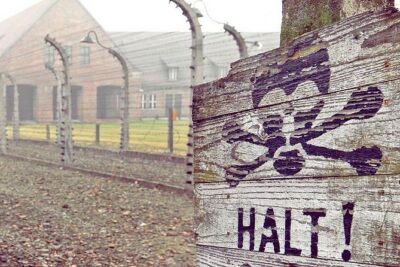

Where else this one turns up