
Reviewed · WROCLAW TOURS
Wroclaw: Day of WW2: Riese, Gross-Rosen, Ksiaz Castle
Lower Silesia hides one of the strangest wartime projects in Europe: Project Riese, a vast Nazi construction scheme cut into the Owl Mountains. Add the grim remains of Gross-Rosen concentration camp and the grand halls of Ksiaz Castle, and you have a day that shifts sharply between mystery, beauty, and horror.
I like the way this tour joins three very different places in one outing, and I like the small group of no more than eight, which keeps the ride more personal than a large coach trip. The private vehicle, hotel pickup, and return to Wroclaw also make a long day much easier.
The main drawback is the pace. Ten hours is a serious commitment, and Osowka’s English audio material may be harder to follow than the information at Gross-Rosen and Ksiaz Castle. This is best for visitors who want a demanding WWII day rather than a relaxed castle visit.
Key points at a glance
- Osowka’s underground city: Enter one of the most mysterious parts of Project Riese, a Nazi building scheme from 1943 to 1945 that still has unanswered questions.
- Gross-Rosen’s quarry camp: Visit Lower Silesia’s largest Nazi-German concentration camp, where forced labor and brutally harsh conditions killed around 40,000 people.
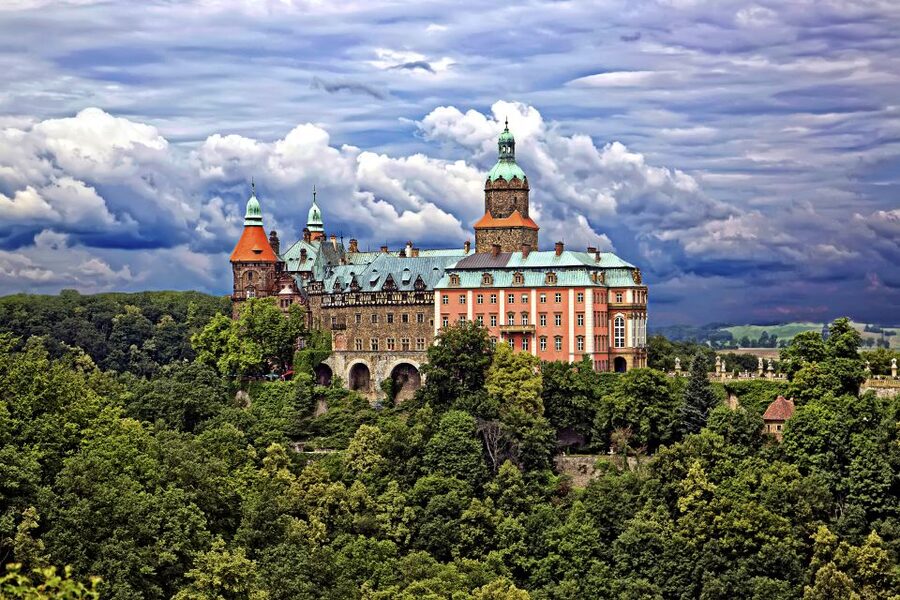
- Ksiaz Castle’s wartime role: See the third-largest castle in Poland, where Hitler’s paramilitary organization began work on a major headquarters.
- A private 10-hour outing: Travel from your Wroclaw hotel or apartment in a private vehicle, with transport, fuel charges, taxes, and trip insurance included.
- English support throughout: Expect a live English-speaking guide, with English, German, and Russian audio guides available at the main sites.
- Jakub may be your driver-guide: One especially well-regarded guide, Jakub, is noted for careful driving, helpful answers, and useful restaurant suggestions in Wroclaw.
Why this unusual WWII day matters
Most visitors first meet Poland’s wartime past in major museums and city memorials. This trip takes you beyond the usual route, into the hills and former industrial sites around Lower Silesia.
The three stops tell different parts of the story. At Osowka, you confront a project that was unfinished and partly unexplained. At Gross-Rosen, the subject is not military secrecy but the Nazi camp system and the human cost of forced labor. At Ksiaz, architecture and power collide: a historic castle was drawn into Hitler’s plans for a headquarters.
That contrast gives the day its force. Ksiaz can feel almost theatrical, with its position high above the Pelcznica River and its forest setting. Gross-Rosen is spare and painful. Osowka is dark, rough, and puzzling. You should not expect a single neat theme or mood.
You should also set aside romantic ideas about secret tunnels. Project Riese was not simply a mysterious underground city waiting for discovery. It was a huge wartime undertaking carried out by Nazi Germany between 1943 and 1945, using prisoners and forced labor in terrible conditions. The unanswered questions make Osowka compelling, but the human story must remain at the center.
A few more Wroclaw half days to consider
- Wroclaw: E-Car Tour and Audio Guide
★ 4.6 · 1,738 reviews - Wroclaw: 2-Hour Private Guided Tour by Electric Car
★ 4.8 · 805 reviews - Wrocław: Old Town and Ostrów Tumski Walking Tour in English
★ 4.8 · 311 reviews
Osowka and the unfinished Project Riese
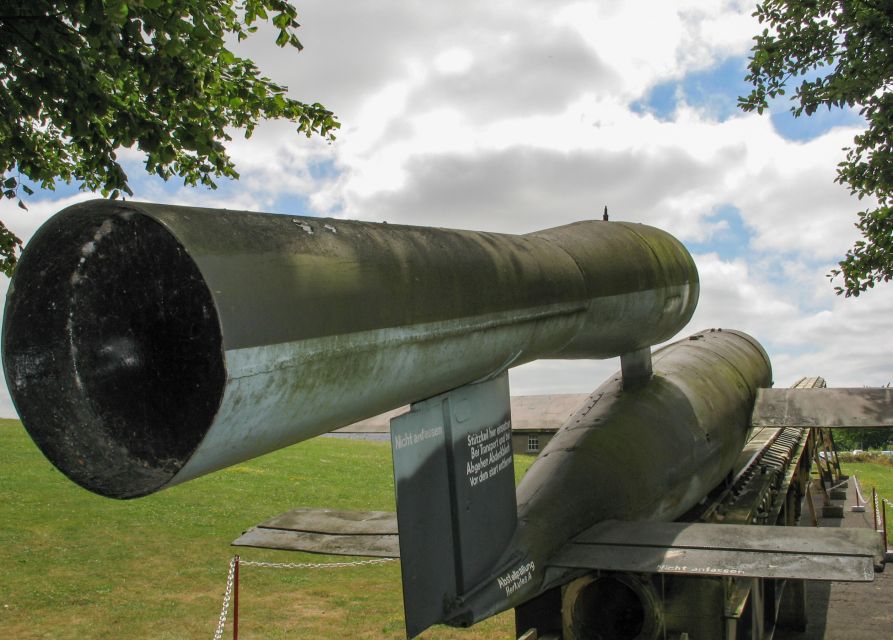
Osowka is part of Project Riese, the code name for a major Nazi construction effort in Lower Silesia. The work took place during the final years of the Second World War, from 1943 to 1945, when Nazi Germany was building facilities whose full purpose has never been completely explained.
The phrase underground city captures the imagination, but the reality is more severe. You enter a structure built into the earth, where the scale of the work hints at vast plans that were never completed. The site has an unfinished, stripped-back quality rather than the polished feel of a standard museum.
That is part of its appeal. Osowka does not hand you every answer. You are left looking at concrete, tunnels, and incomplete spaces while trying to understand what the Nazis intended to build there. For anyone interested in wartime engineering, secret weapons programs, or the Nazi leadership’s plans in Lower Silesia, this is the most unusual stop of the day.
The audio guide is available in English, German, and Russian. Still, you should be ready for some uneven listening. The English audio at Osowka can be difficult to follow in places, and one part of the experience may feel short on explanation. A live English-speaking guide helps, but you may want to ask questions whenever the story becomes unclear.
I would treat Osowka as a place where atmosphere and scale do some of the work. Do not expect a perfectly explained narrative at every turn. Instead, pay attention to the unfinished nature of the construction and the uneasy gap between what can be seen and what remains unknown.
Gross-Rosen, where forced labor became a weapon
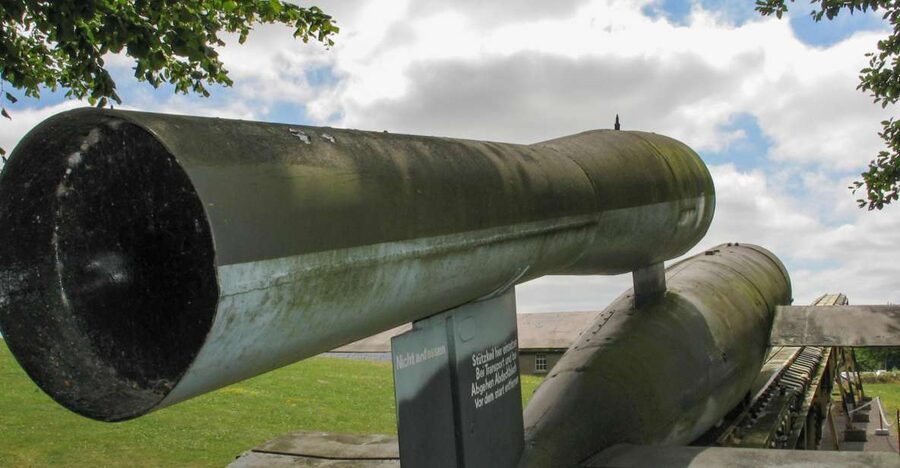
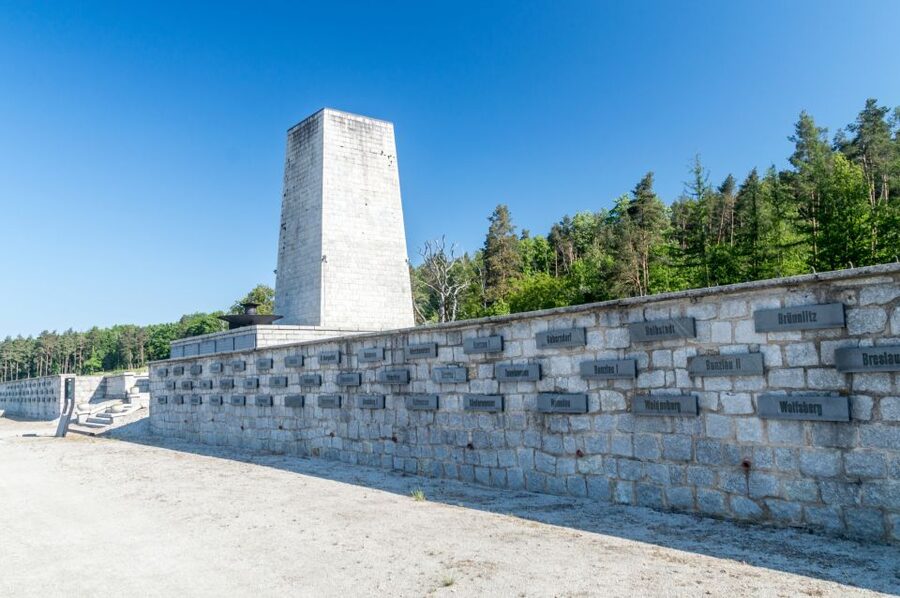
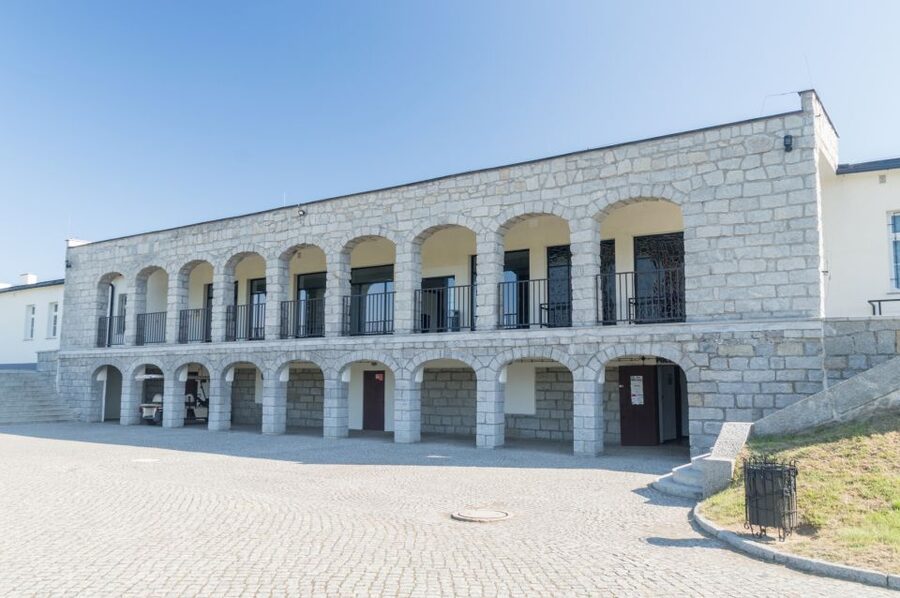
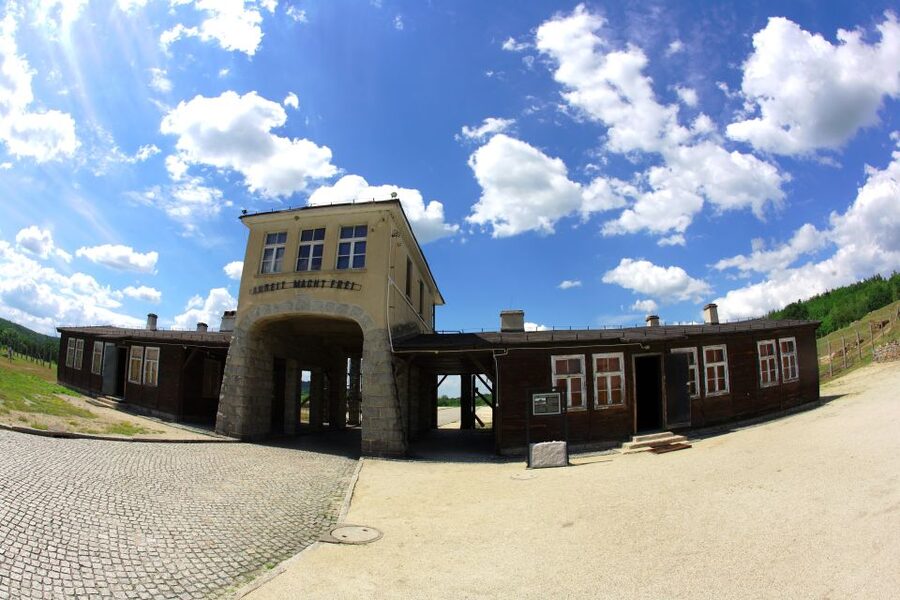
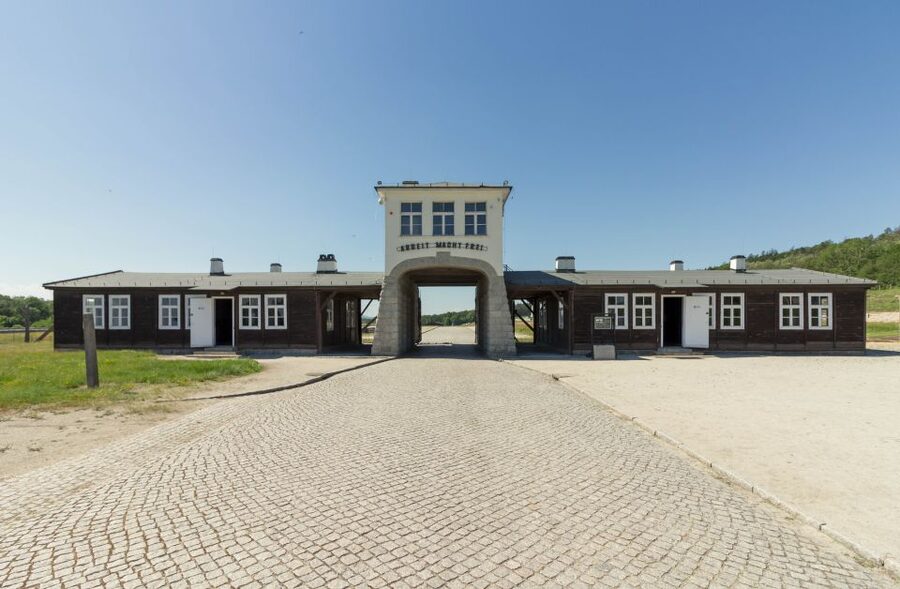
Gross-Rosen in Rogoźnica was the largest Nazi-German concentration camp in Lower Silesia. Its defining feature was forced labor in the stone quarries, carried out under especially harsh conditions.
The camp’s motto was Vernichtung durch Arbeit, translated as annihilation through work. That phrase gives you the basic truth of the place. Labor was not only a means of production. It was used as a tool of punishment and destruction.
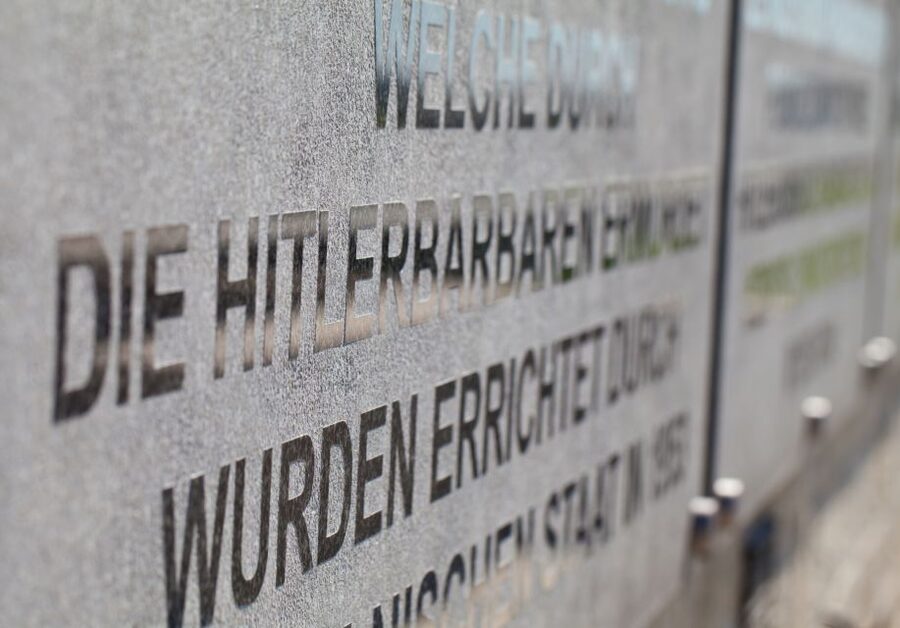
Around 40,000 prisoners died at Gross-Rosen. They included Poles, Jews, Russians, French prisoners, and Hungarians. The figures are large, but the visit is more meaningful when you resist letting the number become an abstraction. This is a memorial site connected to individual lives, families, and communities destroyed by the camp system.
Gross-Rosen is likely to feel more direct and structured than Osowka. The English audio guide is considered easier to follow here, giving you a clearer framework for the camp’s purpose and the conditions prisoners endured. You can take in the site at a sober pace, with the quarry work forming a central part of the story.
This stop also gives needed context to Project Riese. The construction projects in the surrounding region did not exist apart from the camp system. Prisoners were used as labor across Nazi building schemes, and the human cost was extreme.
Do not plan this as a casual sightseeing stop. You may find the visit emotionally heavy, and that is appropriate. The tour includes several very different settings, but Gross-Rosen should not be treated as a quick break between Osowka and Ksiaz. Give it your attention.
Ksiaz Castle and Hitler’s planned headquarters
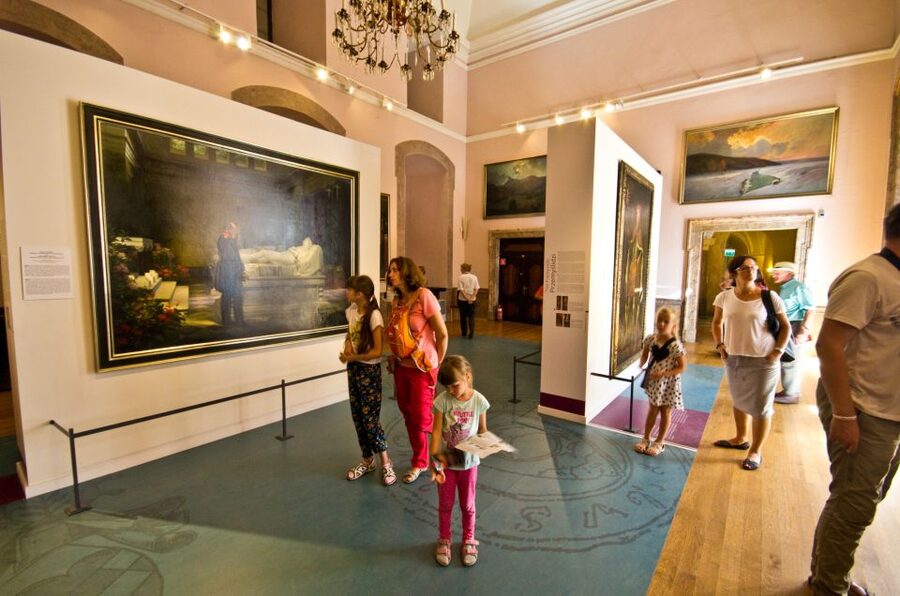
Ksiaz Castle, also written as Ksiaż, is the grandest setting on the route. It is the third-largest castle in Poland, positioned about 395 meters above sea level on a rocky cliff beside the Pelcznica River. Forest surrounds the site, giving it the nickname the Pearl of Lower Silesia.
The castle is valuable here for more than its size and appearance. In 1943, Hitler’s paramilitary organization began building one of his main headquarters at Ksiaz. The work connected the castle with other Project Riese locations near Osowka and Wlodarz.
That wartime layer changes how you see the castle. You are not simply walking through an old residence with grand rooms. You are also looking at a place absorbed into Nazi military planning. The contrast between the castle’s elegant setting and its intended wartime use is one of the day’s sharpest moments.
Ksiaz also gives the schedule some visual relief after Gross-Rosen. The architecture and high position provide a very different experience from a camp memorial or underground construction site. I like that contrast, but it can also create an awkward emotional shift. You may need a little time to move from the solemnity of Gross-Rosen to the castle’s more conventional sightseeing atmosphere.
The connection between Ksiaz and Riese is the important point. The castle was part of a wider network of construction and headquarters plans in Lower Silesia. Seeing it alongside Osowka helps you understand that the Nazi project was not one isolated tunnel complex. It involved a broad area and ambitious plans that were still unfinished when the war ended.
A different kind of day in Wroclaw:
- Wroclaw: Private Old Town Guided Walking Tour (2 hours)
★ 4.8 · 275 reviews - Old Town Wrocław Walking Tour
★ 5.0 · 249 reviews - Wroclaw: City Tour Sightseeing By Golf Cart Shared Or Privat
★ 4.8 · 189 reviews - Auschwitz-Birkenau Tour from Wrocław
★ 5.0 · 129 reviews
How the day works from Wroclaw
The tour lasts about 10 hours and begins at your hotel or apartment in Wroclaw. It also ends back at that meeting point, which saves you from finding your own way home after a long day.
Transport is by private vehicle, not a standard large bus. The group is limited to eight people, so the ride should feel more manageable and flexible than a mass excursion. You will spend a substantial part of the day on the road, and that makes a private vehicle a real part of the value rather than a minor extra.
The driver is also important. Jakub has been praised for being on time, polite, helpful with questions, and able to suggest restaurants for the rest of your Wroclaw stay. Those small touches matter on a day with several complicated historical sites. A careful driver also makes the long schedule less tiring.
The live tour language is English. Audio guides are included in English, German, and Russian, although the English presentation at Osowka may be less clear than the material at the other stops. If you want the most from the day, keep questions ready for the guide rather than relying only on recorded information.
The starting time depends on availability, so check the schedule before booking. The supplied information does not promise a fixed departure hour, and the exact order of the stops may depend on the day’s arrangements.
What the $267 price really covers
At $267 per person, this is not a low-cost sightseeing trip. The price makes more sense if you compare it with the work involved in reaching three outlying sites from Wroclaw.
You are paying for a 10-hour day, hotel pickup and drop-off, private transport, fuel charges, taxes, handling fees, a driver or pilot, and trip insurance. A small group of up to eight is included as well. That package removes much of the planning and lets you focus on the sites.
The value is strongest for couples, families, or small groups who would otherwise need to arrange a private car and manage the route themselves. It is also useful if you want an English-speaking person with you across several sites instead of piecing together separate visits.
The value is weaker if you mainly want Ksiaz Castle. You would be paying for a full WWII circuit, including the long transport time and the demanding Gross-Rosen visit. In that case, a castle-focused outing could be a better match, though this tour is the one that connects Ksiaz to Riese and the wartime history of the area.
The reserve-now, pay-later option keeps your money free until closer to the trip. You can cancel up to 24 hours before the start for a full refund. Those terms are useful when your Wroclaw plans are still changing, but they do not make the day itself any less intense.
Who should book this tour
I would choose this day if you have a serious interest in the Second World War, Nazi construction projects, concentration camps, or the lesser-known history of Lower Silesia.
It suits you especially well if:
- You want to see more than the central sights of Wroclaw.
- You prefer a small group and private transport.
- You value hotel pickup and a guide who can answer questions.
- You are comfortable visiting a concentration camp memorial.
- You enjoy places that leave some questions unanswered.
- You have one full day available for a demanding regional outing.
I would think twice if you dislike long days, underground spaces, or abrupt changes in mood. Osowka may feel confusing without close attention to the guide, and Gross-Rosen is not an easy stop emotionally. The day asks for patience and focus.
Families should judge the trip by the age and temperament of their children. The information provided does not specify a child policy, but the subject matter at Gross-Rosen is serious and may not suit young children.
Practical ways to get more from the visit
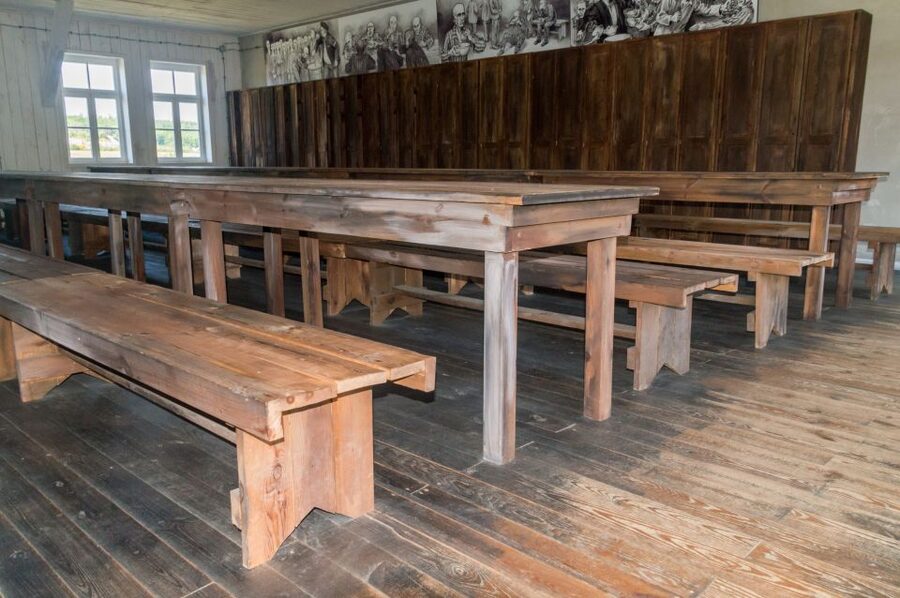
Start by treating the tour as a history day, not a standard sightseeing loop. The castle is attractive, but the main purpose is the connection between wartime planning, forced labor, and the unfinished Riese project.
Ask your guide to clarify the parts of Osowka that the audio guide does not explain well. The English material may be hard to follow at times, and a live conversation can help you connect the underground structures with the wider Riese network.
Keep your attention on the order of ideas, not just the visual effect. At Osowka, consider what the unfinished construction tells you. At Gross-Rosen, focus on the camp’s labor system and the prisoners who died there. At Ksiaz, look beyond the castle rooms to the headquarters project begun in 1943.
You may also want to leave some room after returning to Wroclaw. The tour includes a concentration camp memorial and wartime construction sites, so a quiet evening may suit you better than a packed night out. If you speak with Jakub, his restaurant suggestions could help you choose a simple local meal.
Should you book the Riese, Gross-Rosen, and Ksiaz day?
Book it if you want the rare chance to connect Osowka, Gross-Rosen, and Ksiaz Castle in one well-organized day from Wroclaw. The private vehicle, small group, hotel service, and English support make the high price easier to justify, especially for visitors without a car.
The strongest parts are the range of sites and the human guide element. Jakub’s careful service and practical local suggestions add value, while the audio guides provide extra support at Gross-Rosen and Ksiaz. The weakest point is Osowka’s English audio, which may leave you working harder to follow the story.
This is not a light excursion, and it is not designed only for castle lovers. If you want a serious, unusual look at Lower Silesia during the Second World War, I would book it. If you want a slower day with polished interiors and scenic views, choose a shorter Ksiaz visit instead.
FAQ
How long does the tour last?
The tour lasts 10 hours, including the visits to Osowka, Gross-Rosen concentration camp, and Ksiaz Castle.
Where does the tour start and finish?
Pickup is from your hotel or apartment in Wroclaw. The activity ends back at the same meeting point.
What language is the live tour guide?
The live tour guide speaks English.
Which audio guide languages are available?
Audio guides are included in English, German, and Russian.
How many people can join the tour?
The group is limited to eight participants.
What is included in the price?
The price includes taxes, fees, handling charges, fuel surcharge, driver or pilot, hotel pickup and drop-off from Wroclaw, private-vehicle transport, and trip insurance.
Can I cancel for a full refund?
Yes. You can cancel up to 24 hours in advance for a full refund.
Can I reserve now and pay later?
Yes. You can reserve your place and pay later, which keeps your plans flexible.
Recently added in Wroclaw
- CITY QUEST WROCLAW: unlock the mysteries of this city!★ 5.0 · 3 reviews
- Wroclaw: Old City Walk and Cruise with Small Gondola★ 4.7 · 3 reviews
- Private Transfer from Wroclaw (WRO) Airport to Wroclaw city centre★ 5.0 · 3 reviews
- Wroclaw : Walking Custom Tour with a Local Guide★ 4.8 · 3 reviews
- Wrocław: Ostrów Tumski and Old Town Highlights Private Tour★ 5.0 · 3 reviews
- Wroclaw Jewish Quarter Private Guided Tour★ 5.0 · 3 reviews
- Electric Scooter Tour: Full Tour (Old Town + Ostrów Tumski)★ 5.0 · 3 reviews
- Segway Tour Wroclaw: Ostrów Tumski Tour – 1,5-Hours of Magic!★ 5.0 · 3 reviews
Wroclaw Tours, compared.
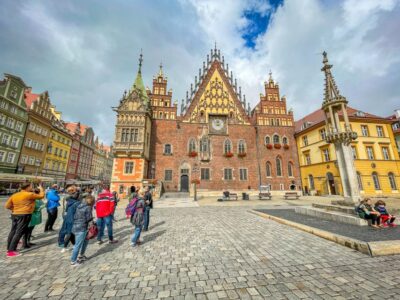
Old Town and Ostrów Tumski Walking Tour in English
Read our review →
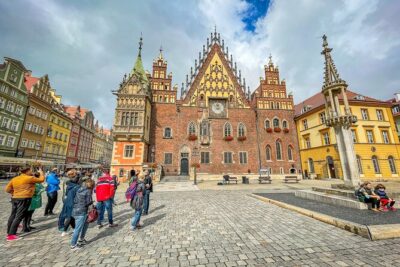
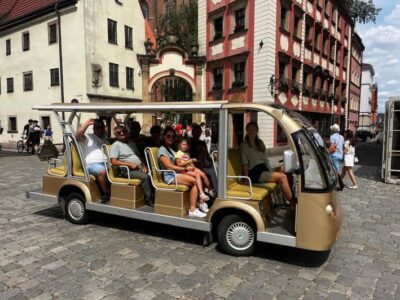
City Tour Sightseeing By Golf Cart Shared Or Privat
Read our review →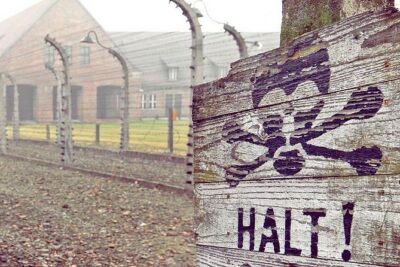

Where else this one turns up