
Reviewed · POLISH FOOD & VODKA TASTINGS
Nowa Huta Tour from Krakow: Communist City, Vodka & Zapiekanka
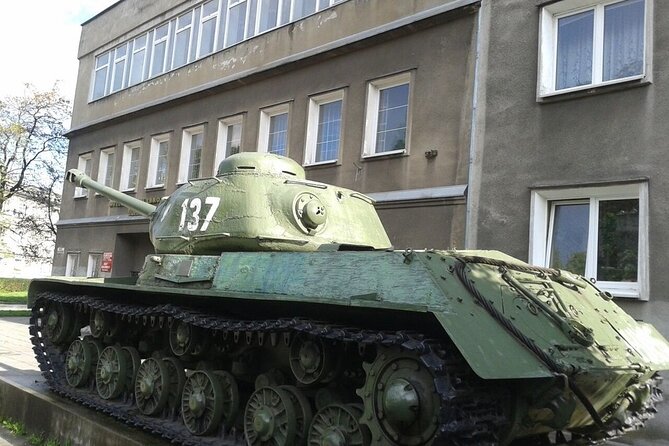
Nowa Huta was built as a model socialist city, but its broad avenues and monumental blocks tell only part of the story. This four-hour tour adds the human side: a Cold War shelter, memories of daily life under communism, a local snack, vodka in a communist-style bar, and the church that became a symbol of resistance.
I like the underground museum because it gives you useful context before the walking tour, and I like the way the food stop connects big political events with ordinary life. Guides such as Anna and Marta have received especially warm praise for their personal stories and clear explanations.
The main caution is price. At $114.14 per person, this is not a cheap Krakow outing, and one hour of the program is devoted to food and drink. If you want a detailed lecture on socialist-realist architecture or the workers’ protests, you may want more depth than this tour provides.
Key points to know before visiting Nowa Huta
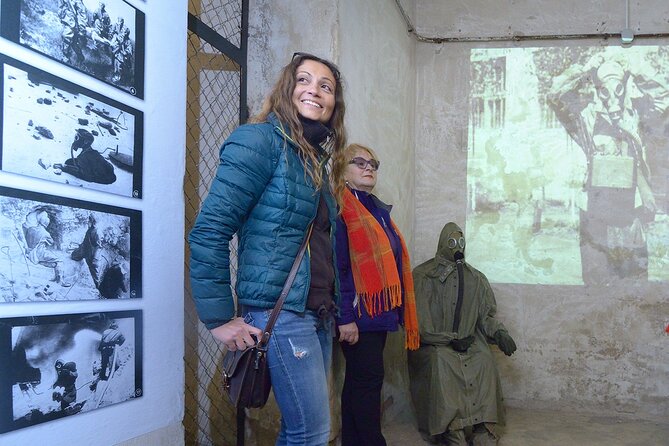
- Cold War shelter museum: Begin underground with original interiors, propaganda, household objects, and personal accounts from socialist Poland.
- A planned communist city: Walk along wide avenues, symmetrical housing blocks, monumental squares, and carefully ordered public spaces.
- Personal guide stories: Guides including Anna and Marta can add firsthand insight into student life, protest, and everyday Krakow during the communist era.
- Zapiekanka and vodka: Taste Poland’s open-faced toasted baguette, then stop for a shot in a communist-style restaurant.
- Arka Pana church: End at the Church of Our Lady Queen of Poland, built in defiance of communist authorities.
- Small-group format: The group is limited to 12 people, with tram transport included and a central Krakow finish.
Why Nowa Huta matters beyond Krakow’s Old Town
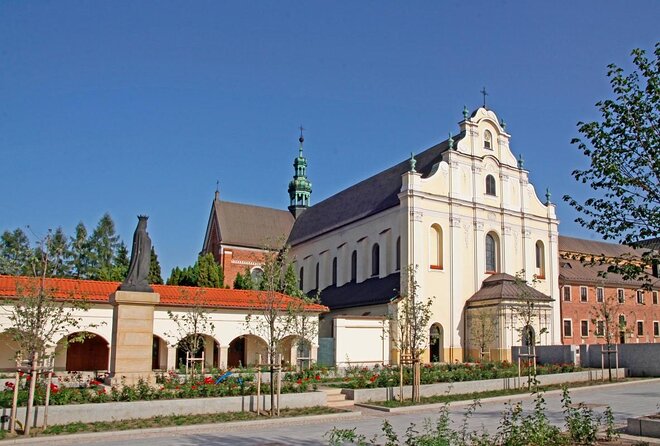
Most first-time visits to Krakow focus on medieval streets, churches, and the Main Market Square. Nowa Huta offers a useful change of pace. It is a postwar district built around the idea that architecture and city planning could help create a socialist society.
The district was planned with broad roads, ordered housing blocks, large squares, and public spaces designed for a new industrial community. The scale feels deliberate. This was not a medieval quarter that grew over centuries. It was a political and social project, built to support the huge steelworks and the workers who came with it.
That makes the tour valuable even if you know little about Poland between 1945 and 1989. You are not simply looking at old buildings. You are seeing how an ideology shaped housing, streets, culture, religion, and public life.
The tour also explains what happened after communism fell. Nowa Huta is not presented as a frozen museum district. People still live and work there, and its cultural institutions continue to serve the local community.
More Polish food and vodka tastings in Krakow:
- Krakow–Zakopane: Cable Car, Chocholow Baths, Cheese & Vodka
★ 5.0 · 10,720 reviews - Krakow: Zakopane Cable Car, Vodka, Cheese & Hot Springs Tour
★ 4.9 · 1,832 reviews - The Kraków Vodka Tour
★ 5.0 · 862 reviews
Starting underground in a former Cold War shelter
The first stop is Podziemna Nowa Huta, the Museum of Krakow’s Nowa Huta branch. It occupies a former Cold War shelter, which immediately gives the visit a physical sense of the period.
You will spend about 45 minutes below ground, looking at original interiors, propaganda displays, household objects, and personal stories from the socialist era. This is a strong opening because it begins with daily life rather than abstract political dates.
You might see how fear, scarcity, official messaging, and routine fit together. The household objects matter because they show what life looked like in practical terms. Propaganda displays reveal how the state wanted people to think about work, society, and the future.
The museum also explains why Nowa Huta was built. Without this introduction, the later walk can feel like a tour of large concrete buildings. With it, the avenues and housing blocks become part of a wider plan.
The shelter is not a grand museum with hours of exhibits. It is a focused stop, and the 45-minute visit should give you a foundation without taking over the day. If you have limited interest in Cold War history, you may find the museum more useful than entertaining. If you enjoy social history, it may be the most rewarding part of the tour.
Reading the city through its wide avenues and housing blocks
After the museum, the group walks through central Nowa Huta for about 30 minutes. The ground is level, but you should wear comfortable shoes because the full outing includes several walking sections.
Your guide points out the logic behind the district. Wide avenues, symmetrical housing blocks, monumental squares, and carefully planned public spaces were meant to express order and collective life. The urban form was political language in built form.
This is where the quality of the guide matters most. The architecture can look repetitive if you only see blocks and roads. A good explanation helps you notice scale, symmetry, visibility, and the way public spaces were meant to support the new society.
The walking section is fairly short, so do not book this tour expecting a long architectural survey. One past participant wanted more detail on socialist realism and the workers’ protests. That is a fair concern. The tour introduces these subjects, but it may not satisfy someone seeking a specialist study of design or labor history.
Still, the short route works well for a first visit. You get enough time to understand the plan of Nowa Huta without spending the entire afternoon on foot. The pace can be adjusted to your comfort, according to the tour information, and most people can take part.
The Nowa Huta Cultural Centre and the life of the district today
As you continue, you pass the Nowa Huta Cultural Centre. During the communist period, it helped promote official socialist values through art, theatre, and music.
That role is worth noting because culture was not separate from politics. Theatre, public events, music, and visual art could all support the state’s message. At the same time, cultural spaces also gave people places to meet, express themselves, and form their own sense of community.
Your guide explains how the centre functions today as a local cultural institution. This helps keep the tour from becoming a simple before-and-after story. Nowa Huta did not stop existing when communism ended. Its buildings and public spaces were adapted to new needs, while the district remained a home for local residents.
I would pay close attention here if you want to understand how a planned socialist district became an ordinary part of modern Krakow. The tour does not treat the area as a relic. It shows a living community shaped by a difficult past.
A few more Krakow half days to consider
- From Krakow: Auschwitz-Birkenau Guided Tour & Hotel Pickup
★ 4.5 · 33,358 reviews - From Krakow: Auschwitz-Birkenau Guided Tour & Hotel Pickup
★ 4.5 · 29,340 reviews - Krakow: Auschwitz Guided Tour with Optional Hotel Pickup
★ 4.5 · 15,280 reviews - Krakow: Auschwitz-Birkenau Guided Tour with Pickup & Lunch
★ 4.5 · 9,800 reviews
Zapiekanka, vodka, and the taste of ordinary life
The food stop lasts about 45 minutes and includes a local zapiekanka and a vodka tasting in a communist-style restaurant.
Zapiekanka is an open-faced toasted baguette, usually treated as a quick, inexpensive meal. In this setting, it is more than a snack. It gives you a direct link to everyday food culture under communism, when simple, filling dishes were part of ordinary urban life.
The vodka stop adds a social element. It takes place at a local venue away from the main tourist path, and the point is not fine dining or a formal tasting. You get a small glimpse of the kind of place where people could eat, drink, and talk.
This part of the tour may be a highlight if you enjoy connecting history with food. It also provides a break after the walking sections. A vegetarian option is available, and the operator says food allergies can usually be managed unless you have several combined allergies or follow a vegan diet. You should still explain your needs clearly when booking.
The limitation is that the included food and drink are modest. Additional food and drinks cost extra, and this is not a full meal. If you arrive hungry, plan accordingly.
Arka Pana, the church that challenged the state
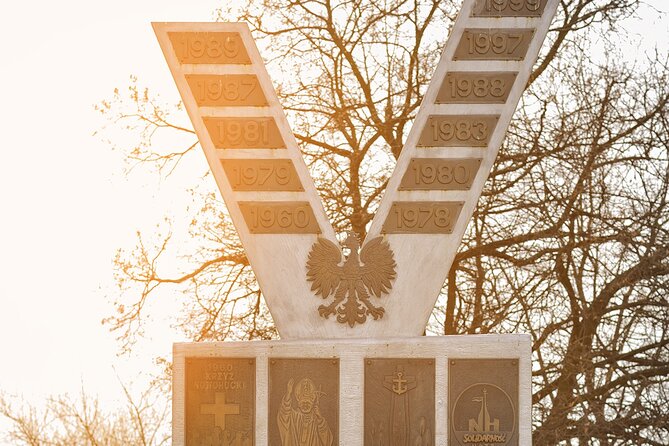
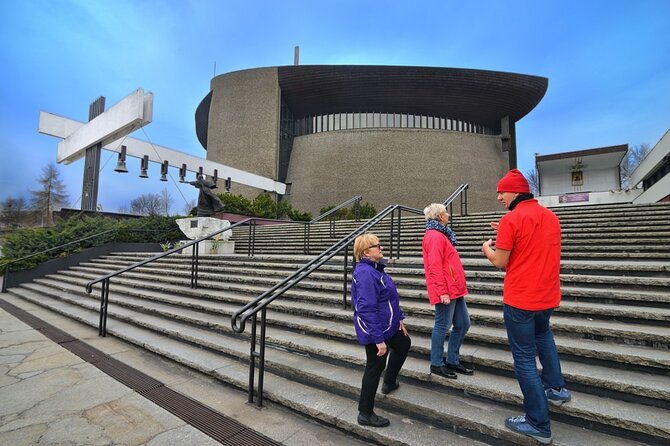
The final major stop is the Church of Our Lady Queen of Poland, widely known as Arka Pana, or The Ark of the Lord.
The church was built despite strong opposition from communist authorities. In a district designed to represent a secular socialist future, its construction became a powerful public expression of faith and local solidarity.
Your guide explains how religion shaped Nowa Huta’s story and why this church matters to the history of resistance. It is an important counterpoint to the planned avenues and state-sponsored cultural institutions. The city was designed around one set of values, but the people living there maintained their own beliefs and organized around them.
The stop lasts about 45 minutes. It brings together several themes from the day: state power, community action, religion, protest, and the limits of official control.
If your main interest is the Solidarity Movement and the workers’ protests, this is the point where you should ask questions. The tour offers context, but the amount of detail will depend on your guide and the conversation. This is one reason guides such as Anna can make a real difference. Her personal experience as a student and protester gave the subject an immediate human scale.
How much personal storytelling should you expect?
The strongest praise for this tour centers on its guides. Anna has been singled out for sharing stories about living in Krakow during the communist period and taking part in protests. Marta has also been praised for her pacing, historical explanations, and ability to show how the community functions today.
Guide assignments can vary, so you should not assume a particular person will lead your tour. But the format clearly favors conversation. You are not being led from plaque to plaque. You have time on the tram and at the stops to ask about school, work, protest, food, religion, and daily routines.
That personal style is a major strength if you want history connected to real life. It is also the source of the tour’s main weakness. Some guests may feel that personal stories take space away from formal discussion of architecture or protest movements.
I would book this experience if you want a human account of the communist era. If you want an academic treatment of socialist realism, industrial planning, or Solidarity, treat this as an introduction rather than a final word.
Tram transport, group size, and the value of the price
Transport by tram to Nowa Huta and back is included. That keeps the outing practical and gives the guide a chance to explain the relationship between the district and central Krakow as you travel.
The small-group option has a maximum of 12 people. That is a sensible size for a walking tour, particularly when the subject depends on questions and discussion. The meeting point is at Długa 1 in central Krakow, and the tour ends near the Main Market Square.
The advertised price is $114.14 per person for roughly four hours. The cost covers the English-speaking guide, tram transport, museum admission, vodka, and one zapiekanka. A private option includes hotel pickup from central Krakow, but hotel pickup is not included with the small-group option.
Is it good value? That depends on what you want. The price is high for a short city tour with one museum ticket and a snack. You are paying partly for the guide’s interpretation and personal insight, not just for admission and transport.
For someone curious about postwar Poland, that can be worthwhile. For someone mainly interested in sightseeing, the cost may feel steep. The tour is recommended by 94 percent of customers and has a 4.9 rating from 17 reviews, but the lower-rated experience offers a useful warning: strong guiding does not automatically mean the content will match every expectation.
Practical advice before you book
Plan on about four hours, including the museum, walking, food stop, church, and tram rides. Comfortable shoes are important, even though the walking route is described as level.
The museum is closed on Mondays, so check the date before you pay. Confirmation arrives at booking, and the meeting point is near public transport.
You can cancel for a full refund up to 24 hours before the start time. Changes or cancellations made inside that period are not accepted for a refund.
The tour is offered in English. Most people can participate, but the operator advises you to mention food allergies. Vegetarians are welcome, while vegan arrangements may be harder.
Tips are not compulsory, but they are customary in the local tourism trade and should be part of your budget if your guide provides good service.
Who will enjoy this Nowa Huta tour?
I would recommend it to you if you:
- Want to understand Krakow beyond the Old Town.
- Have an interest in Cold War Europe or the Eastern Bloc.
- Prefer personal stories alongside museums and monuments.
- Like pairing history with a local snack and drink.
- Want a manageable half-day outing with tram transport.
- Are curious about how religion and protest shaped communist Poland.
You may want another option if you want a long architectural tour, a detailed account of the Solidarity Movement, or a full museum day. The 30-minute city walk is an introduction, not a specialist study.
Should you book the Nowa Huta experience?
Book this tour if you want a clear, personal introduction to communist Krakow. The Cold War shelter, planned streets, zapiekanka, vodka, and Arka Pana church create a varied half-day program, and an excellent guide can turn those stops into a memorable account of life under the old system.
At $114.14, I would not call it a bargain. But the small group, included transport, museum entry, food, and guide-led conversation make the price easier to justify for visitors who value interpretation over simple sightseeing.
My advice is simple: book it for the human story, and keep your expectations realistic about architecture and protest history. If Anna or Marta leads your group, you may get the kind of personal connection that makes Nowa Huta come alive. If your priority is detailed socialist-realist design, use this as a starting point and plan extra reading or a more specialized visit.
FAQ
How long does the Nowa Huta tour last?
The tour lasts approximately four hours, including the museum visit, walking sections, food and drink stop, church visit, and tram transport.
What language is the tour offered in?
The tour is offered in English and includes a friendly local English-speaking guide.
What food and drink are included?
You receive one local zapiekanka, an open-faced toasted baguette, and a vodka tasting in a communist-style restaurant.
Is museum admission included?
Yes. Admission to the Museum of Krakow’s Nowa Huta branch is included. The museum is closed on Mondays.
Where does the tour start and finish?
The tour starts at Długa 1 in Krakow and ends near Krakow’s Main Market Square.
Is hotel pickup available?
Hotel pickup from central Krakow is available with the private tour option. It is not included with the small-group option.
What is the cancellation policy?
You can cancel up to 24 hours before the experience begins for a full refund. Cancellations or changes made less than 24 hours before the start time are not accepted for a refund.
Recently added in Krakow
- Auschwitz-Birkenau and Krakow Private Car Trip from Katowice★ 4.3 · 3 reviews
- Wawel Castle, Old Town with St. Mary’s Church Guided Tour★ 5.0 · 3 reviews
- Private tour to Zakopane and Thermal Baths from Krakow★ 5.0 · 3 reviews
- Wawel Castle, Cathedral, Rynek Underground Tour with Lunch★ 5.0 · 3 reviews
- From Krakow: Chocholow Thermal Hot Springs (hotel pick up)★ 5.0 · 3 reviews
- Legends of Cracow ROBOTIC SHOW★ 4.0 · 3 reviews
- From Krakow: Zakopane and Thermal Pools Guided Trip★ 5.0 · 3 reviews
- Guided Beer Tour in Krakow★ 4.5 · 3 reviews
Polish Food & Vodka Tastings, compared.
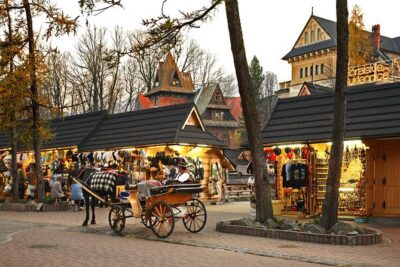
Zakopane: Cable Car, Chocholow Baths, Cheese & Vodka
Read our review →
Zakopane Cable Car, Vodka, Cheese & Hot Springs Tour
Read our review →

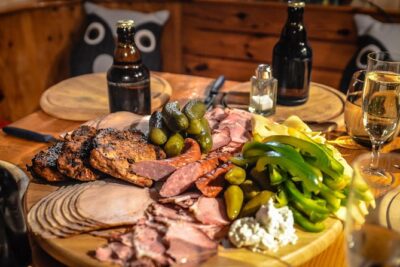
Half-Day Polish Food Walking Tour with Guide and Dinner
Read our review →
Pierogi Cooking Class with Market Shopping and Local Snacks
Read our review →
Krakow Pierogi Cooking Class with Market Visit & Home-Cooked Meal
Read our review →Where else this one turns up