
Reviewed · JEWISH QUARTER & KAZIMIERZ TOURS
Krakow Jewish Quarter and Ghetto Tour by Electric Golf Cart
Kazimierz is not simply Krakow’s old Jewish quarter. It is a former independent town, a center of Jewish life for centuries, and a place where prewar culture, Nazi persecution, and modern city life meet within a short ride. This 90-minute electric cart tour connects Kazimierz with the former ghetto in Podgórze, giving you a useful first look at both districts.
I like two things right away: the cart lets you cover a lot of ground without tiring your feet, and the combination of an English-speaking driver plus audio guide gives you more background than a quick ride-by tour. The main drawback is that this remains an overview. Some stops are brief, and you may spend more time looking at Christian churches than entering Jewish buildings.
Key points at a glance
- Two districts in one ride: Travel through Kazimierz and continue across the river to the former Krakow Ghetto in Podgórze.
- More than 20 monuments: See synagogues, churches, former ghetto sites, squares, and fragments of wartime structures.
- Szeroka Street is central: This historic street once had four synagogues, an unusual concentration in Europe.
- The most affecting stops are in Podgórze: See the ghetto wall, Ghetto Heroes Square, and the pharmacy linked to aid during deportations.
- Good for a short visit: The tour covers a wide area in about an hour and a half, making it useful when your time is tight.
- Know what you are booking: This is mainly a sightseeing and listening experience, not a long walking tour with extended museum visits.
Why an electric cart helps in Kazimierz
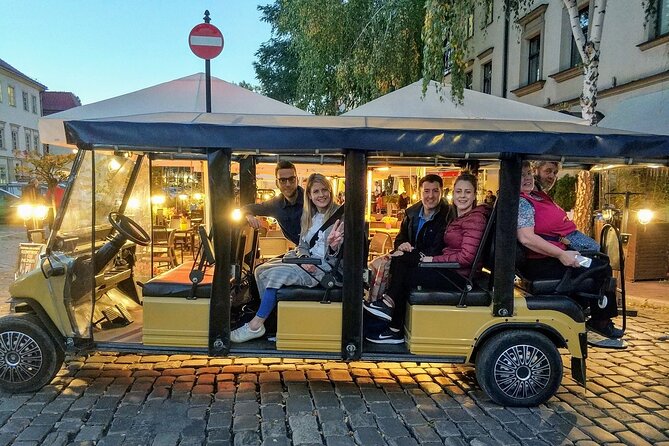
Kazimierz is compact on a map, but its important places are spread across streets, squares, and the river crossing into Podgórze. An electric cart gives you a seat while the driver handles the route. That matters on a hot afternoon, during a cold winter visit, or after a morning spent walking around Krakow’s Old Town.
The ride also gives you a quick sense of how the districts connect. You are not limited to one square or one row of monuments. Instead, you move from the former Jewish quarter toward the ghetto area, seeing how Krakow’s urban fabric changes along the way.
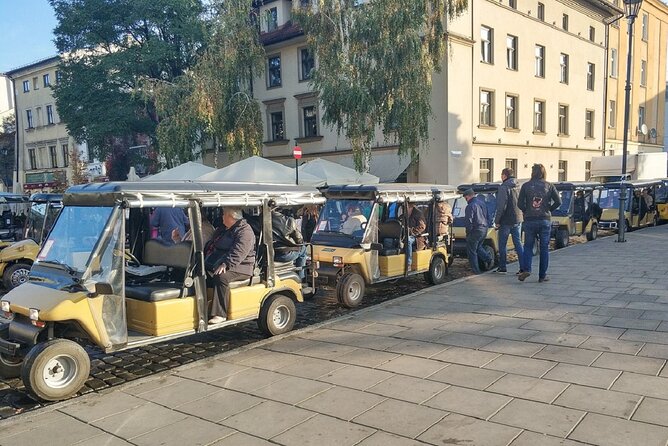
The group can be as large as 50 people, so do not expect a private outing. Seating can also affect the experience. One passenger described being placed in the back, with two seats facing backward, while another had difficulty getting clear help in rainy weather. Arrive early and confirm the vehicle and passenger list before settling in, especially if you have a stroller or need a particular seat.
Other Jewish Quarter and Kazimierz walks:
- Krakow: Jewish Quarter and Former Ghetto Tour
★ 4.9 · 1,441 reviews - Krakow: Bike Tour of Old Town, Jewish Quarter and the Ghetto
★ 4.9 · 1,155 reviews - Krakow: Kazimierz Jewish Quarter Walking Tour
★ 4.8 · 571 reviews
Kazimierz, a former town south of Wawel
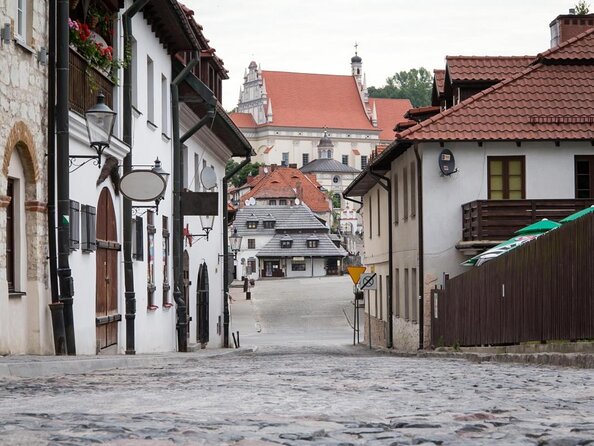
The tour introduces Kazimierz as a place that was once independent from Krakow. For centuries, it was the center of Jewish life in the city, with homes, places of worship, businesses, and community institutions close together.
That setting is important. You are not just viewing isolated old buildings. The streets and squares help explain how a community lived, worshipped, worked, and gathered. The modern district has restaurants, cafés, and renewed tourist life, but the tour keeps your attention on the people and institutions that shaped it.
The cart is especially useful here because the driver can point out more than you would likely notice on a first walk. You will hear about past and present residents while moving between landmarks. Still, the pace means you should note the places you want to revisit on foot later.
Szeroka Street and the center of Jewish Kazimierz
Szeroka Street is the symbolic heart of Jewish Kazimierz. Four synagogues once stood here, a remarkable concentration that shows how important the street was to Jewish life.
The street also hosts the final concert of Krakow’s Jewish Culture Festival, linking its older religious role with the city’s continuing interest in Jewish culture. Even if your visit does not coincide with the festival, the street offers one of the clearest introductions to the district.
One of the oldest synagogues in Poland is preserved here in good condition. The tour presents it as part of the wider story of Szeroka Street, rather than treating it as a detached monument. You should pay attention to the guide’s explanation of what the street meant to the community, not just the appearance of the buildings.
A limitation is that time at any one site can be short. Some guides let passengers get out for five to ten minutes to look inside a building or take photographs, but the exact pattern can vary. If you want a detailed synagogue visit, allow time to return independently.
From synagogues to churches and changing communities
The route includes several religious buildings, and some passengers are allowed to step inside. That can add welcome detail, especially when a guide explains how the buildings fit into Krakow’s development.
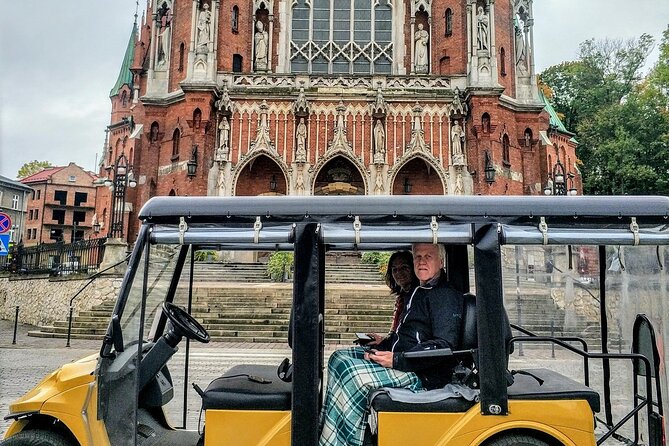
You should also know that the interiors available during the ride may be Christian churches rather than Jewish sites. St Joseph’s Parish Church, for example, is a major landmark in Podgórze and dominates the former Podgórze Market Square.
The church helps explain that this part of town was once a separate settlement and only became part of Krakow in the 20th century. Its setting on the square makes it easy to recognize from the cart.
I see this as useful context, but it can feel slightly off-balance if you booked mainly for Jewish heritage. The tour passes synagogues and Jewish sites, yet the short stops may give you more time inside churches than inside Jewish buildings. That is one reason I would treat this ride as an orientation, then choose a synagogue or museum for a longer follow-up visit.
More golf cart and segway routes in Krakow:
- Krakow: City Sightseeing Tour by Electric Golf Cart
★ 4.5 · 3,264 reviews - Krakow: City Sightseeing Tour Eco Electric Buggy Golf Cart
★ 4.7 · 3,143 reviews - Krakow: Extended City Sightseeing Tour – Eco Buggy Golf Cart
★ 4.7 · 794 reviews - Krakow: Old Town Guided Segway Tour
★ 4.7 · 756 reviews
Crossing into Podgórze and the former ghetto
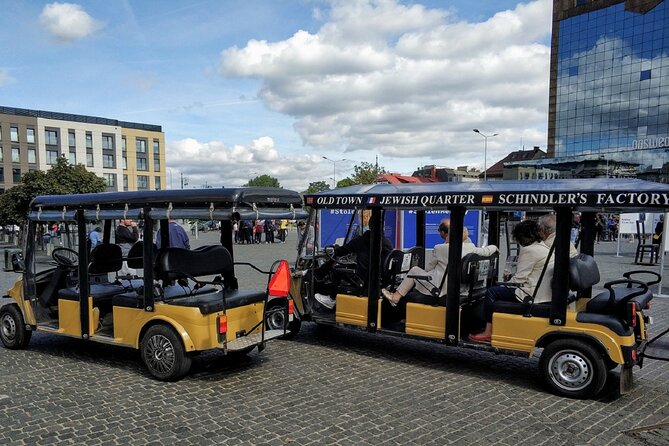
The tone changes when the tour reaches Podgórze. In 1941, the Nazis turned this district into the Krakow Ghetto, forcing Jewish residents into a confined area before deportations and murder.
The tour shows a surviving fragment of the original ghetto wall. A plaque records the fate of the people who were held there. The wall fragment is modest in size, but its purpose is clear: it gives you a physical reminder of the boundary that controlled daily life.
This is one of the points where the electric cart has real value. You can connect several locations without spending much of your limited visit working out the route. The audio material and the driver’s explanation also help connect the wall to the larger story.
Expect difficult subject matter. The ghetto section is not presented as light sightseeing, and it should not be. Several passengers describe this part as emotional and touching. You may find the short format helpful for getting an initial understanding, but you may also wish for more time at each place.
Ghetto Heroes Square and the deportation point
The former Plac Zgody, now Ghetto Heroes Square, is one of the most powerful places on the route. During the Nazi occupation, it was used as an Umschlagplatz, where Jewish people were forced to gather before deportation.
The square makes the machinery of persecution easier to understand because it was also part of ordinary city life. People had to pass through a familiar public space under extraordinary pressure. The contrast between an everyday square and its wartime use is central to the stop.
The tour’s value here comes from the explanation of what happened at the site, not from elaborate displays. You should listen carefully and allow the place to register. If the cart stops long enough, use the pause to take in the square rather than treating it as a quick photo stop.
Because the tour lasts only around 90 minutes, you should not expect a long memorial visit. The ride gives you the essential setting and meaning, then moves on.
The pharmacy that offered help inside the ghetto
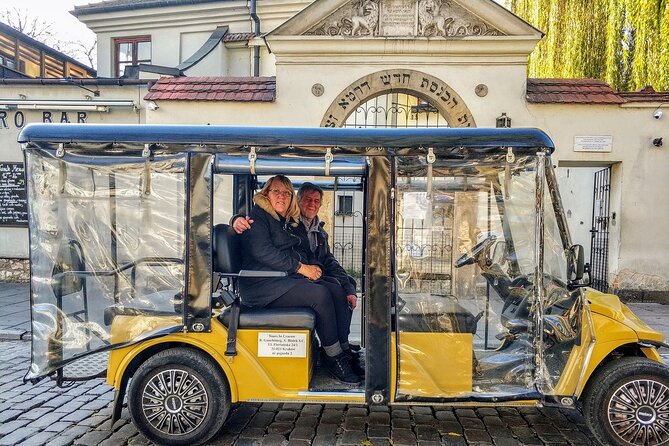
One of the most distinctive stops is the former Polish pharmacy that operated inside the ghetto. It provided shelter during deportations and helped carry messages and packages into and out of the enclosed area.
This detail brings the story down to individual acts of help. A pharmacy might seem like an ordinary business, but in this setting it became a place of refuge and communication. The stop offers a small point of human kindness within an otherwise grim section of the tour.
It is also the kind of place you could easily pass without understanding its role. That is where the driver and audio guide add genuine value. You receive the context while sitting in the cart, rather than trying to reconstruct the story later from a plaque.
How the guides shape the experience
The driver is not only there to steer. The best part of the experience depends on how clearly the driver explains the sites and adds local context beyond the recorded audio.
Named guides praised for their presentation include Matt, Natalie or Natalia, Martina, Olivia, Michael, and Phillips. You cannot assume which person will lead your departure, but the strongest guide reports point to a common pattern: friendly delivery, clear timing, respect when discussing wartime events, and a willingness to stop so passengers can look inside buildings or take photographs.
The audio guide gives the tour a steady structure. Headsets also make it possible to hear information in a moving vehicle, but they reduce conversation among people in your party. One passenger preferred a loudspeaker format because the headset made it harder to interact.
If you like asking questions throughout a tour, check how much live commentary your guide provides. Some guides add plenty of explanation, while the audio recording may carry more of the formal narrative. The experience is best for you if you are happy to listen and observe rather than expect a constant dialogue.
Is $34.75 good value for 90 minutes?
At $34.75 per person, the tour is not the cheapest way to see Kazimierz. You can walk much of the district yourself, and Krakow offers other cart rides. The price makes more sense when you value a set route, transport between Kazimierz and Podgórze, an English-speaking guide, and an audio guide in one booking.
I think the strongest value is time. If you have only a day or two in Krakow, the cart helps you cover places that might otherwise take longer to connect. Several people used the ride to mark sites they wanted to revisit on foot, which is a smart way to use it.
The value is weaker if you want extended access to interiors or a slow look at Jewish religious buildings. A walking tour lets you pause when you wish and choose the sites that matter most to you. It may also feel more personal because you can ask questions as you go.
The tour is booked, on average, 17 days ahead, though a same-day or next-day booking may sometimes be available. One passenger found it useful at short notice, but availability is not guaranteed. If the schedule matters, reserve ahead rather than relying on a last-minute opening.
Meeting point, timing, and practical details
The departure point is Mikołaja Zyblikiewicza 2, and the tour ends at Mikołaja Kopernika 3. Hotel pickup and drop-off are not included, so you need to make your own way to the start and arrange your onward plans from the ending point.
The tour lasts about one hour and 30 minutes. It is offered in English, includes transport by electric golf cart and an audio guide, and is near public transportation. Confirmation arrives when you book.
Most people can take part, but the vehicle format deserves some thought if you are traveling with a stroller or have mobility concerns. The information provided does not promise a particular accessibility setup or reserved seating. In bad weather, the cart can also become less comfortable, and one poor experience involved rain, a stroller, and confusion at the parking area.
Free cancellation is available if you cancel at least 24 hours before the local start time. Inside that window, you do not receive a refund, and changes are not accepted.
Who should choose this Krakow cart tour?
I would choose this ride if you want a fast, structured introduction to two connected but very different areas. It suits first-time visitors, people with limited time, and anyone who would rather sit than walk in heat, cold, or after a full day of sightseeing.
It also works well before a longer visit to Kazimierz or the ghetto sites. Use the ride to learn the layout, hear the main stories, and make a note of the places where you want to return.
I would be more cautious if your main goal is a detailed Jewish heritage tour with long synagogue visits. The short stops and occasional focus on Christian interiors may leave you wanting more. In that case, use this as a starting point, not your only experience of Kazimierz.
Should you book it?
Book this tour if you want broad coverage in a short time, comfortable transport, and a serious introduction to Kazimierz and the former Krakow Ghetto. The best guides make the ride both clear and respectful, and the route includes several places that are easy to miss on your own.
Skip it in favor of walking if you prefer to set your own pace, spend longer inside Jewish buildings, or stop often for photographs and questions. For most short visits, though, $34.75 is a fair price for a guided overview of a complex part of Krakow, especially if you use it to plan what you will explore next.
FAQ
How long does the Krakow Jewish Quarter and Ghetto Tour last?
The tour lasts approximately one hour and 30 minutes.
What type of transport is used?
You travel by electric golf cart during the tour.
Is the tour offered in English?
Yes. The experience includes an English-speaking driver and an audio guide.
Which areas of Krakow does the tour visit?
The route covers Kazimierz, the historic Jewish quarter, and Podgórze, including sites connected with the former Krakow Ghetto.
What are the main sights on the route?
The tour includes Szeroka Street, historic synagogues, St Joseph’s Parish Church, the former ghetto wall, Ghetto Heroes Square, and the pharmacy associated with help during deportations.
Is hotel pickup included?
No. Hotel pickup and drop-off are not included.
Where does the tour begin and end?
It begins at Mikołaja Zyblikiewicza 2, Krakow, and ends at Mikołaja Kopernika 3, Krakow.
How many people can join the tour?
The maximum group size is 50 people.
Can I cancel for a full refund?
Yes, if you cancel at least 24 hours before the experience starts. Cancellations or changes made less than 24 hours before the start time are not refunded.
Recently added in Krakow
- Auschwitz-Birkenau and Krakow Private Car Trip from Katowice★ 4.3 · 3 reviews
- Wawel Castle, Old Town with St. Mary’s Church Guided Tour★ 5.0 · 3 reviews
- Private tour to Zakopane and Thermal Baths from Krakow★ 5.0 · 3 reviews
- Wawel Castle, Cathedral, Rynek Underground Tour with Lunch★ 5.0 · 3 reviews
- From Krakow: Chocholow Thermal Hot Springs (hotel pick up)★ 5.0 · 3 reviews
- Legends of Cracow ROBOTIC SHOW★ 4.0 · 3 reviews
- From Krakow: Zakopane and Thermal Pools Guided Trip★ 5.0 · 3 reviews
- Guided Beer Tour in Krakow★ 4.5 · 3 reviews
Jewish Quarter & Kazimierz Tours, compared.

Bike Tour of Old Town, Jewish Quarter and the Ghetto
Read our review →
Kazimierz, Schindler’s Factory & Ghetto Guided Tour
Read our review →
Bike Tour of the Old Town, Kazimierz, and the Ghetto
Read our review →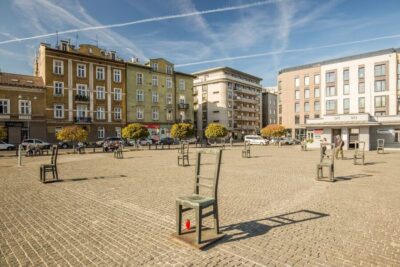

Jewish Quarter and Ghetto Electric Golf Cart Tour
Read our review →
Where else this one turns up