
Reviewed · AUSCHWITZ-BIRKENAU MEMORIAL TOURS
Day Trip: Auschwitz-Birkenau and Wieliczka Salt Mine from Krakow
Auschwitz-Birkenau and Wieliczka Salt Mine make an unusual pair: one is a place of grief and remembrance, the other a remarkable underground world shaped by salt. This 10 to 12-hour day trip lets you see both without arranging trains, tickets, and transfers on your own.
I like the reliable communication and the fact that your tickets and meeting times are handled for you. I also like the two dedicated English-speaking guides, especially at Auschwitz, where clear explanation and a respectful tone matter greatly. The main drawback is simple: this is a long, tightly managed day, and some people will want more time to pause at Auschwitz or take the salt mine at a slower pace.
Key points to know before booking
- Three major sites in one day: Visit Auschwitz I, Auschwitz II-Birkenau, and Wieliczka Salt Mine from one Krakow pickup.
- Early hotel collection: Pickup usually takes place between 5:30 and 7:30, with the exact time confirmed by text and email the day before.
- Auschwitz is a guided, solemn visit: Allow about three hours across both camps, with roughly two hours at Auschwitz I and one hour at Birkenau.
- Wieliczka means stairs and walking: The route reaches 140 meters underground and includes around 800 steps, including 378 stairs at the start.
- Lunch can save time: The packed option includes chicken pasta salad, a sandwich, sweet bar, fruit, and water, with vegetarian, vegan, gluten-free, and dairy-free choices available by request.
- Good value for a short Krakow stay: At $151.16 per person, the price covers transport, admission, guides, and lunch if selected, but not a relaxed pace.
Why this pairing works, and why it feels demanding
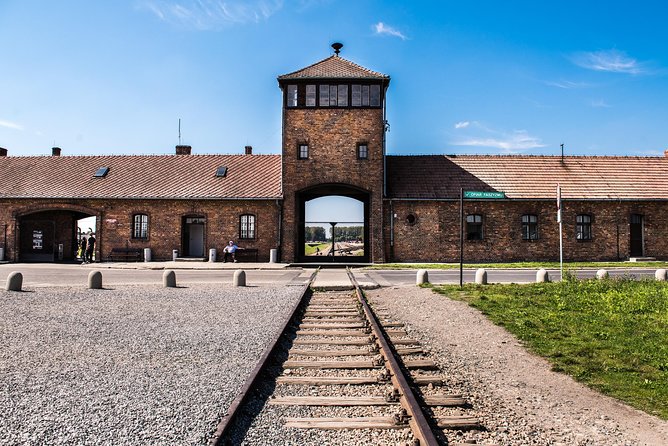
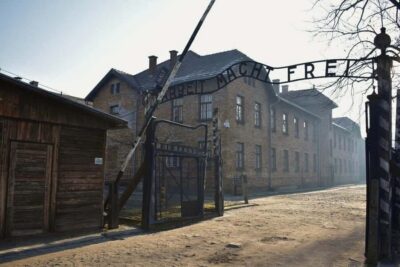
Auschwitz-Birkenau is the reason most people consider this excursion. The former Nazi concentration and extermination camps are not simply historical sights to check off. The visit asks for attention, quiet, and emotional stamina. A museum guide leads you through the grounds and exhibitions, explaining what happened with survivor accounts and historical detail.
Wieliczka Salt Mine provides a sharp change of mood. You move from the open, stark grounds of Birkenau to a dim underground route filled with salt carvings, statues, chambers, and a large chapel. The contrast can help you process the morning, but the change does not make the day easy. You are still walking, standing, and keeping to a fixed schedule.
The tour is best for you if your Krakow visit is short and you want to cover both famous sites in one outing. If you have several extra days, I would strongly consider visiting them separately. You will have more room to reflect at Auschwitz and less pressure at the mine.
Other guided visits to the Auschwitz-Birkenau Memorial:
- From Krakow: Auschwitz-Birkenau Guided Tour & Hotel Pickup
★ 4.5 · 33,358 reviews - From Krakow: Auschwitz-Birkenau Guided Tour & Hotel Pickup
★ 4.5 · 29,340 reviews - Krakow: Auschwitz Guided Tour with Optional Hotel Pickup
★ 4.5 · 15,280 reviews
The early Krakow pickup and ride out
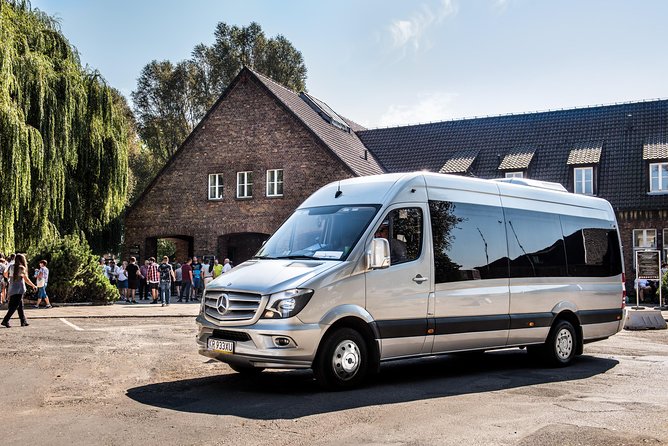
The day begins early, often before 7:00 am. Pickup is offered from accommodation within Krakow city limits, including Airbnb properties, though the precise collection time depends on your address and the operator’s route. The confirmed time arrives by text and email the day before, which is useful because the posted start time does not tell the whole story.
If you stay in the Old Town or Jewish Quarter, collection may be directly outside your accommodation. The return may use a nearby city-center drop-off point instead of your hotel. Accommodation outside the city limits can be served for an extra charge, and airport pickup is listed as costing 33 euros.
The vehicle is described as comfortable, with a maximum group size of 30 for the tour. Another piece of the booking information gives a maximum activity size of 90, so I would ask for clarification if group size is important to you. At busy times, the size of your museum group may feel larger than the vehicle ride itself.
During the drive, a documentary about the Nazi concentration camps may be shown, subject to availability. It is a useful way to prepare, but it also means the emotional tone begins before you reach the museum.
Auschwitz I: a guided visit through the museum
The first visit is Auschwitz I, where you join an English-language museum guide for about two hours. This is the more developed former camp, with brick barracks and indoor displays. The guide provides the setting and facts needed to understand the camp system, rather than leaving you to move through the grounds without context.
The quality of this part depends heavily on the individual guide. One guide named Michael received especially warm praise for his clear explanations, calm tone, and use of survivor testimony. Other visitors described the guides as respectful and informative. That matters here. A good guide does not turn the site into a performance. The best approach is measured, factual, and quiet.
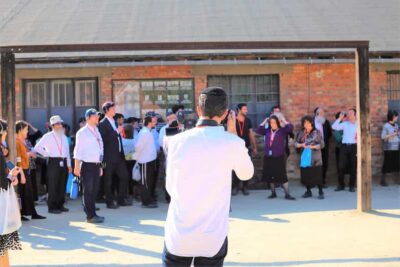
You will likely use a headset so you can hear the guide while moving with the group. This works well in crowded areas, but the group pace can limit your freedom. You may have little time to stop and read every information panel or simply stand still for a few minutes.
That is the central compromise of this tour. Museum admission and a specialist guide are included, but the schedule is built around the next transfer. If you need time for personal reflection, tell yourself in advance that you may not see every display in detail. The purpose is to understand the site with a guide, not to explore every corner at your own speed.
The grounds can also be cold, especially during the early part of the year. Wear warm layers even if Krakow feels comfortable when you leave.
Birkenau: larger, barer, and harder to take in
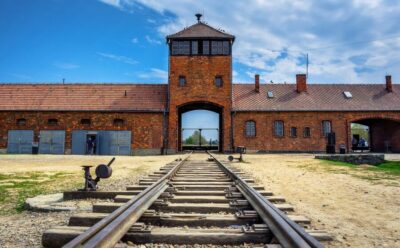
After Auschwitz I, the vehicle transfers you about 2 kilometers to Auschwitz II-Birkenau. You spend about one hour there with the same guide. The scale changes immediately. Birkenau is more open and expansive, with long distances, broad views across the former camp, and fewer indoor spaces to escape the weather.
This portion is often the most visually powerful because the size of the site makes the industrial scale of the camp system easier to grasp. Your guide connects the visible remains with the history of the people imprisoned and murdered there. The visit is factual, but it is also deeply upsetting. You should not expect a light sightseeing stop.
The one-hour schedule is enough for an organized overview, but it is not generous. You will walk with the group, listen through the headset, and keep an eye on the meeting time. Facilities and food stalls are available around the site area, including hot dogs, pizza, snacks, and coffee, though stopping for a full meal may be difficult.
This is where the included lunchbox can help. The listed meal contains chicken pasta salad, a sandwich, a sweet bar, fruit, and water. Vegetarian, vegan, gluten-free, and dairy-free versions are available if you add the request to your booking. If you do not choose lunch, carry enough food and water for a long day, while remembering that large bags are not allowed on the museum grounds.
More Wieliczka salt mine visits:
- From Krakow: Wieliczka Salt Mine Tour
★ 4.6 · 9,393 reviews - Krakow: Auschwitz-Birkenau and Salt Mine Guided Tour
★ 4.7 · 9,020 reviews - Krakow: Wieliczka Salt Mine Guided Tour with Transport
★ 4.4 · 7,429 reviews - Krakow: Wieliczka Salt Mine Fast-Track Ticket & Guided Tour
★ 4.5 · 5,872 reviews
Lunch and the transfer to Wieliczka
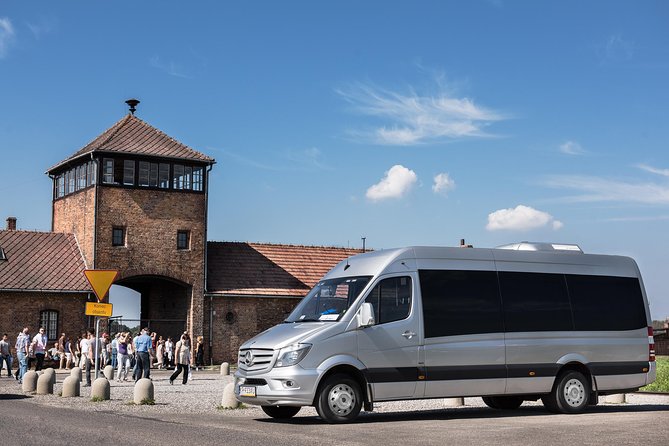
After Birkenau, you have time to eat before setting off for Wieliczka. The break is practical rather than leisurely. The schedule has to match the salt mine entry time, which is listed as 4:00 or 5:00 pm depending on road conditions.
This gap between the two sites is important. It gives you a chance to eat and shift your attention before the second visit, but delays on the road can affect how much breathing room you get. One reported day lasted about 11 hours and returned to Krakow around 4:30 or 5:00 pm, while the advertised duration is 10 to 12 hours.
Your driver is a key part of keeping this transition smooth. Drivers named Dominic and Kristian received praise for being punctual, friendly, and clear about meeting times. The driver also coordinates your handoff to the guide at each attraction. Still, listen carefully to the instructions before leaving the bus, especially at the salt mine, where the exit route and parking area are not necessarily right beside each other.
Wieliczka Salt Mine: statues, chambers, and 800 steps
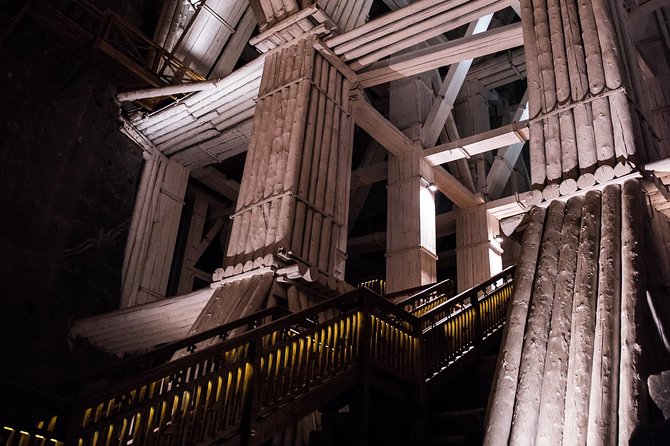
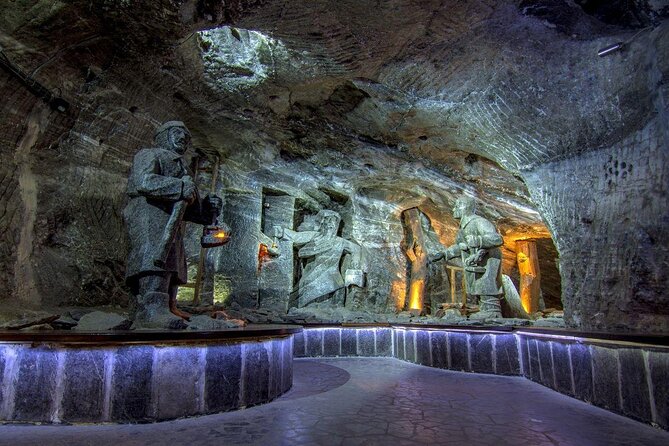
The Wieliczka route takes about 2.5 hours and reaches 140 meters underground. The mine has produced salt for more than 700 years, and the tourist route covers over 2.5 kilometers through chambers decorated with salt carvings and statues.
The first major physical test comes at the beginning. You descend a wooden stairway with 378 steps to reach the first level, 64 meters below ground. There are around 800 steps across the full route. You do not climb all of them to return to the surface, because a lift brings you back up, but this is still not a suitable outing if you struggle with long walks or repeated stairs.
The mine temperature is about 14 degrees Celsius, or 57 degrees Fahrenheit. Bring a warm layer and wear shoes with good support. The underground setting is comfortable compared with a cold day at Birkenau, but the hard floors and distance add up after several hours on your feet.
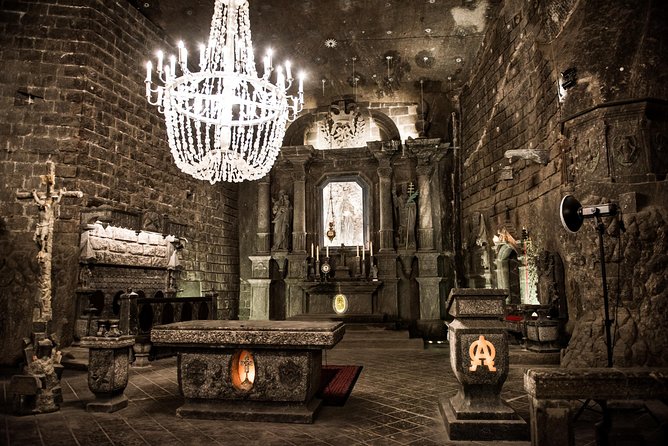
The guide explains the mine’s workings and points out the salt artwork. The underground church is a major visual highlight, with large carved features that show what miners created by hand. The tone here is lighter than at Auschwitz, and guides may use humor. That change can be welcome, though the mine will not appeal equally to everyone.
Some people find the route fascinating from beginning to end. Others find the tourist displays less compelling than the historic mine itself. You are following a set path with a guide, so there is little chance to wander off or linger alone. In a large group, it can also be hard to hear every explanation if you fall behind.
The group pace and guide quality
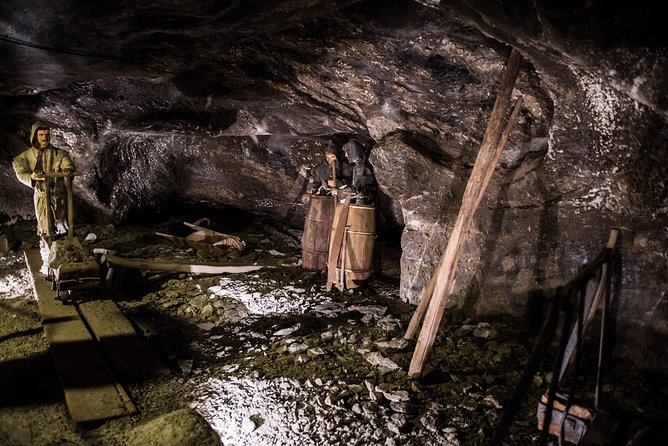
The tour’s strongest feature is its organization. You receive pickup details in advance, the driver handles the route, tickets are arranged, and guides meet you at both sites. This removes a lot of the stress involved in coordinating two popular attractions on the same day.
The tradeoff is that organization leaves less flexibility. You cannot choose to spend another 20 minutes at Birkenau or skip a chamber at Wieliczka. Toilet breaks may feel brief, and a 10-minute stop can be tight when queues form. Keep your essentials close and use facilities when they are available.
English ability can vary by guide. Most of the feedback describes clear, well-paced explanations, but one poor experience involved difficult-to-understand English and long periods of waiting. If you have hearing difficulties, stay close to the guide and check that your headset is working before the group moves on.
Separate bookings for people in the same party may not be placed in the same group. Add the lead passenger’s name to each booking if you want the operator to try to keep you together, but this is not guaranteed.
What to bring and what not to bring
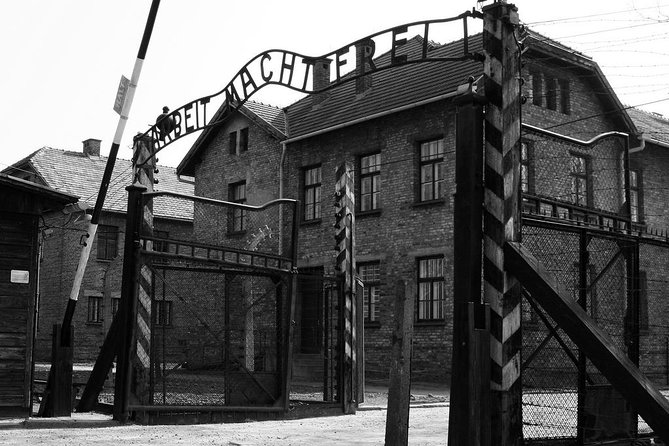
The museum allows only small bags or backpacks, no larger than 30 by 20 by 10 centimeters. You can leave larger belongings on the bus, which remains nearby, but keep passports, medication, valuables, and anything you cannot replace with you according to the operator’s instructions.
Pack:
- Warm layers for Auschwitz and the salt mine
- Comfortable shoes with reliable grip
- Water and any food you did not order
- A small bag within the museum size limit
- Your official identification, matching the name used during booking
Auschwitz tickets are personalized. Your full name must match your official ID, and incorrect details can result in denied entry. Changes may incur an extra fee, so check every name before completing the reservation.
Photography requires judgment. The Auschwitz visit is a memorial experience, not a place for casual social media filming. The mine is more suitable for photographs, but you still need to keep pace with the group and follow site rules.
Is $151.16 good value?
The price is fair if you place a high value on convenience. For $151.16 per person, you get city pickup, transport, admission to both locations, English-speaking guides, and a lunchbox if that option is selected. You also avoid the work of finding separate transport to two sites in different directions from Krakow.
The value is lower if you dislike fixed schedules or prefer independent visits. The day is priced around access and coordination, not personal freedom. You may spend part of the day waiting for group movements, queuing, or staying with the guide when you would rather read and reflect alone.
For a two or three-day Krakow visit, I think the cost is easier to justify. You can see both major sights in one day and reserve your remaining time for Krakow itself. If you have a week in the city, separate visits may give you a better experience even if they require more planning.
Free cancellation is available up to 24 hours before the start time. Changes or cancellations inside that window are not accepted for a refund. The outing can also be canceled for poor weather or if the minimum number is not met, in which case you are offered another date or a refund.
Who should book this day trip?
Book it if you want a practical, guided introduction to two of the area’s most important sites and you have limited time. It suits people who appreciate having transport, tickets, lunch, and meeting points organized in advance.
It also suits you if you can walk long distances and handle a packed schedule. The day includes hours on your feet, cold outdoor conditions at Auschwitz, and hundreds of stairs underground.
Think twice if you need a slow pace, have limited mobility, or want substantial private time at the memorial. The salt mine is not universally appealing, either. Its carved chambers and underground chapel are impressive, but the tourist route may feel less meaningful if industrial history is not your interest.
Final call: convenient, worthwhile, and undeniably long
I would book this tour for a short Krakow stay, provided I understood the limits. The guides, door-to-door transport, advance messages, included admissions, and useful lunch option solve the hardest parts of the day.
I would not book it expecting a relaxed excursion. Auschwitz deserves time and quiet, while Wieliczka involves a long route and many stairs. You are buying an efficient introduction to both, not the most personal or flexible way to see them. For many people, that tradeoff is worth the $151.16. For others, two separate days will be money better spent.
FAQ
How long does the Auschwitz and Wieliczka tour take?
The full experience takes approximately 10 to 12 hours. Pickup times are generally between 5:30 and 7:30 am, and return to Krakow may be around late afternoon or early evening.
Where can I be picked up in Krakow?
Free pickup is available from accommodation within Krakow city limits, including hotels and Airbnb properties. If your address is not listed, add it to the booking or choose one of the provided pickup points.
How much time do I spend at Auschwitz-Birkenau?
You spend about two hours at Auschwitz I and about one hour at Auschwitz II-Birkenau. Both visits are led by an English-speaking museum guide.
Is lunch included?
A lunchbox is included only with the lunch option you book. It may contain chicken pasta salad, a sandwich, sweet bar, fruit, and water. Vegetarian, vegan, gluten-free, and dairy-free options can be requested in the booking.
How many stairs are at Wieliczka Salt Mine?
You descend 378 wooden stairs to reach the first level, 64 meters underground. There are around 800 steps across the full tourist route, and a lift returns you to the surface afterward.
What name and identification do I need for Auschwitz?
Auschwitz admission tickets are personalized. Enter each participant’s full name exactly as it appears on official identification, and bring the matching ID to avoid problems at entry.
More day trips in Krakow
- Krakow: Auschwitz-Birkenau Day Trip with Tour Leader
★ 4.3 · 5,452 reviews - Krakow: Zakopane, Funicular, Cheese, and Highland Day Trip
★ 4.7 · 1,489 reviews - Krakow to Zakopane: Funicular, Tasting and Thermal Baths Day Trip
★ 5.0 · 1,189 reviews - From Krakow: Auschwitz and Wieliczka Salt Mine Full-Day Trip
★ 4.7 · 1,071 reviews
Recently added in Krakow
- Auschwitz-Birkenau and Krakow Private Car Trip from Katowice★ 4.3 · 3 reviews
- Wawel Castle, Old Town with St. Mary’s Church Guided Tour★ 5.0 · 3 reviews
- Wawel Castle, Cathedral, Rynek Underground Tour with Lunch★ 5.0 · 3 reviews
- From Krakow: Chocholow Thermal Hot Springs (hotel pick up)★ 5.0 · 3 reviews
- Private tour to Zakopane and Thermal Baths from Krakow★ 5.0 · 3 reviews
- Legends of Cracow ROBOTIC SHOW★ 4.0 · 3 reviews
- From Krakow: Zakopane and Thermal Pools Guided Trip★ 5.0 · 3 reviews
- Guided Beer Tour in Krakow★ 4.5 · 3 reviews
Auschwitz-Birkenau Memorial Tours, compared.
Auschwitz-Birkenau Guided Tour & Hotel Pickup
Read our review →Auschwitz Guided Tour with Optional Hotel Pickup
Read our review →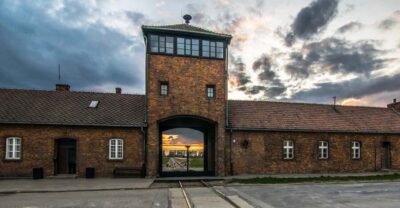
Auschwitz-Birkenau Guided Tour with Pickup & Lunch
Read our review →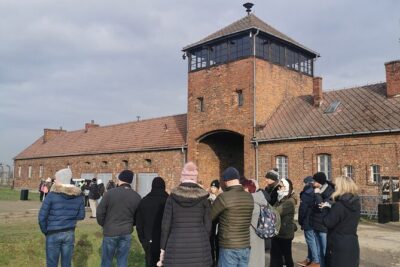
Krakow to Auschwitz Birkenau Guided Tour with Transfer and Ticket
Read our review →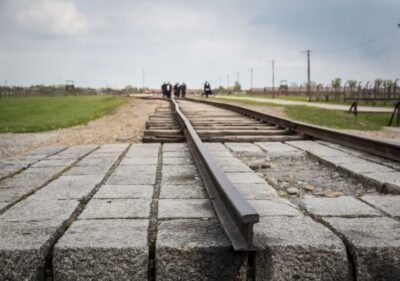
Auschwitz Birkenau Small Group Tour with Pickup
Read our review →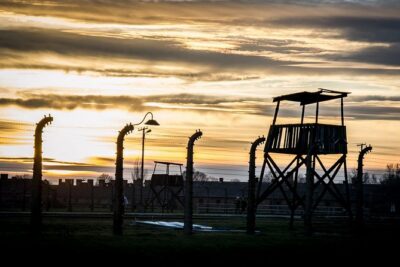
Auschwitz Birkenau Guided Tour with Ticket Hotel Pickup Small Van
Read our review →Where else this one turns up