
Reviewed · AUSCHWITZ-BIRKENAU MEMORIAL TOURS
Krakow to Auschwitz Birkenau Guided Tour with Transfer and Ticket
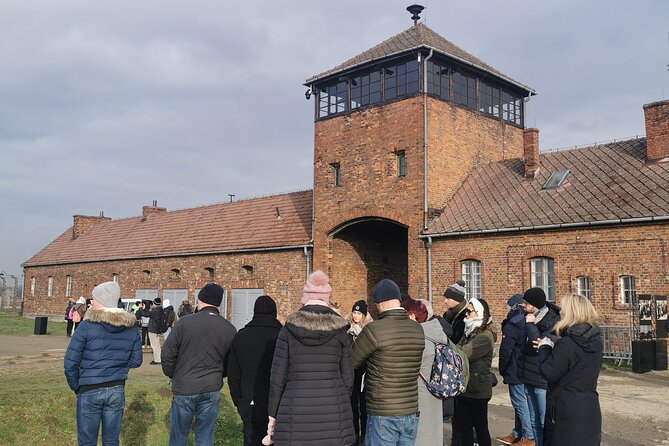
Auschwitz-Birkenau is not a sightseeing stop in the usual sense. It is a place of evidence, silence, and careful remembrance, and this guided day trip from Krakow gives you the structure needed to take it in. You visit Auschwitz I and the much larger Birkenau camp with licensed museum guides, then return to Krakow by minibus.
I like two things here: hotel-area pickup and drop-off remove the fuss of reaching a remote site, and entry tickets are arranged in advance. I also like that the same guide may lead you through both camps, giving the day a steady thread. The main drawback is timing. Pickup hours can change, the day can begin very early, and you should not plan another timed attraction afterward.
Key points at a glance
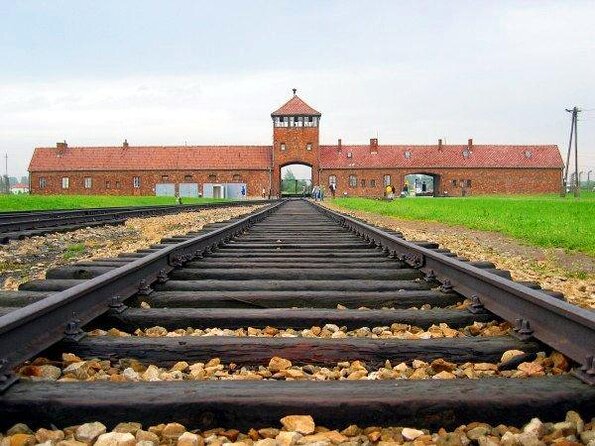
- Two camps in one day: See Auschwitz I’s barracks and museum displays, then Birkenau’s railway ramp, ruins, barracks, and memorial.
- Licensed museum guiding: Both sites are visited with a guide trained and authorized by the Auschwitz-Birkenau Museum.
- Krakow pickup included: Pickup is arranged from hotels, apartments, or hostels within the defined area, with a nearby meeting point used in restricted streets.
- About seven hours total: The drive takes roughly 90 minutes each way, with about three hours of guided walking across the two camps.
- Small enough to manage: Groups are usually 16 to 30 people, with a maximum of 30.
- Bring food and good shoes: Lunch is not included, food choices on site are limited, and much of the visit is outdoors.
Why the Auschwitz-Birkenau visit matters
Auschwitz-Birkenau is one of Poland’s UNESCO World Heritage Sites and one of the most important memorial sites connected with the Holocaust and World War II. The visit is difficult, but its value lies in seeing the physical remains rather than treating the subject as a page in a textbook.
At Auschwitz I, the original camp buildings now hold exhibitions with photographs, documents, and personal belongings taken from prisoners. At Birkenau, the scale is different. The railway tracks, open grounds, ruined gas chambers, and rows of prisoner barracks show how the camp functioned as a vast killing center.
You should expect an emotional day. The guides named in visitor feedback include Ava, Joanna, Brigit, and Ana, though your assigned guide will depend on the museum schedule and language arrangements. The guiding team is trained by the museum, and the route is controlled by museum rules rather than by the tour company.
That point matters. This is not a private guide wandering wherever you wish. The museum sets the route, controls entry numbers, and may change the order or timing to handle the large daily crowds.
More Private Drivers in Krakow
- Krakow to Auschwitz Birkenau Guided Tour with Transfer and Ticket
★ 5.0 · 8,197 reviews - From Krakow: Auschwitz Birkenau Tour with Transfer
★ 4.0 · 6,134 reviews - Krakow: Auschwitz-Birkenau Guided Tour with Ticket and Transfer
★ 4.5 · 3,784 reviews
From Krakow pickup to the road south
Pickup is offered from hotels, apartments, and hostels in a defined part of Krakow. If you stay inside a pedestrian zone or on a street closed to larger vehicles, the minibus cannot necessarily stop at your door. You will instead receive directions to the nearest practical pickup point.
The company normally sends the driver’s details, phone number, and vehicle color before departure. Communication is handled through WhatsApp, Viber, Signal, or Telegram, with email used if needed. I would watch your messages closely in the days before the trip, and check your spam folder if the confirmation email does not appear.
The drive from Krakow to Auschwitz takes about an hour and a half. Transport is by air-conditioned minibus or minivan, and the vehicle size keeps the group more manageable than a large coach. The exact route and timing can change with traffic, weather, road conditions, museum capacity, or security arrangements.
One practical warning deserves bold type: do not assume the pickup time shown when booking is final. Some departures may be much earlier than expected, and the museum can require schedule changes. Keep the entire day open. One person lost a prepaid visit to Schindler’s Enamel Factory after the Auschwitz schedule shifted, a costly reminder that this is not a good day for back-to-back bookings.
Auschwitz I: barracks, exhibits, and the camp gate
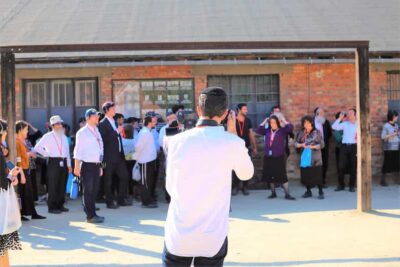
At the first camp, you meet the licensed English-speaking museum guide and enter the grounds as part of an organized group. The guided walk lasts about 1 hour and 45 minutes.
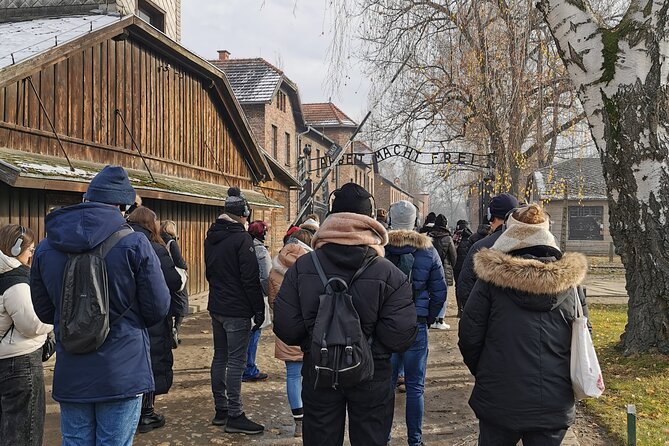
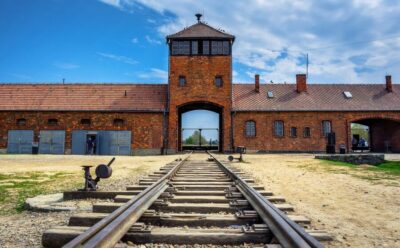
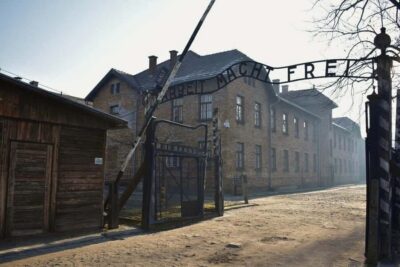
The opening sight for many people is the gate marked Arbeit macht frei. From there, the route moves through the preserved brick barracks and museum interiors. You see photographs, prisoner remains, and displays that document the lives and deaths of people imprisoned here.
The final surviving gas chamber is also part of the visit. That detail can be hard to process, but it is one reason a guide is important. A guide can explain what you are seeing, place it in the wider system of Nazi persecution, and help keep the visit grounded in evidence rather than rumor or sensationalism.
A headset may be used at Auschwitz I so you can hear the guide while standing with the group. That is useful when other groups are nearby or when you are walking several steps behind the guide.
The first camp has more indoor exhibition material than Birkenau, but this is still a walking tour. You move between buildings and spend time outdoors. The pace is set by the museum and the group, not by your own preferred speed.
Dress plainly and respectfully. Smart casual clothing is advised, and disruptive behavior, smoking, and eating are not allowed on the museum grounds. Photography is generally permitted, but you must follow signs marking exceptions, and flash photography inside buildings is forbidden.
Birkenau: the railway ramp and the scale of the camp
After Auschwitz I, your driver takes the group to Brzezinka, the village containing Auschwitz II-Birkenau. There is a break between the two visits, but it is not long enough for a leisurely restaurant meal.
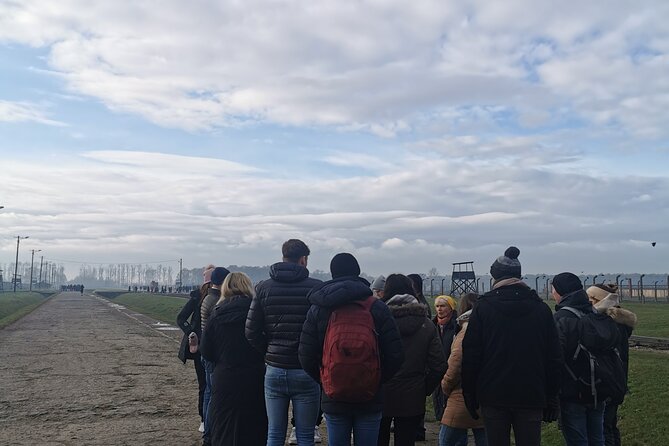
At Birkenau, you meet the guide again at the entrance gate. The walk lasts more than an hour and covers the camp’s major features. You see the Death Gate, the railway tracks leading into the camp, and the unloading ramp where deportation trains arrived.
This is where the size of the operation becomes especially clear. The open ground and long lines of barracks create a very different impression from Auschwitz I. You also see the ruins of gas chambers and crematoria, the memorial to Holocaust victims, and the structures where prisoners were held.
Up to 70 percent of the full visit may take place outside, particularly at Birkenau. In winter, wind and cold can make the day punishing. In warm, sunny weather, you need water and sun protection. Rain does not stop the tour, so waterproof clothing is more useful than an umbrella you must carry through security and crowded paths.
The ground is extensive, and there is a lot of walking. This outing is not recommended for people with mobility issues. Even if you normally walk comfortably, wear firm, comfortable shoes rather than fashion footwear.
Other guided visits to the Auschwitz-Birkenau Memorial:
- From Krakow: Auschwitz-Birkenau Guided Tour & Hotel Pickup
★ 4.5 · 33,358 reviews - From Krakow: Auschwitz-Birkenau Guided Tour & Hotel Pickup
★ 4.5 · 29,340 reviews - Krakow: Auschwitz Guided Tour with Optional Hotel Pickup
★ 4.5 · 15,280 reviews - Krakow: Auschwitz-Birkenau Guided Tour with Pickup & Lunch
★ 4.5 · 9,800 reviews
The guide makes the difference
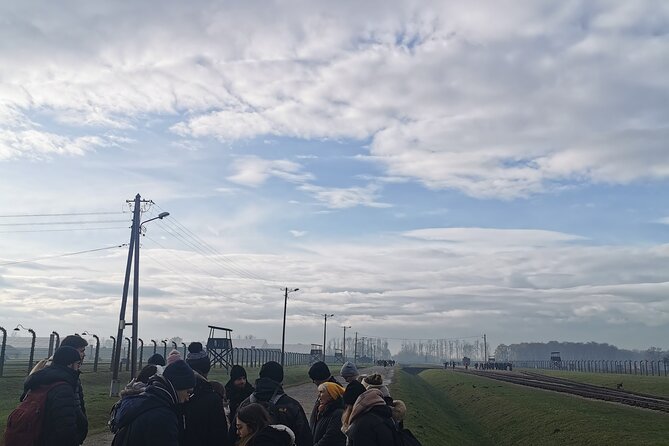
Auschwitz-Birkenau is not a place where a quick audio recording gives you all you need. The two camps require context, and the guide helps connect the buildings, objects, and spaces to the history of Nazi persecution and the Holocaust.
The museum provides the guides and trains them. Unauthorized independent guides cannot lead groups inside. If the museum cannot provide a guide fluent in a particular language, an approved interpreter may accompany the museum guide. For this experience, the working language is English.
Names associated with the guiding team include Ava and Joanna, along with Brigit and Ana. Your guide may be someone else, but the important point is that the guide operates within the museum’s system and route. Strong guides are described as clear, respectful, empathetic, and able to explain difficult material without turning the visit into a performance.
I would expect a serious tone rather than constant narration. The best parts of the visit may be the quiet explanations of ordinary objects, prisoner photographs, and the physical arrangement of the camps. You should have room to reflect, but not complete freedom to stop wherever you wish.
Groups generally contain 16 to 30 people, with a maximum of 30. That is not private touring, but it is within the standard size recommended by the museum. Stay close to your guide, especially at Birkenau, where the open grounds make it easy to lose sight of the group.
Lunch, security, and what to carry
Lunch is not included. There is little time for a full meal between the two camp visits, and the available food at the parking area is limited mainly to vending-machine snacks. A restaurant is currently under construction.
You can bring your own snack and water, or order a lunch box for an extra fee through the operator. The lunch boxes described by visitors include fresh baguette-style sandwiches, and several people found the option convenient and good value. I would seriously consider ordering one if you want to avoid spending the short break searching for food.
Security is similar to an airport check. Large bags and backpacks are not allowed inside. The maximum permitted bag size is 30 by 20 by 10 centimeters. You can leave a larger bag locked in the vehicle during the visit, but pack only essentials in a small bag.
Bring:
- Passport or national identification card
- Water
- A small snack or ordered lunch box
- Weatherproof layers
- Comfortable walking shoes
- Any medication you need during a long day
Your full name must be supplied for everyone on the booking because the museum verifies personal information. Keep the same identification document with you, since it may be checked at entry.
Is $35.07 good value?
At about $35.07 per person, this is a low-cost way to combine transport, museum entry, and guided visits to both camps. The price is especially useful if you are staying in Krakow without a car or do not want to manage regional transport, entry times, and the museum’s group rules yourself.
The value is not just the van ride. The ticket is booked in advance, and a licensed guide leads both Auschwitz I and Birkenau. That saves you from joining a ticket-office queue and reduces the risk of arriving without a workable entry slot during a busy period.
The low price comes with tradeoffs. You share the vehicle and guide with a group of up to 30 people. Lunch costs extra, pickup may be from a nearby street rather than your exact hotel entrance, and the final schedule is not fully under the operator’s control.
For most people, those limits are fair at this price. I would pay more for a private tour only if you need a flexible pace, special transport arrangements, or a guide dedicated solely to your party. For a straightforward first visit from Krakow, this package covers the main needs.
Who should book this Krakow tour?
I would choose this trip if you want the practical parts handled for you and you are comfortable with a fixed museum route. It suits first-time visitors who want both camps, clear English guidance, and transport back to central Krakow.
It is also a good fit if you are nervous about arranging Auschwitz tickets independently. The museum receives many people each day, and the entry process can be difficult to manage without a scheduled place.
You should think twice if you have limited mobility, dislike long minibus rides, or need to be back in Krakow at a precise hour. You should also avoid booking it on a day when you have another attraction, train, dinner reservation, or flight-related commitment.
This is an educational memorial visit, not a light excursion. You may find the subject upsetting, and you should allow yourself time afterward rather than rushing straight into another activity.
Cancellation and final practical advice
Free cancellation is available up to 24 hours before the experience start time. Changes or cancellations inside that 24-hour window are not accepted for a refund.
I would book well ahead because the experience is often reserved around 50 days in advance. After booking, provide accurate full names, install or check the messaging app you use, and wait for the confirmed pickup details. The operator generally communicates final arrangements several days before departure, but the museum may still require changes.
On the morning, use the bathroom before pickup, carry food, and keep the day clear. Go prepared for a long, outdoor walk, and do not expect the exact departure time to remain untouched.
Should you book it?
Yes, if you want an affordable, organized, English-language visit to both Auschwitz camps from Krakow. The strongest reasons are the advance-arranged tickets, museum-authorized guides, door-to-door area pickup, and clear attention to the difficult logistics.
Book it with realistic expectations. You are joining a group, lunch is extra, the schedule may shift, and the visit is physically and emotionally demanding. If those conditions suit you, this is a practical way to reach Auschwitz-Birkenau and give the site the time and respect it requires.
FAQ
How long does the Auschwitz-Birkenau tour from Krakow take?
The experience lasts approximately seven hours. The drive from Krakow to Auschwitz takes about 1.5 hours each way, with about 1 hour and 45 minutes at Auschwitz I and more than one hour at Birkenau.
Does the tour include pickup from my Krakow hotel?
Pickup is offered from hotels, apartments, and hostels within a defined Krakow area. If your accommodation is on a restricted or pedestrian street, you will be directed to the nearest accessible pickup point.
Are Auschwitz entry tickets included?
Yes. Entry tickets for Auschwitz I are booked in advance and included, so you do not need to wait at the ticket office. The visit to Birkenau is also included as part of the tour.
Is lunch included?
No. You can bring your own food, and an additional lunch-box option may be offered before the excursion. The break between the two camps is short, and food choices at the parking area are limited.
What identification and bag size do I need?
Bring your passport or identification card, as the museum may check it at entry. Large bags and backpacks are not allowed. The maximum permitted size is 30 by 20 by 10 centimeters.
Is the tour suitable for someone with mobility issues?
The tour involves extensive walking and is not recommended for people with mobility issues. You may also spend up to 70 percent of the visit outdoors, especially at Birkenau.
Recently added in Krakow
- Auschwitz-Birkenau and Krakow Private Car Trip from Katowice★ 4.3 · 3 reviews
- Wawel Castle, Old Town with St. Mary’s Church Guided Tour★ 5.0 · 3 reviews
- Wawel Castle, Cathedral, Rynek Underground Tour with Lunch★ 5.0 · 3 reviews
- From Krakow: Chocholow Thermal Hot Springs (hotel pick up)★ 5.0 · 3 reviews
- Private tour to Zakopane and Thermal Baths from Krakow★ 5.0 · 3 reviews
- Legends of Cracow ROBOTIC SHOW★ 4.0 · 3 reviews
- From Krakow: Zakopane and Thermal Pools Guided Trip★ 5.0 · 3 reviews
- Guided Beer Tour in Krakow★ 4.5 · 3 reviews
Auschwitz-Birkenau Memorial Tours, compared.
Auschwitz-Birkenau Guided Tour & Hotel Pickup
Read our review →Auschwitz Guided Tour with Optional Hotel Pickup
Read our review →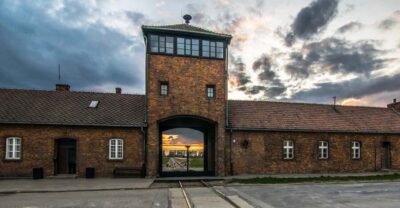
Auschwitz-Birkenau Guided Tour with Pickup & Lunch
Read our review →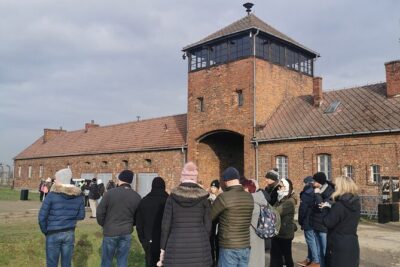
Krakow to Auschwitz Birkenau Guided Tour with Transfer and Ticket
Read our review →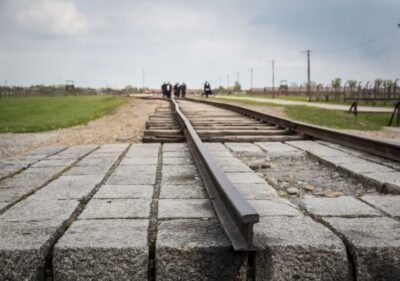
Auschwitz Birkenau Small Group Tour with Pickup
Read our review →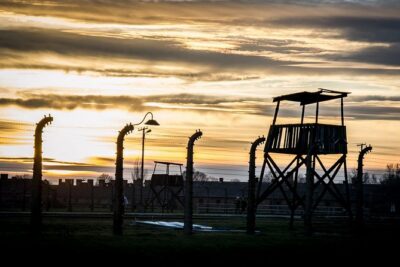
Auschwitz Birkenau Guided Tour with Ticket Hotel Pickup Small Van
Read our review →Where else this one turns up