
Reviewed · WALKING TOURS
Lodz: Private City Walking Tour
Łódź is a city best understood on foot, one street, one factory wall, and one changing neighborhood at a time. This four-hour private walk links the city’s former industrial power with its present-day art and food scene, from the long Piotrkowska promenade to the red-brick Manufaktura complex.
I like the private format, which lets you ask questions and set the pace, and I like the mix of famous sights with Polish murals and film history. The main consideration is that transportation and entrance fees are not included, so this is a walking overview rather than a ticketed museum tour.
Key points to know before booking
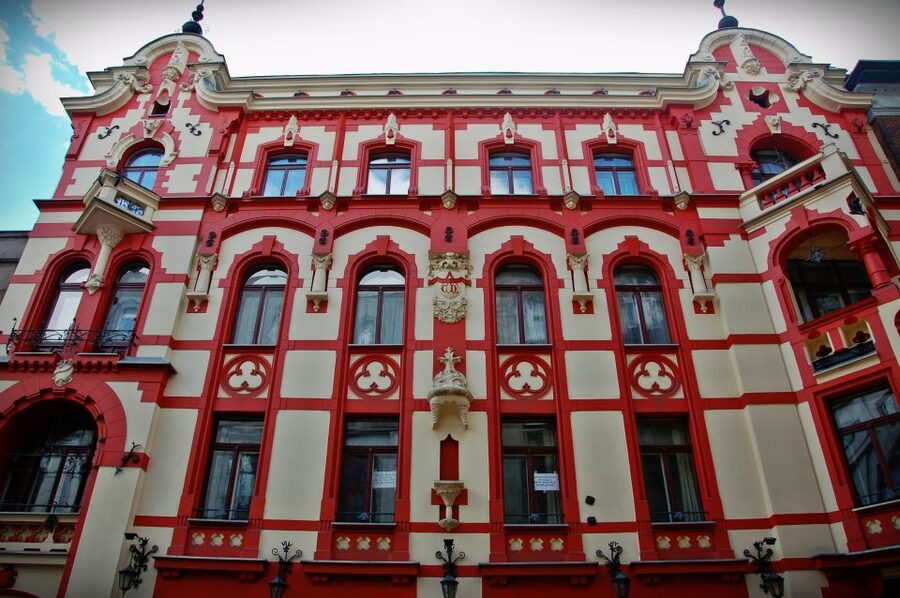
- Piotrkowska Street gives you the city’s social center, with shops, pubs, restaurants, sculptures, and memorials to notable Łódź residents.
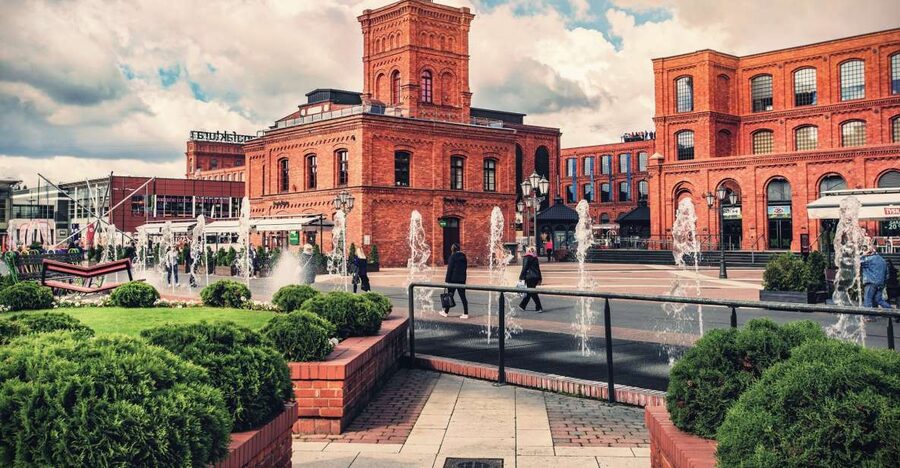
- Manufaktura shows how an old factory district found a new purpose, with brick buildings, an open plaza, and a long run of fountains.
- The Old Town Square adds difficult wartime context, including the former Jewish community and the square’s later Soviet-style appearance.
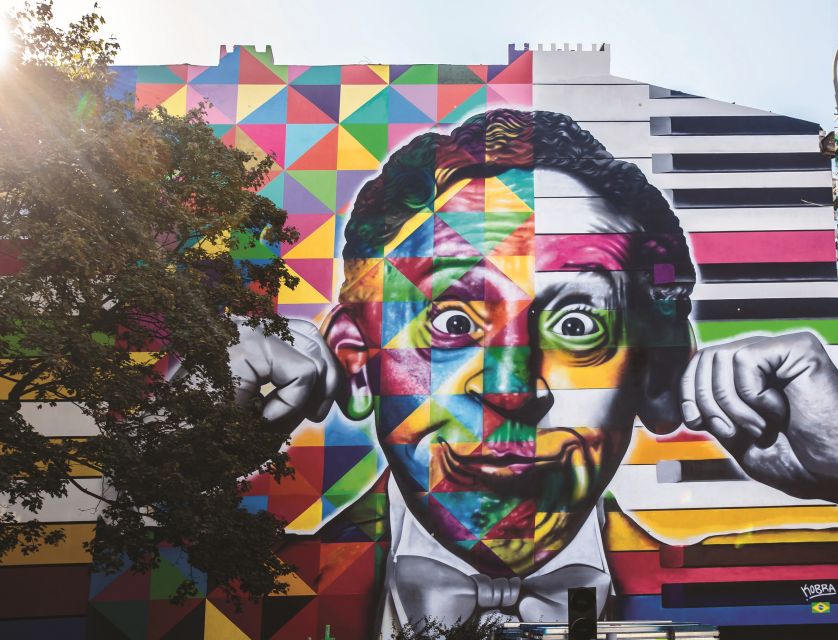
- Street art is part of the route, with murals by Polish and international artists adding a modern layer to the industrial city.
- Your guide can speak English, German, Polish, or Russian, and the private setting makes discussion easier.
- The four-hour walk costs $17 per person, a low price for a personal city orientation, though you should plan for plenty of time on foot.
Why Łódź makes a good walking-tour city
Łódź does not reveal itself in one postcard view. Its appeal comes from contrasts: factory walls beside new restaurants, old Jewish neighborhoods beside plain postwar buildings, and grand city streets alongside large-scale murals.
That is why a walking tour can be useful here. You get a story that ties the pieces together. Łódź was once a major textile center, earning the nickname Polish Manchester. Later, war, occupation, economic trouble, and industrial decline left parts of the city in poor shape. Today, renewal is changing how people use those same streets and factory buildings.
The tour also helps you see Łódź as more than Poland’s third-largest city. You will hear about its industrial families, Jewish past, street art, and film culture. The city’s film school is widely known, and cinema forms an important part of Łódź’s modern identity.
I would choose this walk early in a stay. It gives you a useful map of the center and points you toward places you can return to later. Since the guide shares suggestions for further exploring, the tour can function as both a history lesson and a practical first look.
More Walking Tours in Poland:
- Warsaw: Old Town Highlights Walking Tour in English
★ 4.7 · 1,516 reviews - Old Town Krakow & Wawel Castle Walking Tour
★ 5.0 · 1,508 reviews - Creepy Krakow: 2-Hour City Walking Tour
★ 4.7 · 1,131 reviews
Meeting at EC1 and getting oriented
The meeting point is the main entrance of Centrum Nauki i Techniki EC1, at Targowa 1/3. Your guide waits with your name, so arrive ready at the agreed time.
The nearby Planetarium EC1 is a fitting starting point. EC1 occupies a former power station area and represents the city’s effort to give old industrial spaces a new public role. The tour does not include transportation, so make sure you can reach the meeting point independently.
Because this is a private group, you do not have to fit into the rhythm of a large party. You can ask for clarification, spend more time on a mural, or move along when a subject does not interest you. That flexibility matters in Łódź, where the most interesting details are often spread across long streets rather than gathered in one compact square.
The meeting point is also practical for anyone arriving by train or planning to visit the EC1 complex separately. Still, check your route in advance. A four-hour walk is much easier when you begin without a rushed arrival.
Piotrkowska Street: the city’s long public room
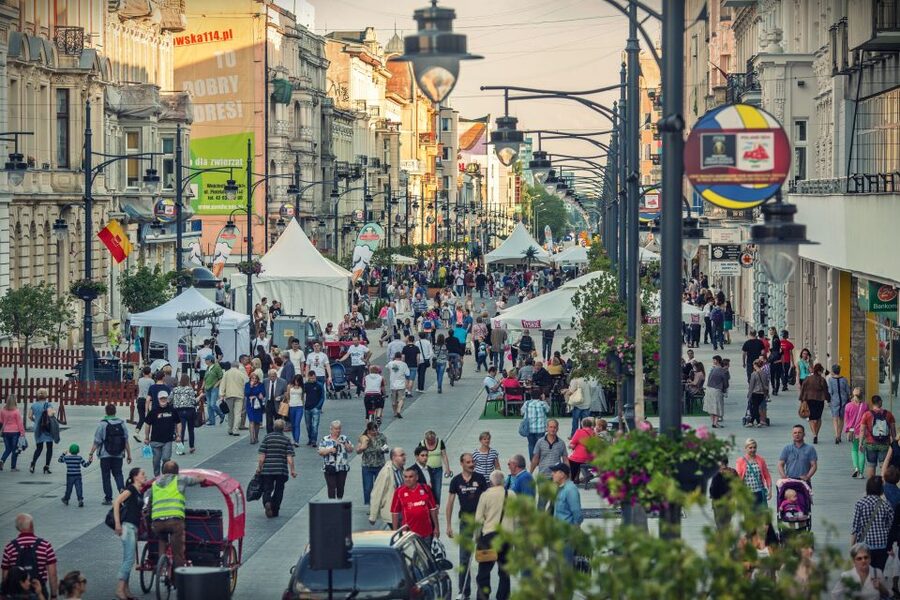
From EC1, the walk heads toward Piotrkowska Street, the best-known avenue in central Łódź. It is described as Poland’s longest promenade, and its role is easy to understand: this is where shopping, dining, nightlife, public art, and local memory meet.
You will see shops, pubs, restaurants, and sculptures connected with famous people from Łódź. These sculptures make the street more than a route from one stop to another. They offer small moments of local history, and your guide can explain why particular figures matter.
I like this part of the walk because it gives you the everyday side of the city. Industrial history can feel distant when it is presented only through dates and old buildings. Piotrkowska shows how the center works now, with people using the avenue for meals, drinks, errands, and an evening out.
The street is long, so the experience may feel less like visiting a single sight and more like watching the city unfold. That is a strength if you enjoy urban walks. If you prefer a quick list of landmarks, the pace may seem slower.
The guide also points out murals created by Polish and foreign street artists. Łódź has made public art an important part of its changing identity, and these large works help explain how a formerly industrial city presents itself today. You will want to keep your phone ready, since murals are often easiest to appreciate as part of the street rather than from a formal viewing platform.
Murals that add a modern layer
The street-art portion is one of the tour’s most distinctive features. Instead of treating Łódź as a preserved industrial relic, the route shows how artists have used walls to add new color, ideas, and attention to the city.
You will find murals by Polish and international artists. The supplied details do not name each artist or guarantee a fixed mural list, so the exact stops may change. That is worth keeping in mind if you are booking mainly to see one particular work.
Still, the broader value is clear. A guide can help you notice a mural’s scale, placement, and connection to its surroundings. You might otherwise pass a large work without understanding how much it changes the feel of a street.
This is also a good reason to take the tour with an open mind. The route is not only about grand architecture. It asks you to look at walls, public spaces, and signs of renewal. I especially like that balance: the old Łódź is present, but it is not treated as the city’s whole story.
A few more Poland half days to consider
- Krakow Airport Private Transfer
★ 5.0 · 2,227 reviews - Wroclaw: 2-Hour Private Guided Tour by Electric Car
★ 4.8 · 805 reviews - Private Tour: Warsaw City Sightseeing by Retro Fiat
★ 5.0 · 562 reviews - Warsaw: Warsaw Ghetto Private Walking Tour with Hotel Pickup
★ 4.9 · 369 reviews
The Old Town Square and Łódź’s Jewish past
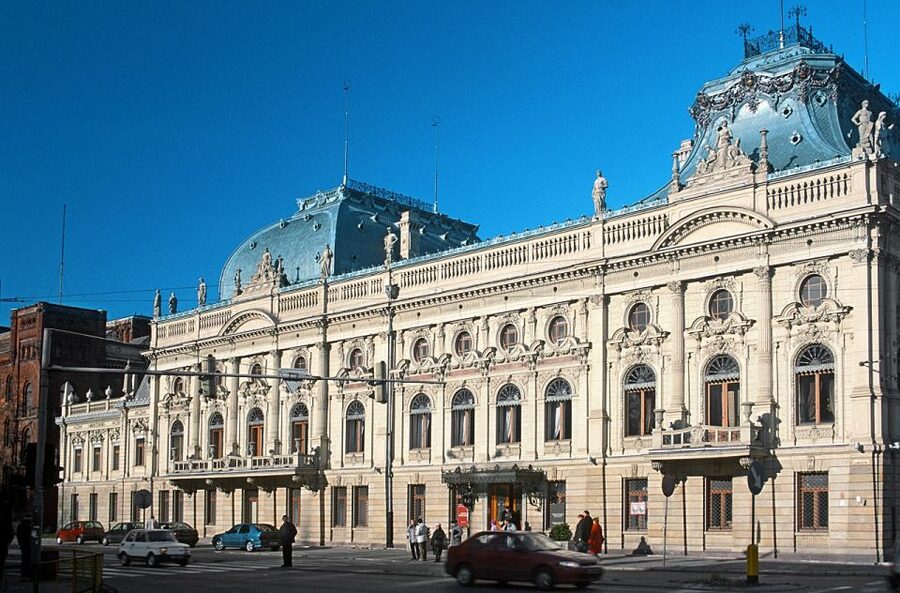
The walk continues to the Old Town Square, where the guide explains the area’s former Jewish community. Before World War II, Łódź had a thriving Jewish population, and the city’s wartime history cannot be separated from that fact.
This section gives the tour its most serious tone. You will learn how the square changed during and after the war, then see the simple Soviet-style architecture that shaped its later appearance. The contrast between the square’s earlier life and its postwar look is important. It shows how war and political change can alter not only a population, but also the physical character of a place.
Do not expect a fully preserved historic square here. The plain architecture may seem less impressive than the ornate streets elsewhere in Poland. That is precisely why a guide helps. Without context, you might see an ordinary open space. With context, you can read it as a place marked by disappearance, rebuilding, and official design.
I appreciate that the itinerary includes this stop rather than offering only cheerful sights. A useful city tour should explain difficult chapters without turning the whole experience into a lecture. In a private group, you can ask more direct questions and take the discussion at a comfortable pace.
Manufaktura and the Poznanski industrial story
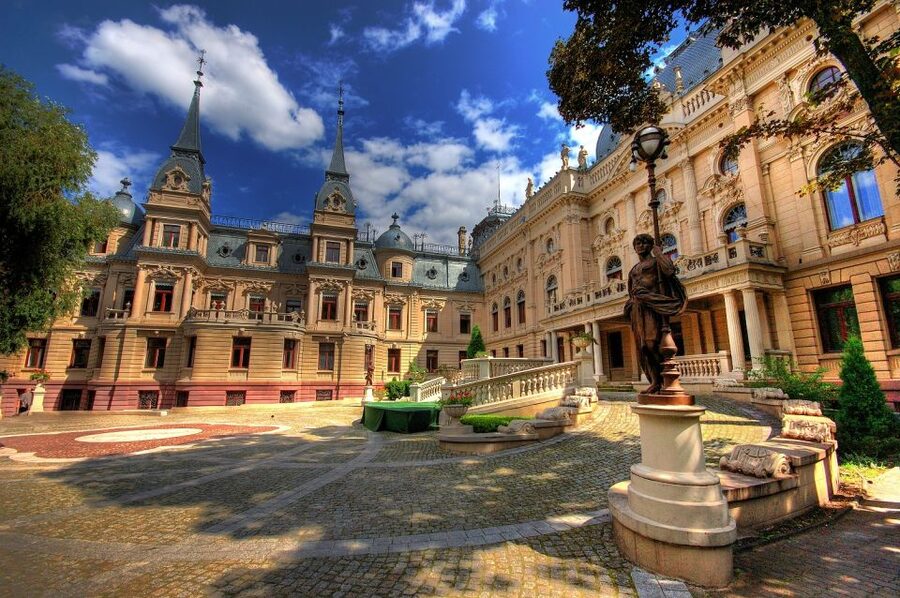
The final major stop is Manufaktura, the renovated industrial complex associated with the powerful Poznanski family. Its red-brick buildings and large open-air plaza show how a former factory district can be reused for modern city life.
The complex is a strong ending because it brings together the tour’s main themes. You have seen industrial Łódź, walked through streets shaped by commerce, and learned about periods of decline. At Manufaktura, those old buildings now serve as a public destination rather than a working textile factory.
The plaza is surrounded by large brick structures and includes a long stretch of fountains, described as the longest in Europe. You can expect an expansive space rather than a small architectural courtyard. That scale reflects the size and ambition of Łódź’s industrial past.
The complex is also a practical place to continue exploring after the tour. The guide can suggest what else to see on your own, and Manufaktura gives you room to pause after several hours of walking. Depending on your interests, you may want to return for food, shopping, or a closer look at the converted factory buildings.
One small limitation is that entrance fees are not part of the tour. The walk focuses on the exterior spaces and interpretation, so budget separately if you want to visit any paid attraction during or after your time in the area.
Łódź film culture and the city’s creative side
The tour also introduces Łódź’s film industry and its widely renowned film school. This detail adds another layer to the city’s character. Łódź is not only a place of factories and workers. It has also become closely tied to film education and the people who shape Polish cinema.
The information provided does not specify a dedicated film-school visit or an included entrance. Think of this as a subject covered by the guide while you walk, not a separate museum experience.
That distinction matters when you set expectations. If your main goal is to tour film-school facilities or enter a cinema museum, confirm what is available separately. If you want to understand why film is part of Łódź’s identity, the discussion adds useful context without taking you away from the main walking route.
I like this subject because it connects the city’s past and present. Industrial buildings and long streets provide the setting, while film and street art show how Łódź has built a newer cultural reputation.
A private guide makes the difference
The guide is the main variable in any private walking tour. Languages offered are English, German, Polish, and Russian, which makes the experience accessible to a wide range of visitors.
One guide named in the booking feedback is Justyna. She was praised for explaining the city well, showing less obvious places, and having friendly local connections that helped the group enter several places. That does not guarantee Justyna will lead your tour, so treat her name as useful information about the guide team rather than a promise.
Another strong point is the guide’s willingness to discuss many subjects. A recent German-language booking described a guide who could handle a wide range of topics and respond to questions. For you, that means the tour may work especially well if you prefer conversation over a fixed speech.
Private does not mean every request can be accommodated, of course. The route and four-hour duration still set limits. But you have a better chance of getting useful answers about food, neighborhoods, film, history, or later sightseeing than you would on a large group walk.
Price, pace, and practical value
At $17 per person, this is inexpensive for a four-hour private city walk. The value is strongest if you want orientation and local context rather than admission to a collection of paid attractions.
The price does not cover transportation or entrances. Since the route is a walking tour, that keeps the basic cost low, but you should wear comfortable shoes and plan for several hours outside. The available information does not give a distance or a detailed break schedule, so ask the guide at the start if you need to manage your walking pace.
The tour is wheelchair accessible, which is an important practical advantage. Still, accessibility on a city walk can depend on street conditions and the exact route, so discuss any specific needs when booking.
You can cancel up to 24 hours in advance for a full refund, and you can reserve now and pay later. Those terms are useful if your Łódź plans are still moving around. Starting times depend on availability.
The rating is 4.2 from 10 ratings, a positive but not huge sample. I would put more weight on the specific strengths: friendly guides, broad discussion, and personal attention. The experience will suit you best if you value a guide who can adapt, not if you need a tightly scripted sightseeing checklist.
Who should book this Łódź walk?
I would recommend it to first-time visitors who want a clear introduction to central Łódź. It also suits anyone curious about the connection between factories, street art, Jewish heritage, and film.
The private format is particularly useful for couples, families, or small groups with different interests. You can ask about the subjects that matter to you instead of waiting through a standard presentation.
It is less suitable if you want a museum-heavy day, a bus tour, or a detailed visit inside every attraction. Entrances are not included, and the main experience comes from walking, looking, and talking.
Should you book the Łódź private walking tour?
Book it if you want an affordable, personal introduction to a city that rewards context. Piotrkowska, the Old Town Square, the murals, Manufaktura, and the film-school story create a broad picture of Łódź in four hours.
I would choose this tour near the start of your visit, then use the guide’s suggestions to plan the rest of your stay. At $17 per person, the cost is easy to justify, especially for a private group and a guide who can discuss the city in your preferred language.
Skip it only if your time in Łódź is too short for a four-hour walk or if you need included transportation and ticketed attractions. For most visitors who want to understand why this former factory city is changing, it is a sensible and good-value starting point.
FAQ
Where does the Łódź private walking tour begin?
The meeting point is the main entrance of Centrum Nauki i Techniki EC1, at Targowa 1/3, 90-001 Łódź. Your guide waits there with your name.
How long does the tour last?
The walking tour lasts four hours. Starting times depend on availability.
How much does the tour cost?
The listed price is $17 per person.
Is the tour private?
Yes. It is offered for a private group.
Which languages are available?
The guide can lead the tour in English, German, Polish, or Russian.
Is transportation included?
No. Transportation is not included, so you must make your own way to the meeting point and between any places outside the walking route.
Are entrance fees included?
No. Entrance fees are not included in the price.
Can I cancel the booking?
Yes. You can cancel up to 24 hours in advance for a full refund. You can also reserve now and pay later.
Recently added in Poland
- Gdansk: Outdoor Paintball and Private Transfers★ 4.7 · 3 reviews
- Auschwitz-Birkenau and Krakow Private Car Trip from Katowice★ 4.3 · 3 reviews
- Warsaw Wolf’s Lair with St. Lipka and Mamerki Private Guided★ 4.2 · 3 reviews
- Wawel Castle, Old Town with St. Mary’s Church Guided Tour★ 5.0 · 3 reviews
- From Krakow: Chocholow Thermal Hot Springs (hotel pick up)★ 5.0 · 3 reviews
- Private tour to Zakopane and Thermal Baths from Krakow★ 5.0 · 3 reviews
- Wawel Castle, Cathedral, Rynek Underground Tour with Lunch★ 5.0 · 3 reviews
- Taste of Poland, food tour and guided walk with 12 tasting★ 5.0 · 3 reviews
Walking Tours, compared.




Gdańsk City Sights & History Guided Walking Tour in English
Read our review →


Where else this one turns up