Reviewed · KRAKOW TOURS
Legends of Cracow ROBOTIC SHOW
Krakow’s legends take an unexpected form here: robots and moving toys act out stories linked to the Wawel Dragon, the Hejnal Mariacki, Lajkonik, and other city symbols. Film, shadow theater, recorded scenes, and special effects fill out the small-scale production.
I like the low $8 price and the compact 20-minute running time, which makes this an easy break between Krakow sights. I also like the language choice, with seven versions available through hosts or audio narration. The main catch is its childlike tone, which some adults may find funny and others may find a little too simple.
Key points at a glance
- Robots tell Krakow’s legends: Mechanical figures and artist-made moving toys are the central performers.
- Eleven local stories appear: The subjects include the Wawel Dragon, Kinga and the Wieliczka Salt Mine, St. Mary’s Towers, and the Sigismund Bell.
- The show lasts only 20 minutes: It fits neatly into a busy day of sightseeing.
- Seven language versions are offered: Polish, English, Spanish, French, Italian, German, and Ukrainian are listed for the experience.
- Audio narration is included: The audio guide is listed in Polish, English, Italian, German, Ukrainian, and French.
- You return to the starting point: The show begins near Krakowska Galery and ends there.
A 20-minute introduction to Krakow’s legends
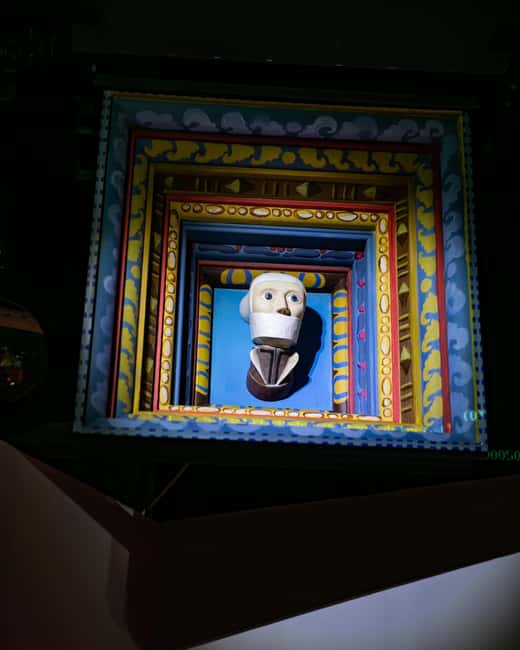
This is not a walking tour, a museum visit, or a traditional puppet theater. It is a short multimedia stage show that uses mechanical figures as its main actors.
The basic formula is easy to follow. A narrator tells the story through headphones or loudspeakers. Cinema screens show film and animation. Shadow theater and real recordings add atmosphere, while robots and moving toys act out the legends in front of you.
That mixture gives the show a playful character. You are not simply listening to a guide explain Krakow. You are watching the city’s old stories turned into a small performance with moving figures and visual effects.
The 20-minute length matters. Krakow has no shortage of churches, castles, museums, and squares competing for your time. I would treat this as a short cultural stop rather than a major attraction. It gives you a quick look at local folklore without asking you to give up half a morning.
The short format also limits how much detail each story can receive. You get a series of quick introductions, not full versions of eleven legends. If you want the background behind every tale, you will need to read more or visit the places connected with them.
A few more Krakow half days to consider
- From Krakow: Polish Folk Show with All-You-Can-Eat Dinner
★ 4.5 · 1,593 reviews - Krakow: Folk Show & 3-Course Dinner at Jama Michalika Café
★ 4.3 · 698 reviews - Polish Folk Show with 3 course dinner in Krakow legendary restaurant
★ 4.0 · 112 reviews
From the Wawel Dragon to Lajkonik
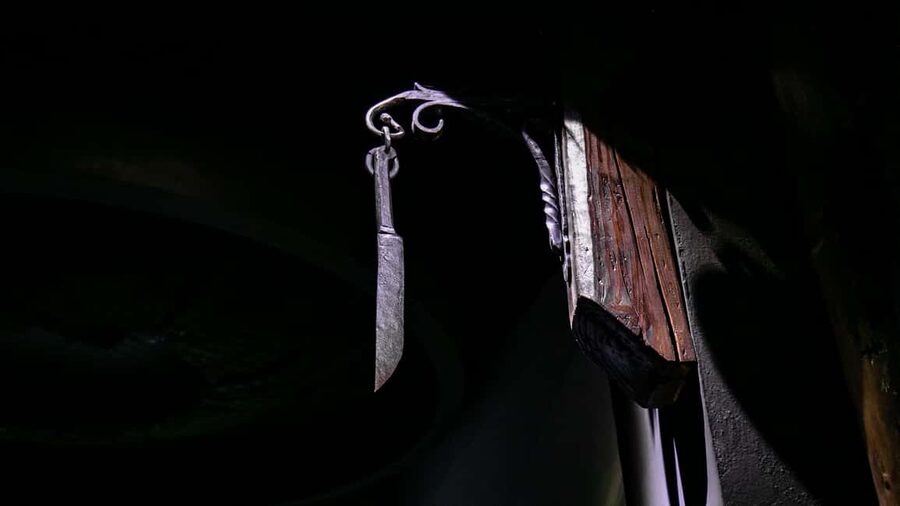
The program presents a broad selection of Krakow stories and symbols. The best-known is the Wawel Dragon, the creature associated with the hill and castle above the Vistula River. Even if you already know the basic tale, seeing it represented by a robot gives it a different tone from a book or guidebook account.
Kinga and the Wieliczka Salt Mine also appear. This connects Krakow’s legends with one of the region’s most famous sights outside the city center. If you plan to visit Wieliczka, the scene can give you a small piece of local folklore before you go, though it should not replace the mine visit itself.
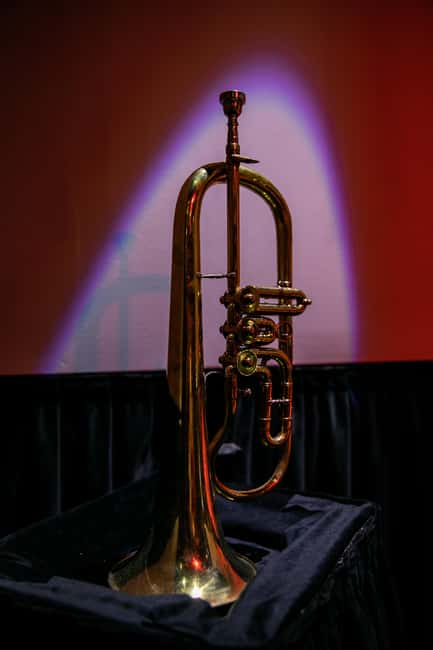
The show also covers St. Mary’s Towers and the Hejnal Mariacki, the trumpet call linked with St. Mary’s Basilica. These subjects are especially useful for first-time visitors because they connect the performance with things you can see and hear around Krakow’s Main Market Square.
Other topics include:
- The Yellow Boot
- The Wawel Heads
- Stańczyk the Jester
- The Sigismund Bell
- Stanisław Wyspiański
- Mr. Twardowski
- Lajkonik
This list gives you more than royal stories and medieval monsters. It includes art, church traditions, public symbols, folklore, and figures from Krakow’s cultural past.
You should not expect a full explanation of each title in 20 minutes. Instead, think of the show as a sampler of Krakow folklore. It can help you notice the city differently afterward. A trumpet call, a parade figure, a bell, or a face carved at Wawel may carry more meaning once you have heard its story in the theater.
How the robots, screens, and shadows work together
The robots are the reason to choose this show over a standard audio presentation. They are not just decorations beside a film. They serve as the main actors, with artist-made moving toys also taking part in the action.
The screen content supports the stage performance. You can expect film, animation, shadow scenes, and real recordings to work as the setting or visual background. Special effects add surprise and help bridge the different parts of the production.
This mixed style will appeal most to you if you enjoy theatrical storytelling rather than a straight historical talk. It also gives children several things to watch at once. A narrator speaks, a robot moves, a shadow scene appears, and a screen changes. That variety helps keep the short program moving.
The same quality can feel childish if you want a serious historical presentation. The show is built around fantasy and mechanical spectacle, not detailed academic explanation. I would not book it as your main lesson in Krakow’s past.
The tone is best described as playful folklore for a mixed-age audience. One adult may find that amusing, while another may think the treatment is too young. The 20-minute duration reduces the risk. Even if the style is not for you, it will not take a large part of your day.
Choosing the right language and narration
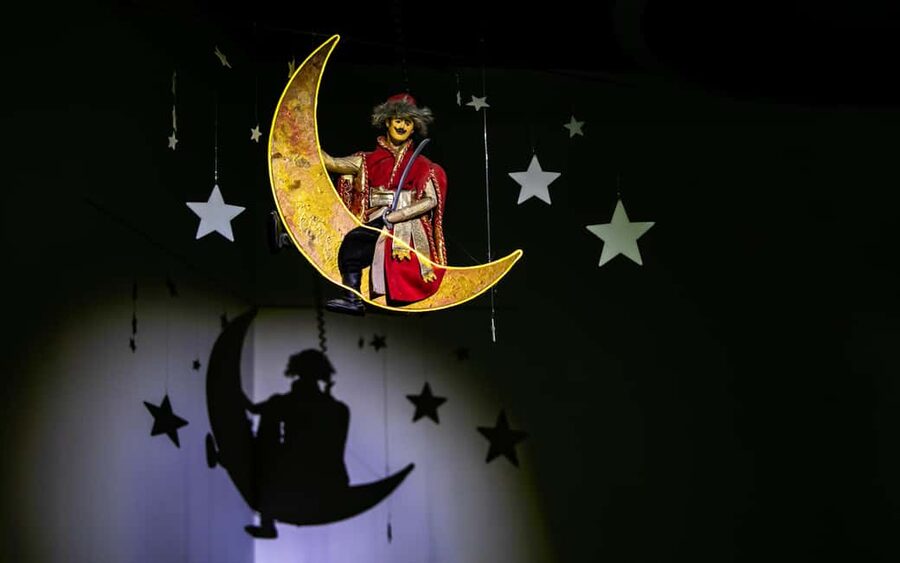
Language planning is simple, but the available choices are worth checking carefully. Seven languages are listed for the experience: Polish, English, Spanish, French, Italian, German, and Ukrainian.
The host or greeter language list includes all seven. The audio guide list specifically includes Polish, English, Italian, German, Ukrainian, and French. Spanish is listed among the general language options but not in the separate audio guide list, so Spanish-speaking visitors should confirm exactly how narration is delivered before booking.
You may hear the story through headphones or loudspeakers. That gives the production some flexibility for different language versions. If you are using the audio option, keep the device close and listen for cues while watching the stage and screens.
For most English-speaking visitors, the language choice should be straightforward. Still, I would check the selected time and language rather than assume every performance uses the same setup.
The show is suitable for visitors who want more than a silent visual display. The narrator provides the story, while the moving figures and screens supply the action. You can follow the legends without already knowing Polish folklore.
A different kind of day in Krakow:
- From Krakow: Auschwitz-Birkenau Guided Tour & Hotel Pickup
★ 4.5 · 33,358 reviews - From Krakow: Auschwitz-Birkenau Guided Tour & Hotel Pickup
★ 4.5 · 29,340 reviews - Krakow: Auschwitz Guided Tour with Optional Hotel Pickup
★ 4.5 · 15,280 reviews - Krakow–Zakopane: Cable Car, Chocholow Baths, Cheese & Vodka
★ 5.0 · 10,720 reviews
Why the Krakow setting matters
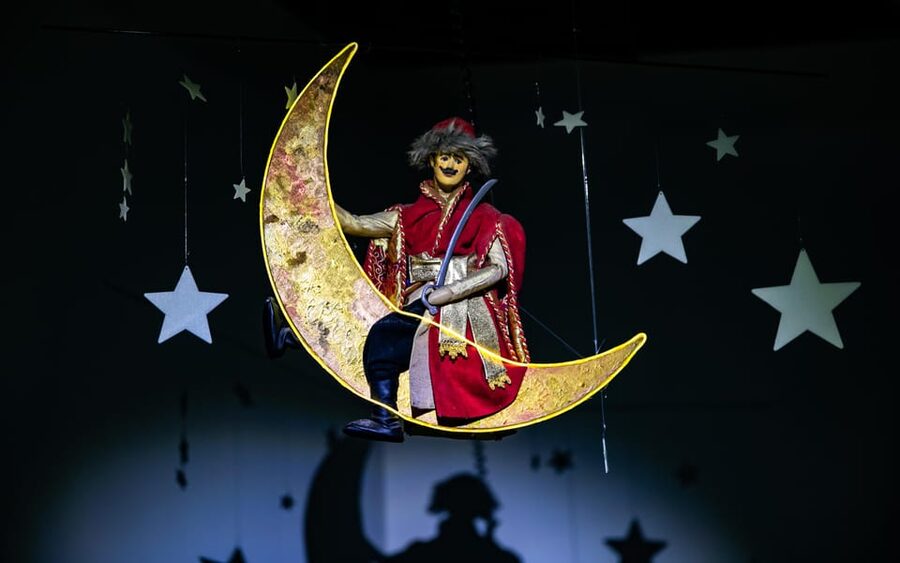
The show works best when you use it as a companion to the city rather than an isolated attraction. Several of its subjects are part of the sights and sounds you encounter in central Krakow.
The Wawel Dragon points you toward Wawel Hill. St. Mary’s Towers and the Hejnal Mariacki connect with the Main Market Square. The Sigismund Bell relates to Wawel Cathedral, while Lajkonik belongs to Krakow’s local traditions and public celebrations.
That connection gives the performance practical value. It offers names and references you may encounter again during your stay. You can watch the show early in your visit, then recognize some of its subjects as you explore.
It also works in the other direction. If you have already seen Wawel or heard the trumpet call from St. Mary’s, the performance may give those sights more context. I like this kind of short cultural stop because it adds a story layer without requiring a full guided tour.
Do not expect the show to take you to any of those sites. The experience begins and ends near Krakowska Galery. The legends are presented on stage through multimedia effects, not during a route through Krakow.
Is $8 a good value?
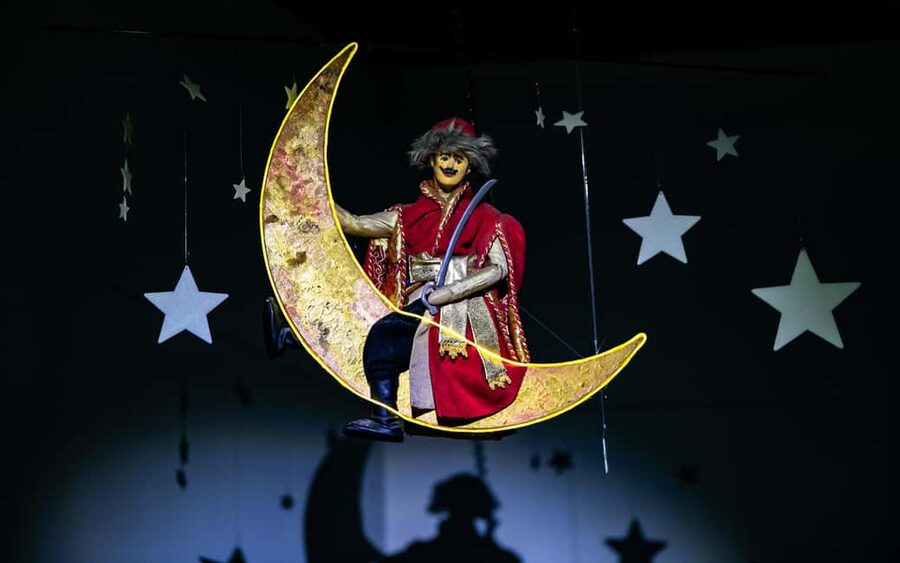
At $8 per person, this is priced as an inexpensive add-on rather than a major paid attraction. The value comes from the combination of a low cost, a short duration, and a language-supported presentation.
For a family, the price can make sense because the show gives children a visual introduction to Krakow’s folklore without the cost or time of a longer theater production. The robots and moving toys provide a clear reason to choose this over simply reading about the legends.
For an adult couple or solo visitor, the value depends on your interest in theatrical effects. If you want a detailed account of Polish history, $8 may be better spent on a longer museum or guided visit. If you want a quick, light cultural break, the price is modest enough to justify trying it.
The short length is both a strength and a weakness. You can fit the show around meals, church visits, shopping, or a walk through the Old Town. But you should not expect twenty minutes to cover eleven subjects in depth.
I would also factor in your daily pace. After several hours of churches and historic interiors, a mechanical stage show can provide a welcome change. If your schedule is already packed, this is one of the few activities that can fit without a major reshuffle.
Who will enjoy this robotic show most?
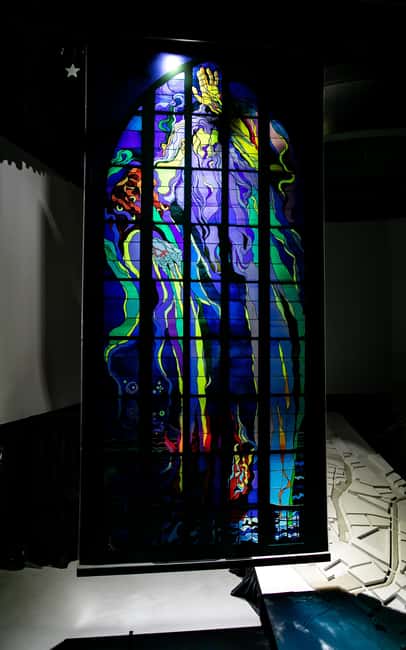
I would recommend it most strongly to families, first-time visitors, and anyone curious about Krakow’s legends but short on time.
Children are likely to respond to the visible movement, robots, shadows, and special effects. The stories have a magical side, and the show does not depend on long explanations. Parents may also appreciate that the activity lasts only 20 minutes.
First-time visitors can use it as a quick introduction to local names and symbols. It may help you decide which stories or sites deserve more attention during the rest of your stay.
It can also suit adults who enjoy unusual forms of storytelling. The mechanical figures give the show a handmade, theatrical quality that differs from a normal screen presentation.
I would be more cautious if you prefer serious historical interpretation, long performances, or a quiet museum setting. The childlike style is part of the appeal, but it may not match every adult’s taste. The best attitude is to see it as a playful cultural interlude, not a definitive account of Krakow.
Practical timing near Krakowska Galery
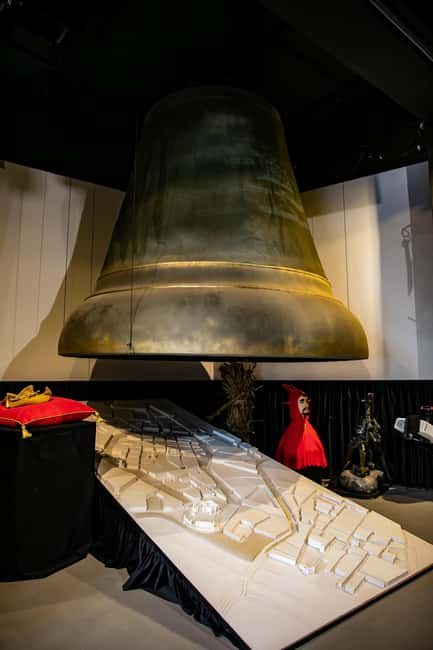
The meeting point is near Krakowska Galery, and the activity returns to that same point at the end. That makes the show easy to place within a day based around central Krakow, though you should allow enough time to find the exact entrance or meeting location.
The duration is listed as 20 minutes. Starting times are selected based on availability, so check the schedule when choosing your date.
Because the production is short, arriving late could matter more than it would for a casual outdoor stop. The narration, film, and mechanical action are designed to work in sequence. I would aim to be at the meeting point before the scheduled start.
Booking flexibility is useful here. You can reserve now and pay later, and cancellation is available up to 24 hours in advance for a full refund. Those terms make it easier to place the show into a changing Krakow schedule.
The experience provider is Jordan Group. A host or greeter is listed for the seven available languages, while audio narration is included in the languages specified for the audio guide.
How to fit it into a Krakow day
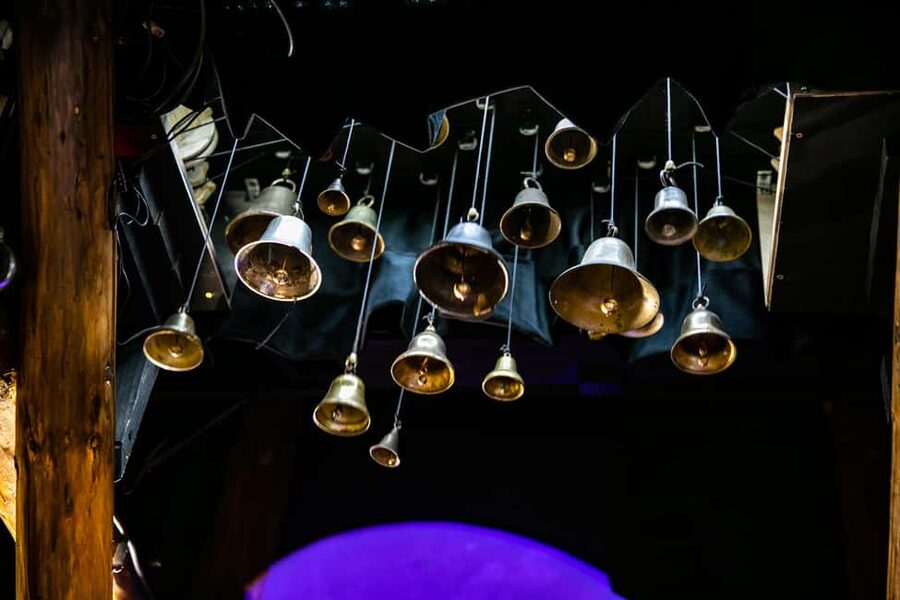
I would place the show between larger activities rather than build the day around it. Its short running time makes it a natural pause after walking or before another nearby stop.
One practical approach is to see it before visiting the Wawel area. The Wawel Dragon, the Wawel Heads, the Sigismund Bell, and Mr. Twardowski can then serve as story prompts as you continue sightseeing.
Another option is to schedule it after time around the Main Market Square. St. Mary’s Towers and the Hejnal Mariacki are already part of that area’s identity, so the show may help connect what you have just seen with the legends behind it.
You could also use it on a family day when everyone needs a change from churches and museums. Twenty minutes is short enough to hold attention, and the $8 price keeps the experiment inexpensive.
I would not schedule it as a substitute for Wieliczka Salt Mine, Wawel Castle, St. Mary’s Basilica, or any other major Krakow sight. The show refers to these subjects and traditions, but it does not take you to them or provide a full visit.
The main strengths and the fair warning
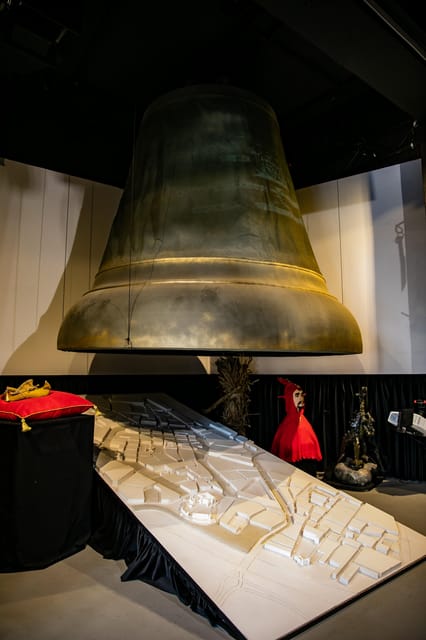
The strongest feature is the blend of old legends and modern stage machinery. Robots are an unusual way to tell city stories, and the addition of animation, shadows, film, and recordings gives the performance more variety than a simple puppet display.
The second strength is efficiency. In 20 minutes, you receive a broad introduction to eleven legends and figures. You will not learn every detail, but you will leave with a useful list of names to recognize around Krakow.
The language coverage is another clear advantage. English is included, along with Polish, Spanish, French, Italian, German, and Ukrainian. Just verify the exact audio arrangement if you need Spanish narration.
The warning is tone. The show can feel very childish, especially if you are expecting a polished historical documentary. That is not necessarily a flaw for families or visitors who enjoy playful theater, but it is a real consideration for adults seeking depth.
One adult reaction to the show was that it was funny but very childish. Another praised it as an interesting break from sightseeing while wishing it lasted longer. Those two responses point to the central trade-off: the show is easy to fit into your day and entertaining in a light way, but its brief length and simple style limit its depth.
Should you book Legends of Cracow?
Book it if you want a cheap, short, family-friendly introduction to Krakow’s folklore, especially if robots and stage effects appeal to you. It is also a good choice when you want a change of pace from museums, churches, and walking tours.
Skip it if you want a serious lecture, a long theatrical production, or detailed treatment of each legend. At $8, the risk is small, but the childlike tone will not suit every adult.
For most visitors, I would treat it as an optional extra rather than a must-see. Check the language, confirm the starting time, and fit it between larger Krakow sights. If that sounds like a useful 20-minute pause, the price makes it an easy addition.
FAQ
Where does the Legends of Cracow show begin?
The show begins near Krakowska Galery.
Where does the activity end?
The activity ends back at the meeting point near Krakowska Galery.
How long does the robotic show last?
The show lasts 20 minutes.
How much does admission cost?
The listed price is $8 per person.
What languages are available?
The experience lists Polish, English, Spanish, French, Italian, German, and Ukrainian. The audio guide is listed in Polish, English, Italian, German, Ukrainian, and French.
Can I cancel my booking?
Yes. You can cancel up to 24 hours in advance for a full refund. You can also reserve now and pay later.
Recently added in Krakow
- Auschwitz-Birkenau and Krakow Private Car Trip from Katowice★ 4.3 · 3 reviews
- Wawel Castle, Old Town with St. Mary’s Church Guided Tour★ 5.0 · 3 reviews
- Wawel Castle, Cathedral, Rynek Underground Tour with Lunch★ 5.0 · 3 reviews
- From Krakow: Chocholow Thermal Hot Springs (hotel pick up)★ 5.0 · 3 reviews
- Private tour to Zakopane and Thermal Baths from Krakow★ 5.0 · 3 reviews
- Guided Beer Tour in Krakow★ 4.5 · 3 reviews
- From Krakow: Zakopane and Thermal Pools Guided Trip★ 5.0 · 3 reviews
- From Krakow: Hiking in the Tatra Mountains and Thermal baths★ 5.0 · 3 reviews
Krakow Tours, compared.
Auschwitz-Birkenau Guided Tour & Hotel Pickup
Read our review →Auschwitz Guided Tour with Optional Hotel Pickup
Read our review →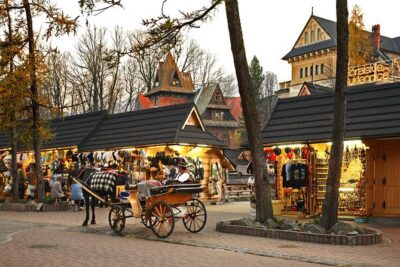
Zakopane: Cable Car, Chocholow Baths, Cheese & Vodka
Read our review →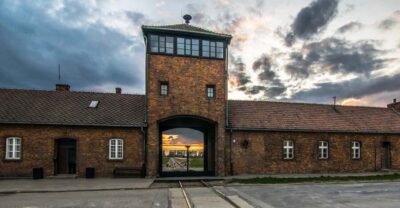
Auschwitz-Birkenau Guided Tour with Pickup & Lunch
Read our review →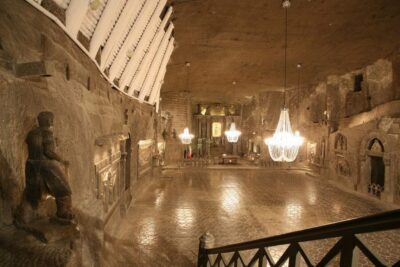
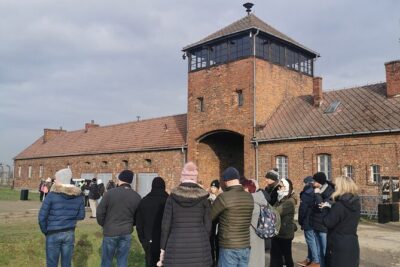
Krakow to Auschwitz Birkenau Guided Tour with Transfer and Ticket
Read our review →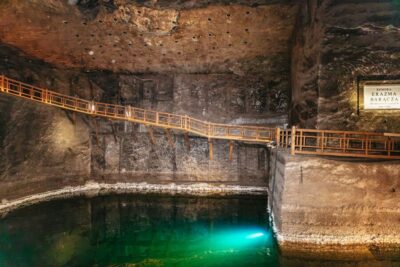
Wieliczka Salt Mine Guided Tour with Transport
Read our review →