
Reviewed · WAWEL CASTLE TOURS
Krakow: Wawel Castle & Cathedral, Old Town & City Basilica
Wawel Hill gives you Kraków in one powerful sweep: royal apartments, a coronation cathedral, underground tombs, and a tower with the chance to touch the famous Sigismund Bell. I like that this tour connects those major sights with the streets and squares of the Old Town instead of treating Wawel as a stand-alone museum visit.
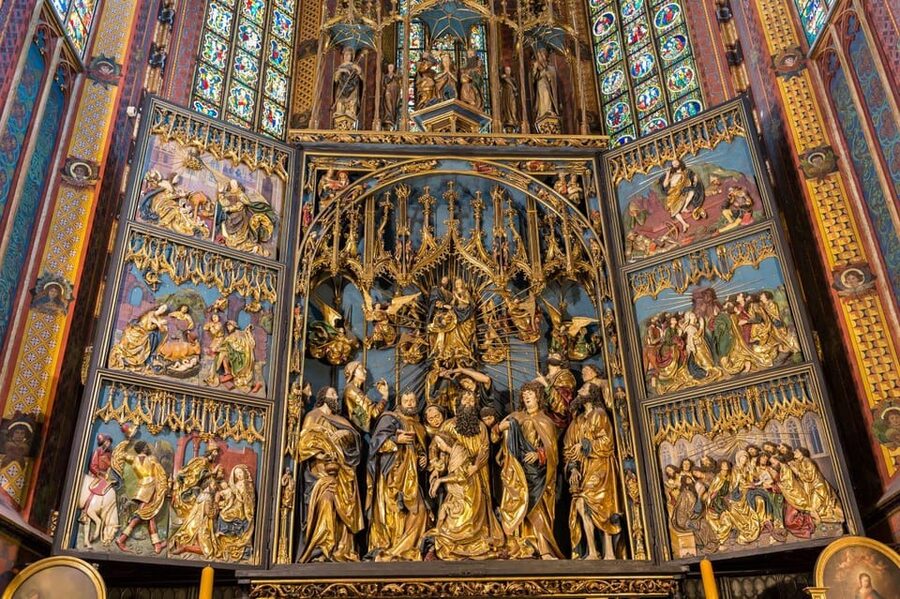
I also like the fast-track access to one permanent castle exhibition and the guided entry to St. Mary’s Basilica, where Veit Stoss’s enormous Gothic altar is the star. The main drawback is pace: 210 minutes covers a lot, and the climb to the bell tower plus the walking between sights may not suit anyone with limited mobility. It is also a group tour, so arriving late can mean missing the start.
Key points to know before booking
- Wawel Castle combines royal rooms and art collections: Expect Renaissance interiors, tapestries, Italian paintings, porcelain, arms, and Eastern art.
- The Sigismund Bell requires a climb: The reward is a close look at Kraków’s legendary bell and broad city views from Wawel Tower.
- The royal crypts add weight to the cathedral visit: Polish monarchs and important national figures are buried below the church.
- The Old Town walk links major sights: You’ll see Main Market Square, the Cloth Hall, Collegium Maius, and historic streets.
- St. Mary’s Basilica has a world-famous centerpiece: The Veit Stoss altar is best understood with a guide explaining its symbols and workmanship.
- The tour is best for first-time visitors: It packs Kraków’s royal, religious, academic, and civic highlights into one half-day outing.
Why Wawel Hill is the right place to begin
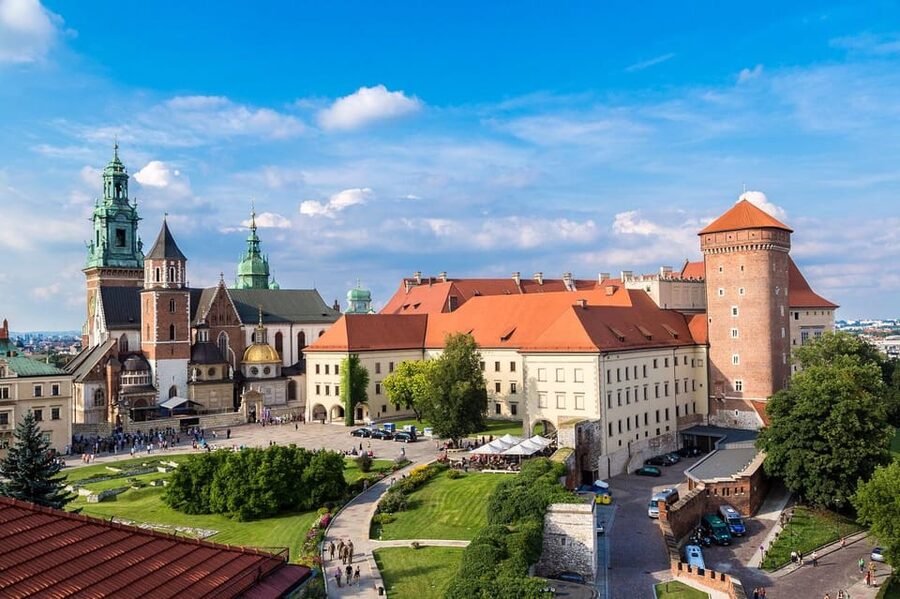
Wawel Hill is more than a pretty viewpoint above the Vistula. It is the heart of Poland’s royal story, and the tour uses the hill to explain how Kraków became a center of political power, religion, art, and learning.
Your guide leads you through the castle complex and into one permanent exhibition, with fast-track access when available. That qualification matters. The tour includes one permanent exhibition, not every room or temporary show in the castle, so you should not book this expecting a full-day survey of the entire museum.
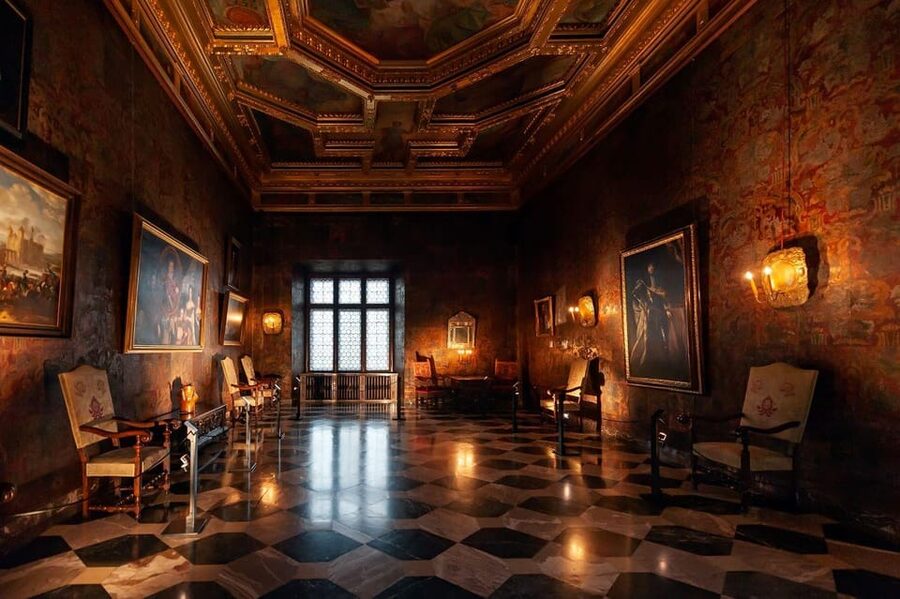
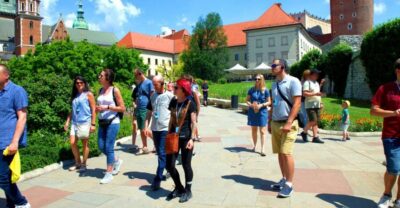
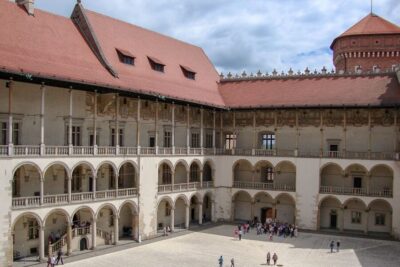
Still, the selected route gives you plenty to work with. The State Rooms show the courtly side of royal Kraków, with refined Renaissance details, historic tapestries, and carefully decorated interiors. These rooms are not simply grand spaces to photograph. They help you picture how ceremonies, audiences, and political business took place inside the castle.
I find the art collection especially useful for putting Poland into a wider European setting. The Lanckoroński collection includes Italian paintings, while displays of porcelain, weaponry, and Eastern art point to Poland’s contact with cultures far beyond Central Europe. The collection of Ottoman tents is particularly unusual, described as the largest of its kind in Europe.
That range gives the castle visit more depth than a parade of royal portraits. You see how power was displayed through architecture and luxury goods, but also how Poland’s position between Western Europe and the Ottoman world shaped its culture.
More Old Town Tours in Krakow
- Old Town Krakow & Wawel Castle Walking Tour
★ 5.0 · 1,508 reviews - Krakow: Bike Tour of Old Town, Jewish Quarter and the Ghetto
★ 4.9 · 1,155 reviews - Krakow: The Old Town Walking Tour
★ 4.8 · 794 reviews
Inside the State Rooms and castle collections
The State Rooms are the most polished part of the castle experience. Renaissance interiors and tapestries create a clear sense of royal ceremony, while the guide helps you notice the details that are easy to miss when walking alone.
You might find that the rooms appeal most if you like decorative arts and court life. If your main interest is military history or painting, the wider collections become just as important. Weaponry, porcelain, and Eastern art broaden the visit beyond furniture and walls.
The Italian paintings from the Lanckoroński collection are another reason to pay attention. A guide can connect individual works to the cultural ambitions of the Polish court, rather than leaving you to guess why they are displayed together.
The tour does not promise access to every castle exhibition. That is a fair limitation for a 210-minute program, but it is worth keeping in mind if you have already seen Wawel and want a very specific room or collection. Ask about the included exhibition when you meet your guide so you know what the day’s route covers.
Wawel Cathedral, royal tombs, and the climb to Sigismund Bell
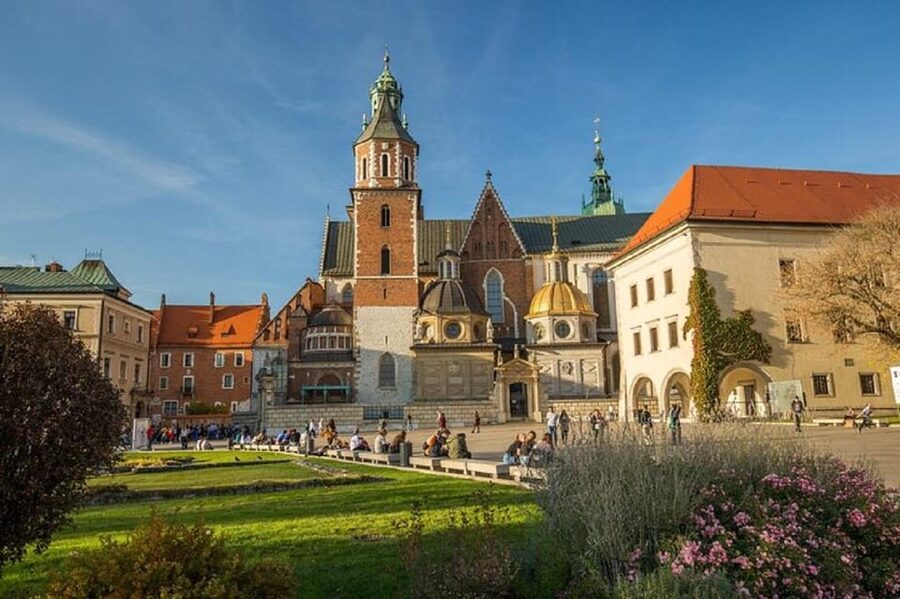
Wawel Cathedral changes the mood. The castle rooms present royal life at its most formal, while the cathedral shows where that power was blessed, celebrated, and finally buried.
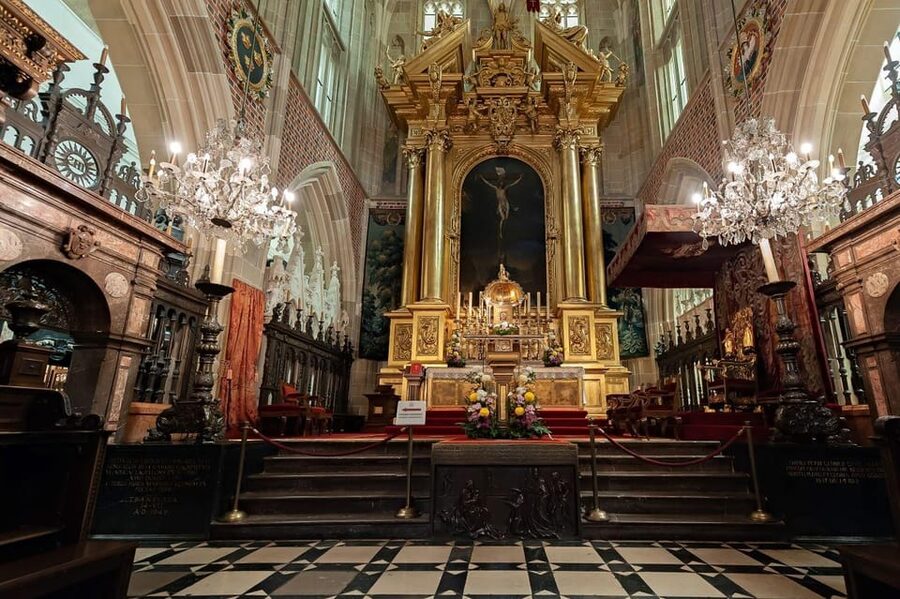
Polish monarchs were crowned and married here, and many were laid to rest beneath the church. The interior includes richly decorated chapels and golden domes, with architectural details that reward a slower look. Your guide provides the background that turns these features into part of the country’s political and religious story.
The cathedral remains an active place of worship, not simply a museum. Access can be suspended during important religious, state, or jubilee events, or during visits by important guests. If that happens, the organizer may replace the cathedral visit with another entrance within the castle complex. This is an important condition, especially if the cathedral and crypts are the main reason you are booking.
The tower climb is one of the tour’s most memorable moments, but it is not effortless. You climb to see the Sigismund Bell and enjoy panoramic views of Kraków. The chance to touch the bell gives the visit a physical, almost playful detail that balances the formal history below.
You should be comfortable with stairs and uneven movement through historic buildings. The tour is not suitable for wheelchair users, and the bell tower reinforces why. If you have knee, balance, or stamina concerns, ask before booking rather than assuming the climb can be skipped.
The royal crypts provide the most solemn part of the Wawel visit. They are the final resting place of Polish rulers and major national figures, and the guide’s explanation helps you understand why this underground space matters to Polish identity.
Walking from Wawel to Kraków’s Old Town
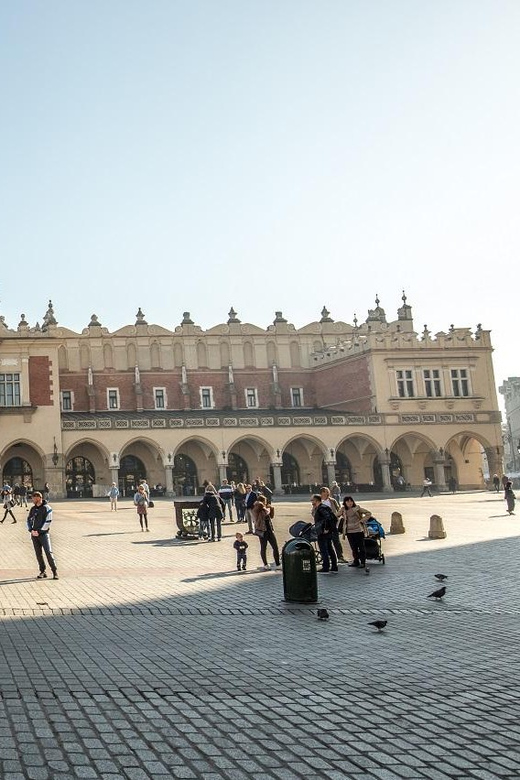
After Wawel, the tour shifts from royal compound to city streets. This is one of its best design choices. Kraków’s story makes more sense when you move from the castle to the places where merchants, scholars, craftspeople, and ordinary residents shaped daily life.
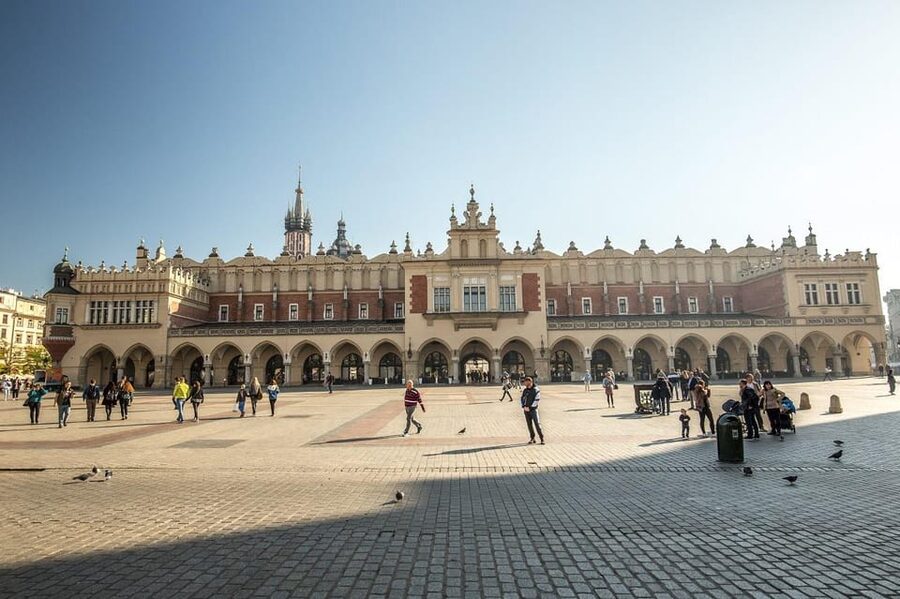
The walk takes you through the UNESCO-listed Old Town toward Main Market Square. You’ll see the Cloth Hall, one of the square’s defining landmarks, and hear about merchant guilds, trade, royal processions, and medieval routines.
Main Market Square can feel grand at first glance, but the guide’s stories give it human scale. Look beyond the open space and focus on the relationship between the square, the surrounding streets, and the buildings that once supported commerce and civic life.
The Cloth Hall is especially useful as a reminder that Kraków was not only a royal capital. Trade helped make the city prosperous, and the hall’s position in the square shows how business and ceremony shared the same urban center.
This portion is a walking tour, not a sightseeing bus ride. The distance is manageable for most people who are comfortable with city walking, but you should wear sensible shoes. The full experience lasts three and a half hours, with standing, stairs, and several stops inside historic buildings.
More Wawel Castle visits:
- Krakow: Wawel Castle & Cathedral Guided Tour
★ 4.7 · 2,111 reviews - Krakow: Wawel Royal Hill with Optional Castle and Cathedral
★ 4.2 · 1,220 reviews - Krakow: Wawel Castle and Cathedral Guided Tour
★ 4.6 · 595 reviews - Kraków: Old Town & Wawel Castle Walking Tour in English
★ 4.8 · 532 reviews
Collegium Maius and Kraków’s academic past
Collegium Maius adds a different layer to the Old Town. It is the oldest university building in Poland, and the tour links it with Nicolaus Copernicus, its most famous student.
That connection helps broaden your view of Kraków. The city was not only a place of kings and churches. It was also a center of study and ideas, where the university shaped European intellectual life.
A guide is useful here because university buildings can look like just another medieval courtyard if you do not know what happened inside them. The stop also breaks up the sequence of royal and religious sights, giving the walk a welcome change of subject.
You will not get a separate, extended university tour based on the information provided. Instead, Collegium Maius is one of the landmarks explained along the Old Town route. That makes it a good fit for a first visit, while someone seeking a specialist academic tour may want more time elsewhere.
St. Mary’s Basilica and the Veit Stoss altar
The final major stop is St. Mary’s Basilica, one of Kraków’s essential sights. The entrance ticket is included, and the guided visit focuses on the church’s Gothic design and its famous altar by Veit Stoss.
The altar is not a small decorative feature tucked away in a side chapel. It is an extraordinary carved work that dominates the interior and carries layers of religious symbolism. A good explanation helps you read the figures, scenes, and arrangement instead of seeing only a mass of carved wood.
This is where the tour’s art and history strands come together. You have already seen royal interiors, Italian paintings, military objects, and religious architecture. At St. Mary’s, the guide can show how sculpture served both devotion and civic pride.
The basilica is also an active religious site, so respectful behavior is expected. Conditions inside churches can change during services or special events, although the supplied information specifically warns of possible access limits at Wawel Cathedral.
For many people, St. Mary’s will be the artistic high point. Veit Stoss’s altar gives the tour a strong finish, and the guided explanation keeps the visit from becoming a quick photograph before moving on.
What the guides add to the experience
The tour is led by a certified local guide, with live commentary available in English, Polish, German, Italian, Spanish, and French. That language range makes the experience practical for mixed-language groups, though you should select the needed language when checking available departures.
The strongest praise attached to this experience centers on the guides’ preparation, professionalism, and enthusiasm. Helen is singled out for clear knowledge and passion, while Magdalena is praised for her information and helpful attitude. Those details matter because this itinerary depends on interpretation more than transportation or special equipment.
A guide can explain why a royal chapel matters, connect Wawel to the Main Market Square, and make the Veit Stoss altar readable. Without that context, you would still see impressive buildings, but you would miss much of the reason they matter.
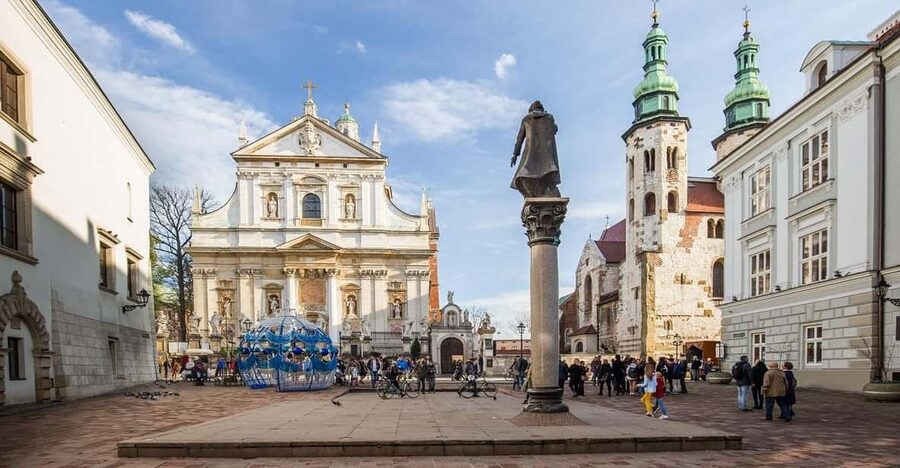
The group format keeps the price below that of a private tour, but it also means you need to follow the schedule. The meeting point is at the Piotr Skarga Monument on St. Mary Magdalene Square, where you should look for the guide holding an Excurison.city sign.
Arrive early. The instructions specifically warn that this is a group tour and late arrivals may not be accommodated. Historic Kraków has plenty to distract you on the way, so allow extra time to find the square rather than cutting it close.
Is $88 a fair price for 210 minutes?
At $88 per person, this is not the cheapest way to see Kraków’s Old Town. You are paying for more than admission, though. The price includes a certified guide, entrance to Wawel Cathedral, access to St. Mary’s Basilica, and fast-track entry to one permanent Wawel exhibition when available.
The value is strongest if you want the major landmarks explained in one organized route. You avoid arranging separate tickets, choosing between castle rooms, and working out how to connect Wawel with the Old Town. For a first visit with only a few days in Kraków, that can save both time and decision-making.
The value is weaker if you prefer to wander slowly or want to see every part of Wawel Castle. The tour includes one permanent exhibition, and the 210-minute schedule leaves limited room for lingering. Independent visitors may prefer to divide the castle, cathedral, basilica, and Old Town across several days.
The included fast-track access is subject to availability, so it should be treated as a useful benefit rather than an absolute guarantee. The cathedral’s access can also be interrupted by religious or state events.
Who will enjoy this Kraków tour most?
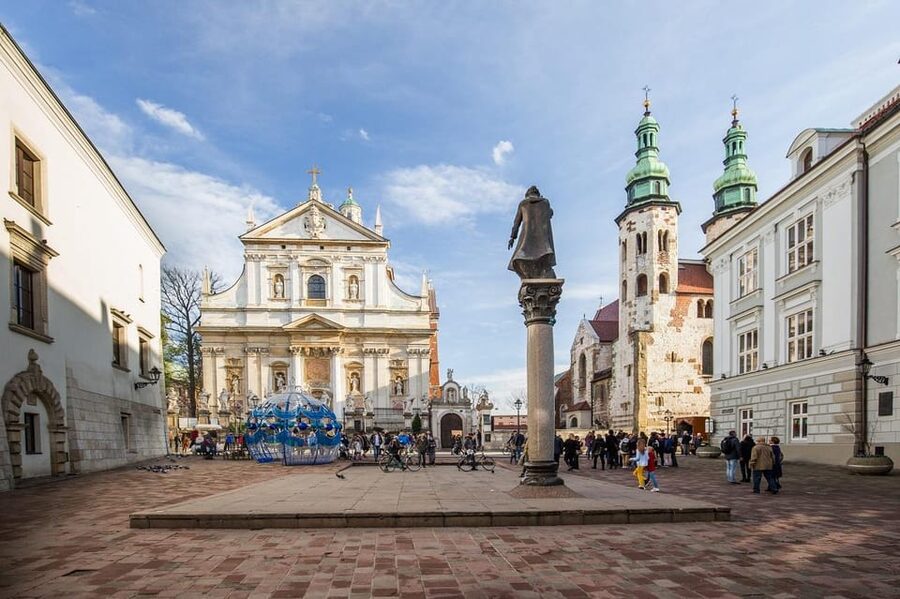
I would choose this tour for a first-time visit, especially if you want a clear introduction to Kraków’s royal center and Old Town without spending a full day on one museum complex.
It suits you if you:
- Want a guide to explain art, architecture, and Polish royal history
- Have limited time in Kraków
- Prefer a planned route over independent ticketing
- Are comfortable walking and climbing stairs
- Want both Wawel and St. Mary’s Basilica in one outing
- Enjoy seeing major landmarks while learning the stories behind them
You may want another option if you use a wheelchair, dislike group schedules, or need long pauses at each sight. It may also feel too compressed if you have a special interest in castle interiors, Ottoman objects, Renaissance painting, or church architecture and want extended time with each collection.
Practical advice for making the most of the 3.5 hours
Meet at St. Mary Magdalene Square by the Piotr Skarga Monument, and look for the Excurison.city sign. Build in a buffer before the start time because the tour cannot wait for late arrivals.
Wear shoes suited to city walking and historic stairs. The route includes Wawel Hill, the cathedral, the bell tower, the royal crypts, and the Old Town streets, so comfort matters more than fashion.
Think of the tour as a structured introduction, not the final word on Kraków. Take mental notes about the rooms or collections you want to revisit later. The route gives you a useful map of the city’s key cultural sites, and you can return to the castle or basilica at a slower pace if your schedule allows.
The tour allows free cancellation up to 24 hours before the start, and you can reserve now and pay later. Those terms are helpful when your Kraków plans are still changing, but they do not remove the need to check the starting time and language before booking.
Should you book this Wawel and Old Town tour?
Book it if you want Kraków’s biggest historical and artistic sights explained by a local guide in a single 210-minute route. The combination of Wawel’s State Rooms, royal cathedral, crypts, Sigismund Bell, Main Market Square, Collegium Maius, and St. Mary’s Basilica gives you a strong first look at the city.
The clearest reasons to book are the expert-led context and the unusual mix of royal history, art, religion, and city life. Guides such as Helen and Magdalena have been praised for being prepared, professional, and engaging, which is exactly what this information-heavy itinerary needs.
Skip it if you need wheelchair access, dislike group timing, or want to explore Wawel’s many exhibitions at your own speed. For most first-time visitors who can manage the walking and stairs, $88 is a reasonable price for a well-packed introduction to Kraków’s cultural center.
FAQ
How long does the tour last?
The tour lasts 210 minutes, or three and a half hours.
What sights are included?
The tour includes Wawel Castle, Wawel Cathedral, Kraków’s UNESCO-listed Old Town, Main Market Square, the Cloth Hall, Collegium Maius, and St. Mary’s Basilica.
Does the tour include Wawel Castle admission?
It includes fast-track access to one permanent exhibition at Wawel Castle, subject to availability.
Does the tour include Wawel Cathedral?
Yes. Admission to Wawel Cathedral is included.
Can I visit the royal crypts and Sigismund Bell?
The planned experience includes the royal crypts, the bell tower, and the opportunity to touch the Sigismund Bell. Access may be suspended during important religious, state, or jubilee events, or visits by important guests.
Is entry to St. Mary’s Basilica included?
Yes. The entrance ticket to St. Mary’s Basilica is included, with a guided look at the Veit Stoss altar.
Where does the tour meet?
The meeting point is St. Mary Magdalene Square at the Piotr Skarga Monument. Look for the guide holding an Excurison.city sign.
What languages are available?
Live tour guides are available in German, Italian, Spanish, Polish, English, and French.
Is the tour suitable for wheelchair users?
No. The experience is listed as unsuitable for wheelchair users, and the route includes historic buildings and a bell tower climb.
Recently added in Krakow
- Auschwitz-Birkenau and Krakow Private Car Trip from Katowice★ 4.3 · 3 reviews
- Wawel Castle, Old Town with St. Mary’s Church Guided Tour★ 5.0 · 3 reviews
- Private tour to Zakopane and Thermal Baths from Krakow★ 5.0 · 3 reviews
- Wawel Castle, Cathedral, Rynek Underground Tour with Lunch★ 5.0 · 3 reviews
- From Krakow: Chocholow Thermal Hot Springs (hotel pick up)★ 5.0 · 3 reviews
- Legends of Cracow ROBOTIC SHOW★ 4.0 · 3 reviews
- From Krakow: Zakopane and Thermal Pools Guided Trip★ 5.0 · 3 reviews
- Guided Beer Tour in Krakow★ 4.5 · 3 reviews
Wawel Castle Tours, compared.

Wawel Royal Hill with Optional Castle and Cathedral
Read our review →
Skip-the-Line Wawel Castle Chambers Private Tour
Read our review →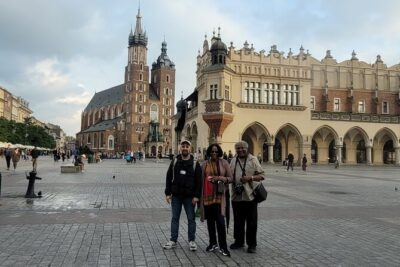
Private Krakow City Tour, Krakow Old Town and Wawel Castle Tour
Read our review →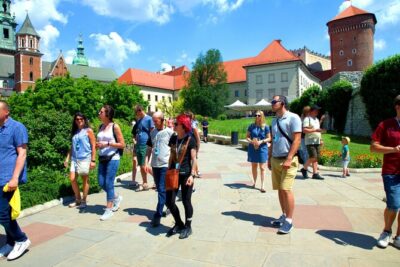
Krakow Guided Tour to Iconic Polish Royal Residence Wawel Castle
Read our review →Where else this one turns up