
Reviewed · WALKING TOURS
Krakow: Plaszow Concentration Camp Walking Tour
Krakow-Plaszow is not a neatly preserved museum. Much of the former camp is open ground, with memorials and traces that can be easy to miss without someone to point them out. That is exactly why this two-hour guided walk matters: it gives shape and meaning to a site that otherwise may seem quiet and indistinct.
I like the way the tour connects the camp’s history with the deportation of Jews from the Krakow ghetto, the forced labor carried out in the quarry and military factories, and the story of Oskar Schindler. I also like the nearby Liban Quarry replica, built for Steven Spielberg’s Schindler’s List, which adds a clear film connection without replacing the real history.
The main drawback is that this is an outdoor visit, and relatively little of the former camp remains in a conventional visitor-friendly form. You need decent weather and a guide who can explain what you are seeing. The good news is that guides including Anna, Barbara, Phil, and Krysztof have received especially warm praise for clear explanations and a thoughtful manner.
Key points to know before you go
- A former camp site that needs interpretation: Much of Plaszow is open ground, so the guide’s explanation is central to the experience.
- History in clear stages: Learn how the site began as a forced labor camp in 1940 and became a concentration camp in 1941.
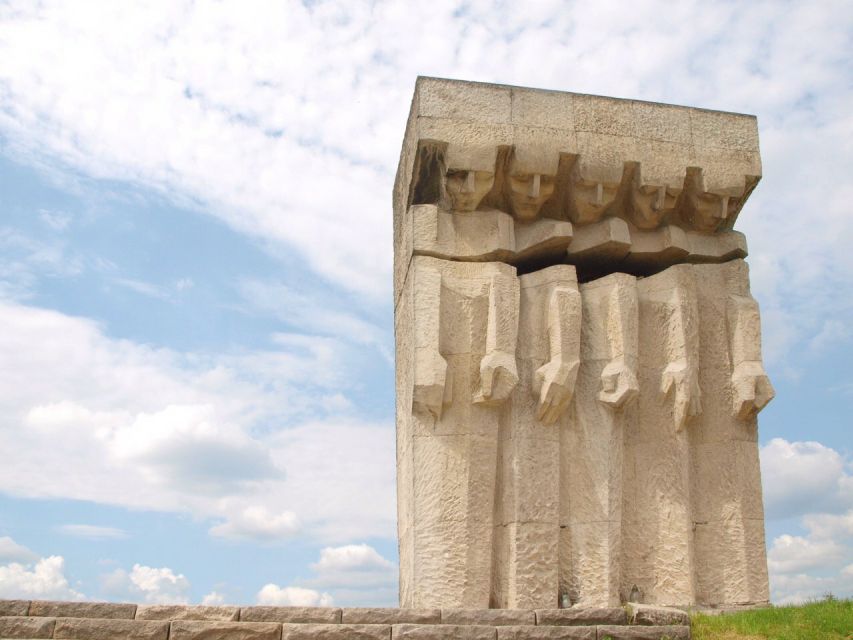
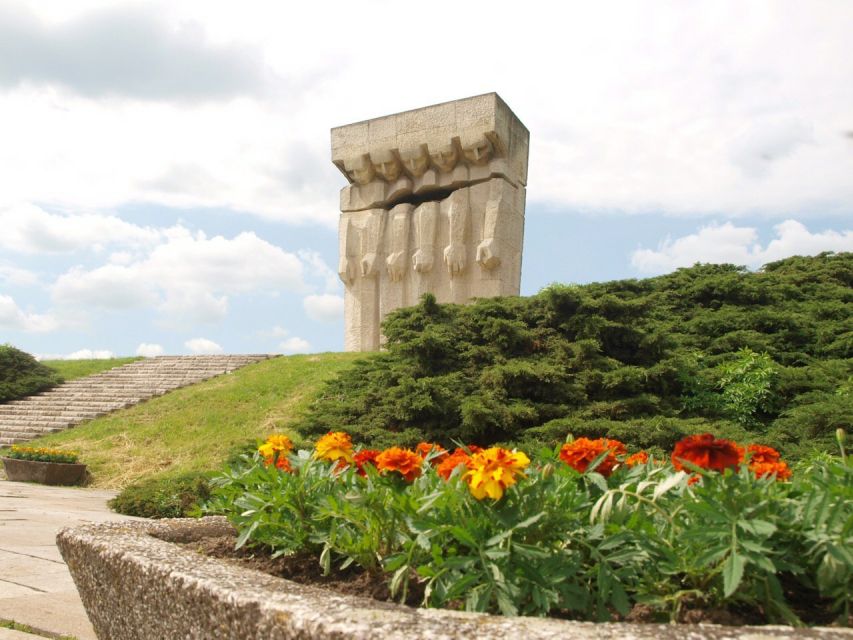
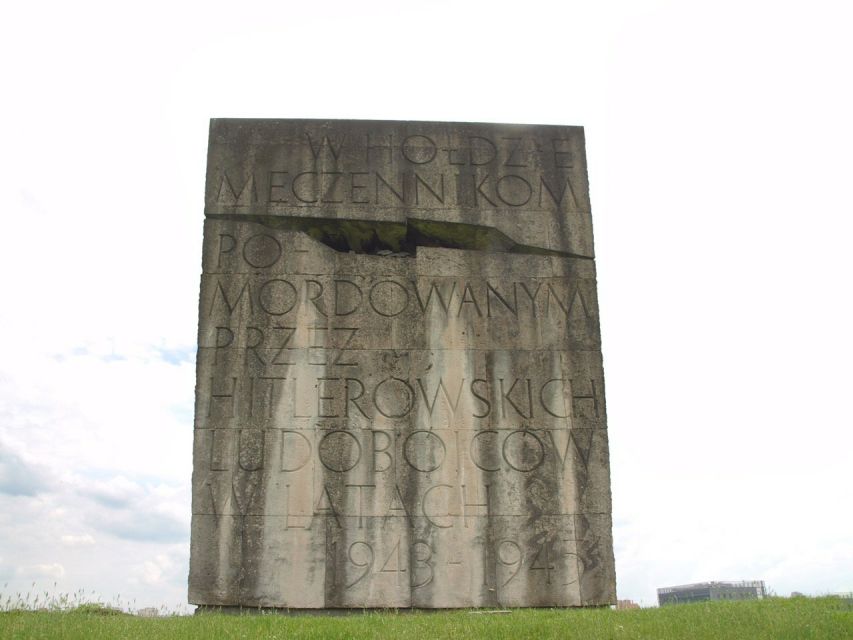
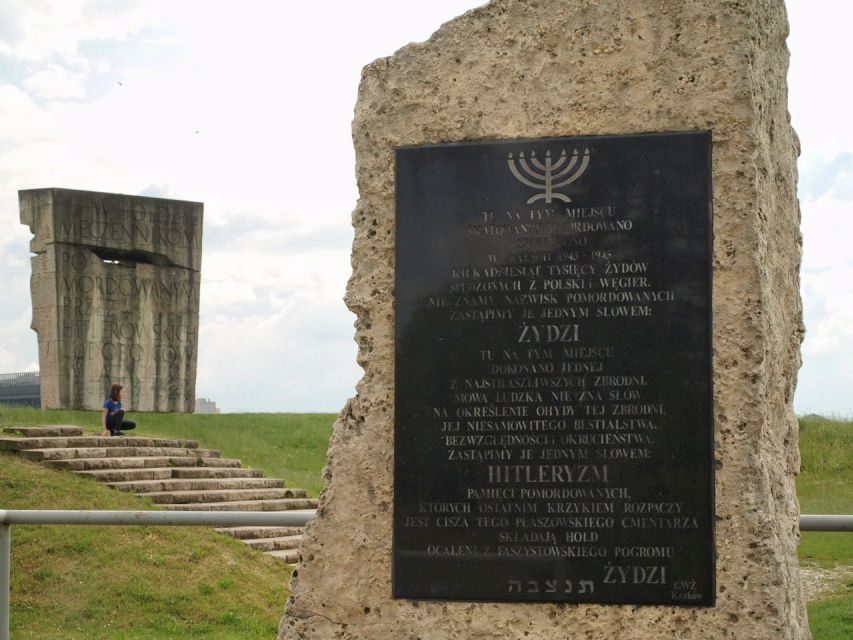
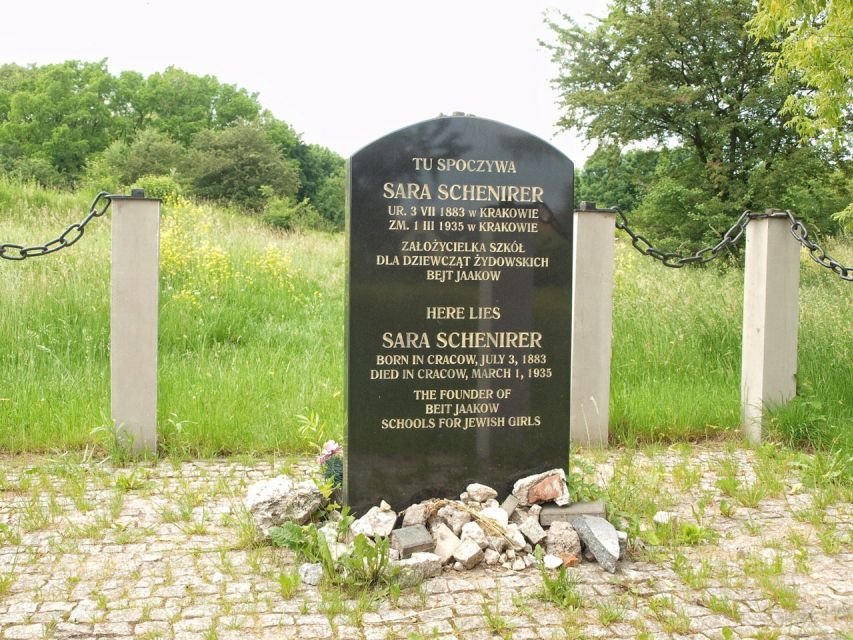
- Memorials create time for reflection: The walk includes several places dedicated to the victims of the Holocaust.
- Schindler’s story is part of the setting: Hear about Oskar Schindler and how the camp appeared in the 1993 film.
- The Liban Quarry replica is nearby: Visit the film set built roughly a hundred meters from the former camp area.
- Practical value at $23: The price includes a licensed guide, while your tram ticket is extra.
Why Plaszow feels different from Auschwitz
If you have already visited Auschwitz, Plaszow gives you a different kind of historical experience. Auschwitz has preserved buildings, exhibits, and a strongly defined museum route. Plaszow is more open and less immediately readable.
That difference can be unsettling. You may look across a broad area and see little that tells you what happened there. A guide turns those blank spaces into evidence. The route helps you understand where the camp operated, where labor took place, and how Nazi rule affected Krakow and its Jewish population.
I think this is the tour’s greatest value. You are not simply walking through a set of remains. You are learning how to read a place where physical traces are incomplete. Without a guide, it would be easy to miss the significance of parts of the site, especially if you expect a traditional museum with signs at every turn.
The tour also helps place Plaszow within the wider story of Krakow. Deportations from the Krakow ghetto began in 1942, and the camp became part of that system of persecution. The guide explains how the camp changed and what daily life involved, rather than presenting the site as an isolated chapter.
More Walking Tours in Krakow
- Old Town Krakow & Wawel Castle Walking Tour
★ 5.0 · 1,508 reviews - Creepy Krakow: 2-Hour City Walking Tour
★ 4.7 · 1,131 reviews - Krakow: The Old Town Walking Tour
★ 4.8 · 794 reviews
Following the camp from forced labor to concentration camp
The camp opened in 1940 as a forced labor camp. In 1941, it was converted into a concentration camp. That change is one of the important points covered on the walk because it shows how the site developed under Nazi rule.
You learn about the intensive labor carried out in the quarry and military factories. This gives the camp a physical and economic context. The work was not an abstract detail. It shaped the daily reality of people imprisoned there and connected the camp to the machinery of the war.
The quarry is particularly important because it appears both in the camp’s history and in the later film connection. The guide can help you understand the difference between the real site and the locations recreated for cinema.
I appreciate that the tour does not reduce Plaszow to one famous person or one movie. Oskar Schindler is part of the story, but the focus remains on the camp, its prisoners, the forced labor system, and the victims. That balance matters. A visit centered only on Schindler would miss the reason this place deserves attention.
The memorials and the need for a quiet pace
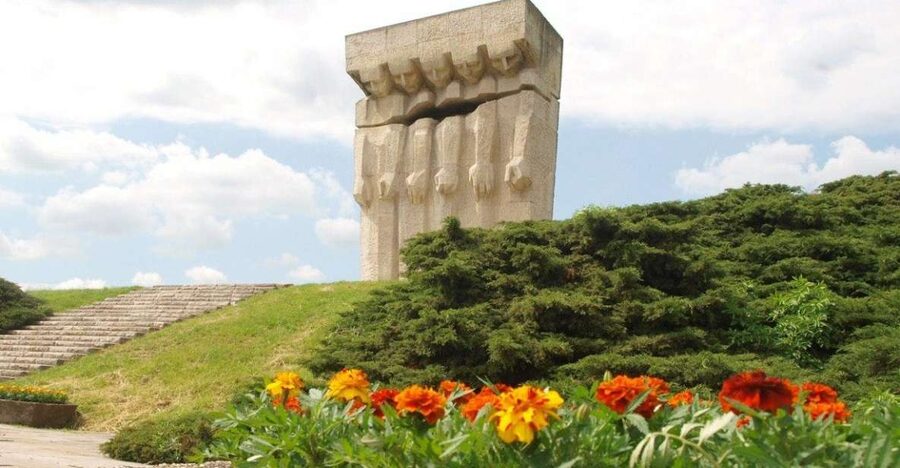
Several memorials are included on the route. These provide clear points to pause, remember the victims, and take in the scale of what happened.
This is not a light sightseeing stop. You should expect a serious atmosphere and a guide who allows room for reflection. Barbara, one of the named guides associated with the tour, has been especially appreciated for giving people time to take in the former camp and pay their respects. That kind of pacing can make a major difference at a place where facts alone may feel overwhelming.
I would not rush this walk to fit it between too many other attractions. The advertised duration is two hours, and that is enough time for the main story without turning the visit into an exhausting full-day commitment. Still, you will get more from it if you arrive ready to listen rather than treating it as a quick photo stop.
The memorials also help compensate for the lack of preserved structures. They make the site easier to understand and give the visit a human focus. Your guide’s explanations connect those memorials with the wider history of Plaszow and the deportation of Jews from the Krakow ghetto.
What the guide adds to an open-air site
The licensed guide is the core of the experience. The price includes the guide, and that is where much of the $23 value lies.
At a museum, labels can give you a basic sequence of events. Here, the guide can explain how separate details fit together. You hear about the camp’s changing function, the labor sites, the impact of Nazi rule in Krakow, the deportations, and the later film portrayal in one connected account.
Guides named in the feedback include Krysztof, Phil, Anna, and Barbara. Anna has been praised for linking other events to the camp, which is useful if you want more than a list of dates. Phil has been described as friendly and informative, while Krysztof has earned strong praise for his warm and helpful approach.
The available languages are English, German, French, Russian, Italian, and Spanish. That makes the experience easier to follow for a wide range of visitors, though you should check the selected departure for the language you need.
Group size may vary. One account describes a small group that was easy to hear and follow, while another describes a private walk with Barbara. If you prefer a quieter visit, it is worth checking the available option and group details when you book. A smaller group can make it easier to ask questions and spend a moment in silence at the memorials.
A different kind of day in Krakow:
- From Krakow: Auschwitz-Birkenau Guided Tour & Hotel Pickup
★ 4.5 · 33,358 reviews - From Krakow: Auschwitz-Birkenau Guided Tour & Hotel Pickup
★ 4.5 · 29,340 reviews - Krakow: Auschwitz Guided Tour with Optional Hotel Pickup
★ 4.5 · 15,280 reviews - Krakow–Zakopane: Cable Car, Chocholow Baths, Cheese & Vodka
★ 5.0 · 10,720 reviews
Seeing the Schindler’s List locations
The tour includes discussion of Oskar Schindler and the way Plaszow was portrayed in Steven Spielberg’s 1993 film, Schindler’s List. That connection will interest anyone who has seen the movie, but it works best as part of the broader history.
You also visit the replica of the camp built under Spielberg’s direction in the Liban Quarry, about a hundred meters from the former camp area. This is a notable part of the route because it shows how the film recreated the camp environment for the production.
The replica is not the same thing as the original camp. That distinction is important. The real site is where the historical events occurred; the quarry replica belongs to the process of making the film. A good guide helps you keep those two layers separate while explaining why the filmmakers used the location.
For me, this is a useful addition rather than a gimmick. It gives you a direct way to understand the film’s visual setting, while the main walk keeps attention on the people and history behind the story. If you have no interest in the movie, the quarry still forms part of the tour, but the historical sections will likely matter more to you.
The outdoor setting and what to wear
The full visit takes place outdoors. That means weather can shape your experience more than it would at an indoor museum.
Bring clothing suited to the forecast and shoes you can wear comfortably for two hours. The supplied information confirms that the tour is wheelchair accessible, but the visit remains an outdoor walk through a former camp site, so you may want to confirm the specific meeting and route details if mobility is a concern.
The open setting has both strengths and limits. It can give you a more direct sense of place, with the former camp areas and quarry connected in the same visit. At the same time, there may be fewer physical remains to look at, and rain or cold could make it harder to concentrate.
A guide is particularly valuable in poor viewing conditions or when the site’s features are not obvious. You are not relying only on visible buildings. Much of the experience comes through explanation, orientation, and the chance to stop at the memorials.
What the $23 price includes
At $23 per person, this is a reasonably priced specialist tour if you want context rather than a self-guided walk. You are paying for a licensed guide and a focused two-hour route through one of Krakow’s most important historic sites.
The price does not include your tram ticket. Keep that extra transport cost in mind when comparing the total expense. The meeting point is marked by a guide holding an excursions.city sign, and the activity ends back at that meeting point.
The tour’s value depends on what you want. If you only want to see the general area, you could visit without a guide, but the former camp is not easy to read on its own. If you want the chronology, the labor story, the memorials, and the Schindler’s List connection explained in one visit, the guide adds practical value.
You can reserve now and pay later, which helps if you are still arranging your Krakow plans. Free cancellation is available up to 24 hours before the start for a full refund. Those policies are useful, but the main decision should be whether you want a guided historical walk rather than a casual stop.
Who will get the most from this walk
I would recommend Plaszow to you if you want to understand Krakow during the Nazi occupation and prefer a smaller, focused experience over a large museum visit. It is also a strong choice if you have already seen Schindler’s List and want to connect the movie with the places that shaped its story.
The tour works well as an addition to Auschwitz, not as a replacement. One guide account describes it as worthwhile alongside Auschwitz because Plaszow offers a different setting and requires more explanation. Auschwitz gives you preserved facilities and museum interpretation, while Plaszow asks you to pay attention to the ground, memorials, and historical clues.
You may find it less satisfying if you need extensive indoor exhibits, many surviving buildings, or a clearly marked route. This is a place where the guide carries much of the narrative. If you prefer to explore alone and read at your own pace, the format may feel restrictive.
For families, the serious subject matter and outdoor format should be considered carefully. The tour is accessible, but the historical content is difficult and not designed as a light family attraction. Adults and older young people who can engage with Holocaust history will get more from it.
Should you book the Krakow-Plaszow walk?
Book it if you want the former camp explained rather than simply seen. The $23 fee is fair for a licensed guide, a two-hour route, the memorials, the quarry and military labor story, and the nearby film replica.
I would give this tour priority if you have a free morning or afternoon in Krakow, especially if you have seen Schindler’s List or plan to visit Auschwitz. Choose it with the right expectations: this is an outdoor memorial visit, not a polished museum tour. Go prepared for weather, allow yourself time to reflect, and check the language and departure details before reserving.
If the site feels difficult to picture from a map or a quick independent visit, that is precisely the reason to go with a guide. Names such as Anna, Barbara, Phil, and Krysztof are associated with the warm, clear guiding style this experience needs. The strongest reason to book is simple: Plaszow’s story is too important, and its remaining traces too easy to miss, to leave unexplained.
FAQ
How long does the Krakow-Plaszow tour last?
The walking tour lasts two hours.
How much does the tour cost?
The listed price is $23 per person.
What is included in the price?
A licensed guide is included.
Is public transportation included?
No. Your tram ticket is not included in the tour price.
Where does the tour begin?
Meet the guide at the designated meeting point. Look for someone holding an excursions.city sign.
Where does the tour end?
The activity ends back at the meeting point.
Which languages are available?
Live guiding is available in English, German, French, Russian, Italian, and Spanish.
Is the tour wheelchair accessible?
Yes, the activity is listed as wheelchair accessible.
Can I cancel the tour for a refund?
Yes. You can cancel up to 24 hours in advance for a full refund.
Recently added in Krakow
- Auschwitz-Birkenau and Krakow Private Car Trip from Katowice★ 4.3 · 3 reviews
- Wawel Castle, Old Town with St. Mary’s Church Guided Tour★ 5.0 · 3 reviews
- From Krakow: Chocholow Thermal Hot Springs (hotel pick up)★ 5.0 · 3 reviews
- Private tour to Zakopane and Thermal Baths from Krakow★ 5.0 · 3 reviews
- Wawel Castle, Cathedral, Rynek Underground Tour with Lunch★ 5.0 · 3 reviews
- Legends of Cracow ROBOTIC SHOW★ 4.0 · 3 reviews
- Guided Beer Tour in Krakow★ 4.5 · 3 reviews
- From Krakow: Zakopane and Thermal Pools Guided Trip★ 5.0 · 3 reviews
Walking Tours, compared.




Gdańsk City Sights & History Guided Walking Tour in English
Read our review →


Where else this one turns up