
Reviewed · LUNCH EXPERIENCES
Private WW2 Tour of Westerplatte,Gdansk and Stutthof Including Lunch
Gdansk’s World War II story begins before the first shots were fired. This private tour connects the political tensions of the Free City of Danzig with Stutthof Concentration Camp, the opening battle at Westerplatte, and the defense of the Polish Post Office. It gives you a useful chain of events rather than a handful of disconnected monuments.
I like the private minibus and the way the guide can adjust the pace for your group. I also like the pause at Stegna Beach, where lunch beside the Baltic Sea gives you a needed break after the somber museum. The main drawback is the price: at $255.18 per person, it is a serious outlay, especially for a solo guest or couple.
Key points to know before booking
- Stutthof receives the most time: You get about two hours with a certified English-speaking guide inside the museum, plus the drive each way.
- The private format matters: Only your group takes part, so you can ask questions and discuss difficult subjects without keeping pace with strangers.
- The tour links several wartime sites: Westerplatte, the Polish Post Office, Victoria School, bunkers, and Old Town remains help place the conflict in Gdansk itself.
- Lunch comes by the Baltic Sea: Stegna Beach offers a change of mood and scenery after Stutthof.
- Maciej is a strong guide name to request or look for: His clear English, flexible timing, photographs, and detailed explanations receive repeated praise.
- Plan for a full day: The experience lasts roughly six to seven hours and requires a moderate level of physical fitness.
Why this tour helps explain Gdansk’s wartime story
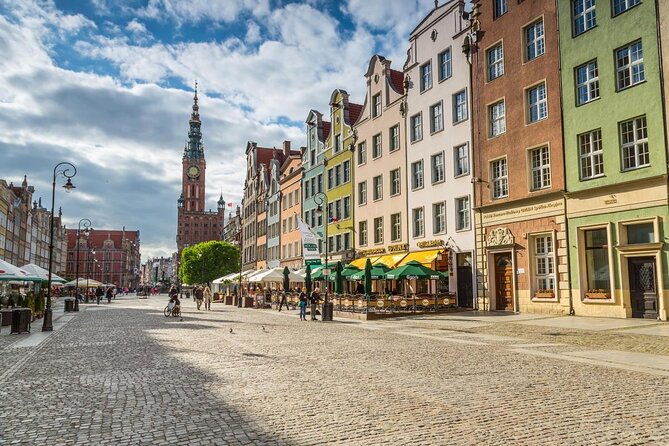
Many Gdansk tours focus on handsome facades, the waterfront, and the city’s medieval trade. Those are worthwhile, but they can leave out the political problem that made Gdansk so important in 1939.
This tour begins with the complicated relationship between Poland, Nazi Germany, and the Free City of Danzig during the interwar years. That background matters. Without it, Westerplatte can seem like only a battlefield and the Polish Post Office like only an old building. With it, you can better understand why small Polish outposts inside or near Danzig became early targets.
I appreciate that the route moves between large-scale events and personal places. Stutthof presents the machinery of Nazi persecution. Westerplatte shows the first military clash. The Polish Post Office brings the conflict into a civilian setting, while the Old Town reveals physical traces left in the city.
The private setting suits this subject. You can stop for clarification, ask about Polish perspectives, or spend a little longer at a place that catches your attention. A standard group outing often has to move on when the clock says so. Here, the guide has more room to respond to your interests, although the six-to-seven-hour schedule still puts a limit on how long you can linger.
More lunch stops in Gdansk:
- Malbork Castle and Westerplatte Tour with Lunch
★ 5.0 · 27 reviews - Gdansk: Malbork Castle & Westerplatte Tour with Local Lunch
★ 5.0 · 12 reviews - Krakow: Auschwitz-Birkenau Guided Tour with Pickup & Lunch
★ 4.5 · 9,800 reviews
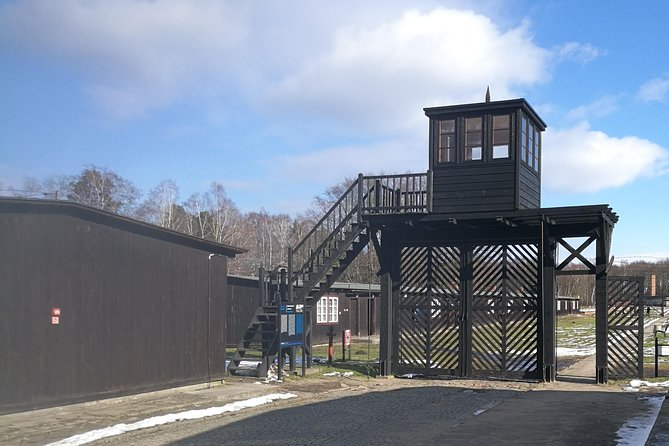
Stutthof: the serious center of the day
The drive from Gdansk to Stutthof takes about one hour by private minibus or minicoach. During that ride, your guide explains the political setting of the interwar period, including the relationship between Poland, Germany, and Danzig. That is a smart use of travel time, since the story begins before you reach the museum entrance.
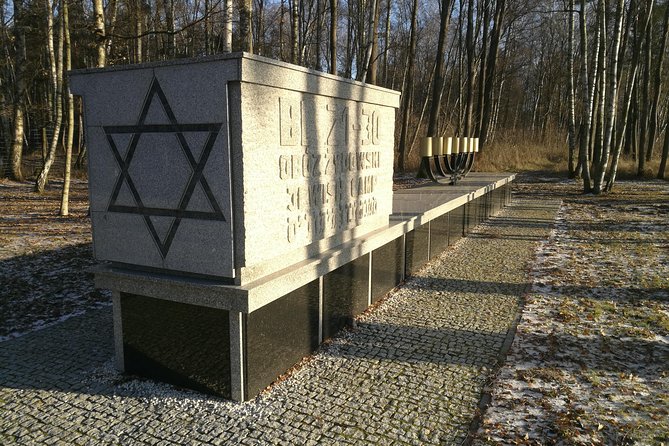
You then receive about two hours of guiding inside the Stutthof Concentration Camp Museum. Admission is included. The museum is the heaviest part of the day, and you should expect a serious, reflective visit rather than a light sightseeing stop.
A certified English-speaking guide leads this portion. That matters at Stutthof, where the setting itself can be difficult to interpret and the details carry real weight. A guide can explain what you are seeing and place the camp within the wider wartime story without leaving you to piece everything together from brief labels.
I would not rush this stop. It is the reason to book the tour if your main interest is World War II, Nazi occupation, or Polish wartime history. At the same time, the subject may feel emotionally demanding, particularly for children or anyone who prefers a lighter day.
The schedule gives Stutthof three hours in total, counting the transfer and guided museum time. That is enough for a meaningful visit, but not an exhaustive study of every display. If you want to read every panel or examine the museum at a research pace, a dedicated visit would give you more freedom.
Stegna Beach gives the day room to breathe
After Stutthof, the route turns toward Plaza Stegna, a Baltic Sea beach with golden sand. You have about an hour and a half here, including lunch and time by the shore. The meal is included, according to the tour details and guest accounts, so you do not need to arrange a separate lunch stop.
This pause is more useful than it may first sound. Stutthof is a demanding place, and a meal beside the sea creates a quiet gap before the tour returns to wartime Gdansk. It does not erase the seriousness of the morning, but it gives you space to reset.
The beach stop also adds a side of northern Poland that a city-only history tour would miss. You see the Baltic coast, breathe fresh air, and sit down before the next set of sites. If you enjoy mixing museums with open-air stops, this is one of the tour’s best choices.
Keep your expectations practical. Stegna is a lunch and beach break, not a long coastal holiday. The schedule allows roughly 90 minutes, and the private minibus then takes you back toward Gdansk. The appeal is the change of pace, not an extended beach stay.
Westerplatte marks the opening of the war
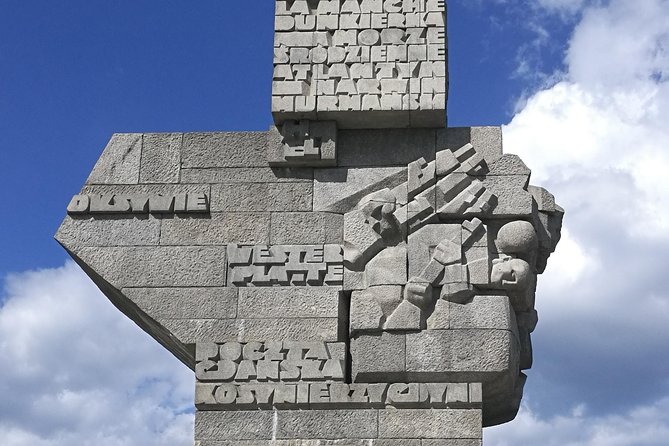
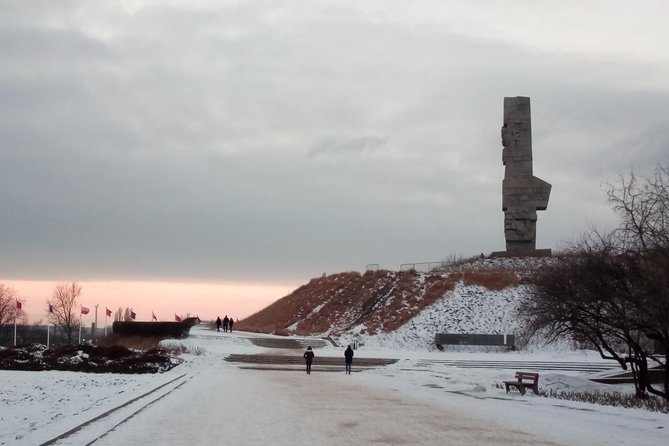
Westerplatte is the tour’s most direct link to the first fighting of World War II. From 1926 to 1939, this peninsula held the Polish Military Transit Depot, sanctioned within the territory of the Free City of Danzig.
On September 1, 1939, the German battleship Schleswig-Holstein opened fire on the Polish garrison without warning. The Polish defenders held out for seven days. Major Henryk Sucharski finally surrendered after ammunition and supplies ran low.
Your visit lasts about one hour, and admission is listed as free. The value here comes from the guide’s explanation and the chance to stand at the site rather than simply read its name in a city guide.
Westerplatte can feel spare compared with central Gdansk. That is part of its character. You are visiting a peninsula tied to a short but major battle, not a polished indoor museum filled with displays at every turn. Bring patience for an outdoor historical site and listen closely as the guide connects the remaining structures and memorials to the events of September 1939.
The private format is especially useful here because you can ask how the battle fits into the wider invasion of Poland. A good guide can also help you see why the site has such weight in Polish memory.
A few more Gdansk half days to consider
- Gdansk: City Cruise on Historical Polish Boat
★ 4.8 · 2,913 reviews - Gdańsk: Sunset Cruise on a Historic Polish Boat
★ 4.9 · 977 reviews - Gdańsk City Sights & History Guided Walking Tour in English
★ 4.8 · 876 reviews - Gdansk: Firearm Shooting Experience with Instructor
★ 4.8 · 866 reviews
The Polish Post Office brings the war into the city
The Museum of the Polish Post Office in Gdansk is another important early-war site. The building is connected to the defense of the Polish Post Office in Danzig, one of the first acts of World War II in Europe during the invasion of Poland.
The schedule allows about 30 minutes to look at the historic building and the monument to the defenders. That is a short stop, but it works well as part of a larger route through Gdansk. You see how the conflict reached beyond military depots and into an urban workplace.
Do not expect a long museum visit here based on the stated timing. The stop is mainly an exterior look and a concise explanation. If the subject captures your interest, note the location and consider returning on your own, but this tour keeps the focus on the wider wartime story.
This is also where the guide’s skill becomes important. With only half an hour, clear explanation matters more than a long list of dates. Maciej is repeatedly praised for making complex events understandable and for using pictures to help explain the past.
Old Town shows the scars beneath the familiar sights
The final part of the route examines World War II remains in Gdansk Old Town. The listed points include Victoria School, bunkers, and ruins from the 1940s, with about one hour set aside.
This stop helps correct the idea that wartime history sits only outside the city center. You can look at familiar streets and buildings while learning where the conflict left visible marks. The Old Town portion also gives the day a natural finish, bringing the story back to the place where you started.
The exact order of Old Town sights can vary because the tour is private. One detailed account also describes stops connected with the old synagogue, the Shakespeare Theatre, and the Kinder Transport Memorial. Those locations are not listed as guaranteed stops in the stated route, so treat them as possible additions rather than promises.
That flexibility is one of the tour’s strengths. Maciej is described as willing to adjust the schedule, and a private group can ask for more context at places that interest them. Still, the day already covers a lot of ground. You should not assume every extra site can be added without shortening another stop.
Maciej’s guiding style is part of the value
Maciej is the guide most often named in the supplied tour details. His strong English, clear explanations, friendly manner, and willingness to answer questions receive repeated praise. One family also found that he kept both younger adults and older adults involved in the discussion.
That is important for this subject. Gdansk’s wartime story involves shifting borders, competing national claims, military decisions, civilian resistance, and the Nazi occupation. A guide who simply recites dates can make the day feel like a school lesson. Maciej’s approach, as described, uses conversation, photographs, and stops at several locations to keep the story connected.
Another account praises his flexibility after he turned back toward Stegna Beach. That detail suggests the private setup can allow some adjustment when the group has a particular request, though you should confirm any special plan before departure.
The tour is offered in English. It is not presented as a multilingual experience, so English needs to be suitable for discussing serious historical material and asking questions.
Is $255.18 per person a fair price?
The listed price of $255.18 per person is high for a day in Gdansk, but this is not a basic transfer between three attractions. You are paying for a private experience lasting six to seven hours, hotel or port pickup, a private minibus or minicoach, an English-speaking guide, admission to Stutthof, and lunch by the Baltic Sea.
The value improves with a group. Four people splitting a private vehicle and guide receive far more personal attention than they would on a large coach excursion. Group discounts are also offered, which may help reduce the per-person cost.
For one person or a couple on a tight budget, the price deserves careful thought. You could potentially visit individual sites for less, but you would lose the single explanation connecting Danzig’s interwar politics, Stutthof, Westerplatte, the Polish Post Office, and Old Town.
I see this as a specialist day rather than a bargain tour. If World War II history is central to your time in Gdansk, the convenience and private guiding may justify the cost. If you mainly want a general introduction to the city, a less expensive city tour would be a better match.
Timing, pickup, and physical demands
Pickup is available from hotels in Gdansk and from the Port of Gdansk. The stated operating window for departures is 8:30 AM to 10:30 AM, Monday through Sunday. Since the day includes a one-hour transfer to Stutthof and several stops afterward, an early start will give you more breathing room.
The experience runs approximately six to seven hours. That estimate includes the Stutthof transfer, around two hours of museum guiding, lunch and beach time, the ride back to Gdansk, and the city stops. Exact timing may depend on traffic and how much discussion your group wants at each place.
A moderate level of physical fitness is advised. The tour includes outdoor areas at Westerplatte, Stegna Beach, and Old Town, along with time inside the museum. No special accessibility details are provided, so contact the provider before booking if you have mobility needs.
Confirmation is supplied at booking. The tour is private, so only your own group participates. You can cancel for a full refund up to 24 hours before the start time. Cancellations or changes inside that window are not refunded or accepted, and a minimum number of participants applies.
Who should book this Gdansk history day?
I would choose this tour if you want more than a quick photograph at Westerplatte. It suits:
- People with a strong interest in World War II and the invasion of Poland
- Those researching Polish family roots or Polish wartime history
- Small groups that prefer asking questions in a private vehicle
- Cruise passengers who want pickup from the Port of Gdansk
- Families with older children or young adults who can engage with difficult subjects
- Anyone who wants Stutthof included without arranging separate transport
I would hesitate if you want a relaxed beach day, a general city tour, or a very short outing. Stutthof is the core reason to book, and the subject can be painful. You should also allow enough energy for a full schedule that moves between the countryside, coast, peninsula, and city center.
Should you book it?
Book this private tour if you want a guided explanation of how World War II began in and around Gdansk, with Stutthof given proper time. The combination of private transport, lunch, English guiding, and several connected sites makes it a strong choice for history-focused groups.
Skip it if $255.18 per person feels too high or if you prefer to explore at your own pace. For everyone else, especially a family group or a party of four, the personal guide and clear structure can make the cost worthwhile. Ask about the day’s exact route when booking, particularly if you hope to include extra Old Town sites.
FAQ
How long does the private WW2 tour last?
The experience lasts approximately six to seven hours.
Where does the tour take place?
The tour begins in Gdansk and visits Stutthof Concentration Camp, Stegna Beach, Westerplatte, the Polish Post Office, and wartime sites in Gdansk Old Town.
Is hotel pickup available?
Yes. Pickup is available from all hotels in Gdansk.
Is pickup available from the Port of Gdansk?
Yes. Pickup from the Port of Gdansk is available.
What language is the tour offered in?
The tour is offered in English with an English-speaking guide.
Is the tour private?
Yes. Only your group participates in the activity.
Is admission to Stutthof included?
Yes. Admission to the Stutthof Concentration Camp Museum is included.
Is lunch included?
Yes. The tour includes lunch during the stop at Stegna Beach.
How much time is spent at Stutthof?
The schedule includes about one hour of transfer time to Stutthof and two hours of guiding inside the museum.
Can I cancel for a full refund?
Yes. You can cancel at least 24 hours before the experience begins for a full refund. Cancellations made less than 24 hours before the start time are not refunded.
Recently added in Gdansk
- Szymbark: Kashubian Switzerland 5-Hour Private Tour★ 3.7 · 3 reviews
- Segway Tour Gdańsk: Shipyard Tour – 1,5-Hour of Magic!★ 5.0 · 3 reviews
- Stutthof Concentration Camp and Museum of WWII: Private Tour★ 4.7 · 3 reviews
- Sopot Sunset Cruise with Welcome Drink★ 3.5 · 3 reviews
- Gdansk: Basic Bike Tour★ 4.3 · 3 reviews
- Gdansk: Bubble Football with Hotel Transfers★ 5.0 · 3 reviews
- Artus Court and Gdansk Old Town Private Tour with Tickets★ 4.7 · 3 reviews
- Gdansk: Oliwa Zoo with Tickets and Roundtrip Transportation★ 5.0 · 3 reviews
Lunch Experiences, compared.
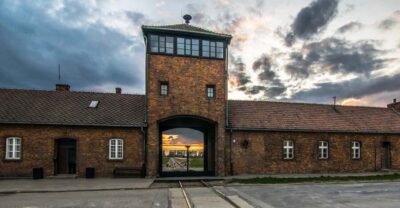
Auschwitz-Birkenau Guided Tour with Pickup & Lunch
Read our review →
Auschwitz Guided Tour with Pickup and Optional Lunch
Read our review →
Auschwitz-Birkenau & Wieliczka Salt Mine with Lunch
Read our review →
Zakopane Tour from Krakow with Transfers and Lunch Option
Read our review →
Auschwitz Small Group Tour from Warsaw with Lunch
Read our review →

Lunch or dinner at Hard Rock Cafe with Skip-the-Line
Read our review →
Where else this one turns up