
Reviewed · CITY TOURS
Main City in Gdańsk – tour in Polish
Gdańsk’s Main Town is a place where a short walk carries you through merchant wealth, war, dictatorship, and the fall of communism. This Polish-language tour connects major sights such as the Prison Tower, Great Armory, Artus Court, and Main Town Hall with the people and events that shaped the city.
I like the way this walk gives you a clear route through Gdańsk’s center, and I like its human storytelling, which can shift from a joke to a serious wartime episode without losing the thread. The main consideration is simple: this tour is in Polish, and its 150 minutes on foot may feel long in bad weather.
Key points to know before you book
- The route begins at the Golden Gate: Look for the guide with a yellow umbrella at Złota Brama.
- You see four major landmarks: The Prison Tower and Torture Chamber, Great Armory, Artus Court, and Main Town Hall anchor the walk.
- The city story covers many centuries: Trade, amber, the Free City of Danzig, World War II, Nazism, and the Solidarity movement all enter the picture.
- The tour is in Polish: Guides including Kasia, Klaudia, Marcin, and Małgorzata have led recent departures.
- The price works as a tip-based model: The $26 booking amount is treated as a guide tip through GetYourGuide, rather than a conventional fixed admission fee.
- You get flexibility: Cancellation is free up to 24 hours before the start, and you can reserve now and pay later.
Why Gdańsk makes a strong first walking tour
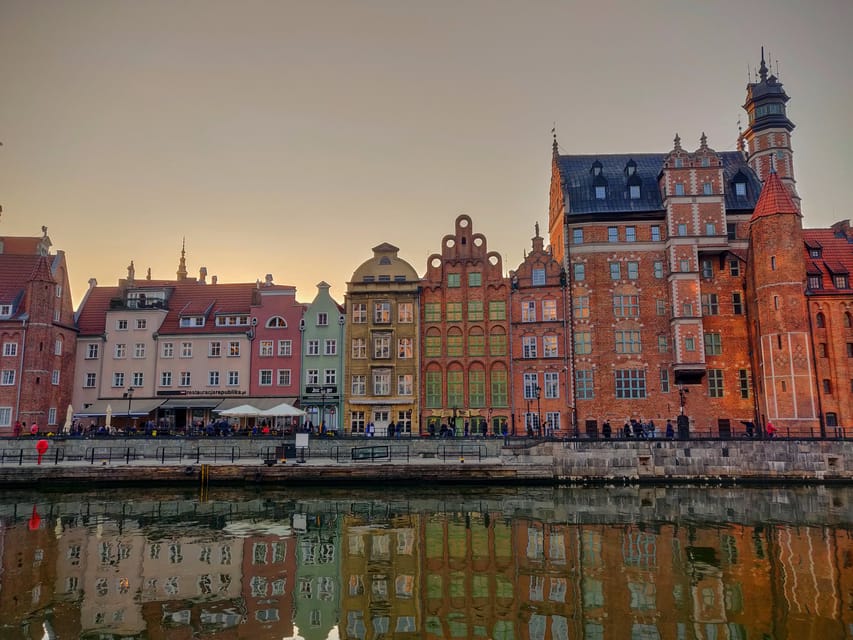
Gdańsk can seem like a pretty Baltic port until you learn how many identities it has carried. You may see the city named Gdańsk, Gdanzc, Dantzk, Dantzig, or Danzig, depending on the language and period being discussed. Those names reflect a city shaped by Polish, German, and wider European connections.
Wealthy merchants from many corners of Europe helped form the city’s character. They became known as Danzigers, or residents of Gdańsk, and their money helped build grand civic and commercial buildings. Gdańsk later became the largest port on the Baltic Sea, sending out grain, timber, and amber, known locally as the gold of the Baltic Sea.
I like this as an introduction because it keeps the city from becoming a row of handsome façades with no explanation. The buildings make more sense when you understand that trade paid for them, while the city’s changing political status explains why its identity can feel layered and sometimes contested.
The tour also puts famous names into the setting. Daniel Fahrenheit, Arthur Schopenhauer, and Günter Grass were born here. Napoleon called Gdańsk the key to everything when he created the first Free City of Danzig. That line may sound grand, but it points to the city’s real importance at the meeting point of northern European trade and politics.
A few more Gdansk half days to consider
- Gdansk: City Cruise on Historical Polish Boat
★ 4.8 · 2,913 reviews - Gdańsk: Sunset Cruise on a Historic Polish Boat
★ 4.9 · 977 reviews - Gdańsk City Sights & History Guided Walking Tour in English
★ 4.8 · 876 reviews
Meeting beneath the Golden Gate
The walk starts at the Golden Gate, or Złota Brama. This is a useful meeting place in the center, and the yellow umbrellas should make the group easy to spot. Arrive ready for a city walk rather than a museum tour, since the experience is built around moving through the streets and hearing the story in place.
The opening location also gives your guide a natural way to set the scene. Gdańsk’s center is not just an old quarter preserved for decoration. It reflects the city’s commercial power, its changing rulers, and the damage and rebuilding connected with the conflicts of the twentieth century.
The group’s tone can vary by guide. Kasia, known by the nickname Dynamit, has been praised for mixing humor with serious history. Klaudia is described as expressive and energetic, while Marcin’s style is more colorful and detailed. Małgorzata has handled large numbers of questions with clear, full answers. Guide assignments can change, so treat these names as examples of the team rather than a promise about your departure.
The Prison Tower and Torture Chamber
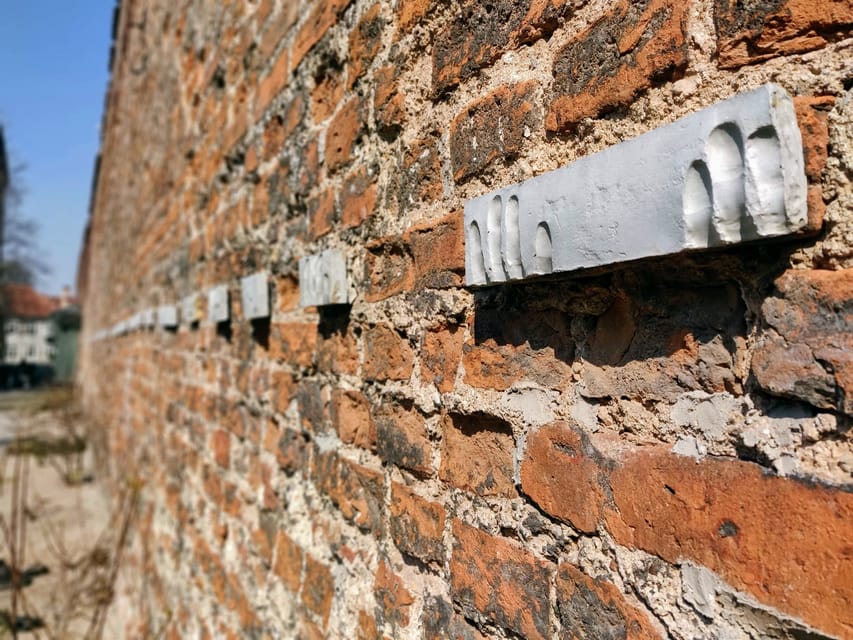
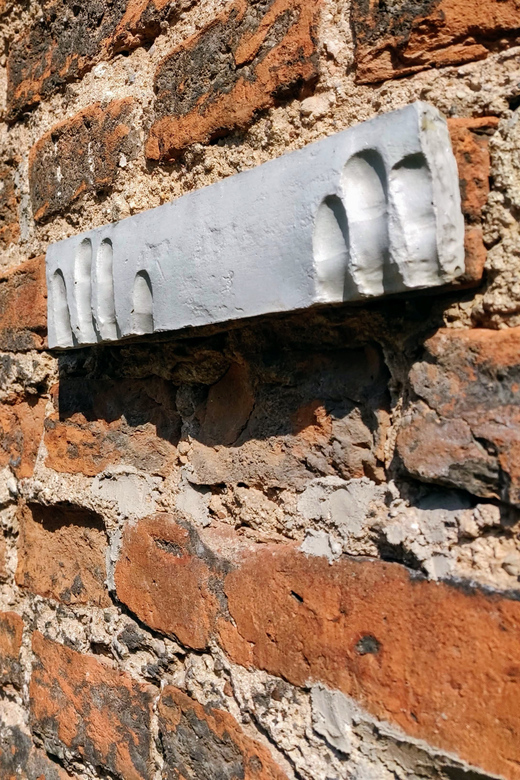
The Prison Tower and Torture Chamber give the walk a darker opening. This is not the soft, postcard version of Gdańsk. The site points to the city’s old system of justice and punishment, and it helps you see that impressive historic centers were also places where authorities controlled daily life with force.
Expect the guide to explain the function of the complex and its place in the city’s past. The value here is not just seeing heavy masonry or an old tower. It is the shift in mood. You begin to understand that Gdańsk’s prosperity existed alongside strict law, public punishment, and the unequal power of officials and wealthy citizens.
If you prefer only bright architecture and shopping streets, this stop may feel grim. I see that as a useful part of the route, since it gives the rest of the walk more contrast. The tour does not treat the city as a museum piece with every difficult subject brushed aside.
The Great Armory and the money behind the façades
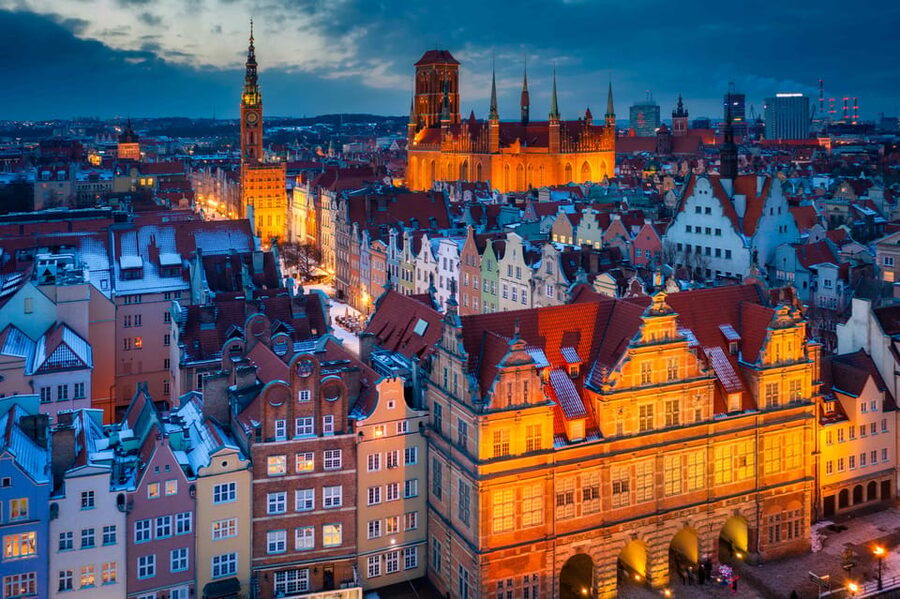
The Great Armory brings you back to the city’s public display of wealth and power. Its scale and decorative style reflect a place with money to spend and reasons to show it. Your guide can connect the building with Gdańsk’s merchant culture and the port economy that supplied grain, wood, and amber across the Baltic region.
Amber matters here because it is more than a souvenir. Gdańsk’s links with the material helped give the city a special place in Baltic trade. Calling amber the gold of the Baltic Sea captures its value, but the larger point is how natural resources, shipping, and skilled trade supported the city’s growth.
I like this stop for readers who want to understand why Gdańsk looks so grand. A quick solo walk may leave you thinking only that the building is ornate. With a guide, you get the practical question answered: who paid for this, and what did the city gain from its port?
The Great Armory also helps balance the Prison Tower. One shows punishment and authority. The other suggests civic pride, commercial success, and the wish to make an impression on anyone arriving in town.
A different kind of day in Gdansk:
- Gdansk: Firearm Shooting Experience with Instructor
★ 4.8 · 866 reviews - Gdansk: Guided Round-Trip Cruise to Westerplatte
★ 4.3 · 865 reviews - Gdańsk: Sightseeing EcoCruise around the Old Town of Gdansk
★ 4.6 · 719 reviews - Main Town Gdańsk Walking Tour
★ 5.0 · 644 reviews
Artus Court and the world of merchant Gdańsk
Artus Court is one of the route’s key stops, and it offers a direct look at the social world created by wealthy traders. The name refers to the legendary court of King Arthur, a model associated with fellowship, status, and elite company. In Gdańsk, the building became tied to merchant life and civic prestige.
Your guide’s explanation is especially useful here because Artus Court can be easy to admire without understanding. The building represents more than decoration. It shows how a commercial city’s leading people created places where business, social standing, and civic life met.
This is also a good place to listen for the small stories. Recent guides have been praised for adding anecdotes and curiosities rather than reciting dates alone. Klaudia, for example, is known for presenting each story with strong expression and steady contact with the group. That style matters in a place where the details can otherwise blur together.
The possible drawback is that a walking tour cannot give every interior or architectural detail equal time. If Artus Court is your main interest, you may want a separate visit focused on the building itself. This route uses it as one chapter in a much wider account of Gdańsk.
The Main Town Hall and the city’s public voice
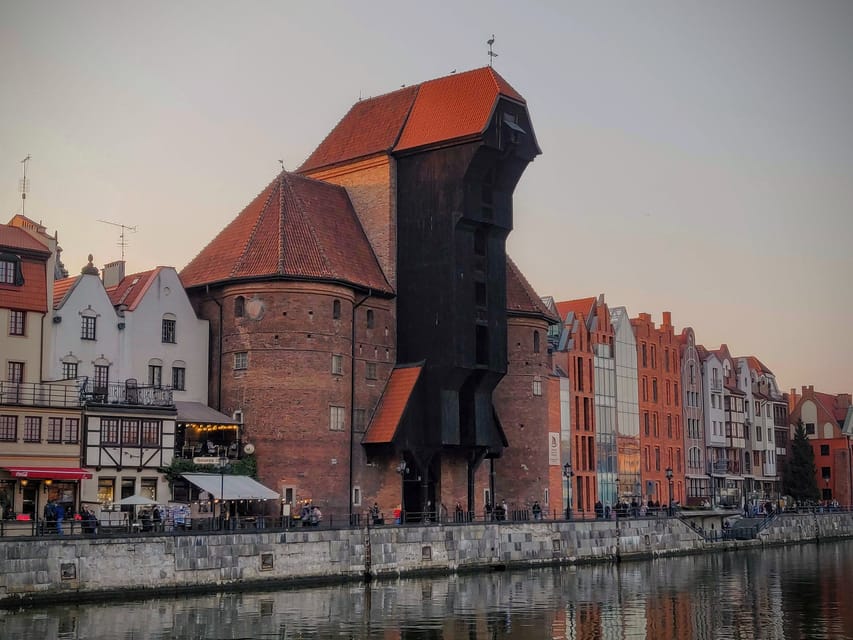
The Main Town Hall brings the story into the heart of civic power. Town halls tell you who ran the city, how public decisions were presented, and how merchants and officials wanted their authority seen. Here, the guide can tie together the money of the port, the status of Danzigers, and the city’s changing political position.
This stop also helps explain why Gdańsk’s history cannot be placed into one national box without care. The city has had strong Polish connections, German cultural and political ties, and periods with a special legal status. Napoleon’s Free City of Danzig is one example of how outside powers saw Gdańsk as a strategic prize.
The Main Town Hall is a useful point in the walk to pause and connect the earlier stops. The Prison Tower showed law and punishment. The Great Armory showed wealth and display. Artus Court showed merchant society. The Town Hall shows the civic structure that held these parts together.
From World War II to the end of communism
The most powerful part of this experience may be the way it carries the city’s story into the twentieth century. Gdańsk was made into one of the largest Nazi cities in Europe under Hitler, with the headquarters of the NSDAP there. One of the first armed clashes of World War II took place in the Free City of Gdańsk during the defense of the Polish Post Office.
These facts change how you read the streets. A pleasant center can hide a great deal of political violence, and the guide’s job is to put that violence into a clear local setting. You are not just hearing that World War II began in Europe. You are learning how Gdańsk’s special status and population made it a key point of conflict.
The story then moves to the shipyard workers’ strike led by Lech Wałęsa. That strike helped begin the end of communism in this part of Europe. Gdańsk is therefore linked not only with the start of war, but also with one of the movements that helped bring communist rule to an end.
I appreciate that the walk connects these events rather than treating them as unrelated facts. The city’s position as a port made it economically important. Its mixed identity made it politically sensitive. Its workers later turned that importance into pressure for change.
You should expect a serious section of the tour, but not a dry lecture. The strongest guide feedback points to a lively style that can move between humor and difficult subjects as the location demands. That mix helps keep a long historical account human.
Guide style, questions, and the Polish-language setting
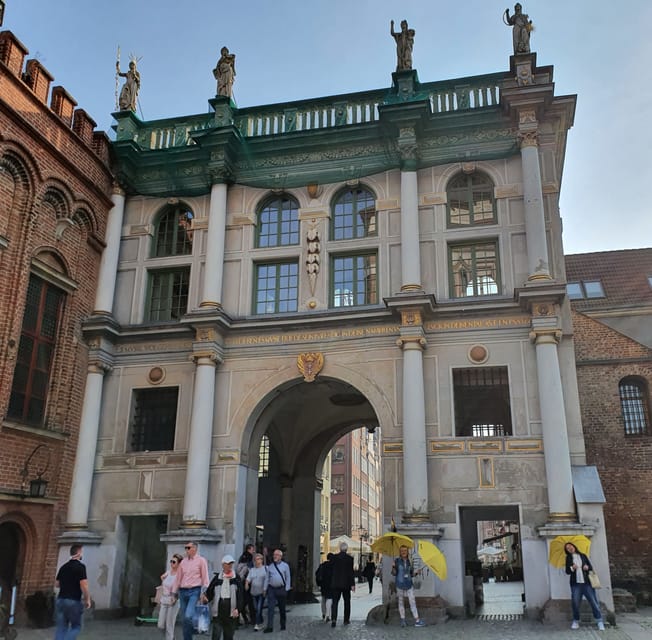
The guide makes a large difference on a tour like this. The strongest pattern in the available feedback is not one particular stop, but the quality of the explanations. Kasia has been praised for a fascinating account delivered with humor and seriousness. Marcin is known for clear, colorful, well-informed storytelling. Klaudia is described as expressive, positive, and highly engaged with the group.
Małgorzata’s winter departure is also a useful reminder that the guide will respond to questions. Even in snow and strong wind, she kept the history flowing and gave thorough answers to the group’s many questions. That matters if you like to ask about names, political changes, or the meaning of a building rather than simply follow along silently.
The tour is in Polish, so you should book it only if you are comfortable listening to Polish history and discussion for two and a half hours. The published rating is 5 out of 5 from 14 reviews, but the more useful point is the repeated praise for explanation, humor, passion, and contact with the group.
Is $26 a fair value?
The listed price is $26 per person, but the payment structure needs a close look. This operates on a pay what you see fit model, and the amount paid when reserving through GetYourGuide is treated as a tip for the guide.
That makes the value different from a standard fixed-price sightseeing tour. You are paying for the live guide and the organized walk, not for a package of admissions or transport. The included feature is the guided walk itself.
For 150 minutes, that is a solid amount of time if you want an orientation to central Gdańsk. You see several major landmarks and receive a connected account of the city rather than a quick list of photo stops. The value is strongest for first-time visitors who want the streets to make sense before exploring on their own.
It may be less useful if you already know Gdańsk well or want long visits inside individual buildings. This is a city overview with historical context, not a specialist architecture tour or a museum ticket.
Weather, comfort, and access
Plan for outdoor conditions. The walk lasts 150 minutes, and there is no indication that it is built around long indoor periods. Wear shoes suited to city streets and check the forecast before leaving. The January experience with snow and wind shows that poor weather can make the outing harder, even when the guide keeps the group engaged.
The tour is listed as wheelchair accessible, which is important for anyone planning a central walking route. Still, if you have specific mobility needs, it is sensible to confirm the practical route details at booking, since the data does not describe every surface or interior entrance.
Free cancellation up to 24 hours before the start gives you some protection if the forecast turns bad. The reserve-now-and-pay-later option also helps if your Gdańsk plans are still shifting. Starting times vary, so check availability for your date.
Who should book this Gdańsk walk?
I would choose this tour if you want the main sights tied to a readable story. It suits first-time visitors, Polish speakers, history-minded couples, and anyone who prefers a guide who can answer questions instead of handing over a list of dates.
It also works well for a short stay. In 150 minutes, you get a framework for the center, then you can return to Artus Court, the Main Town Hall, or another stop that catches your interest. The route helps you decide what deserves more of your own time.
I would think twice if you want a quiet, self-paced stroll, a tour in English, or a detailed interior visit at every landmark. The pace, Polish language, and outdoor format are central to the experience.
Should you book it?
Book this Walkative Tours experience if you want Gdańsk explained by a lively Polish-speaking guide and you are happy to spend 150 minutes walking through the city center. The combination of the Prison Tower, Great Armory, Artus Court, and Main Town Hall gives you the essential historic core, while the stories of amber, World War II, and Lech Wałęsa show why Gdańsk matters far beyond its pretty streets.
The best reason to go is the guide-led connection between places. The main reason to skip it is the language, or the weather if you are visiting in a cold, wet spell. For Polish speakers seeking a strong first look at the city, $26 as a guide tip is a reasonable way to get oriented.
FAQ
In what language is the tour conducted?
The live tour guide speaks Polish, and the activity information lists Polish as the available language.
Where does the tour meet?
The meeting point is the Golden Gate, known in Polish as Złota Brama. Look for the yellow umbrellas.
How long does the walk last?
The tour lasts 150 minutes, or two and a half hours.
Which sights are included?
The route includes the Prison Tower and Torture Chamber, the Great Armory, Artus Court, and the Main Town Hall in Gdańsk.
Is the tour wheelchair accessible?
Yes. The activity is listed as wheelchair accessible.
How does the payment model work?
The tour uses a pay what you see fit model. When you reserve through GetYourGuide, the payment is treated as a tip for the guide. You can cancel up to 24 hours before the tour for a full refund, and reserve now while paying later.
Recently added in Gdansk
- Szymbark: Kashubian Switzerland 5-Hour Private Tour★ 3.7 · 3 reviews
- Segway Tour Gdańsk: Shipyard Tour – 1,5-Hour of Magic!★ 5.0 · 3 reviews
- Stutthof Concentration Camp and Museum of WWII: Private Tour★ 4.7 · 3 reviews
- Sopot Sunset Cruise with Welcome Drink★ 3.5 · 3 reviews
- Gdansk: Basic Bike Tour★ 4.3 · 3 reviews
- Gdansk: Bubble Football with Hotel Transfers★ 5.0 · 3 reviews
- Artus Court and Gdansk Old Town Private Tour with Tickets★ 4.7 · 3 reviews
- Gdansk: Oliwa Zoo with Tickets and Roundtrip Transportation★ 5.0 · 3 reviews
City Tours, compared.
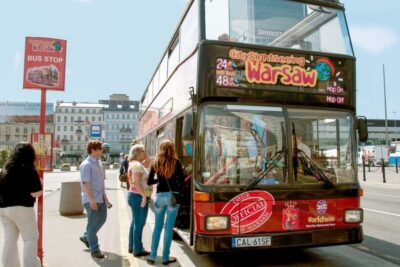


Gdańsk City Sights & History Guided Walking Tour in English
Read our review →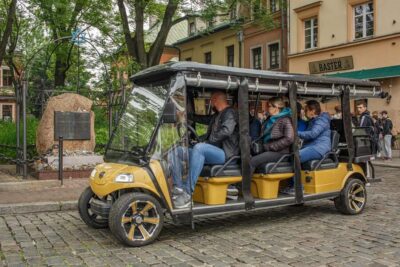
Extended City Sightseeing Tour – Eco Buggy Golf Cart
Read our review →
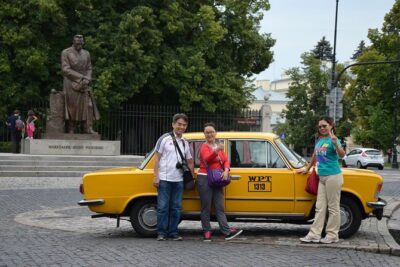
Private Tour: Warsaw City Sightseeing by Retro Fiat
Read our review →Where else this one turns up