
Reviewed · WAWEL CASTLE TOURS
Krakow: Wawel Castle & Cathedral Guided Tour
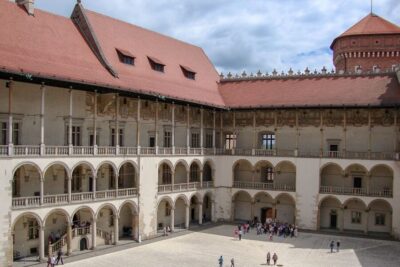
Wawel Castle and Cathedral give you Krakow’s clearest lesson in Polish power, faith, and art in one compact visit. You’ll move from royal chambers filled with paintings and Flemish wall hangings to a Gothic cathedral where monarchs were crowned, buried, and remembered.
I like that admission is included, which saves you from dealing with museum ticket lines, and I like the small-group format, even though the museum allows groups of up to 30. The guides can add far more meaning to objects that might otherwise look like old furniture and framed art.
The main thing to consider is the pace. Some guides speak quickly or quietly, and two hours leaves a lot of Polish history to absorb. If dates and royal family names lose you quickly, you may find the castle portion information-heavy.
Key points to know before booking
- Royal rooms and rare collections: See Renaissance and Baroque interiors, paintings, sculpture, porcelain, military pieces, Italian art, and Flemish wall hangings.
- A cathedral tied to Polish power: Visit the place of royal coronations, weddings, funerals, and national remembrance.
- The Sigismund Bell and crypts: Climb to the bell and descend below the cathedral to see royal and national tombs.
- A central meeting point: Meet at Piotr Skargi Monument on Saint Mary Magdalene Square, not on Wawel Hill.
- One language per group: Book the English departure if you want the tour conducted in English.
- Good value for a focused visit: The $59.26 price covers about two hours and admission to both main sites.
Why Wawel works so well as a first Krakow sight
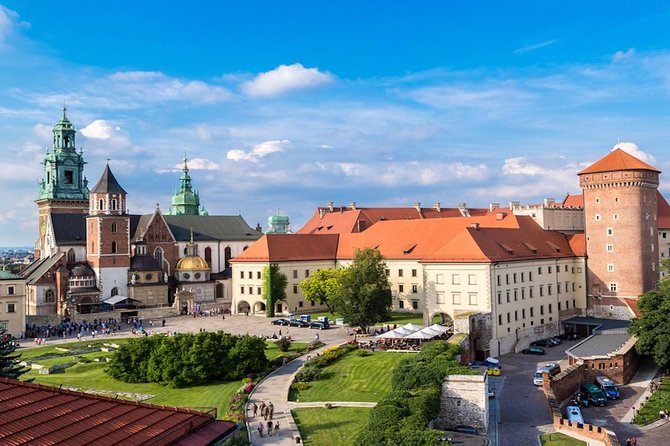
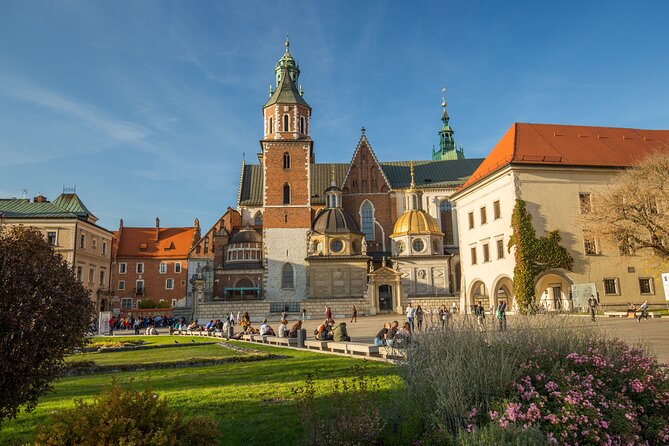
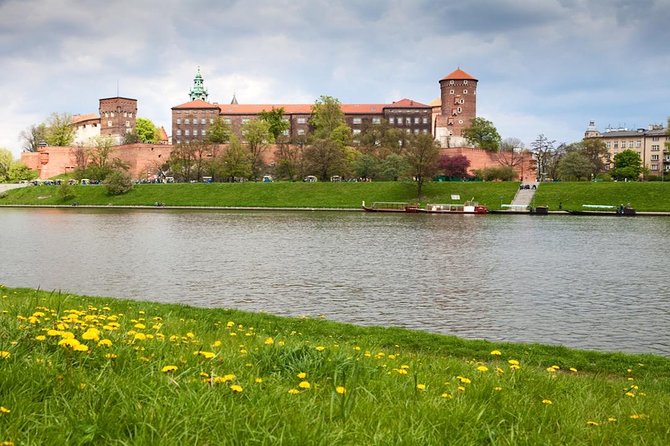
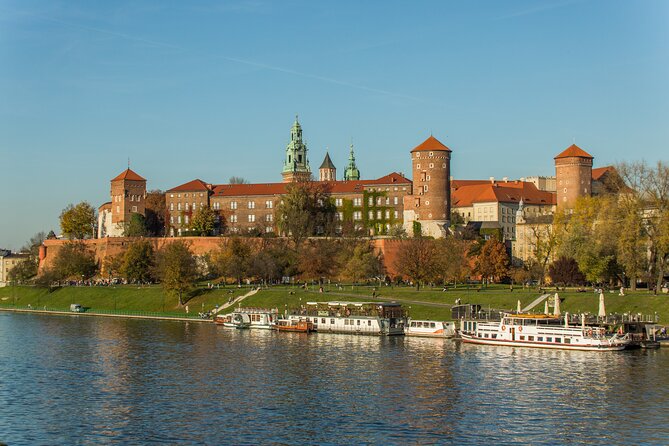
Wawel is more than an attractive castle on a hill. It was the home of Polish kings and the center of national life for centuries. The adjoining cathedral adds the religious side of that story, so the tour links government, ceremony, worship, and burial in a way few Krakow sights can match.
You are not simply walking through a grand building and then visiting a church next door. You are following the route of a nation’s rulers, from rooms used for court life to chapels where monarchs were crowned and a crypt holding kings, queens, poets, and national heroes.
That connection is the tour’s greatest strength. A guide can explain why a particular chapel mattered, why a ruler commissioned an object, or how the castle fits into Krakow’s place in Polish history. Without that context, the art can be lovely but disconnected.
The experience lasts about two hours. That is enough time for a strong introduction, but not enough for a slow, independent look at every object. You should treat this as a structured overview, not an exhaustive museum visit.
More Wawel Castle visits:
- Krakow: Wawel Castle & Cathedral Guided Tour
★ 4.7 · 2,111 reviews - Old Town Krakow & Wawel Castle Walking Tour
★ 5.0 · 1,508 reviews - Krakow: Wawel Royal Hill with Optional Castle and Cathedral
★ 4.2 · 1,220 reviews
Starting at Saint Mary Magdalene Square
The meeting point is at the Pomnik Piotra Skargi, on Saint Mary Magdalene Square. This matters because the start is not on Wawel Hill, and going straight to the castle can leave you searching for the group in the wrong place.
Arrive at least 10 minutes early. Once the group has left, latecomers cannot join, and the tickets are not refundable. This is especially important if you are fitting the tour between a train arrival, lunch, or another timed activity.
The meeting point is near public transportation and sits at the bottom of the hill. One useful feature of this location is that you can begin with the group before walking up toward the castle rather than trying to find a guide amid the buildings and visitor traffic on Wawel itself.
The exact meeting instructions on your voucher should be your guide. The location is specific, and even a small misunderstanding can cost you the entire tour.
Inside Wawel Castle’s state rooms
The first hour focuses on the Royal Castle, which became one of Poland’s major museums in 1930. The rooms combine palace decoration with objects that help explain how the court worked and what its rulers valued.
Expect Renaissance and Baroque interiors, paintings, sculpture, porcelain, furniture, and military items. The appeal is not just visual. The objects show how a royal residence served as a home, ceremonial setting, political office, and display of power.
The Flemish wall hangings commissioned by King Sigismund II Augustus are among the most memorable sights. They are large, detailed works made to fill palace interiors, and they give you a sense of how rulers used art to create an impressive setting for court life.
You will also see Italian Renaissance works from the Lanckoroński collection. These pieces bring a wider European connection to the castle. Poland’s royal court was not isolated, and the art reflects links with major artistic centers beyond the country.
Another unusual part of the collection is the Eastern art section. It includes the largest set of Ottoman tents in Europe, a detail that makes this visit different from a standard European palace tour. Military and diplomatic links often appear in museum collections as dry labels, but objects such as tents give that story a physical form.
I would pay close attention to how your guide handles the rooms. The strongest guides, including guides praised by name such as Helena and Ana, appear to connect the objects to political events and daily court life rather than simply reciting labels. That approach helps you remember the castle after the room names and dates begin to blur.
The castle can also feel demanding if the commentary comes too fast. One guide may provide a large amount of information in a short time, while another may pause more often and let you look. If you need a slower explanation, ask a question early rather than waiting until the end.
The cathedral’s royal ceremonies and chapels
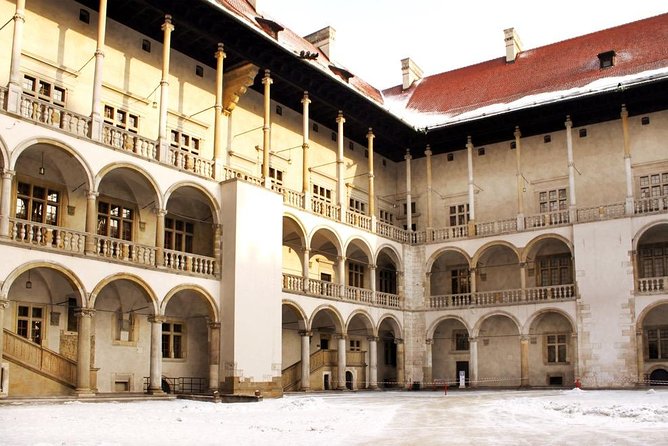
The second hour moves into Wawel Cathedral, a Gothic church closely tied to Poland’s monarchy. Its importance comes from what happened there: royal coronations, weddings, funerals, and major acts of national memory.
The cathedral is not simply an architectural stop after the castle. It changes the tone of the visit. The castle shows how rulers displayed authority, while the cathedral reveals how that authority was linked to religion, ceremony, and burial.
Your guide takes you through chapels and altars and explains the people connected with them. The interior can be visually busy, so the commentary helps you decide where to focus. Look at the layers of decoration and the way separate chapels create a series of smaller spaces inside the larger Gothic building.
The cathedral is also a place of worship, so dress with care. Shorts and sleeveless tops are not allowed in places of worship and selected museums. Both men and women need to cover their knees and shoulders.
This is one of the sections where a strong guide makes a major difference. The most useful explanations tie the building to specific Polish rulers and events, rather than turning the visit into a string of dates. Guides praised for their passion and personal connection to the subject can make the cathedral feel less like a monument and more like a place shaped by real people.
A few more Krakow half days to consider
- From Krakow: Auschwitz-Birkenau Guided Tour & Hotel Pickup
★ 4.5 · 33,358 reviews - From Krakow: Auschwitz-Birkenau Guided Tour & Hotel Pickup
★ 4.5 · 29,340 reviews - Krakow: Auschwitz Guided Tour with Optional Hotel Pickup
★ 4.5 · 15,280 reviews - Krakow–Zakopane: Cable Car, Chocholow Baths, Cheese & Vodka
★ 5.0 · 10,720 reviews
Reaching the Sigismund Bell
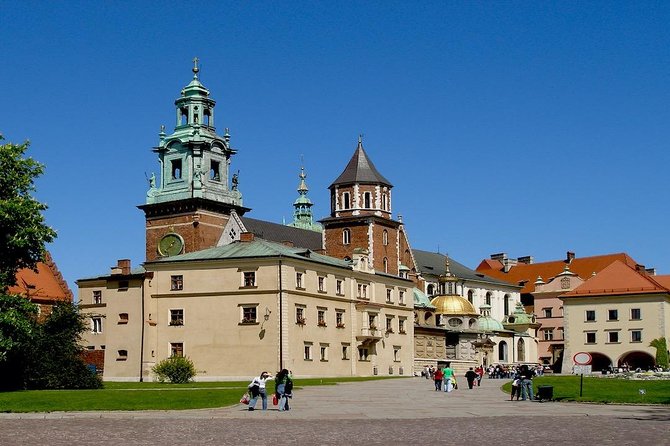
The Sigismund Bell is one of the tour’s most distinctive moments. Tradition says that touching it brings good luck, so you may see people reaching toward this celebrated object after climbing the tower.
The climb is not described as an easy stroll. One account calls it a somewhat awkward climb, though also part of the fun. If you dislike tight or difficult stairways, or if climbing is a concern for you, keep this in mind before booking.
The reward is a close look at a famous symbol of Wawel. The bell also gives the tour a physical change of pace after the rooms and chapels. You are no longer just looking at historic objects behind barriers. You are moving through the building and seeing one of its major features at close range.
There is an important practical wrinkle. One person found that after the guided cathedral visit ended outside, returning inside to climb the tower required another payment. The supplied tour details say cathedral admission is included, but the experience of tower access can depend on how the visit is handled. If the bell tower is a priority, ask your guide before the cathedral portion ends whether the tower visit is included in your specific departure and where the tour will finish.
That small question could prevent confusion and an unwanted extra charge.
Below the cathedral with Poland’s national figures
The crypts give the cathedral visit its strongest sense of continuity. Below the main church, you see the resting places of kings, queens, poets, and national heroes.
This section connects royal history with Poland’s wider national story. The people remembered here are not limited to monarchs. Poets and public figures also have a place in the country’s memory, showing how Polish identity has been shaped by culture and struggle as well as by dynastic power.
For many people, the crypts are the most affecting part of the tour. The rooms are quieter than the castle galleries, and the guide’s stories about power, devotion, and legacy carry more weight in a burial place.
The subject matter can also be intense. Polish history includes long periods of conflict and political hardship, and the cathedral helps explain why Wawel has such importance beyond its art and architecture. If you want only decorative rooms and pretty views, this portion may feel serious. If you want to understand why Krakow matters to Poland, it is essential.
How the guides shape the experience
This tour depends heavily on the individual guide. The best guides described for this experience are friendly, passionate, patient, and able to make complicated political history understandable. Helena was praised as an academic and historian, while Ana was singled out for keeping the group engaged and maintaining a comfortable pace.
That is useful information when setting expectations. You may receive a lively lesson that links rooms, rulers, and national events. You may also encounter a guide who gives too many dates or speaks quickly.
Several common problems are worth planning around:
- Fast speech: Some English-language commentary has been difficult to follow, especially in rooms with background noise.
- Low volume: One guide was said to speak too quietly, leading to a request for a microphone or headset.
- Information overload: The castle contains many rulers, collections, and political episodes, and a two-hour tour can pack them in.
- Group pacing: The guide must keep a group of up to 30 people moving through museum spaces, so you may not linger at every object.
- Questions: If you want to ask something, speak up when the guide pauses. Waiting until the next room may mean losing the chance.
If you use hearing aids or have trouble following speech, this is a point to take seriously. The experience has received praise for accessible pacing, but it has also produced a complaint from someone who became unwell because the guide did not adapt to hearing needs. The activity information says most people can participate, but it does not promise special audio equipment or a particular accessibility setup.
Is $59.26 a fair price?
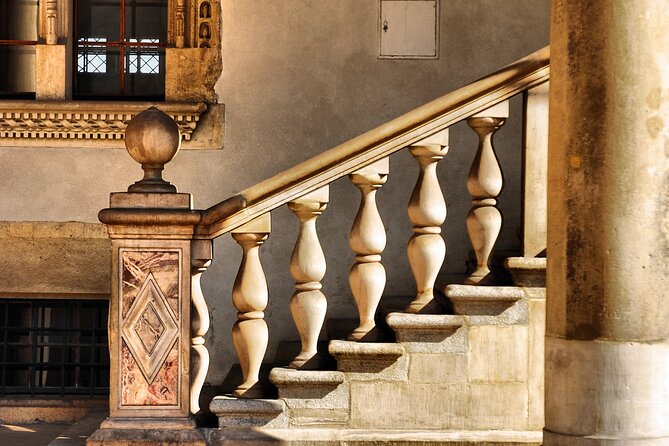
At $59.26 per person, this is not the cheapest way to see Wawel. The value depends on how much you want interpretation and how much time you have.
Admission to the castle and cathedral is included, and the guided format can save you from piecing together the story on your own. If you have only one visit to Wawel, a good guide can help you focus on the most important rooms and objects instead of wandering without a plan.
The price makes more sense for first-time visitors who want a historical framework. It is less appealing if you already know Polish royal history, prefer to read labels quietly, or want to spend a long time with individual paintings and wall hangings.
The maximum group size is 30, so do not expect a private tour. Still, it is smaller and more directed than simply following a large crowd through the rooms. The admission arrangements also reduce the risk of wasting part of your morning in a ticket line, though you still need to arrive on time at the correct meeting point.
The tour is offered in English, with each group conducted in one language selected at booking. That is helpful if you want a focused explanation rather than a multilingual presentation.
Planning your visit around the practical details
Wear clothing that covers your knees and shoulders. This rule applies to the cathedral and selected museum areas, and it is easier to dress appropriately from the start than to find a cover-up at the last minute.
Allow extra time to reach the meeting point. The group begins at Saint Mary Magdalene Square, not at the castle entrance. Arriving 10 minutes early is the official advice, but I would give yourself a little more time if you are unfamiliar with central Krakow.
The tour ends at Wawel Cathedral. If you want to continue exploring Wawel Hill afterward, this makes the location convenient. If you plan to visit the bell tower independently, confirm access before leaving the guided group, since one experience involved paying to reenter.
The cancellation rule is firm. You can receive a full refund if you cancel at least 24 hours before the start time. Changes or cancellations inside that window are not accepted, and missing the departure because of another activity running late can mean losing the full payment.
That rule matters for anyone booking several timed Krakow activities on the same day. Leave a proper buffer rather than trying to make two fixed appointments back to back.
Who should book this Wawel tour?
I would choose this tour if you are visiting Krakow for the first time and want the castle and cathedral explained together. It suits anyone who enjoys royal stories, religious art, national memory, and objects with a clear connection to political life.
It also works well for you if you have limited time. Two hours gives you a focused introduction to the main sites without taking an entire day.
Families and mixed-age groups may appreciate the structure, especially if wandering through museum rooms without context sounds tiring. The tour has been described as accessible for everyone, but the tower climb and the amount of standing and walking may still matter for your party.
I would think twice if you prefer a quiet, self-guided museum visit. The guide controls the pace, and the commentary can be dense. I would also be cautious if you have hearing difficulties unless you can confirm how the guide handles amplification and questions.
Should you book it?
Book this experience if you want the meaning behind Wawel, not just a look at its rooms and stonework. The combination of royal interiors, Flemish wall hangings, Italian Renaissance art, Ottoman tents, the Sigismund Bell, and the cathedral crypts covers a remarkable amount of Krakow in two hours.
The main risk is inconsistency in delivery. A patient guide such as Ana or a passionate historian such as Helena can make the visit memorable, while fast or quiet speech can make the same material hard to follow. Arrive early, dress for the cathedral, confirm the bell tower arrangements, and keep your schedule flexible.
For a first Wawel visit, I think the included admission and historical guidance make the $59.26 price reasonable. For a repeat visit or a careful art lover, an independent visit may give you more freedom. For most first-time visitors, this is a practical way to understand why Wawel remains the heart of Krakow’s national story.
FAQ
How long does the Wawel Castle and Cathedral tour last?
The tour lasts approximately two hours, with about one hour at Wawel Royal Castle and one hour at Wawel Cathedral.
What is included in the tour price?
Admission tickets to Wawel Royal Castle and Wawel Cathedral are included in the $59.26 per-person price.
Where does the tour meet?
The meeting point is at the Piotr Skarga Monument on Saint Mary Magdalene Square, 31-044 Krakow. It is not on Wawel Hill.
Where does the tour end?
The tour ends at Wawel Cathedral, Wawel, 31-001 Krakow.
Is the tour conducted in English?
Yes. English is one of the offered languages, and each group is conducted in one language selected at booking.
How large is the group?
The group can include a maximum of 30 participants, according to the museum’s group limit.
What should I wear for the visit?
Shorts and sleeveless tops are not allowed in places of worship and selected museums. Men and women must cover their knees and shoulders.
Recently added in Krakow
- Auschwitz-Birkenau and Krakow Private Car Trip from Katowice★ 4.3 · 3 reviews
- Wawel Castle, Old Town with St. Mary’s Church Guided Tour★ 5.0 · 3 reviews
- Wawel Castle, Cathedral, Rynek Underground Tour with Lunch★ 5.0 · 3 reviews
- From Krakow: Chocholow Thermal Hot Springs (hotel pick up)★ 5.0 · 3 reviews
- Private tour to Zakopane and Thermal Baths from Krakow★ 5.0 · 3 reviews
- Legends of Cracow ROBOTIC SHOW★ 4.0 · 3 reviews
- From Krakow: Zakopane and Thermal Pools Guided Trip★ 5.0 · 3 reviews
- Guided Beer Tour in Krakow★ 4.5 · 3 reviews
Wawel Castle Tours, compared.
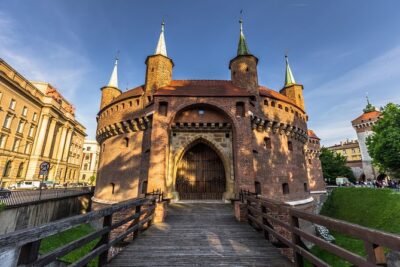
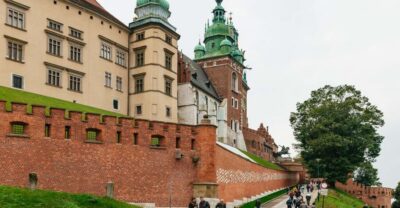
Wawel Royal Hill with Optional Castle and Cathedral
Read our review →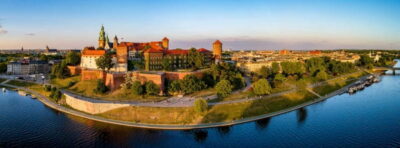
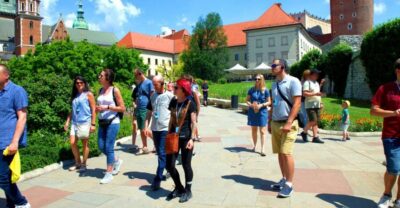
Skip-the-Line Wawel Castle Chambers Private Tour
Read our review →
Private Krakow City Tour, Krakow Old Town and Wawel Castle Tour
Read our review →
Krakow Guided Tour to Iconic Polish Royal Residence Wawel Castle
Read our review →Where else this one turns up