
Reviewed · FOOD & DRINK
Krakow: Street Food Walking Tour
Krakow’s street food tells its story one bite at a time. This 90-minute walk takes you from the Main Square to local food stops and a regional market, with tastes ranging from centuries-old obwarzanek to zapiekanka, pierogi, mountain cheese, sweets, and a Polish vodka shot.
I like the generous range of samples and the way guides such as Joanna, Olga, Alicja, and Mateusz connect each dish with Polish customs and Krakow’s past. I also like the small group limit of 15, which gives you room to ask questions and pick up useful restaurant tips.
The main drawback is the pace. Ninety minutes goes quickly, and some food stops can feel like a whistle-stop tour if you want time for photos or a leisurely meal. The tasting list also includes many common allergens, meat, dairy, and alcohol, so this is not a good fit for vegans or people with several food restrictions.
Key points at a glance
- Krakow’s signature bite: Try obwarzanek, the city’s traditional ring-shaped bread, before sampling more substantial Polish street food.
- A full tasting lineup: Expect zapiekanka, pierogi, pickles, kiełbasa, oscypek, bundz, sweets, and Polish alcohol.
- A market finish: The regional market adds local products and a chance to see where Krakow’s food culture meets everyday shopping.
- Food with context: Your guide links dishes, seasoning, traditions, and Polish history instead of simply handing you samples.
- Small-group feel: The maximum of 15 people allows conversation, though very small departures can feel almost private.
- Best for an early visit: Take this near the start of your stay so you can return to favorite stops and use the eating tips later.
Starting beneath Saint Mary’s Church
You meet in front of Saint Mary’s Church on Krakow’s Main Square. Look for the guide holding an excursions.city sign, and arrive 10 minutes early. This matters: once the group leaves, late arrivals cannot join and the ticket is not refundable.
The meeting point is easy to recognize, but the square can be busy, especially at popular times. Give yourself enough time to cross the square, locate the church entrance, and find the sign without a last-minute search.
From here, the tour uses Krakow’s city center as its dining room. The walk is not designed as a full sightseeing tour, but you will see central streets and hear stories about how food fits into Polish life. That makes the route useful for first-time visitors who want an introduction to the city without committing to a longer historical walk.
Guides lead the tour in English, French, or Italian. Your whole group uses one language, so choose carefully when you book. Past guides have included Joanna, Olga, Alicja, Anna, Carolina, Paulina, Mateusz, and others. The strongest pattern in the feedback is clear: the guide’s personality matters. The best guides keep the food moving while adding easy-to-follow stories and practical advice.
More Food Tours in Krakow
- Krakow: Zakopane, Thermal Springs, Cable Car, Local Tasting
★ 4.8 · 5,419 reviews - Krakow to Zakopane: Funicular, Tasting and Thermal Baths Day Trip
★ 5.0 · 1,189 reviews - Krakow Food Tasting Tour with Delicious Poland
★ 5.0 · 1,032 reviews
Obwarzanek, Krakow’s chewy calling card
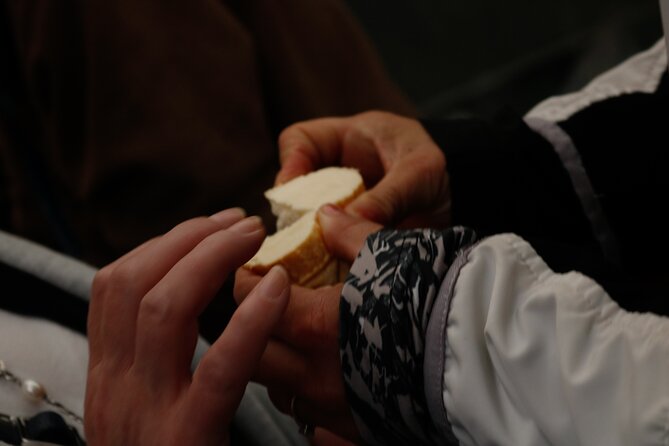
One of the first foods to look for is the Krakow obwarzanek. It is often compared to a bagel, but the texture and preparation are different enough to make the comparison only a starting point.
This ring-shaped bread has been part of Krakow’s food culture for centuries. You may see it sold from small street carts around the city, making it one of the most recognizable local snacks. It is simple, portable, and closely tied to daily life rather than restaurant dining.
I like beginning with obwarzanek because it gives you a useful lesson in Polish food culture. Not every important local dish is elaborate. Some of the best clues to a city come in inexpensive foods people eat on the way to work or while crossing a square.
The portion is also a sensible opening taste. You get a traditional Krakow specialty without filling up immediately, which leaves room for the rest of the route. If you particularly enjoy one of the foods, ask for a recipe or preparation details. The tour encourages questions, and that small exchange can turn a quick sample into something you can recreate at home.
Zapiekanka and the Polish street-food tradition
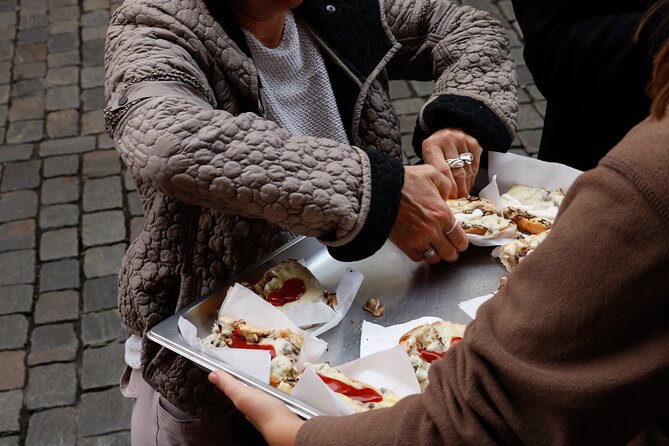
Next comes zapiekanka, a Polish open-faced baguette topped with savory ingredients. It is one of the more filling items on the tour and feels closer to fast food than the lighter bread and cheese samples.
Zapiekanka is useful for understanding how Polish street food balances convenience with familiar flavors. The basic format is straightforward, but the toppings give it character. You can expect a warm, substantial bite rather than a delicate tasting portion.
The stop also shows why a guided food walk can be better than ordering randomly. A menu may tell you what zapiekanka contains, but a guide can explain why it matters and how it fits into modern Polish eating habits. The tour is not only about finding a famous dish. It is about learning what locals reach for and why.
Be ready to keep walking after each sample. This is a tasting route, not a series of sit-down meals. If you want a full zapiekanka later, note the stop and return on your own.
Pierogi, pickles, and the flavors of Polish home cooking
Pierogi are the familiar star of Polish cuisine, and this tour gives you a chance to taste traditional dumplings without making them the entire focus. Their appeal is easy to understand: a soft wrapper, a savory or sweet filling, and a style that can vary from home kitchen to restaurant counter.
The tasting is especially useful if pierogi are new to you. You can compare the texture and seasoning with other foods on the walk. Polish cooking often relies on a clear set of pantry flavors, and the guide explains how seasoning differs from one country to another.
Pickled treats add a sharp contrast. Their tang cuts through richer foods such as sausage and cheese, and they show how preservation has shaped Polish food habits. Pickling is not just a garnish here. It is part of the country’s everyday flavor language.
This is one place where asking questions pays off. If you like a particular pickle or dumpling, ask how it is made or seasoned. The guide can also point you toward places to eat later, though the exact recommendations depend on your guide and the stops used that day.
More Walking Tours in Krakow
- Old Town Krakow & Wawel Castle Walking Tour
★ 5.0 · 1,508 reviews - Creepy Krakow: 2-Hour City Walking Tour
★ 4.7 · 1,131 reviews - Krakow: The Old Town Walking Tour
★ 4.8 · 794 reviews - Krakow: Kazimierz Jewish Quarter Walking Tour
★ 4.8 · 571 reviews
Kiełbasa and Polish mountain cheese
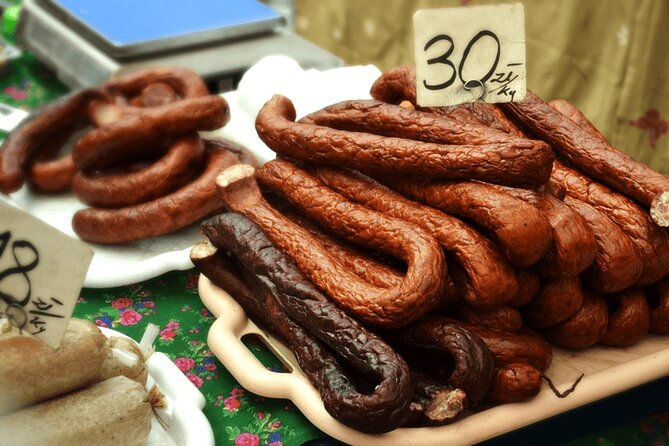
The sausage tasting brings a smoky, savory note to the route. Kiełbasa is one of Poland’s best-known foods, but the word covers many styles, so the sample gives you a useful first taste rather than a complete survey.
It also helps balance the route. After bread, dumplings, and pickles, sausage gives the tasting a stronger, meatier center. If you are planning to eat dinner after the tour, keep the portions in mind. Several samples together can be more filling than the 90-minute length suggests.
The cheese stop introduces oscypek and bundz, traditional highlander cheeses associated with southern Poland. Oscypek is the more famous of the two, with a firm texture and distinctive shape. Bundz offers another look at regional cheese making.
These samples are valuable because they widen the picture beyond Krakow’s streets. The tour takes place in the city center, but Polish food is shaped by regions as well as cities. Highland cheese brings the traditions of southern mountain communities into the Krakow tasting route.
The official food selection includes dairy, and the cheese is an important part of the experience. If you avoid milk products, this tour will be difficult to enjoy fully.
A sweet bite and a small Polish vodka
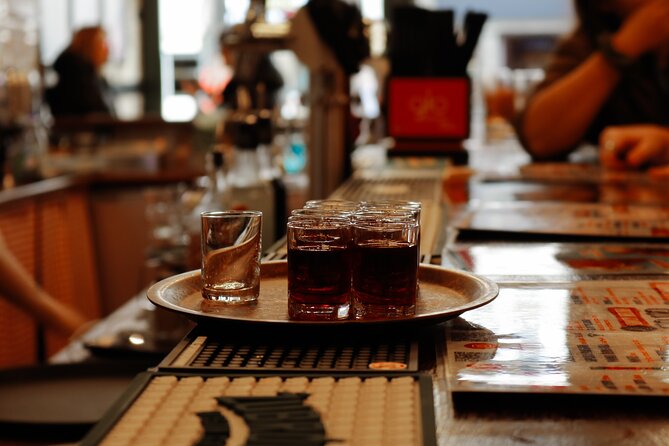
The final tastes include sweets and Polish alcohol. Some departures have included a homemade lemon vodka shot, and one stop has been in a bar that participants later returned to for a beer.
The alcohol tasting is presented as part of the food culture, not as a drinking tour. Still, it is worth taking seriously when planning. The experience is not suitable for anyone who avoids alcohol, and the listing specifically describes traditional Polish vodka as part of the full culinary experience.
The sweet course gives your palate a gentler finish. One food mentioned during the walk is a rose-flavored doughnut, a pleasant example of how Polish sweets can use floral flavors rather than relying only on chocolate or cream.
You can ask about recipes for the treats you like best. That is one of the more useful features of a food walk: you leave with ideas for what to seek out again, not just a quick taste that disappears as soon as you leave.
The regional market is more than a final stop
The market visit is often the most memorable part of the route because it adds variety and a sense of place. Instead of tasting only prepared street food, you can see regional products and learn about ingredients used in Polish cooking.
You may sample several items there, depending on the day and the food available. The market also gives you a chance to spot products you may want to buy later. This is where the tour shifts from eating a set menu to looking at the wider food culture.
I would pay close attention here, especially if you are staying in Krakow for several days. The market can help you identify foods to seek out on your own and gives you a better sense of what is sold locally. One participant found the market especially useful because it revealed a part of the city they had not encountered while sightseeing.
The drawback is that market conditions can vary. Exact samples are not guaranteed in the supplied details, and a short visit cannot cover every product. Treat it as a focused introduction rather than a full market tour.
Food stories make the short route worthwhile
The tour’s best feature is the link between eating and explanation. Guides talk about Polish food, local customs, seasoning, and the role meals play in society. They also add facts about Krakow and Poland, so you are not simply moving from snack to snack.
Joanna has been praised for connecting food stops with local history. Olga has been described as especially upbeat and well informed about Polish food and national culture. Alicja has combined city facts with tastings, while Mateusz has explained the traditions behind food and drink and offered useful eating advice.
That does not mean every departure will feel identical. The guide shapes the experience, and the route moves quickly. Still, the format gives you a good chance to ask questions and share impressions with the group.
The small-group limit is 15, but some departures have had only three people or even one person. A tiny group allows more conversation and can feel close to a private walk. A full group will have less room for individual questions, though the size remains modest compared with a large coach tour.
What the 90-minute length means
Ninety minutes is both the attraction and the limitation. You can fit the tour into a busy day, use it as a first activity in Krakow, and still have most of the day available for museums, churches, or another neighborhood.
The route includes multiple tastings, history, and a market, so the time is used efficiently. Several participants found the pace comfortable, while others wanted more time to explore or take photographs. Your experience may depend on the group, weather, and how long each food stop takes.
You should think of this as a compact orientation, not a leisurely afternoon of eating. Wear comfortable shoes, keep your camera ready, and do not expect long breaks at each stop. If you like fast-moving tours with plenty of variety, the length works well. If you prefer to sit down, study menus, and linger over each dish, you may find it too brief.
Rain does not necessarily spoil the walk, but poor weather can make a short outdoor route feel more hurried. The tour does not provide a separate accessibility option, and it is not suitable for wheelchair users.
Is $35 good value?
At $35 per person, the tour offers a useful bundle: a live guide, several local snacks, a market visit, cultural background, and alcohol and sweets included in the food lineup.
I consider that fair value if you would otherwise spend time and money guessing what to order. You get a broad first look at Polish food, and you can return to the places or dishes you prefer. The experience also reduces the risk of ordering one unfamiliar plate and missing the wider range of Krakow cooking.
Value depends on your appetite and expectations. This is not a full meal with a table, multiple drinks, and unlimited portions. It is a guided series of samples, and the exact quantity can vary by stop.
For many people, the best payoff comes after the tour. Write down the foods you like, ask where to eat later, and use the guide’s suggestions during the rest of your stay. One group returned to several stops after discovering favorites, which is exactly how a short tasting should work.
You can cancel up to 24 hours in advance for a full refund, and the reserve-now, pay-later option keeps your plans flexible. Those policies are useful if your Krakow schedule is still changing, but remember that late arrival is not covered.
Who should book this Krakow food walk?
I would choose this tour for a first visit, a short city break, or the opening morning of a longer stay. It gives you a quick grounding in local food and helps you decide what to order on later days.
It also suits curious eaters who enjoy talking with a guide. You will get more from it if you ask about ingredients, recipes, regional differences, and places to return to.
Vegetarians may be able to enjoy some of the selection. One departure worked well for a vegetarian, but the overall tasting includes sausage, dairy, eggs, wheat, and alcohol, so you should confirm what can be adapted before booking. It is not recommended for vegans or anyone with allergies or intolerances to gluten, wheat, dairy, eggs, meat, sesame, or nuts. Traces may be present.
I would skip it if you need a fully controlled menu, dislike walking between food stops, cannot drink alcohol, or want a long sit-down meal. It is also unsuitable for wheelchair users.
Should you book it?
Book this Krakow Street Food Walking Tour if you want a quick, friendly introduction to Polish eating, with enough history to make the samples meaningful. The combination of obwarzanek, zapiekanka, pierogi, pickles, kiełbasa, oscypek, bundz, sweets, vodka, and a market visit gives you a broad taste of the city for $35.
I would book it early in your stay and arrive at Saint Mary’s Church 10 minutes ahead of time. Go in expecting a brisk walk and tasting portions, not a slow lunch. For most first-time visitors who eat meat and dairy and want practical food advice, this is a smart use of 90 minutes.
FAQ
Where does the Krakow Street Food Walking Tour meet?
Meet in front of Saint Mary’s Church on Krakow’s Main Square. Your guide will hold an excursions.city sign.
How long does the tour last?
The tour lasts 90 minutes. Starting times vary, so check availability when booking.
How much does the tour cost?
The listed price is $35 per person.
Which foods are included?
The tasting includes obwarzanek, zapiekanka, pierogi, pickled treats, kiełbasa, oscypek, bundz, sweets, and Polish alcohol.
Is Polish vodka included?
Yes. Traditional Polish alcohol is included, and the food lineup may include a vodka shot.
Which languages are available?
The tour is offered in English, French, and Italian. Each group tour uses one language, selected at booking.
How many people can join?
The maximum group size is 15 participants. Some departures may be smaller.
Is the tour suitable for people with food allergies?
It is not recommended for people with allergies or intolerances to gluten, wheat, dairy, eggs, meat, sesame, or nuts. Offered foods may contain these ingredients or traces of them.
Can wheelchair users join?
No. The tour is not suitable for wheelchair users.
What happens if I arrive late?
You should arrive 10 minutes before the start. Once the group has left, latecomers cannot join and their tickets cannot be refunded.
Can I cancel my booking?
Yes. You can cancel up to 24 hours in advance for a full refund. You can also reserve now and pay later.
Recently added in Krakow
- Auschwitz-Birkenau and Krakow Private Car Trip from Katowice★ 4.3 · 3 reviews
- Wawel Castle, Old Town with St. Mary’s Church Guided Tour★ 5.0 · 3 reviews
- Wawel Castle, Cathedral, Rynek Underground Tour with Lunch★ 5.0 · 3 reviews
- From Krakow: Chocholow Thermal Hot Springs (hotel pick up)★ 5.0 · 3 reviews
- Private tour to Zakopane and Thermal Baths from Krakow★ 5.0 · 3 reviews
- Legends of Cracow ROBOTIC SHOW★ 4.0 · 3 reviews
- From Krakow: Zakopane and Thermal Pools Guided Trip★ 5.0 · 3 reviews
- Guided Beer Tour in Krakow★ 4.5 · 3 reviews
Food & Drink, compared.
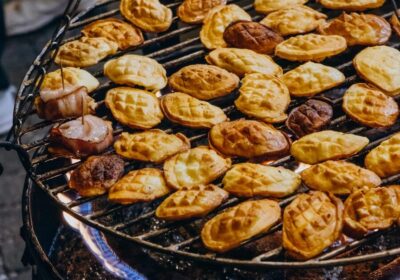
Zakopane, Thermal Springs, Cable Car, Local Tasting
Read our review →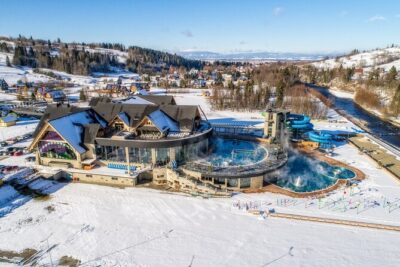
Krakow to Zakopane: Funicular, Tasting and Thermal Baths Day Trip
Read our review →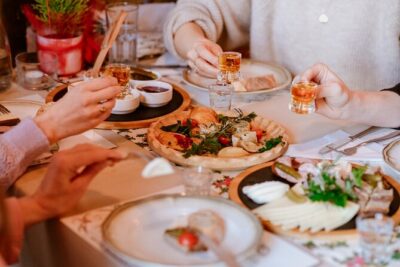
Krakow Food Tasting Tour with Delicious Poland
Read our review →
Warsaw’s No 1 cooking class-Polish dumplings with liqueur tasting
Read our review →
ZAKOPANE & THERMAL SPRINGS, Funicular, Cheese Tasting
Read our review →
Half-Day Polish Food Walking Tour with Guide and Dinner
Read our review →
Zakopane Tour with Cable Car, Tasting & Hotel Pickup
Read our review →Where else this one turns up