
Reviewed · FOOD & DRINK
Krakow: Street Food Walking Tour
Krakow’s best food stories often come in small portions: a chewy obwarzanek, a hot zapiekanka, a pierogi sampled at an old market, or a sip of Polish vodka. This 90-minute walk links those bites with the streets and traditions of the city center, so you get more than a quick snack stop.
I like the way the tour combines familiar Polish classics with market food, especially the visit to Stary Kleparz, one of Krakow’s oldest markets. I also like that guides such as Kinga bring in stories about local customs, mushrooms, and the connection between food and Krakow’s past. The main caution is that the tour is not suitable for wheelchair users, and the food is a poor fit for many allergy or intolerance concerns.
Key points at a glance
- Obwarzanek starts the Polish food lesson: Try Krakow’s traditional ring-shaped bread, a local staple with centuries of history.
- Stary Kleparz adds a real market setting: Sample pierogi and regional products where locals shop for food.
- The tasting list is broad: Expect zapiekanka, pickles, kiełbasa, cured meats, sweets, and Polish alcohol.
- Food and city history are linked: Your guide explains how ingredients, customs, and Krakow’s past fit together.
- Small-group potential is a plus: One recent group had six people, which made questions and conversation easy.
- Plan around dietary limits: Gluten, wheat, dairy, eggs, meat, sesame, and nuts may appear in the food or leave traces.
Starting by Saint Mary’s Church
You meet in Krakow’s Main Market Square, in front of Saint Mary’s Church. Look for the guide holding a Food Tour sign. This is an easy place to reach in the center, but the square can be crowded, so give yourself enough time to find the sign rather than arriving at the last minute.
The meeting point also sets the tone. You begin beside one of Krakow’s most recognizable churches, in the middle of the city’s grandest public space, then move into everyday food culture. That change from postcard Krakow to ordinary eating places is one of the tour’s strengths.
Your guide leads in English, Italian, or French. The quality of the guiding matters here because the food portions are small. A good explanation turns a bite of bread or sausage into something you remember. Kinga received especially strong praise for being friendly, funny, and clear, while one less satisfied customer felt that a different guide did not know enough to answer questions. That is a fair reminder that the guide can shape the day.
More Food Tours in Krakow
- Krakow: Zakopane, Thermal Springs, Cable Car, Local Tasting
★ 4.8 · 5,419 reviews - Krakow to Zakopane: Funicular, Tasting and Thermal Baths Day Trip
★ 5.0 · 1,189 reviews - Krakow Food Tasting Tour with Delicious Poland
★ 5.0 · 1,032 reviews
Obwarzanek, Krakow’s own ring-shaped snack
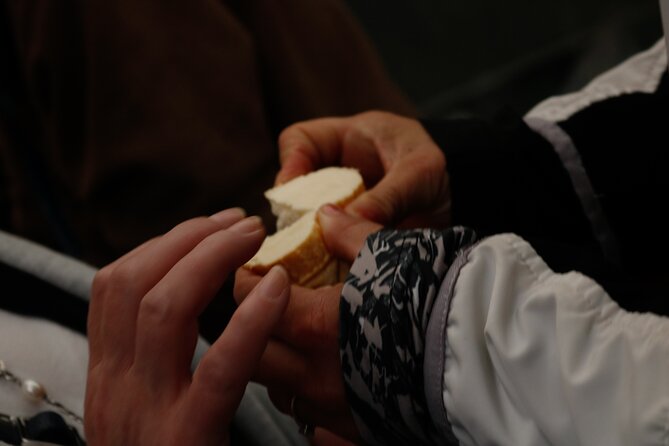
The obwarzanek is a natural first taste. It looks a little like a bagel, but it has its own Krakow identity and traditional preparation. The outside is chewy and the form is simple, making it an easy snack to eat while walking.
This is not a fancy dish, and that is exactly the point. Polish food culture is often built around practical foods sold to ordinary people: bread, dumplings, sausages, preserved vegetables, and sweets. The obwarzanek gives you a quick introduction to that style of eating.
You may also find it useful as a reference point for the rest of your Krakow visit. If you enjoy it, you will recognize the snack around the city and know what you are looking at when you see it sold elsewhere. One guest specifically wished the tour had been taken on the first day, since the stops later made good places to return for meals and shopping. I agree with that timing tip.
Zapiekanka and the appeal of Polish street food
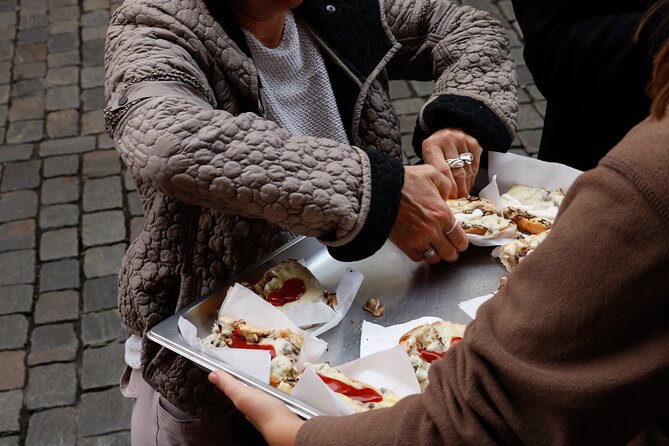
Zapiekanka is one of Poland’s classic street foods. It is an open-faced baguette covered with toppings and served hot. Compared with the obwarzanek, it feels more like a small meal, with a crisp base and savory ingredients layered on top.
This stop helps explain why a food walk works better than simply ordering dinner at a restaurant. You get a taste of a dish, hear what makes it familiar to Polish diners, and move on before one item fills you up. The portions are meant to build a broad picture rather than replace a full meal.
The supplied information does not name a particular zapiekanka stand or list every topping, so you should not expect a fixed choice based on personal preference. Still, the dish is a useful part of the route because it represents casual Polish eating and gives you a different texture from the bread, dumplings, and preserved foods later in the walk.
Pierogi at Stary Kleparz
The visit to Stary Kleparz is the most distinctive part of the route. This is one of Krakow’s oldest markets, and it gives the food tasting a more local setting than a standard restaurant table. Here you taste pierogi, the dumplings that have become one of Poland’s best-known dishes.
Pierogi can be filled in many ways, but the supplied tour details do not promise a specific filling. That uncertainty is worth keeping in mind if you have a strong preference or a strict diet. Ask the guide about ingredients before tasting, especially because dairy, eggs, meat, wheat, and other allergens may be involved.
The market stop also gives you a chance to look beyond the sample itself. Regional foods, pickled products, cured meats, and other items may be available around you. The tour is designed to help you spot foods you might want to buy or seek out later, which adds practical value for anyone staying in Krakow for more than a day.
Stary Kleparz is not presented as a polished food hall. That is part of its appeal. You get a setting connected to daily shopping, and the surroundings help you understand food as part of local life rather than as a performance prepared only for visitors.
More Walking Tours in Krakow
- Old Town Krakow & Wawel Castle Walking Tour
★ 5.0 · 1,508 reviews - Creepy Krakow: 2-Hour City Walking Tour
★ 4.7 · 1,131 reviews - Krakow: The Old Town Walking Tour
★ 4.8 · 794 reviews - Krakow: Kazimierz Jewish Quarter Walking Tour
★ 4.8 · 571 reviews
Pickles, kiełbasa, and the Polish pantry
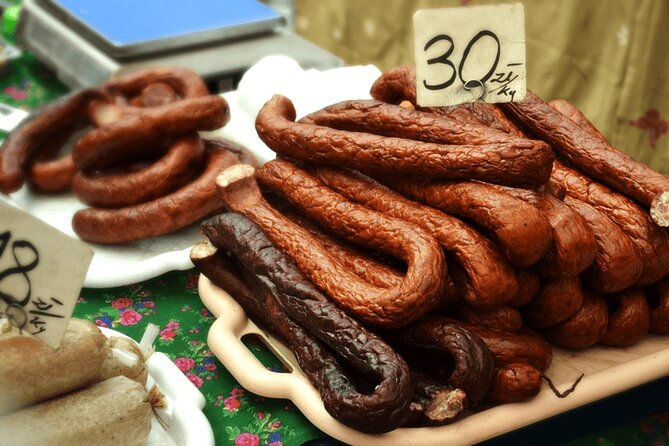
The tasting continues with pickled treats, cured meats, and sausages, including kiełbasa. These foods show a different side of Polish cooking. Pickling preserves vegetables and adds a sharp, sour bite, while cured meats and sausage bring salt, smoke, and spice.
I find this section useful because it explains why Polish food can taste so direct. Many traditional foods were designed to last, travel, and feed people through cold seasons. Even without a long lecture, the contrast between fresh bread, warm zapiekanka, dumplings, pickles, and sausage gives you a better sense of the country’s everyday pantry.
Kiełbasa is a broad category rather than one single recipe, and the exact sausage served can vary. The important thing for you is to expect meat-based food, not a vegetarian tasting. The same applies to the cured products. If you do not eat meat, much of the included selection may be off limits.
The market setting makes these samples more useful than an isolated tasting plate. You can see the type of food that appears in Polish shopping and think about what you might order or purchase later. Just remember that the tour lasts only 90 minutes, so the market visit is an introduction, not a long period for independent browsing.
Traditional sweets and a taste of Polish spirits
Traditional sweets round out the food selection. The details do not specify which desserts you will receive, so think of this as a chance to try an iconic Polish sweet rather than a guaranteed particular pastry. This part gives the route a welcome finish after the salty and sour foods.
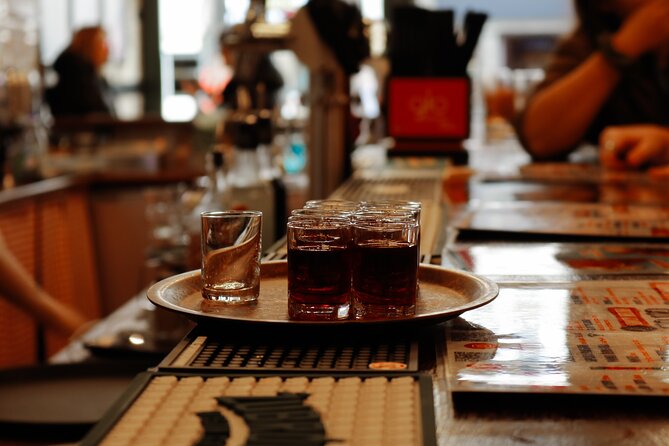
Polish alcohol is also included, with traditional spirits described as part of the full culinary experience. The listing does not specify the drink, serving size, or number of samples. You should therefore expect a taste, not a drinking session.
The alcohol matters culturally as well as gastronomically. A small spirit sample can open a conversation about how drinks fit into Polish meals and social customs. If you do not drink, have health concerns, or simply prefer not to participate, confirm the available alternatives with the guide before booking, since the tour advertises Polish alcohol as one of its tastings.
Because sweets and spirits can contain or accompany common allergens, ask questions before trying them. The food warning includes dairy, eggs, nuts, sesame, wheat, and gluten, among other ingredients.
The stories connecting Krakow, food, and forests
The walk is not only a list of snacks. The guide also provides background about Krakow and Poland, using food as the thread. One memorable topic from the tour was the importance of mushrooms in Poland. That detail can make later visits to Polish forests and markets more meaningful because it connects the natural world with the food on the table.
This kind of explanation is where a guide earns the fee. You can buy a zapiekanka without help, but you cannot get the same context from a menu. A strong guide points out why a dish matters, answers questions, and helps you notice details that would otherwise pass quickly.
The feedback about guiding is mixed, so keep your expectations sensible. Kinga was singled out as both entertaining and informative, with clear links between Krakow’s past, Polish food, and drink. Another person felt that a different guide had limited knowledge compared with a free city walk taken the day before. The high overall score suggests the tour usually delivers well, but the individual guide remains an important variable.
Is $35 good value for 90 minutes?
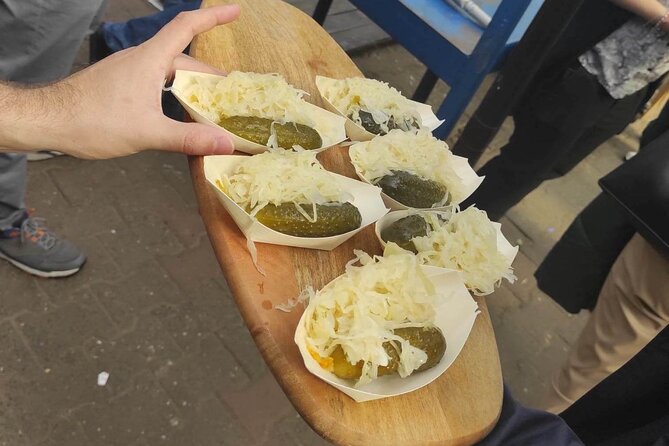
At $35 per person, this is not the cheapest way to eat in Krakow. You could buy individual street foods for less, especially if you already know where to go. The value comes from the combination of several tastings, a live guide, a market visit, and cultural context in a compact 90-minute route.
For a first visit, I think the price can make sense. You sample foods from several parts of Polish cuisine without committing to full meals, and you leave with ideas for where to eat or shop afterward. The tour also saves you from guessing what an unfamiliar food is or ordering a large portion you may not enjoy.
The value is weaker if you are already an expert on Polish food, have a very restricted diet, or want a long, leisurely meal. The tastings are the focus, not a sit-down lunch. You should also remember that the cost does not necessarily include enough food to replace a meal, so budget for another meal afterward.
One practical advantage is the flexible booking policy. You can reserve and pay later, and cancellation is free up to 24 hours before the tour for a full refund. That helps if your Krakow schedule is still changing.
Who will enjoy this Krakow food walk?
I would choose this tour early in a Krakow visit. The food introductions help you recognize local dishes, and the market stop may point you toward places to revisit. Taking it on the first day also gives you time to use the advice during the rest of your stay.
It suits curious eaters who want a broad sample rather than one large restaurant meal. Families with adult children, couples, and small groups should find the format easy to manage. A recent group of six had enough room for questions and conversation, though group size can vary.
The tour is also a good match for anyone who likes food with a story. You will hear about traditional snacks, Polish customs, local products, and the way history connects with eating. If you want only a fast list of famous dishes, some of the explanations may feel less important.
I would not recommend it for wheelchair users because the activity is specifically marked as unsuitable. It is also a poor choice for people with allergies or intolerances to gluten, wheat, dairy, eggs, meat, sesame, or nuts, since many foods may contain these ingredients or traces of them.
Book this tour or eat independently?
Book it if you are new to Krakow, enjoy trying several small foods, and want a guide to explain what you are tasting. The strongest reasons are the mix of traditional snacks, the stop at Stary Kleparz, and the chance to learn how food connects with Polish culture.
Choose another plan if you need careful allergen control, cannot walk comfortably, avoid meat and alcohol, or prefer a full restaurant meal. Also consider the guide factor: the best experience depends on getting someone as engaging and well prepared as Kinga, while one less successful tour had weaker answers.
For most first-time visitors who can eat the included foods, the 90-minute route is a sensible introduction. Schedule it near the beginning of your stay, bring an appetite rather than expecting a full lunch, and write down the foods and market places you want to revisit.
FAQ
Where does the Krakow street food tour meet?
Meet in Krakow’s Main Market Square in front of Saint Mary’s Church, also called Kościół Mariacki. Your guide will hold a Food Tour sign.
How long does the tour last?
The walking tour lasts 90 minutes.
What languages are available?
The live guide conducts the tour in English, Italian, or French.
What foods are included?
The tastings include obwarzanek, zapiekanka, pierogi, Polish alcohol, pickled treats, cured meats and sausages including kiełbasa, and traditional sweets.
Does the tour visit a market?
Yes. The route includes Stary Kleparz, described as the oldest market in Krakow, where you taste traditional pierogi and see regional products.
Is Polish alcohol included?
Yes. Polish alcohol is listed as one of the tastings. The specific spirit, serving size, and number of samples are not stated.
Is the tour suitable for people with food allergies?
It is not recommended for people with allergies or intolerances to gluten, wheat, dairy, eggs, meat, sesame, or nuts. Many offered foods may contain these ingredients or traces of them.
Is the activity suitable for wheelchair users?
No. The tour is listed as unsuitable for wheelchair users.
How much does the tour cost?
The price is $35 per person. You can reserve now and pay later, and cancel up to 24 hours in advance for a full refund.
Recently added in Krakow
- Auschwitz-Birkenau and Krakow Private Car Trip from Katowice★ 4.3 · 3 reviews
- Wawel Castle, Old Town with St. Mary’s Church Guided Tour★ 5.0 · 3 reviews
- Wawel Castle, Cathedral, Rynek Underground Tour with Lunch★ 5.0 · 3 reviews
- From Krakow: Chocholow Thermal Hot Springs (hotel pick up)★ 5.0 · 3 reviews
- Private tour to Zakopane and Thermal Baths from Krakow★ 5.0 · 3 reviews
- Legends of Cracow ROBOTIC SHOW★ 4.0 · 3 reviews
- From Krakow: Zakopane and Thermal Pools Guided Trip★ 5.0 · 3 reviews
- Guided Beer Tour in Krakow★ 4.5 · 3 reviews
Food & Drink, compared.
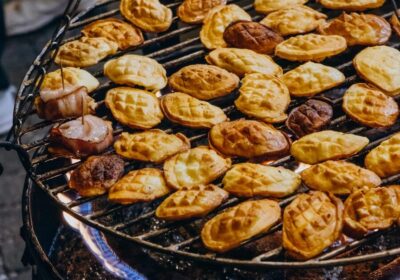
Zakopane, Thermal Springs, Cable Car, Local Tasting
Read our review →
Krakow to Zakopane: Funicular, Tasting and Thermal Baths Day Trip
Read our review →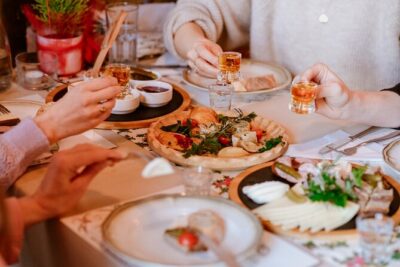
Krakow Food Tasting Tour with Delicious Poland
Read our review →
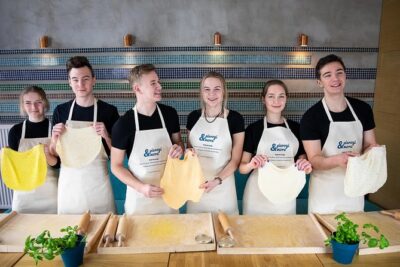
Warsaw’s No 1 cooking class-Polish dumplings with liqueur tasting
Read our review →
ZAKOPANE & THERMAL SPRINGS, Funicular, Cheese Tasting
Read our review →
Half-Day Polish Food Walking Tour with Guide and Dinner
Read our review →
Zakopane Tour with Cable Car, Tasting & Hotel Pickup
Read our review →Where else this one turns up