
Reviewed · WIELICZKA SALT MINE TOURS
From Krakow: Wieliczka Salt Mine Tour
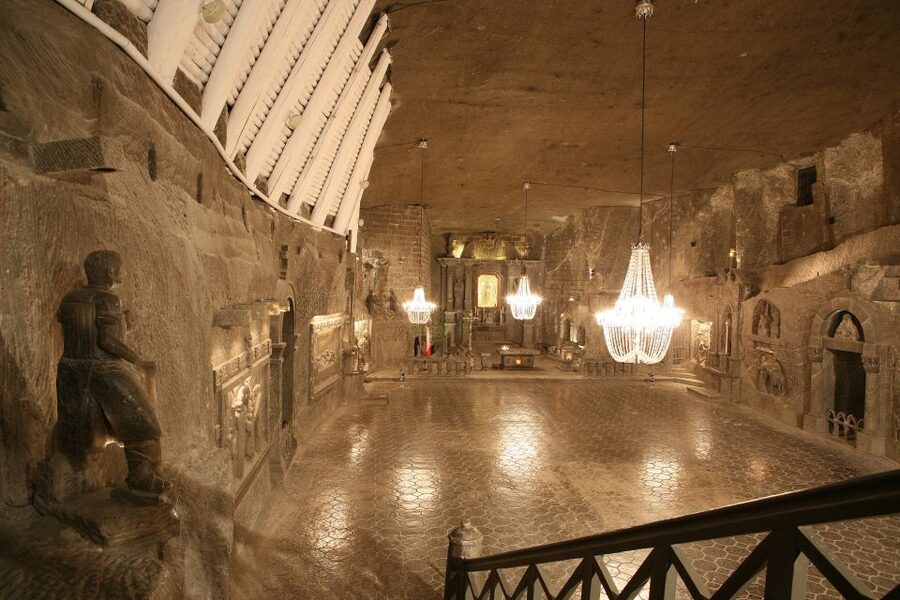
Wieliczka Salt Mine takes you far below the streets of a small Polish town and into a world shaped by miners, salt, wood, and candlelight. You’ll walk about 2 kilometers of carved paths, pass underground lakes and salt sculptures, and reach the Chapel of St. Kinga, the mine’s grand showpiece.
I like the Italian-language guidance, especially for a tour built around stories and old mining work. I also like the simple transport plan from Krakow, with the exact departure time and a photo of your vehicle sent by WhatsApp the day before. The main drawback is physical: expect many stairs, long corridors, and a descent to roughly 130 meters, so this is not a comfortable choice for anyone with mobility, back, heart, or claustrophobia concerns.
Key points to know before booking
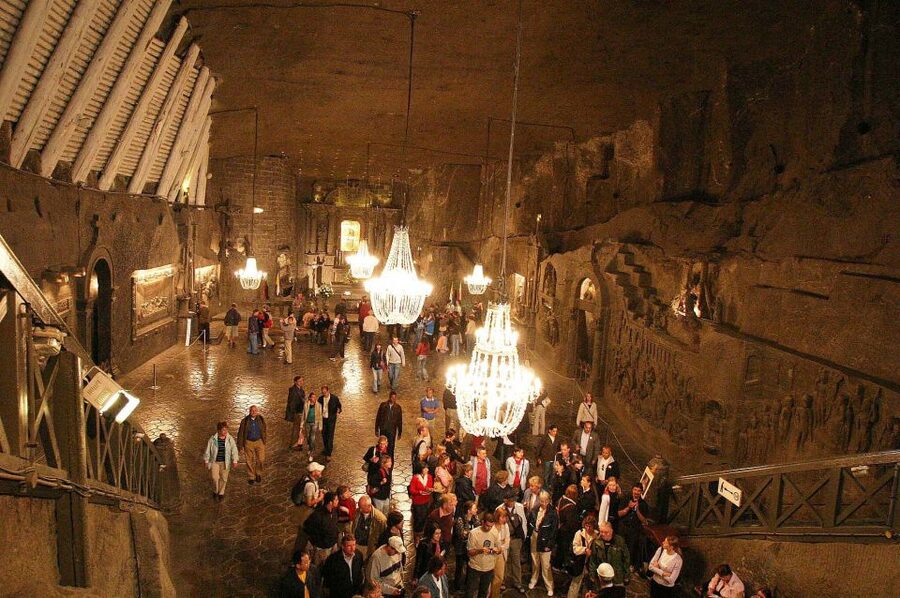
- 2km underground route: You walk through salt-cut passages and large chambers rather than simply viewing a single mine room.
- St. Kinga’s Chapel: This remarkable salt-carved chapel is the visual highlight, with sculptures and decorative details made from the mine itself.
- Italian guide included: On-site assistance and live guidance are available in Italian, as well as English.
- Five-hour outing from Krakow: Round-trip private transport, entrance tickets, and the guided visit are included.
- A serious stair count: The mine requires physical effort, and one account described hundreds of steps over a descent of about 140 meters, slightly more than the advertised 130 meters.
- Flexible booking: You can cancel up to 24 hours before departure for a full refund and reserve now while paying later.
Why Wieliczka Salt Mine is more than a short underground walk
Wieliczka has been working as a rock salt mine since the 13th century. That long working life gives the visit its purpose. You are not entering a decorative attraction built to look old. You are following routes shaped by generations of miners who extracted salt, built support structures, created chapels, and spent part of their working lives below ground.
The salt matters in more than one way. It formed the walls, inspired the sculptures, and helped preserve the mine’s unusual spaces. As you move through the route, you’ll see how practical mining work and religious life developed side by side. The result is part industrial site, part underground museum, and part place of worship.
I find that combination more interesting than a mine tour that focuses only on machinery. Here, the story includes tools, carpentry, underground lakes, chapels, and the daily world of the people who worked below the surface. You get a better sense of the mine as a community of work, not just a hole in the ground.
The five-hour schedule includes transportation from Krakow, time underground, and the surrounding logistics. It is a substantial half-day, not a quick add-on between two city sights. Plan the rest of your day with some breathing room.
More Wieliczka salt mine visits:
- From Krakow: Wieliczka Salt Mine Tour
★ 4.6 · 9,393 reviews - Krakow: Auschwitz-Birkenau and Salt Mine Guided Tour
★ 4.7 · 9,020 reviews - Krakow: Wieliczka Salt Mine Guided Tour with Transport
★ 4.4 · 7,429 reviews
Getting from Krakow to Wieliczka
Wieliczka is close enough to Krakow for an easy outing, but private round-trip transport removes the need to work out the connection yourself. That is especially useful if you are visiting Krakow for only a few days and do not want to spend time sorting out local transport, meeting points, or return arrangements.
The exact departure time is not sent immediately. By 6:30 p.m. the day before, you should receive the timing through WhatsApp, along with a photo of the vehicle arriving for you. Keep an eye on your phone and make sure the contact information used for the booking can receive messages.
This detail is small but useful. A photo of the vehicle gives you a practical way to identify your ride, while the final timing lets the operator adjust the schedule. You should still be ready at the agreed pickup point and avoid planning a tight connection afterward.
The ride is part of a private transport arrangement, and transport is included in the $88 price. Food and drinks are not included, so budget separately if you want something before or after the underground visit.
The descent to 130 meters below ground
The route begins with the most obvious change in the day: you go down. The official description places the deepest point at 130 meters, while one account of the outing described the descent as about 140 meters and noted hundreds of stairs. The exact figure matters less than the warning. You will be walking down into the mine, not simply stepping into a ground-level museum.
Wear comfortable shoes with a good grip. The paths cover about 2 kilometers, and the stairs and corridors make the walk more tiring than that distance sounds on paper. The mine is not the place for stiff fashion shoes, loose sandals, or luggage that you have to drag behind you.
The descent helps you understand the scale of the place. The surface disappears, the passageways take over, and the changing rooms make it clear that this was a serious workplace. The guide’s job is important here because the walls alone cannot explain how people worked in them.
You should also think honestly about enclosed spaces. The tour is not suitable for people with claustrophobia, and it is not recommended for people with back problems, heart problems, or mobility impairments. Large bags, oversized luggage, smoking, pets other than assistance dogs, alcohol, and drugs are not allowed.
Salt-cut chambers, underground lakes, and wooden supports
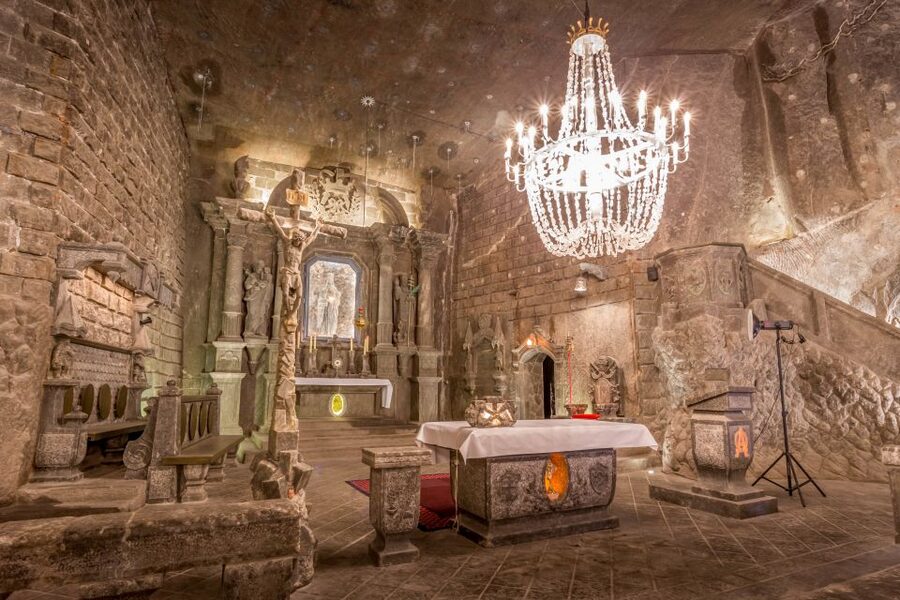
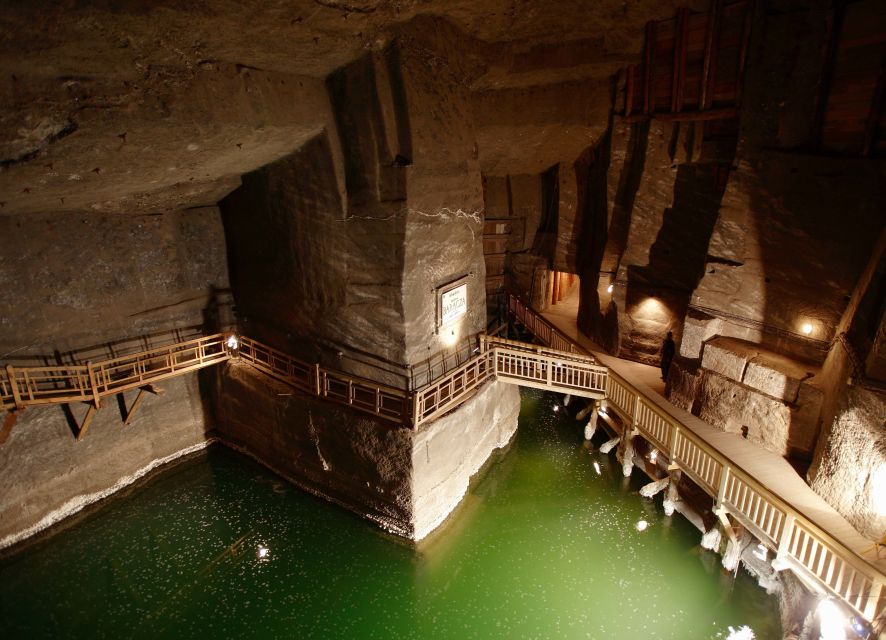
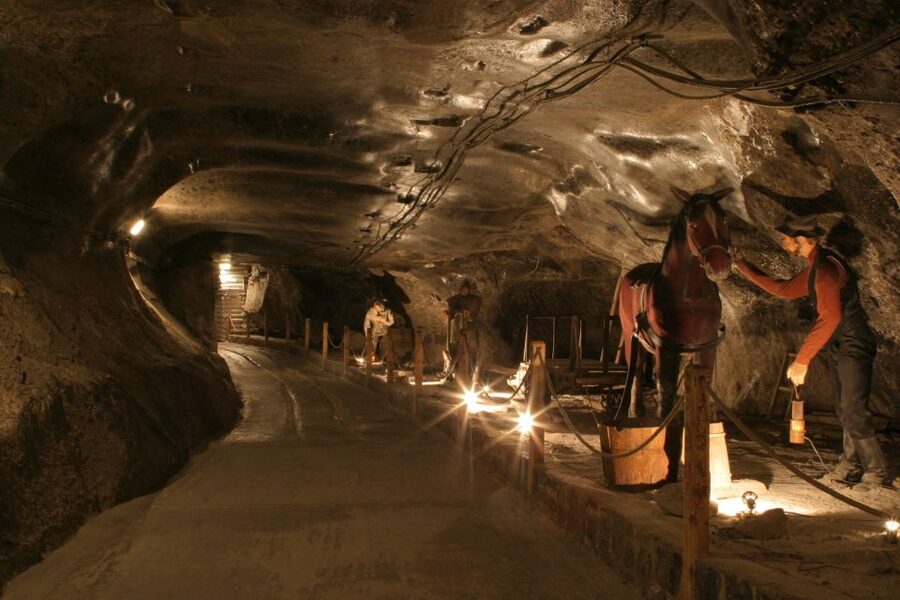
Once below ground, the route opens into chambers cut from the salt rock. Some spaces are broad and dramatic. Others feel more like working passages, with the mine’s practical character still visible. You might see unusual carpentry structures used to support the underground areas, along with old tools that help explain the work.
The wooden structures are an important part of the visit. Salt is the headline material, but timber made the mine usable and safe. Seeing the two together gives you a clearer picture of the engineering involved. The chambers were not formed only for beauty. They were made because people were removing material and needed ways to support the spaces left behind.
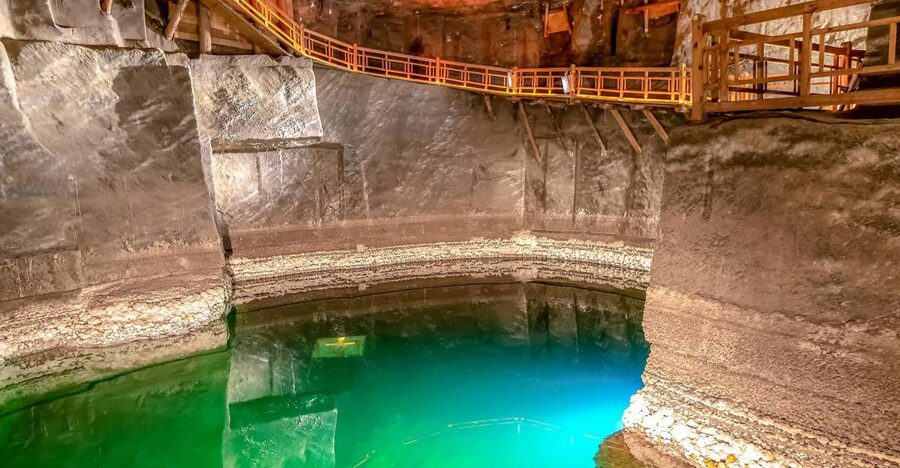
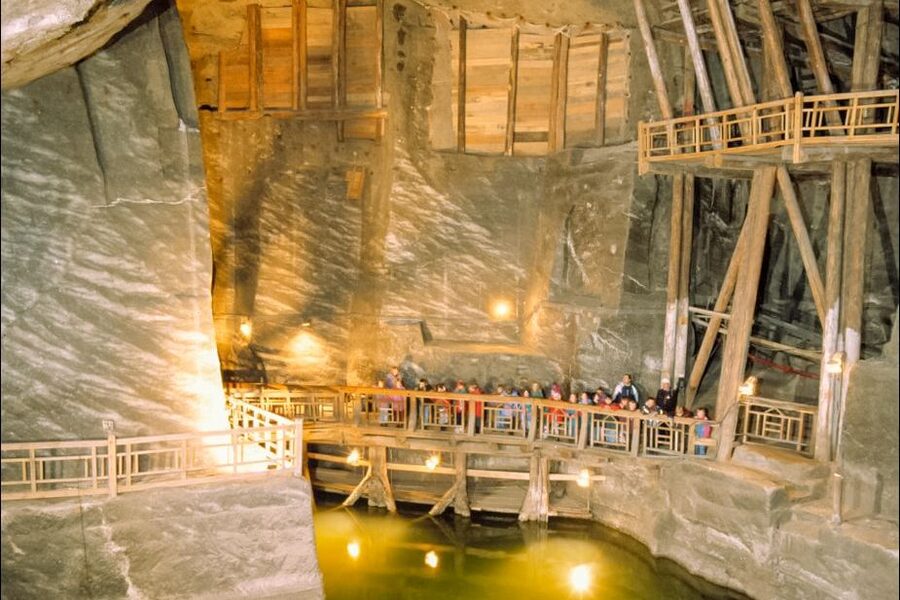
The underground lakes add another change of mood. Water below the surface, dark salt walls, and the quiet of the passages create a scene very different from Krakow’s busy historic center. The lakes are part of the mine’s natural setting, while the sculptures, chapels, and support systems show how people adapted the place for work and worship.
I would pay attention to the guide’s explanations here rather than rushing from room to room for photographs. The most useful information concerns how the mine functioned and how miners handled the conditions below ground. The Italian guide makes those details easier to follow if Italian is your preferred language.
A few more Krakow half days to consider
- From Krakow: Auschwitz-Birkenau Guided Tour & Hotel Pickup
★ 4.5 · 33,358 reviews - From Krakow: Auschwitz-Birkenau Guided Tour & Hotel Pickup
★ 4.5 · 29,340 reviews - Krakow: Auschwitz Guided Tour with Optional Hotel Pickup
★ 4.5 · 15,280 reviews - Krakow–Zakopane: Cable Car, Chocholow Baths, Cheese & Vodka
★ 5.0 · 10,720 reviews
St. Kinga’s Chapel, the main reason to visit
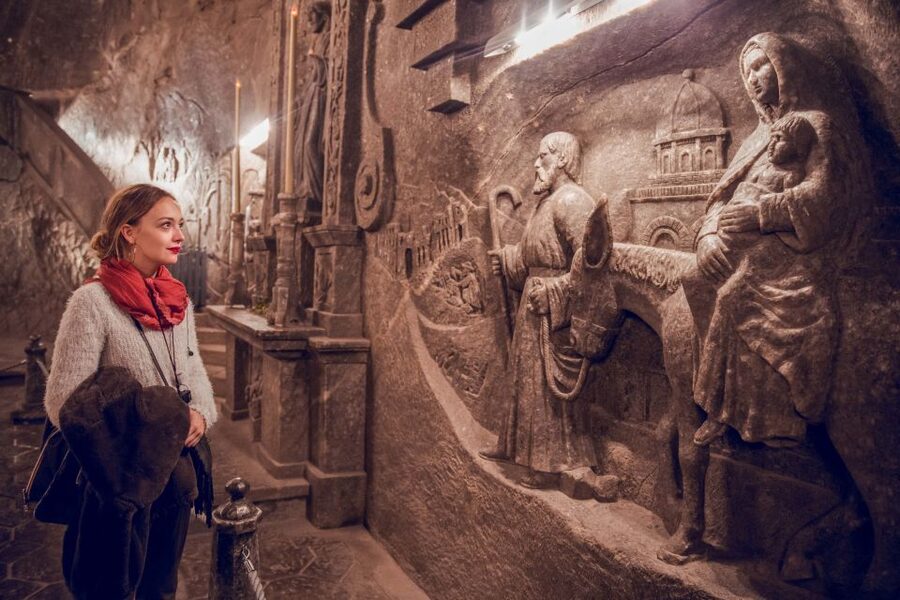
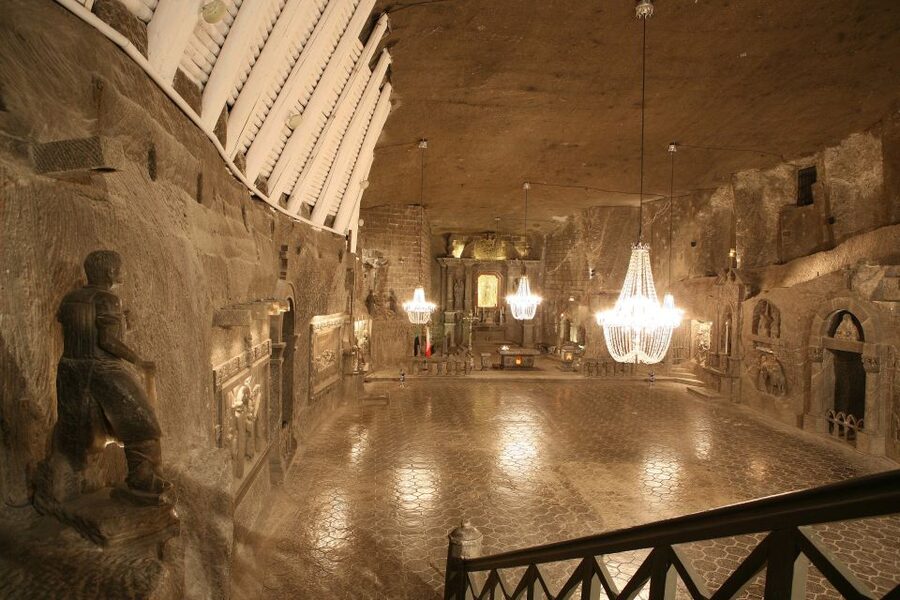
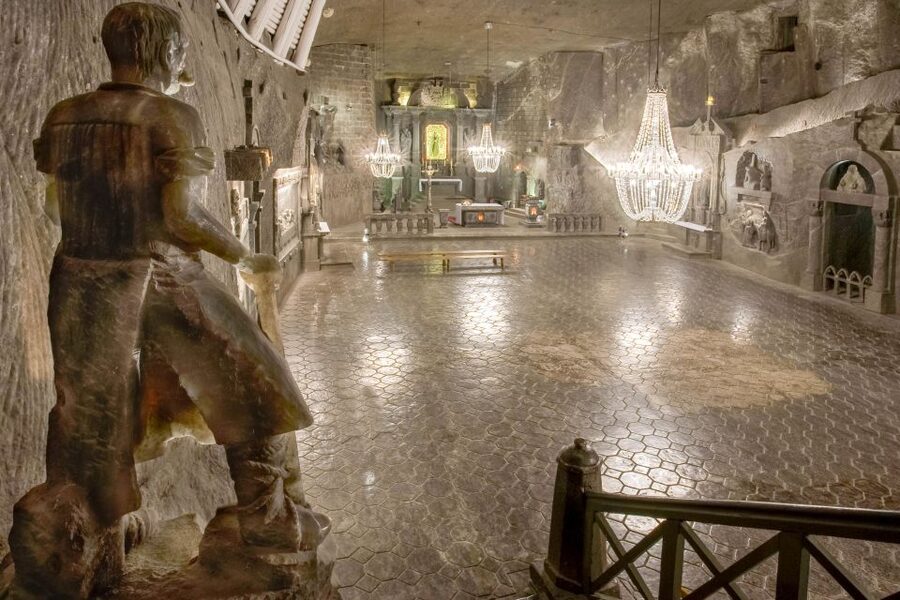
The Chapel of St. Kinga is the most famous space in Wieliczka, and it earns the attention. It is carved into the salt and filled with sculptures and decorative work made from the same material. The chapel shows how miners transformed a workplace into a religious space where people could gather underground.
This is where the tour shifts from industrial history to something more personal. The mine was not just a place where people removed salt and went home. Its chapels reflect the faith, effort, and skill of the people who worked there. You can look at the carvings as art, but they also tell you how miners marked important parts of life below ground.
The scale is part of the effect. After walking through narrower passages, you reach a space designed to feel more open and ceremonial. Salt becomes more than a raw material here. It becomes the surface for sculpture, decoration, and religious expression.
Give yourself time to look closely. You may notice details that disappear if you treat the chapel as a quick photo stop. The guide can add the context that turns the room from an impressive chamber into a clearer picture of the mine’s social and religious life.
The multimedia exhibit and the miners’ working world
The multimedia exhibit provides a change from the carved chambers and old tools. It offers an interactive way to learn about the mine’s natural formation and its human history. This is useful if you are visiting with children or if you prefer information that is shown as well as explained.
The exhibit helps connect two parts of the story. First, there is the natural salt deposit and the underground environment. Second, there is the work required to reach, remove, transport, and use the salt. Neither side makes full sense without the other.
The mining tools add a more direct link to the past. You can see the equipment as evidence of the labor involved, rather than treating the mine as a set of pretty rooms. The guide fills in the missing pieces by explaining the miners’ routines and the problems they faced.
Do not expect a modern entertainment park. The multimedia section is one part of a broader museum visit, not the whole experience. Its value is that it breaks up the walking and gives you another way to understand the site.
How the five-hour schedule feels in practice
Five hours includes the journey from Krakow, the mine visit, and the return. That makes this a half-day commitment, though the underground walking is the heart of the experience. You should not book it immediately before an important appointment or train departure.
The route covers about 2 kilometers, but the effort comes from the stairs, the depth, and the changing spaces. One account described the physical work as entirely manageable despite the steps and length of the galleries. That is a fair way to think about it: the tour is achievable for a reasonably fit person, but it is not effortless.
Comfortable shoes are essential. Bring your passport or ID card, which is listed among the items you should have with you. Leave large bags and oversized luggage behind because they are not permitted.
The underground restaurant gives you the option of eating below ground after the main visit, and there is also a souvenir shop. A 5D cinema is available as another possible add-on. These extras may appeal to you if you want to extend the visit, but they are not included in the tour price, and food and drinks are your responsibility.
Italian guidance and the value of the included service
The tour includes a live guide and on-site assistance in Italian, with English also available. That is a real advantage for a site where the meaning is carried by explanations of mining methods, tools, natural formation, and religious spaces.
The Italian service has received especially strong praise for clear communication, careful organization, and professional guiding. One Italian-speaking guide was described as speaking excellent Italian and explaining the mine with care. No individual guide name is provided in the tour details, so you should not book expecting a particular person.
Private transport and entrance tickets are included in the $88 price. That makes the cost easier to assess. You are paying not only for access to Wieliczka, but also for the transfer from Krakow, the return journey, a live guide, and Italian assistance.
If you are comfortable arranging transport and finding your own entrance, a self-organized visit might cost less. But you would then take on the timing, route planning, and guiding yourself. For a first visit, the package can be good value because the mine is a place where context adds a lot.
The strong organization is another plus. Precise instructions, punctual transport, and a vehicle photo reduce the small stresses that can spoil a half-day outing. The service is especially useful if you do not speak Polish and want Italian support from pickup through the underground visit.
Who should book this Wieliczka tour?
I would recommend it to you if you want a major Krakow-area sight that feels different from the city’s churches, squares, and museums. The mine offers a change of setting and a story rooted in labor, geology, religion, and local life.
It is a good match for:
- Italian-speaking visitors who want clear live explanations.
- First-time visitors to Krakow who prefer an organized half-day trip.
- History fans interested in tools, work, and old industries.
- Families who may enjoy the multimedia exhibit and unusual underground rooms.
- Anyone who likes unusual architecture and sculpture rather than only traditional museums.
I would hesitate if stairs are a serious problem, if enclosed spaces make you uncomfortable, or if you have back or heart concerns. The route is long enough and deep enough that you should take those warnings seriously.
I would also avoid squeezing this outing into an already exhausting day. Five hours, stairs, and underground walking can leave you ready for a quiet evening.
Should you book the $88 Wieliczka Salt Mine tour?
Book this tour if you want the practical package: transport from Krakow, entrance, an Italian-speaking guide, and a carefully arranged return. The strongest reasons are the depth of the mine, the 2km route, and the chance to see St. Kinga’s Chapel in its proper setting rather than as a quick photograph.
The price is fair when you value convenience and language support. It is less compelling if you are determined to arrange every part independently or if you want a short, low-effort attraction.
Before booking, check that you can manage the stairs, leave large luggage behind, and keep half a day free. If those conditions suit you, Wieliczka offers one of the most unusual outings from Krakow: a working salt mine turned into a walk through underground history.
FAQ
How long does the Wieliczka Salt Mine tour take?
The activity lasts five hours, including round-trip transportation from Krakow and the guided visit.
How far underground does the tour go?
The tour descends to about 130 meters below ground. One account of the route described the depth as about 140 meters, so you should prepare for a substantial descent.
How long is the walking route?
You walk along about 2 kilometers of salt-carved paths through the mine.
Is the tour available in Italian?
Yes. The tour includes a live guide and on-site assistance in Italian. English is also available.
Is transportation from Krakow included?
Yes. Private round-trip transportation from Krakow is included. The exact departure time and a photo of the arriving vehicle are sent by WhatsApp by 6:30 p.m. the day before the tour.
What should I bring?
Bring a passport or ID card and comfortable shoes.
Are food and drinks included?
No. Food and drinks, including alcohol, are not included. An underground restaurant is available after the visit, but any purchase there is your responsibility.
Can I bring a large bag or suitcase?
No. Oversized luggage, luggage, and large bags are not allowed. Pets are also not allowed, except for assistance dogs.
Is the tour suitable for people with mobility or health concerns?
The tour is not suitable for people with back problems, mobility impairments, claustrophobia, or heart problems. The route includes a deep descent, many stairs, and about 2 kilometers of underground walking.
Recently added in Krakow
- Auschwitz-Birkenau and Krakow Private Car Trip from Katowice★ 4.3 · 3 reviews
- Wawel Castle, Old Town with St. Mary’s Church Guided Tour★ 5.0 · 3 reviews
- Wawel Castle, Cathedral, Rynek Underground Tour with Lunch★ 5.0 · 3 reviews
- From Krakow: Chocholow Thermal Hot Springs (hotel pick up)★ 5.0 · 3 reviews
- Private tour to Zakopane and Thermal Baths from Krakow★ 5.0 · 3 reviews
- Legends of Cracow ROBOTIC SHOW★ 4.0 · 3 reviews
- From Krakow: Zakopane and Thermal Pools Guided Trip★ 5.0 · 3 reviews
- Guided Beer Tour in Krakow★ 4.5 · 3 reviews
Wieliczka Salt Mine Tours, compared.
Wieliczka Salt Mine Guided Tour with Transport
Read our review →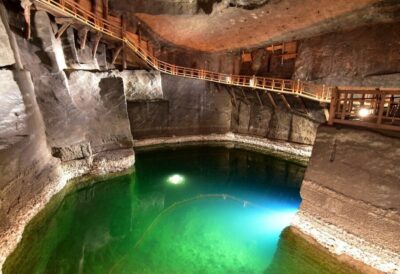
Wieliczka Salt Mine Fast-Track Ticket & Guided Tour
Read our review →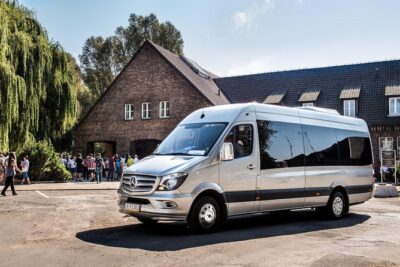
Day Trip: Auschwitz-Birkenau and Wieliczka Salt Mine from Krakow
Read our review →
Wieliczka Salt Mine Tour & Skip the Line Ticket
Read our review →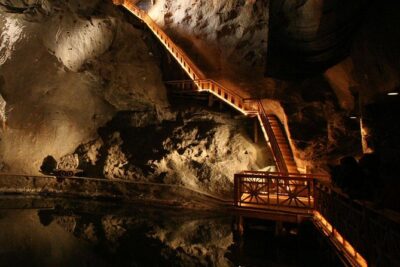
Krakow to Wieliczka: Salt Mine Guided Tour with Ticket & Transfer
Read our review →
Auschwitz-Birkenau & Salt Mine Full-Day Guided Tour
Read our review →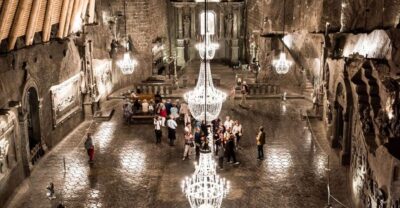
Wieliczka Salt Mine Tour Including Hotel Pick-Up
Read our review →Where else this one turns up