
Reviewed · JOHN PAUL II TOURS
Łagiewniki-Sanctuary of Divine Mercy and John Paul II
Kraków’s Łagiewniki district brings together two major Catholic pilgrimage sites in one half-day outing. You begin with Saint Faustina Kowalska and the message of Divine Mercy, then continue to the sanctuary honoring Pope John Paul II. It is a useful way to understand two figures who shaped modern Catholic devotion.
I like the hotel pickup and drop-off, which removes the need to work out local transport. I also like the personal guiding, especially when your guide is Alexandra or Oleksandra, who can explain the people, symbols, and buildings rather than leaving you to wander through them alone.
The main consideration is the price: $122 per person is a serious spend for a five-hour visit, and food and drinks are not included. The value is strongest if you want context, transport, and a flexible pace rather than only a quick look at the churches.
Key points at a glance
- Two major Kraków sanctuaries in one outing: Visit the Sanctuary of Divine Mercy and the Sanctuary of St. John Paul II.
- Saint Faustina’s tomb: Learn about the nun whose visions and message of God’s mercy made Łagiewniki an important place of prayer.
- Observation Tower access: Add a higher view over the sanctuary grounds and surrounding area.
- Saint Faustina Museum: See a dedicated museum visit connected to her life and mission.
- Hotel transportation included: Start and finish in Kraków without arranging separate rides.
- Four guide languages: Choose from English, Polish, Ukrainian, or Russian, subject to availability.
Why Łagiewniki matters to Catholic visitors
This is not simply a church-hopping excursion. Łagiewniki is tied to two modern religious figures whose influence reaches far beyond Kraków.
The first is Saint Faustina Kowalska, a Polish nun associated with visions of Jesus and the Divine Mercy message. Her tomb is located at the Sanctuary of Divine Mercy, making it the emotional center of the visit for many people who come to pray, reflect, or learn more about her life.
The second is Saint John Paul II, the Polish pope whose life and papacy are presented at a separate sanctuary nearby. Visiting both places helps you see a connection between local Polish religious identity and a global Catholic movement.
You do not need to be a practicing Catholic to find the visit worthwhile. The experience also offers insight into Poland’s twentieth-century religious life, the role of pilgrimage, and the way modern churches use art and architecture to express belief.
Other John Paul II sites near Krakow:
- Krakow: Pope John Paul II Guided Tour with Home & Sanctuary
★ 4.9 · 104 reviews - Krakow: Black Madonna of Częstochowa & Home of John Paul II
★ 4.8 · 97 reviews - In the Footsteps of John Paul II from Krakow
★ 4.5 · 49 reviews
First stop: the Sanctuary of Divine Mercy
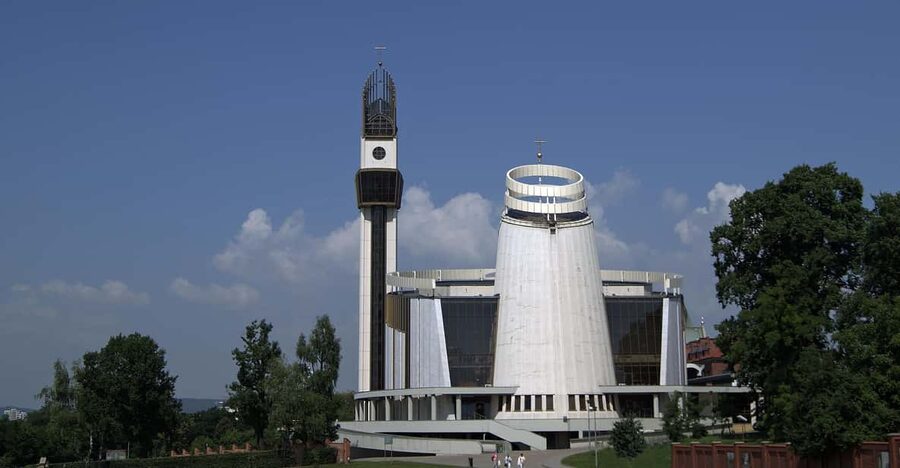
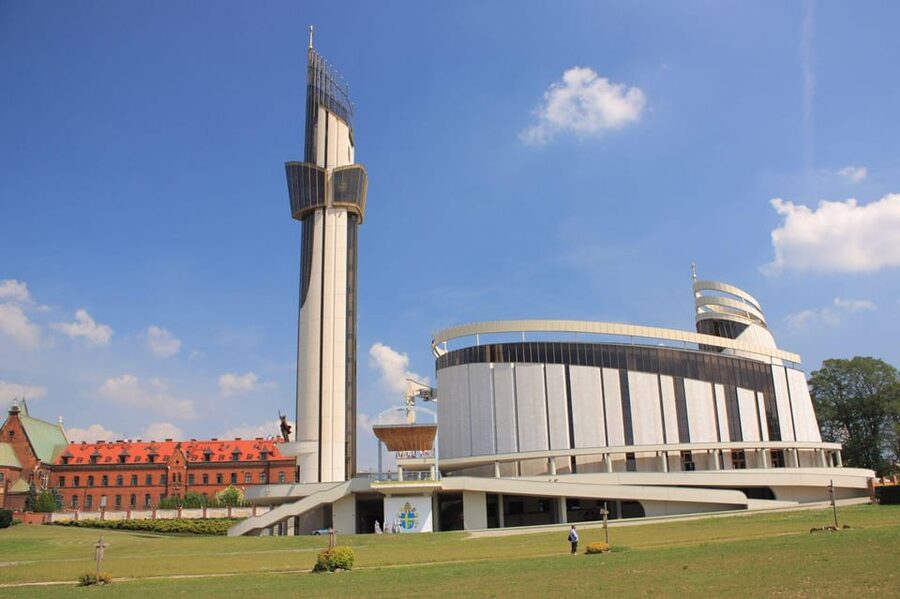
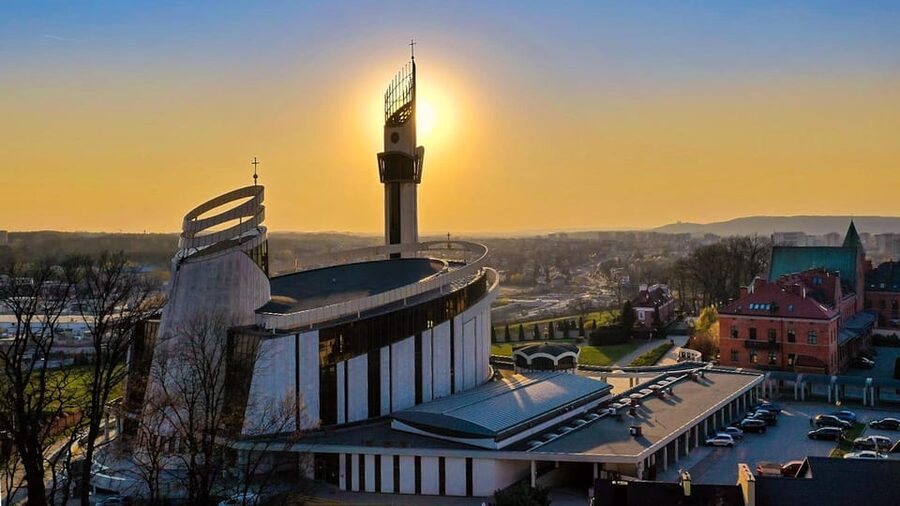
The tour begins at the Sanctuary of Divine Mercy. The main basilica has a modern design, but the setting carries a strong sense of sacred importance because of its connection to Saint Faustina and the growth of Divine Mercy devotion.
I would give this stop your full attention rather than treating it as a quick photo stop. The guide can explain how Faustina’s visions shaped the message of mercy, forgiveness, and God’s love. That background changes the way you read the basilica, its devotional spaces, and the steady flow of people who come for prayer.
Saint Faustina’s tomb is a key point inside the sanctuary. You can pause there for quiet reflection, prayer, or simply a better understanding of why the site matters. The visit is not only about looking at a building. It is about recognizing the personal story behind the devotion.
The basilica’s modern form may appeal to you if you enjoy contemporary religious architecture. If you prefer old European churches filled with medieval stonework, this will feel different. The building’s importance comes more from its living religious role and recent history than from age or ornate decoration.
Saint Faustina Museum: turning devotion into a personal story
The Saint Faustina Museum adds a more focused layer to the first stop. Instead of learning about Divine Mercy only through the basilica, you get a place devoted to Faustina herself.
A museum visit can be especially helpful if you know little about her before arriving. Your guide can connect the exhibits with the sanctuary, explain the importance of her visions, and show how her message became known well beyond Poland.
The museum also gives the outing a more human scale. Churches can communicate through space, silence, and ceremony. A museum helps you follow an individual life and understand the person behind the devotion.
Allow yourself time to ask questions. One of the strongest features of this private-style experience is the chance to shape the visit around your interests. Doris from the United States specifically valued being able to ask questions and avoid feeling rushed. That is important here, since you may want more religious context, more architectural explanation, or simply a quieter pause.
The Observation Tower and views over Łagiewniki
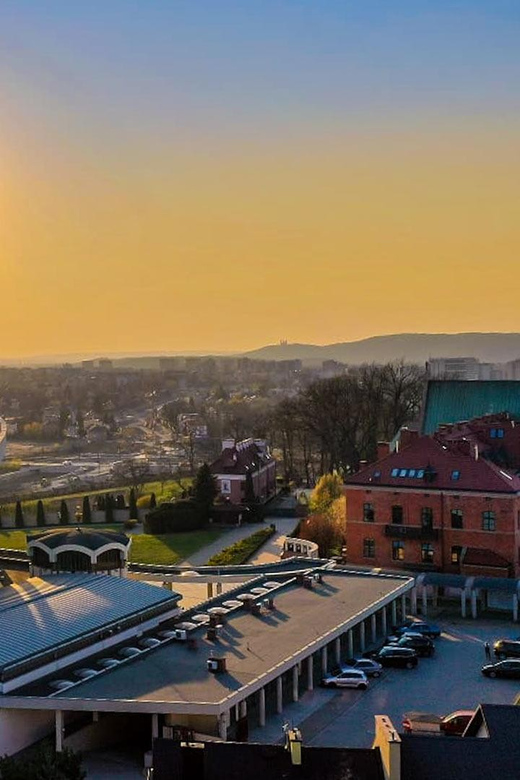
The Observation Tower is included, giving you a chance to see the sanctuary area from above. This is a welcome change of pace after the indoor religious spaces and museum displays.
From the tower, you can take in the grounds and the surrounding area. The view helps you understand how the sanctuaries fit into Łagiewniki rather than experiencing them as isolated buildings. It also gives you a natural break for photographs.
The tower may be less important to you if your main goal is prayer or religious study. Still, I consider it a useful part of the route because it adds visual variety to a visit that could otherwise feel focused entirely on interiors and exhibits.
Ask your guide to point out what you are seeing. The value of an observation platform depends partly on explanation. A named place or visible landmark means more when you know its connection to the district and the visit.
A few more Krakow half days to consider
- From Krakow: Auschwitz-Birkenau Guided Tour & Hotel Pickup
★ 4.5 · 33,358 reviews - From Krakow: Auschwitz-Birkenau Guided Tour & Hotel Pickup
★ 4.5 · 29,340 reviews - Krakow: Auschwitz Guided Tour with Optional Hotel Pickup
★ 4.5 · 15,280 reviews - Krakow–Zakopane: Cable Car, Chocholow Baths, Cheese & Vodka
★ 5.0 · 10,720 reviews
Second stop: the Sanctuary of St. John Paul II
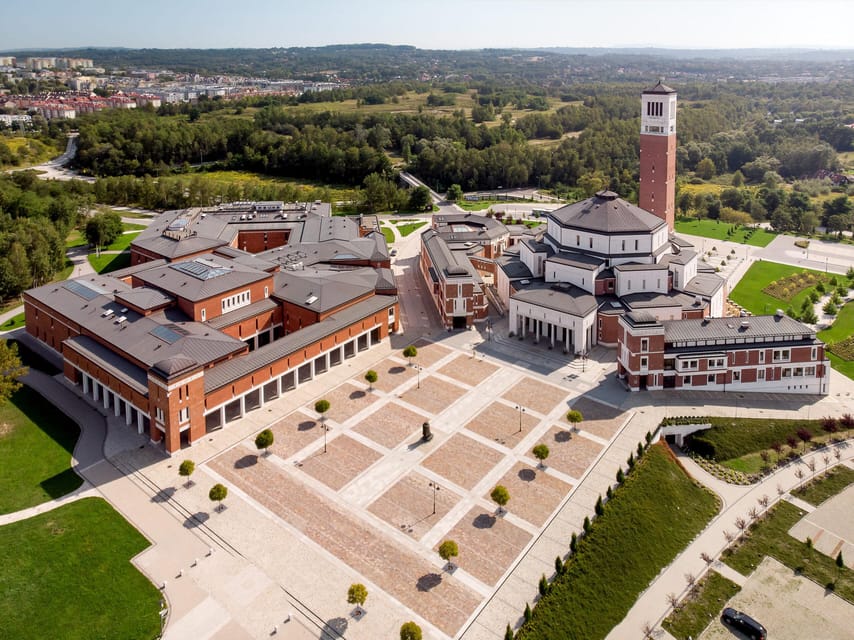
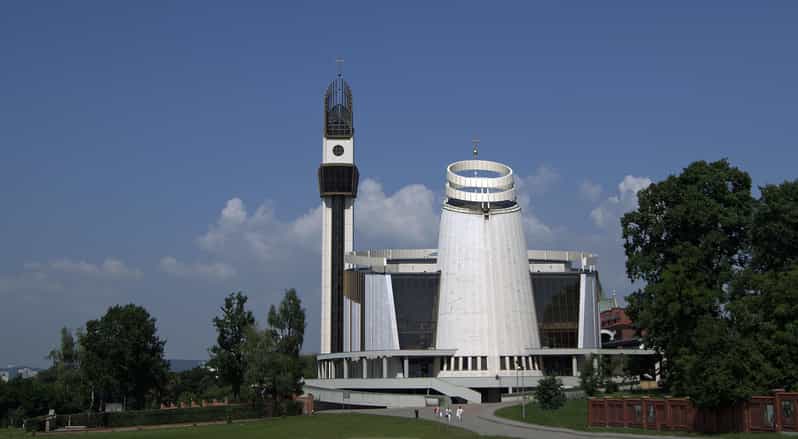
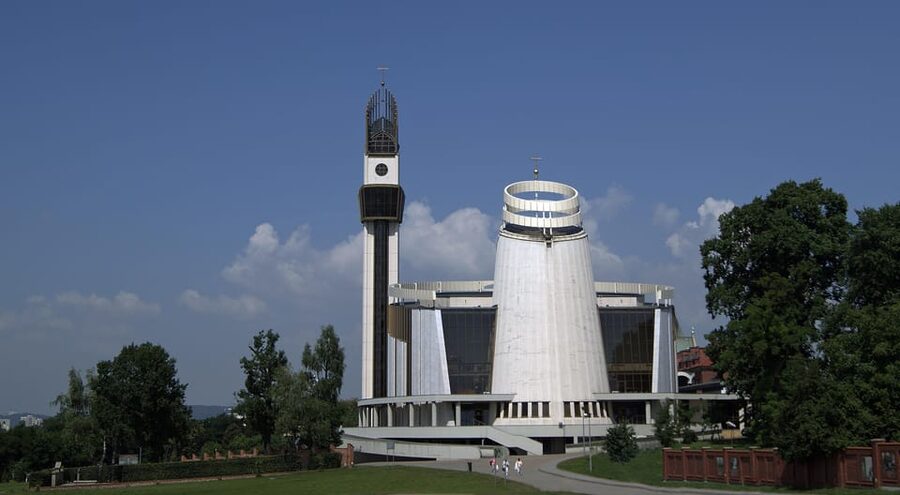
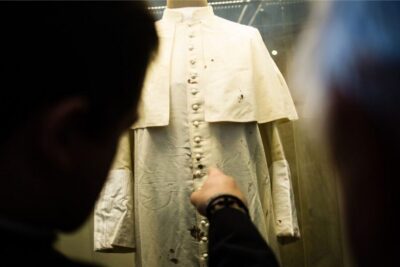
After the Divine Mercy site, you travel a short distance to the Sanctuary of St. John Paul II. This sanctuary is part of the Have No Fear! Center, a wider complex that includes a church, museum, and exhibits about the pope’s life and work.
The change from Saint Faustina’s sanctuary to John Paul II’s center gives the tour a clear second chapter. Here, the focus shifts from a nun’s spiritual message to the life of a Polish pope who became one of the most recognizable Catholic leaders in the world.
The architecture combines modern elements with traditional ones. That blend suits the subject. John Paul II was linked to Polish religious tradition, yet his papacy addressed a changing modern world. The building’s design reflects both sides without requiring you to know much about church architecture.
You will likely get the most from this stop if you ask about the pope’s teachings, important moments in his papacy, and his connection with Poland. The displays are intended to provide that context, but a live guide can help you focus on what matters most to you.
Carla from the Philippines appreciated how Oleksandra showed important places before reaching the shrines and added details that expanded the setting. That points to a useful feature of a guided visit: the story does not have to begin only when you walk through the church doors.
What the guide adds to the experience
The guide is the main reason to choose this outing over arranging your own visit. You receive transportation, but the real advantage is interpretation.
A self-guided visit could show you the basilicas, tower, and museum. It might not explain why Faustina’s tomb matters, how Divine Mercy devotion developed, or how the John Paul II center fits into Polish religious life. Those connections are what turn separate stops into one coherent visit.
The available guide languages are English, Polish, Ukrainian, and Russian. If you need English, confirm availability when choosing a departure time. Guide assignments can vary, but Alexandra and Oleksandra are names associated with particularly strong experiences on this route.
I also like that the guiding can adapt to your questions. Doris described a guide who did not rush her and catered to her interests. That matters at religious sites, where some people want detailed explanations and others need more quiet time.
Still, you should set reasonable expectations. A five-hour tour cannot cover every part of both complexes in exhaustive detail. If you want to read every exhibit slowly or spend a long period in personal prayer, tell your guide early so the pace can be adjusted where possible.
Is $122 per person a fair price?
At $122 per person, this is not the cheapest way to visit Łagiewniki. You are paying for transportation from Kraków, a live guide, entry to the Observation Tower, the Saint Faustina Museum, and the Sanctuary of Divine Mercy.
The price makes more sense if you value convenience and interpretation. Hotel pickup and drop-off save you from arranging transport, while the guide helps you use a limited five-hour window well. You also visit two related but distinct sites in one trip.
The value is weaker if you are comfortable using local transport, reading displays on your own, and spending as much time as you like at each location. In that case, a self-planned visit may offer more freedom and less cost, although you would lose the guide’s explanations and organized route.
I would think of this as a specialized cultural and religious excursion, not a general Kraków sightseeing tour. If Divine Mercy, Saint Faustina, or John Paul II are important to you, the focused nature of the visit is a benefit. If you have only one short day in Kraków and want the city’s main historic sights, other tours may fit your plans better.
Timing, transport, and what to bring
The advertised duration is five hours, with pickup and return in Kraków. The detailed highlights refer to three hours of guided touring, so the exact split between driving, visits, and guiding may vary. Check the available start times before booking.
Because transportation is included, you do not need to build a separate route between the two sanctuaries. That is particularly useful if you are unfamiliar with the area or want a straightforward half-day plan.
Food and drinks are not included. I would eat before pickup or carry something suitable for the day, while remembering that the sanctuaries are religious places where respectful behavior is expected.
Wear comfortable shoes. The program includes multiple sites, museum viewing, indoor spaces, and the Observation Tower. You will enjoy the visit more if you are ready to walk and stand rather than treating it as a seated vehicle tour.
Dress and behavior should match the setting. Keep your voice low in prayer areas and allow other people their quiet moments. The tour is educational, but these remain active places of worship.
Who will enjoy this tour most?
I would recommend this experience to several types of visitors:
- You have a personal connection to Catholic faith or pilgrimage.
- You want to learn about Saint Faustina and John Paul II in Poland.
- You prefer a guide who can answer questions instead of reading signs alone.
- You want hotel transportation and a fixed five-hour plan.
- You are visiting Kraków and want a meaningful excursion outside the city center.
- You enjoy modern religious architecture, museums, and viewpoints.
Families and mixed-interest groups may also find the format useful because it combines churches, museum displays, a tower, and travel through the countryside. The range of stops gives the visit more variety than spending the whole morning inside one basilica.
You may want to skip it if your priority is Kraków’s medieval center, royal sights, Jewish quarter, or food scene. This tour has a clear religious focus, and that focus does not fade into a broad city tour.
Booking details and cancellation
You can reserve now and pay later, which helps if your Kraków schedule is still changing. Free cancellation is available up to 24 hours before the activity for a full refund.
The tour is offered with live guiding in English, Polish, Ukrainian, or Russian. Check the start-time choices and language availability before confirming, since these details affect how comfortable and useful the visit will be.
Should you book the Łagiewniki sanctuary tour?
Book it if you want a well-organized, guide-led look at Saint Faustina, Divine Mercy, and John Paul II, with transport handled from Kraków. The strongest reason to choose it is the combination of personal explanation and access to several important parts of the complex, including the museum and Observation Tower.
I would be especially comfortable recommending it to first-time visitors who do not want to guess what they are looking at. Guides such as Alexandra and Oleksandra have helped make the visit personal, detailed, and unhurried.
Skip it if $122 feels too high for a half-day religious outing or if you prefer complete control over your time. For the right audience, though, this is a thoughtful way to see two significant Polish sanctuaries without spending the day sorting out transport and background information yourself.
FAQ
Where does the tour begin?
Pickup is provided in Kraków.
Where does the tour finish?
The tour returns you to Kraków.
How long does the experience last?
The total duration is five hours.
Is transportation included?
Yes. Transportation, hotel pickup, and drop-off are included.
Which sites are visited?
The experience includes the Sanctuary of Divine Mercy, the Saint Faustina Museum, the Observation Tower, and the Sanctuary of St. John Paul II.
Is the Saint Faustina Museum included?
Yes. A visit to the Saint Faustina Museum is included.
Is the Observation Tower included?
Yes. Access to the Observation Tower is included.
Which languages are available for the guide?
Live guiding is available in English, Polish, Ukrainian, and Russian.
Are food and drinks included?
No. Food and drinks are not included in the price.
Can I cancel for a refund?
Yes. You can cancel up to 24 hours in advance for a full refund.
Do I have to pay when I book?
No. The reserve-now, pay-later option lets you book without paying immediately.
Recently added in Krakow
- Auschwitz-Birkenau and Krakow Private Car Trip from Katowice★ 4.3 · 3 reviews
- Wawel Castle, Old Town with St. Mary’s Church Guided Tour★ 5.0 · 3 reviews
- Private tour to Zakopane and Thermal Baths from Krakow★ 5.0 · 3 reviews
- Wawel Castle, Cathedral, Rynek Underground Tour with Lunch★ 5.0 · 3 reviews
- From Krakow: Chocholow Thermal Hot Springs (hotel pick up)★ 5.0 · 3 reviews
- Legends of Cracow ROBOTIC SHOW★ 4.0 · 3 reviews
- From Krakow: Zakopane and Thermal Pools Guided Trip★ 5.0 · 3 reviews
- Guided Beer Tour in Krakow★ 4.5 · 3 reviews
John Paul II Tours, compared.
Pope John Paul II Guided Tour with Home & Sanctuary
Read our review →
Black Madonna of Częstochowa & Home of John Paul II
Read our review →
The Black Madonna of Czestochowa & John Paul II Family Home
Read our review →
Private Catholic Tour about John Paul II, St. Faustina & The Divine Mercy Shrine
Read our review →
Saint John Paul II Private Day Tour from Krakow
Read our review →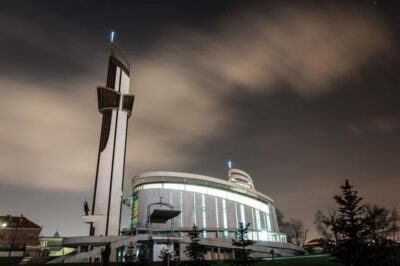
Where else this one turns up